Certifications21 Oct 2024-16 min read
Dive Into a New Career: How to Become a Diving Instructor
We dive into the specifics of how to become a diving instructor, why this career is so appealing to people who love the water and the world beneath it?

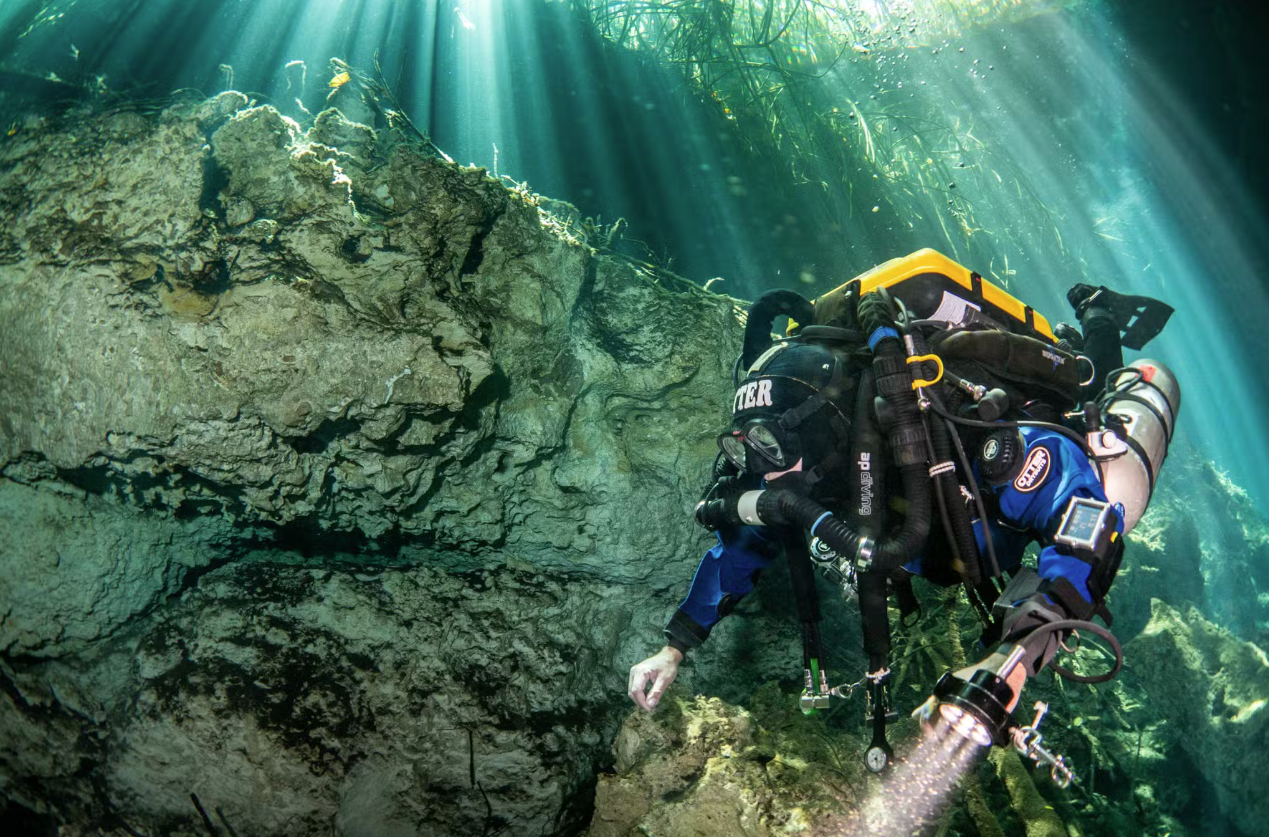
East Anglia is a sailing and diving haven — sailing, scuba, windsurfing and canoeing across the Norfolk Broads, Suffolk coast and inland waters. Sail and windsurf the Broads and coast, dive inland and coastal sites, and canoe peaceful waterways. With sheltered water ideal for learning, East of England is a relaxed, beginner-friendly place to get on the water.

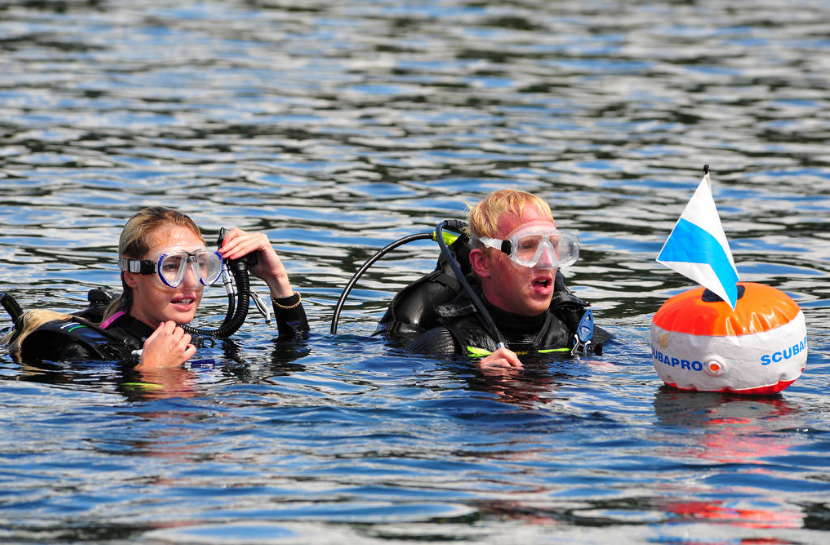
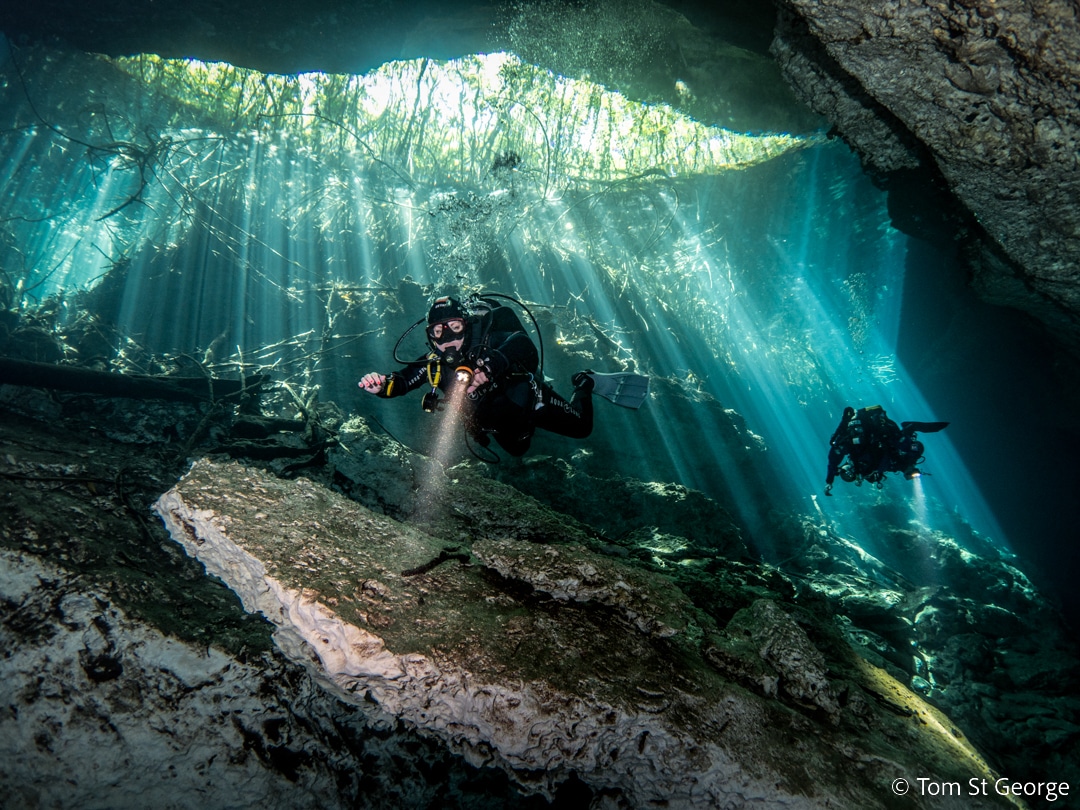
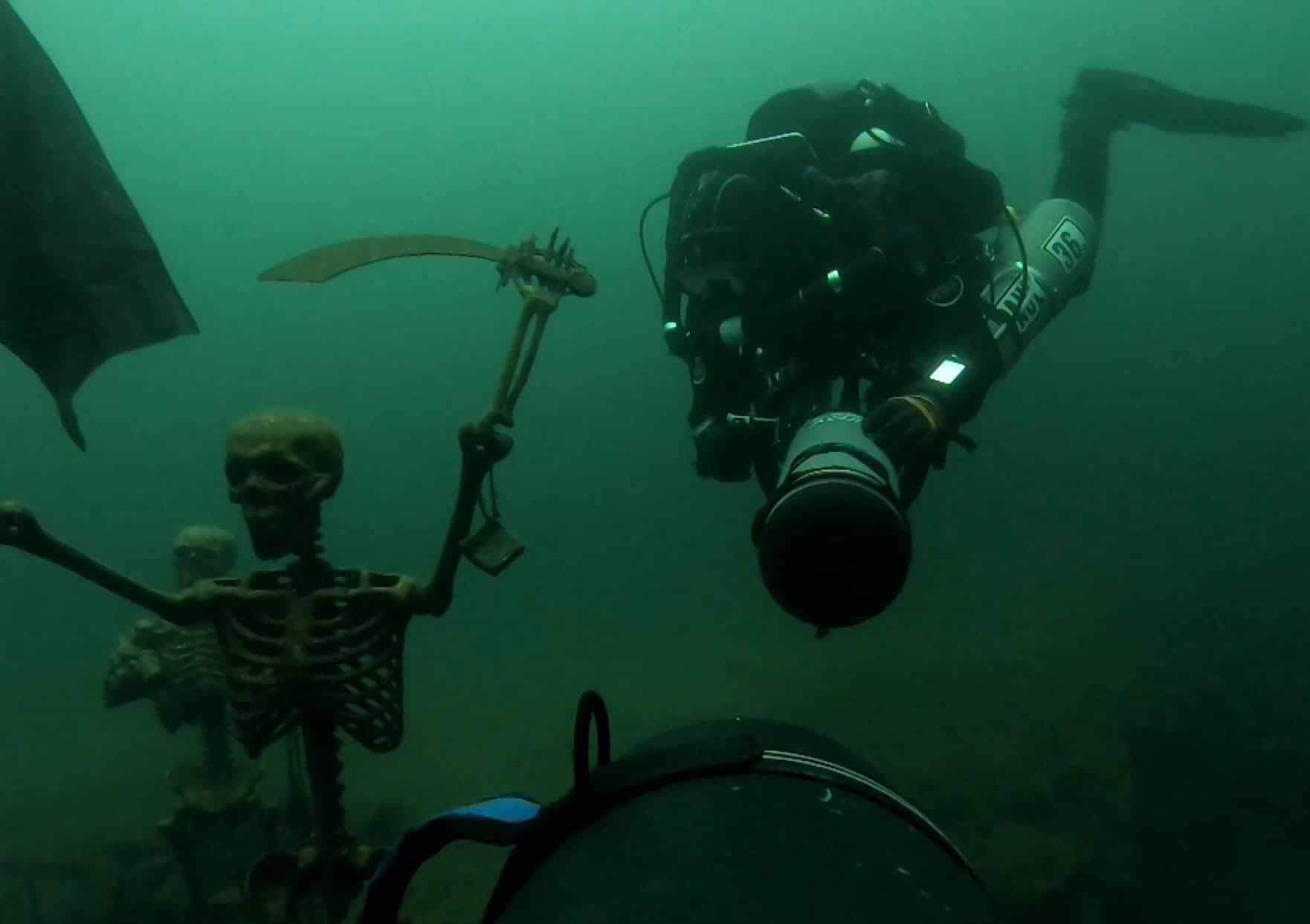

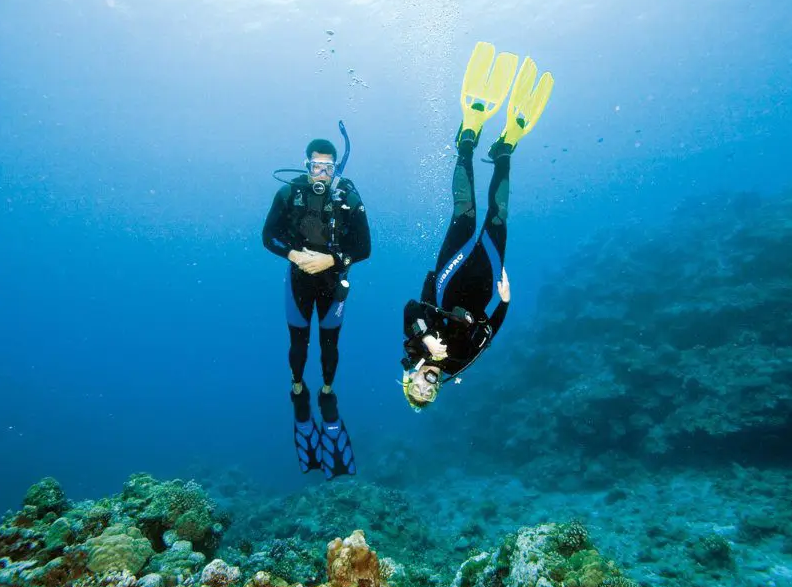


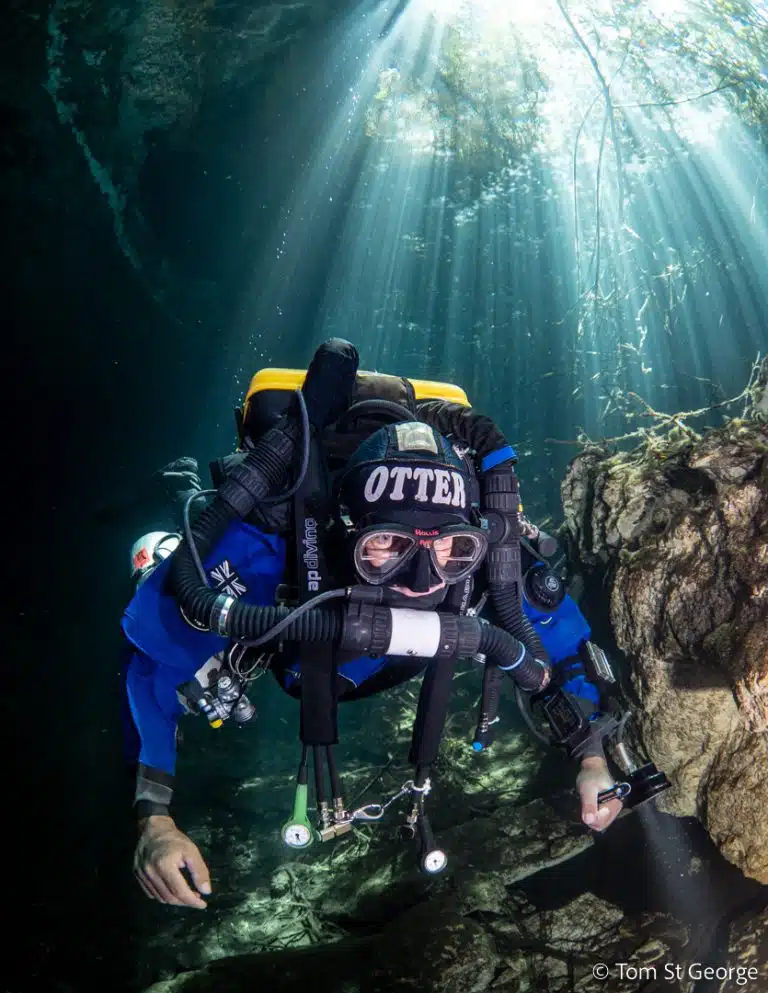
Experience the thrill of Close Circuit Rebreather diving in East England with our Rebreather Try Dive program.
From £ 150
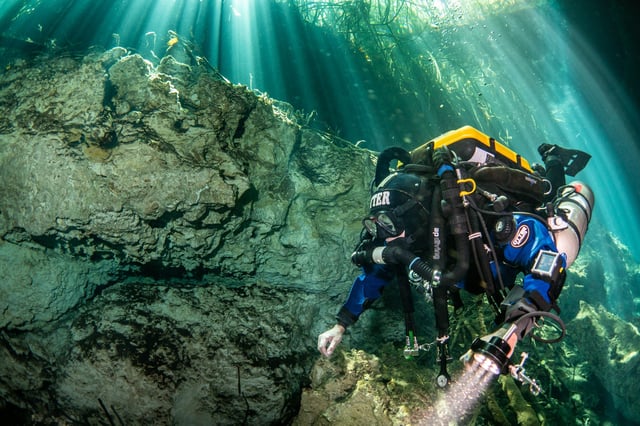
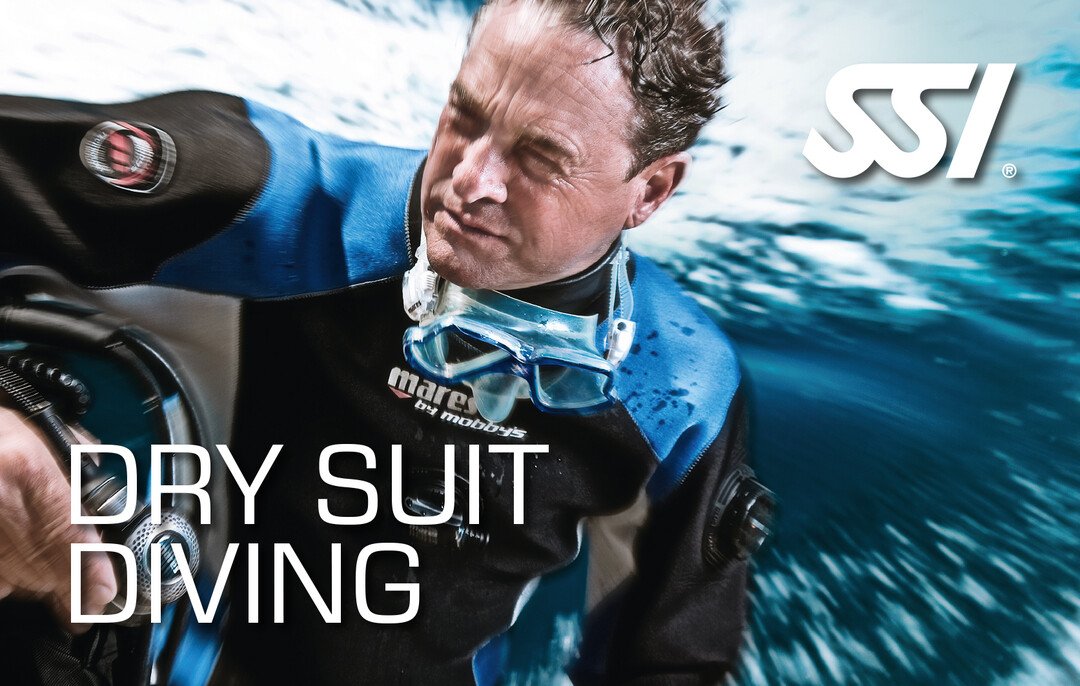
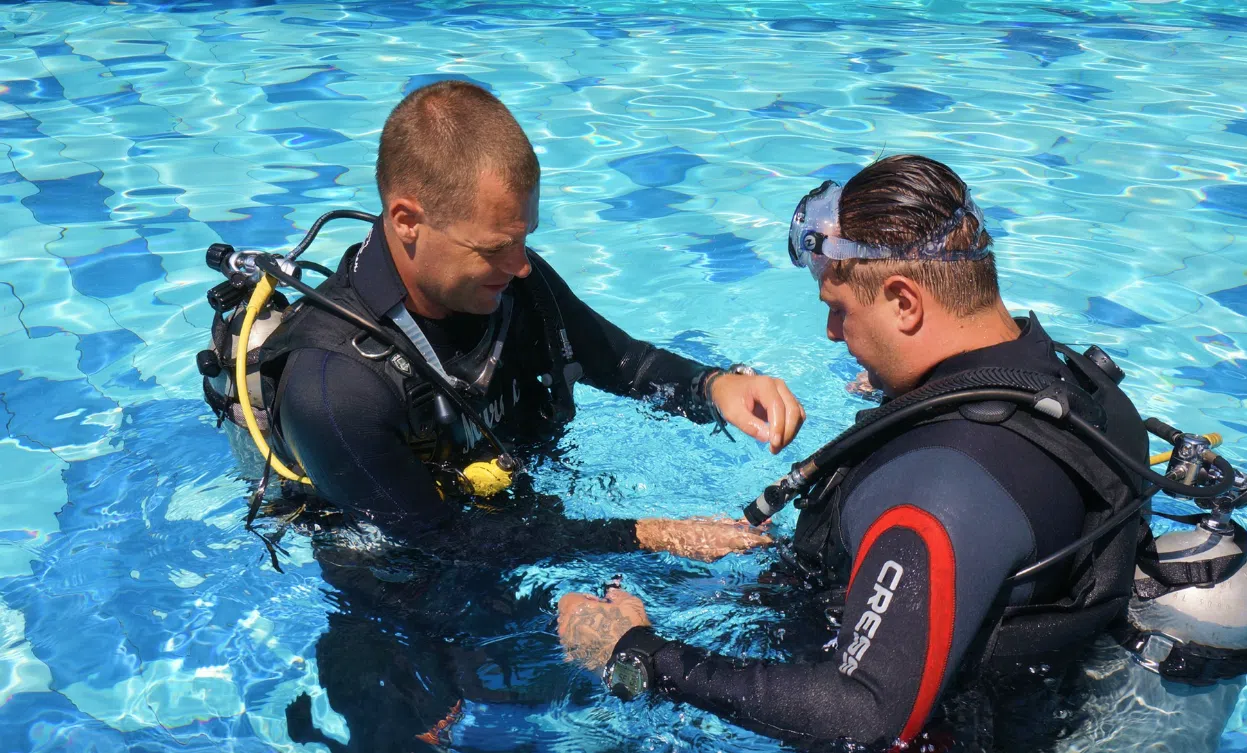
Explore cold waters with ease! Join our Drysuit Training course in East England for expert guidance on drysuit use, safety, and maintenance
From £ 250

Advance your diving skills with Scott's sequential CCR courses in East England. Explore deeper with air and mixed gas rebreathers
From £ 850

Join our PSAI Divemaster & Assistant Instructor Program for professional diving leadership and expertise in East England and Midlands
From £ 700
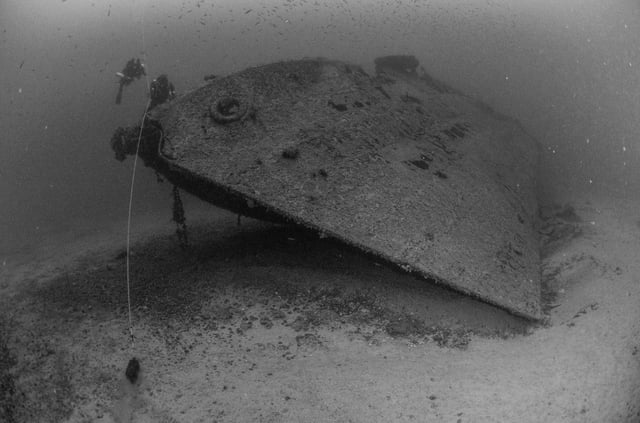
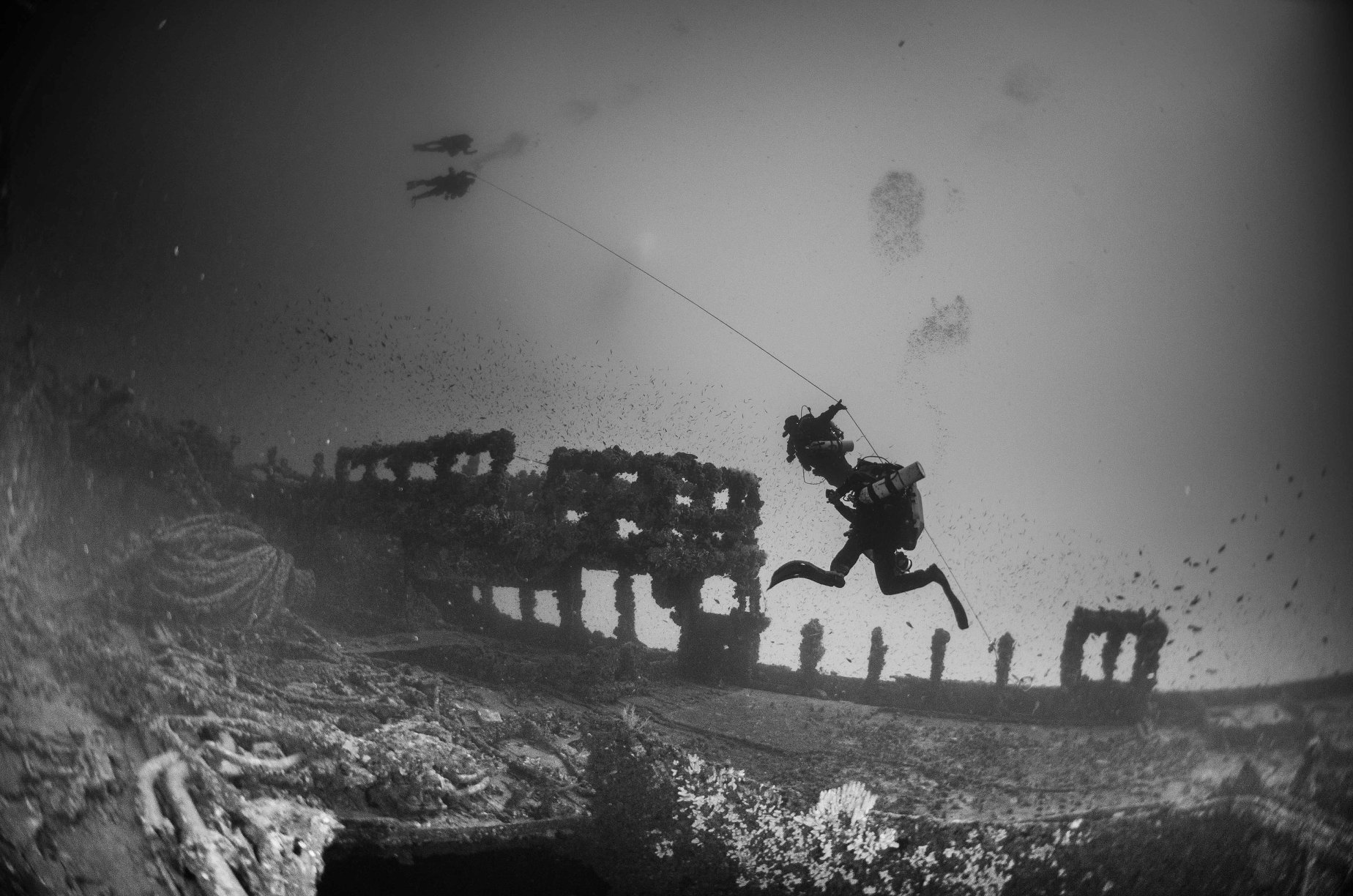
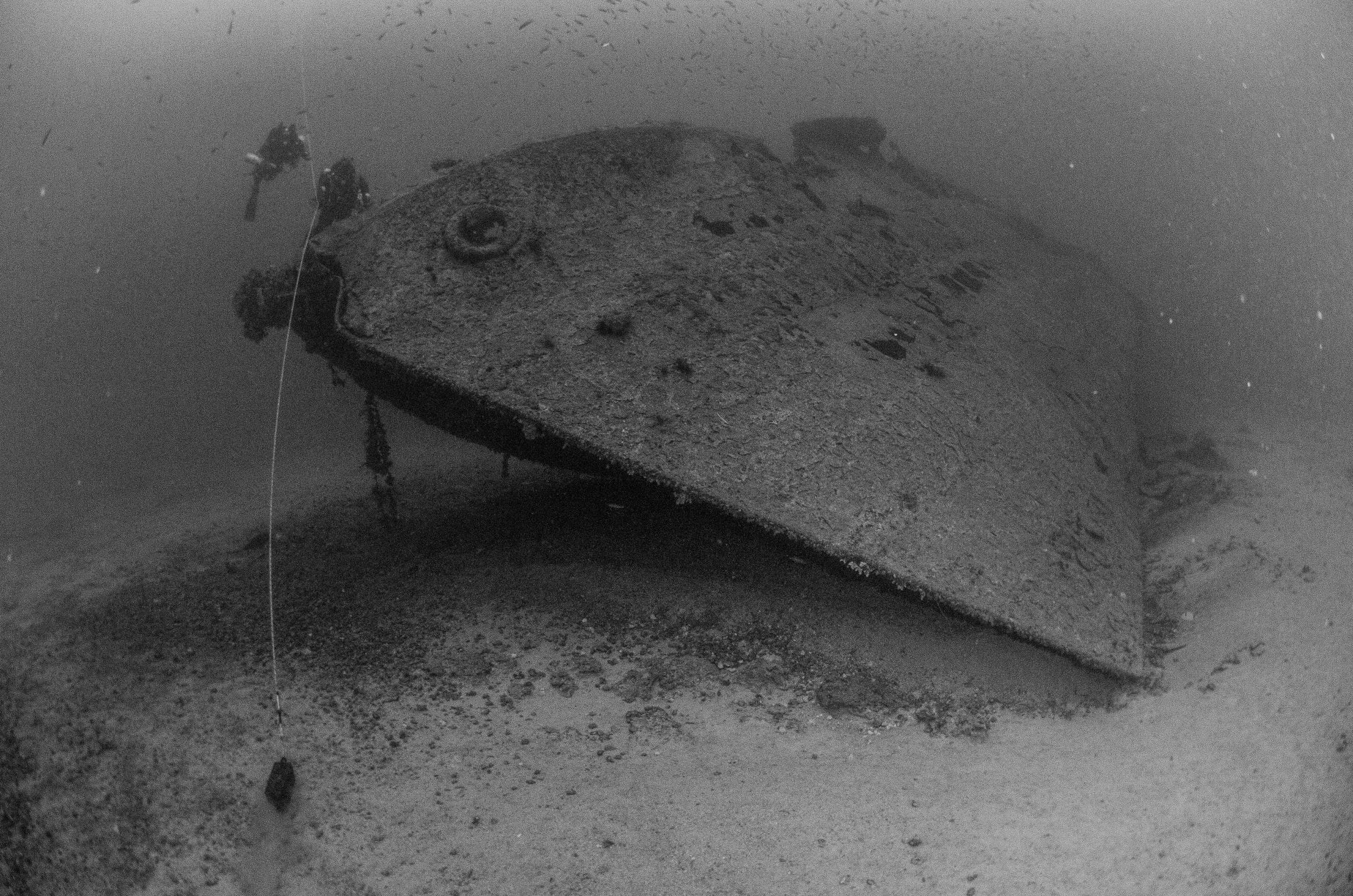
Comprehensive training is designed for divers passionate about exploring the intricate interiors of underwater wrecks, offered through both PSAI and BSAC
From £ 400

Master ADP course in East England for efficient nitrox decompression, enhancing diving depth and safety. Ideal for advanced divers.
From £ 350

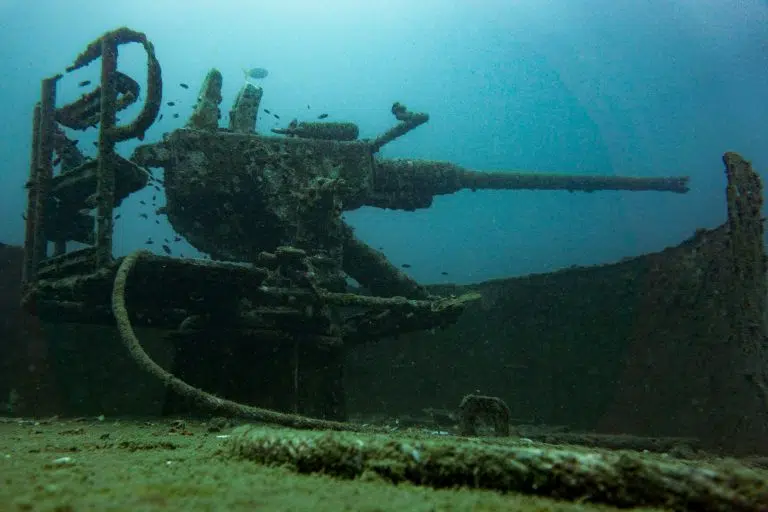
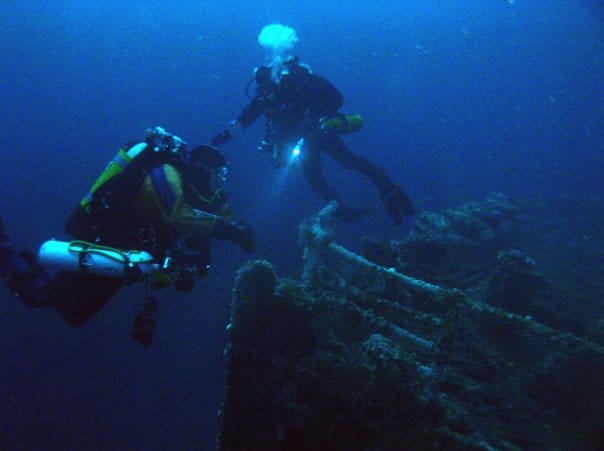
Dive into history with our Wreck Diver courses in East England! Learn safe wreck exploration techniques and discover underwater mysteries
From £ 300

This PSAI course offer divers like you an exciting opportunity to master the use of a Diver Propulsion Vehicle (DPV) in open water
From £ 275

Advance your dive career with PSAI IQC – expert training, small classes, diverse environments, and a path to becoming a skilled instructor. PSAI have been teaching Technical diving since 1962.
From £ 750

Advance your diving skills with PSAI courses in Nitrox and Trimix, led by expert Scott
From £ 250