
Ready to find a course or session?
Emergency First Response teaches Primary Care (CPR) and Secondary Care (first aid) for life-threatening and non-life-threatening emergencies. It is a dry course: no diving, no pool, no kit. You practise on manikins and with classmates until the steps feel familiar rather than panicked.
Divers often take EFR because it satisfies the CPR and first aid prerequisite for Rescue Diver, Divemaster and instructor training when completed within the past 24 months. Non-divers book it too for the same skills on land, at work or at home.
Most centres run it in one full day, sometimes split across two shorter sessions. Training follows internationally recognised emergency care guidelines. You leave with a card that shows you have practised the skills, not just watched a video.
EFR is skills-based. There is no traditional pass-fail written exam.
Quick answers about this qualification. For anything else, use live chat or browse bookable activities below.
Find activitiesEFR Primary and Secondary Care is a first aid and CPR course from PADI's emergency care division. You learn to assess an incident, perform CPR for life-threatening emergencies and deliver first aid for serious but non-fatal injuries.
It is widely taken by divers preparing for Rescue training, but you do not need to dive at all to benefit from it.
No. The course assumes you are starting from everyday knowledge, not clinical training. Your instructor demonstrates each skill step by step before you practise.
Leave a comment when you book if you have taken first aid years ago and want a full refresher rather than a quick update.
No. EFR is entirely land-based. There is no pool session and no scuba kit.
That makes it easy to pair with a dive trip: do EFR on a travel day, then start Rescue or fun dives when you are ready.
Typically one full day with a qualified EFR Instructor. Some centres split it across two shorter sessions or use eLearning to reduce classroom time.
Allow a full day in your diary even if the centre quotes shorter hours. Skill practice should not be rushed.
There is no formal written exam with a pass mark. You complete knowledge development and demonstrate skills in practice sessions and scenarios.
Your instructor certifies you when you can perform the required Primary and Secondary Care skills confidently.
Rescue Diver, Divemaster and PADI Instructor training require current CPR and first aid within the past 24 months. EFR Primary and Secondary Care is the usual PADI route.
Even if you are not chasing Rescue yet, the skills matter on boats, beaches and dive sites where help may be minutes away.
For PADI diving prerequisites, EFR Primary and Secondary Care must be within the past 24 months when you certify as Rescue Diver, Divemaster or Instructor.
Refresher courses keep your skills current. Do not let the card expire quietly if Rescue is on your plan.
Knowledge development may be available through eLearning or independent study, depending on your centre. CPR and first aid skills must still be practised and assessed in person with an instructor.
There is no fully online-only EFR certification that replaces hands-on manikin practice.
That is common. Kneeling on the floor and practising on manikins feels odd at first. Instructors expect it and pace the group accordingly.
Tell your instructor privately if you have physical limitations or anxiety about certain scenarios. Adaptations and extra rounds are normal.
EFR follows internationally recognised emergency care guidelines, but it may not satisfy every employer or country's legal workplace first aid standard.
If you need certification for a specific job, check with your employer or local authority before you book. Leave a comment when you book if you are unsure.
adventuro lists dive centres and training providers running EFR across the UK and abroad. Many bundle it with Rescue Diver weeks.
Book EFR before Rescue if your first aid is out of date. Rescue certification cannot be issued without valid CPR and first aid.
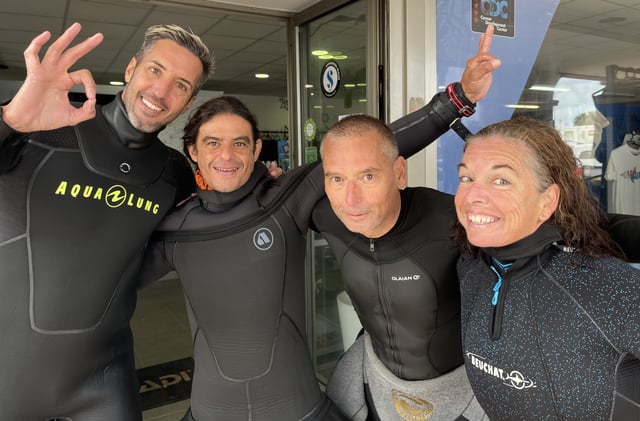
Gain CPR, first aid and AED skills with the PADI Emergency First Response course in Cabo de Palos. From €125 per person.
From € 125
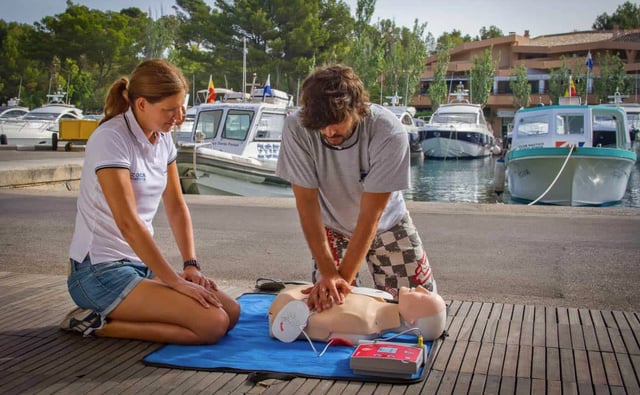
Learn essential CPR and first aid skills with an Emergency First Response course in Mallorca. Includes training materials and certification. €205 pp.
From € 205
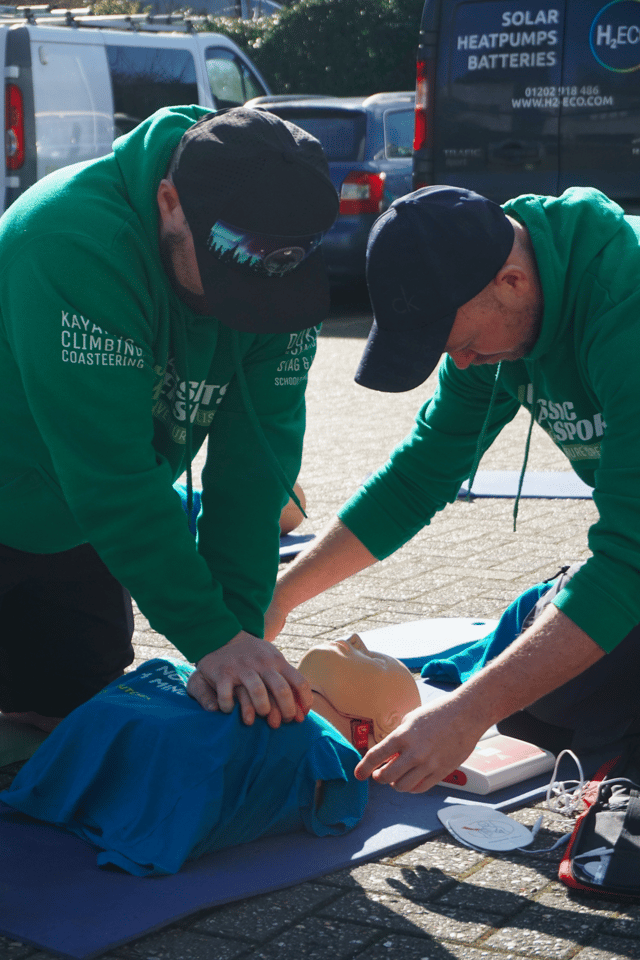
The Emergency First Aid at Work course is a one day first aid qualification that covers a range of CPR and emergency first aid skills
From £ 99