Certifications12 Oct 2023-7 min read
What PADI Course Should You Do? And Other FAQs Answered
Confused about where to start your scuba journey or what the next step after open water is? We answer all your questions here.

Ready to find a course or session?
Guides and stories related to this certification.
Open Water Diver is the entry-level scuba certification. PADI and SSI both run it, and millions of people start here. You learn to breathe underwater on purpose, handle the kit without panicking, and dive with a buddy to 18 metres in conditions similar to your training.
No prior diving experience is needed. You do need basic water comfort: a short swim and a float, which your centre checks before you get serious in the water. Theory comes first (often online), then shallow pool or confined sessions where you repeat skills until they feel boring. That is the point. Four open water dives follow, usually over two days, and the certification is yours for life.
PADI and SSI follow the same broad ISO recreational standard, so either card works worldwide. The difference is mostly packaging. PADI eLearning is the familiar route. SSI digital training is flexible, and some centres let you sample an open water dive early. Compare courses on adventuro and pick a centre that suits your diary, holiday plans, or local quarry habit.
Both PADI and SSI use performance-based assessment. You earn certification by demonstrating skills, not by simply attending sessions.
Quick answers about this qualification. For anything else, use live chat or browse bookable activities below.
Find activitiesBoth certify you to dive with a buddy to 18 metres in conditions similar to your training, and both align with ISO recreational diver training standards. The syllabus is largely the same: theory, confined water skills, four open water dives.
PADI is the larger agency globally. Its eLearning is well known, and referral lets you finish open water dives at a different centre on holiday. SSI leans on digital training through MySSI, and its standards allow a taster open water dive before all theory is complete. Some people prefer SSI's app-led flow; others like PADI's shop network. Either card is accepted at reputable centres worldwide. Pick the instructor and schedule, not just the logo.
You do not need to be fast. You do need to be comfortable in water.
PADI asks for a 200 metre swim or 300 metres in mask, fins and snorkel, plus 10 minutes floating or treading water. No time limit, any stroke. SSI uses its Student Water Fitness Evaluation before open water dives, which covers similar ground. This is not about athleticism. It is about proving you can handle yourself if something goes wrong at the surface. Your centre runs the check early so you know where you stand.
18 metres (60 feet) with a certified buddy, in environments equivalent to your training. That is the recreational entry-level limit for both agencies once you have passed all four open water dives.
During training, depths build gradually. SSI caps dives 1 and 2 at 12 metres. PADI typically keeps early dives shallower before dives 3 and 4 reach 18 metres. Junior divers aged 10 to 11 are limited to 12 metres with supervision. Ages 12 to 14 may train to 18 metres but dive with a certified adult or professional until they upgrade at 15.
Three to four days is typical if you run it back to back: theory (often done at home first), confined water sessions, then four open water dives over at least two days.
Weekend warriors and holidaymakers spread it over longer. PADI eLearning and SSI digital training let you front-load theory so pool and sea days are mostly diving. Weather, travel and your own pace can add time. Mask clearing in particular has ruined many a tidy schedule. Instructors would rather you repeat a skill than rush it.
Yes, when taught by a qualified instructor to agency standards. You start in shallow, controlled water. Skills are introduced step by step and repeated until they are automatic. Emergency procedures are drilled before you need them.
You complete a medical questionnaire before getting wet. Be honest on the form. Some conditions need a doctor's sign-off, and that is there to protect you, not to catch you out. Everyone in the water was a nervous beginner once, including your instructor.
It varies by centre. Instruction, certification fees and course materials are usually in the bundle. Equipment hire is often included for training dives but not always.
PADI eLearning or SSI digital training may be a separate purchase or bundled in. Transport to dive sites, logbooks and personal kit (mask, snorkel, fins) are common extras. Adventuro listings spell out what each centre includes. Ask before you pay if anything is unclear.
Very common. Warm water, good visibility and a week off work is a fine way to learn.
PADI's referral route lets you do theory and pool at home, then finish the four open water dives abroad with another PADI centre. SSI centres abroad can pick up your digital training record through MySSI. Allow slack in the schedule for weather and skill repeats. Do not book your flight home the morning after your last scheduled dive.
Yes on theory. PADI uses knowledge reviews, quizzes and a final exam or eLearning Quick Review with your instructor. SSI requires section assessments throughout the academics plus an Open Water Diver final exam.
The in-water side is practical assessment, not a written test. You demonstrate skills in confined water, then repeat the important ones in open water. Fail is the wrong word. You practice until you meet the standard. That can mean extra pool time, and that is normal.
Mask clearing trips up almost everyone at least once. Buoyancy takes a few dives to click. Instructors expect it and build time for repeats.
Extra confined water sessions are available at most centres if you need them. There is no shame in asking for another go in the pool before heading to open water. The goal is competence, not keeping to a timetable. You will get there.
Training centres usually provide the heavy kit: cylinder, regulator, BCD and weights for course dives. Many include a full hire package.
A mask that fits your face, snorkel and fins are worth owning early. Ill-fitting rental masks cause more misery than any skill drill. Exposure protection (wetsuit or drysuit) depends on water temperature. Your centre advises on what they provide and what to buy. Logbook and dive computer may come later. For the course, your instructor lists the essentials.
Divers aged 10 to 14 earn a junior card with depth and supervision limits. At 15 you can upgrade to a full Open Water Diver certification without retaking the whole course.
Ages 10 to 11: maximum 12 metres, with a parent, guardian, dive professional or certified adult (agency rules differ slightly on who must be in the water). Ages 12 to 14: may dive to 18 metres with appropriate supervision. Junior programmes follow the same training structure as adults, with smaller groups and extra attention where needed.
Yes. PADI Open Water Diver eLearning and SSI digital training both let you study at home before the wet sessions. You work through videos, knowledge reviews and quizzes at your own pace, then meet your instructor for the in-water phases.
Starting online saves holiday days for actual diving. Your centre links your digital record when you enrol. Bring your eLearning completion record or MySSI login to your first pool session.

Start your scuba journey with the PADI Open Water Referral. Train in our heated pool, complete theory online, and get halfway to full certification. Book now!
From £ 329
Get PADI Open Water certified & dive up to 18m worldwide. Learn in our heated pool & complete open water dives at top UK dive sites. Start your journey!
From £ 295

Learn scuba diving with our PADI Open Water Course at Mercers Lake. Clear waters, abundant fish, small groups, and expert instructors, ages 10+.
From £ 275
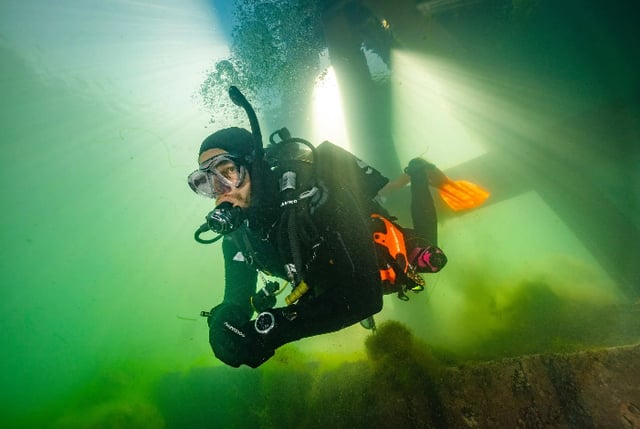
Begin your scuba journey at Littlehampton Marina from £600pp. Complete Part A pool training and Part B open water dives to gain PADI Open Water certification.
From £ 600

Dive into the PADI Confined Open Water Course with us! Learn scuba fundamentals, get hands-on pool training, and get qualified to dive anywhere in the world
From £ 350

Get your PADI Open Water Referral with expert instruction in North London!
From £ 443

Learn to dive in Punta Tegge, La Maddalena. 5-day course with 5 dives, all equipment included. €460pp. Group size: 2-20.
From € 460
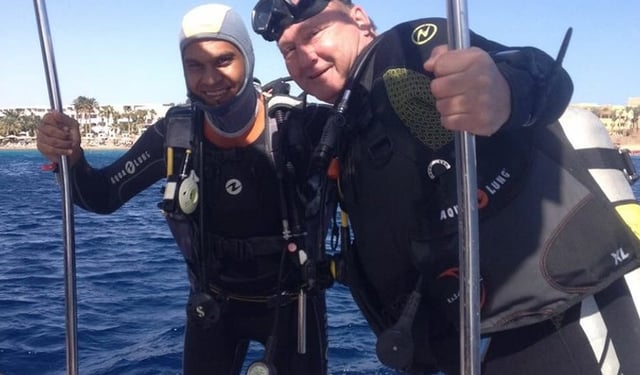
Earn your first scuba certification in a 3-day PADI course with private instruction, boat dives, equipment and meals included. From $543pp.
From $ 543
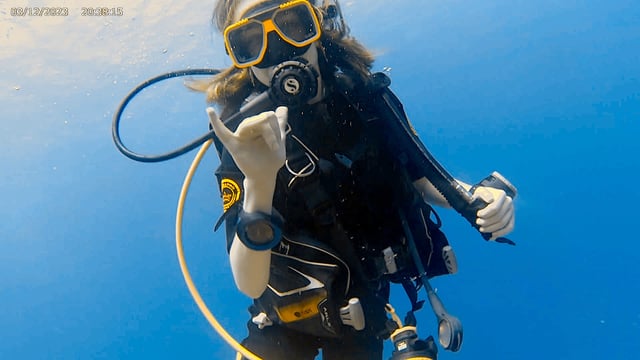
Earn your PADI Open Water certification on Bonaire over three days with e-learning theory, confined water skills and four open water dives. From $550.
From $ 550
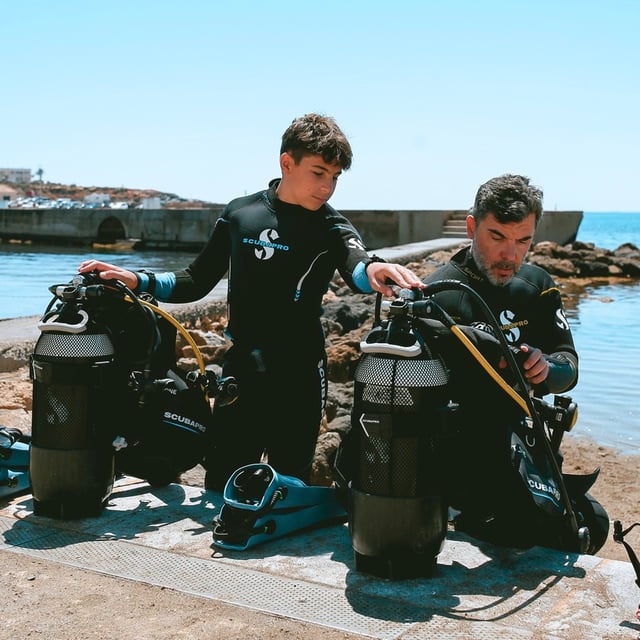
Earn your first scuba certification on the Cabo de Palos coast with a structured 3-day PADI Open Water course. Six open water dives, eLearning theory and full kit included. From €530 per person.
From € 530
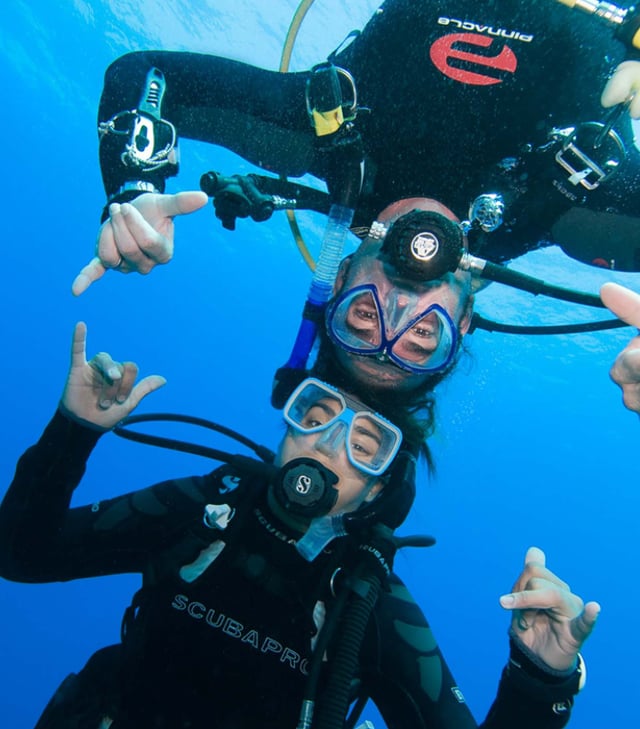
Start as a complete beginner, and achieve professional PADI Divemaster status with comprehensive training in London and surrounding areas; suitable for ages 18+, flexible duration. From £1,775.
From £ 1775
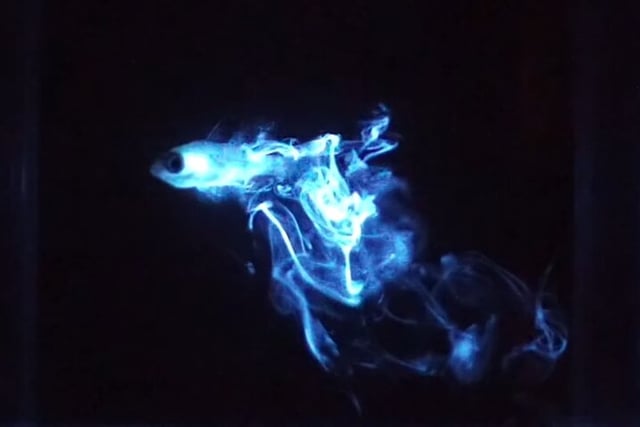
Witness bioluminescent ostracods and glowing marine life on a certified night dive led by a specialist guide. Bonaire's bucket-list after-dark experience. from $81.08.
From $ 81
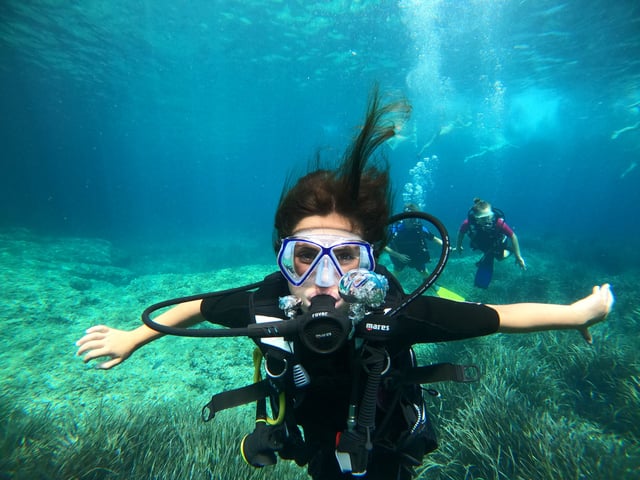
Earn your PADI Open Water Diver certification in Mallorca with theory, confined & open water dives. Dive up to 18m worldwide. Price €415.
From € 420
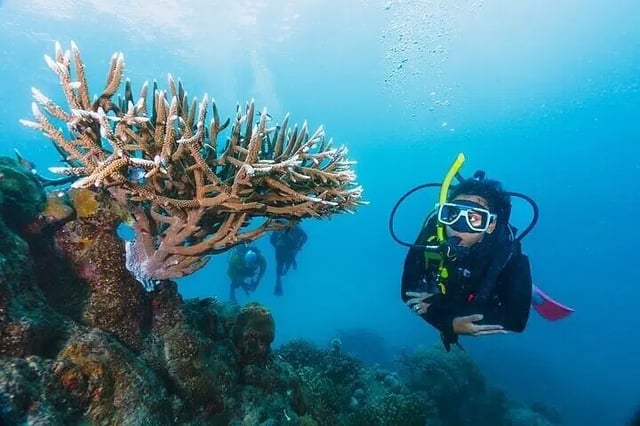
3-day PADI course training in Hurghada with hotel pickup and return, led by local guides on the Red Sea coast. From $240.00.
From $ 240
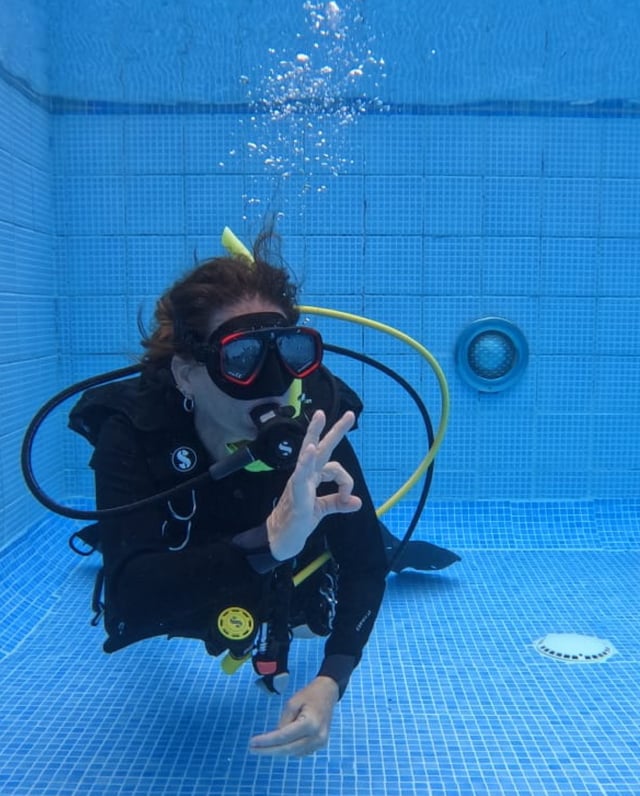
Earn your PADI Open Water certification in Cabo de Palos over three days with six training dives, eLearning theory and full kit included. From €499 per person.
From € 499

Bespoke Open Water diver training in small groups using modern equipment and techniques. Personalised instruction with extended contact time from £650.
From £ 650
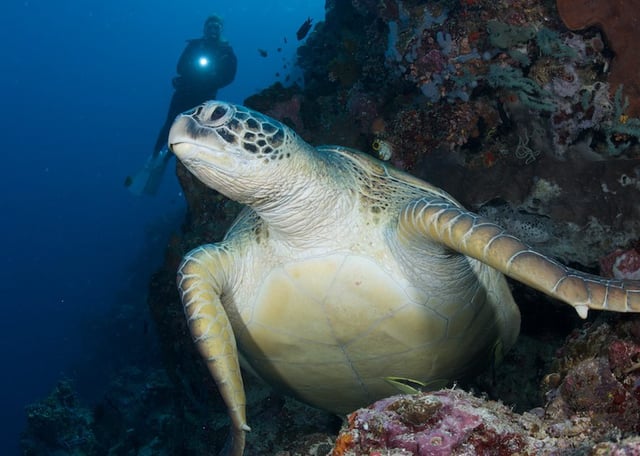
Learn to dive in North Sulawesi with this 4-day PADI Open Water course. Includes 4 ocean dives, full kit hire & logbook. From USD $546pp with e-Learning.
From $ 546
Advance your scuba skills with five open water dives, reaching depths up to 30 metres, from £445pp.
From £ 445
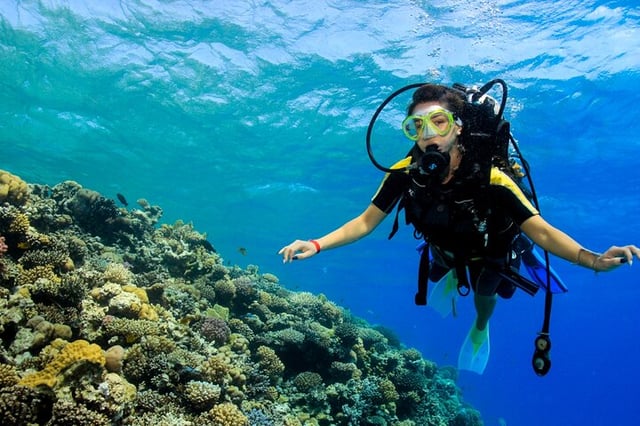
3-day PADI course training in Marsa Alam with hotel pickup and return, led by local guides on the Red Sea coast. From $460.00.
From $ 470
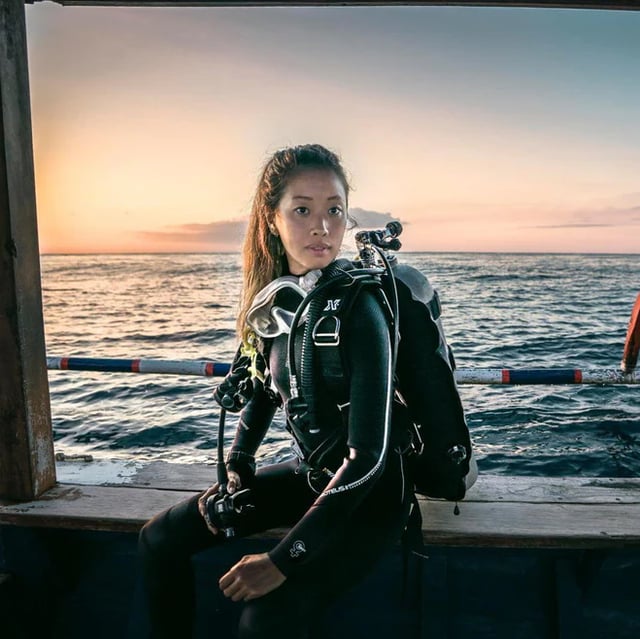
From beginner to professional diver at Littlehampton Marina, complete all PADI levels including Divemaster with full guidance from £1,163.75pp.
From £ 1164