
Ready to find a course or session?
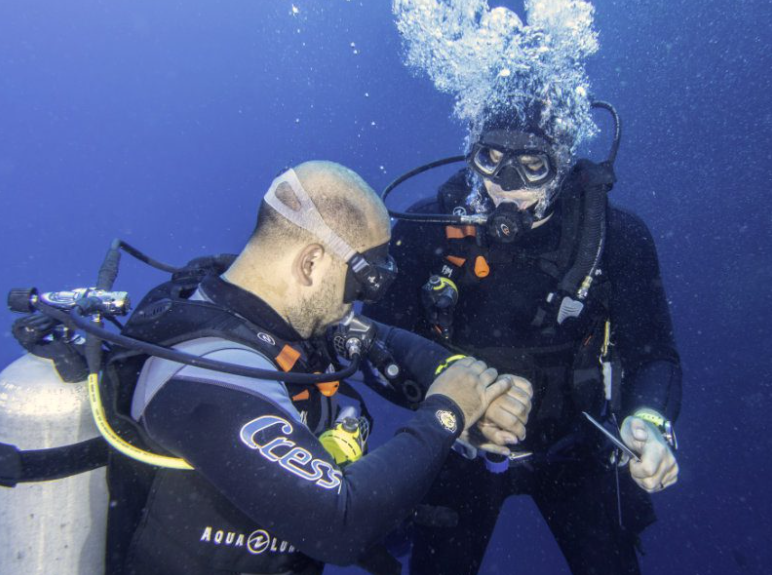
Deep Diver is the PADI specialty for certified divers who want to go beyond Open Water depth limits with a structured plan. Recreational deep limit is 40 metres. This course teaches you to approach that range safely: gas management, narcosis awareness, buddy contact at depth and buoyancy control when the water gets darker and colder.
You complete four open water training dives with your instructor, usually across two to three days, after eLearning at home. It is not technical diving. You stay within no-decompression recreational limits, but the margin for sloppy planning shrinks as you go deeper.
Many students take Deep Diver after Advanced Open Water, especially if the deep Adventure Dive left them wanting more practice. Wrecks, walls and certain marine life sit below 18 metres. This course is how you earn the habits to visit them without guessing.
Narcosis feels subtle until it does not. A diver who jokes too much at 35 metres is not having fun; they are showing a sign. That is normal training conversation, not instructor nagging.
Deep Diver is assessed through four instructor-supervised open water training dives and knowledge development.
Quick answers about this qualification. For anything else, use live chat or browse bookable activities below.
Find activitiesIt is a PADI specialty course of four open water training dives focused on safe recreational deep diving to 40 metres. You study planning, gas management, narcosis and buddy procedures, then apply them under instructor supervision.
It is the structured path to deep recreational sites, not a licence to ignore limits or skip safety stops.
PADI requires Adventure Diver or qualifying certification. In practice most students hold Advanced Open Water Diver, which includes a deep Adventure Dive.
Leave a comment when you book if your prerequisite card is from another agency so the centre can verify equivalence.
PADI Deep Diver training builds toward recreational deep limits, with a maximum trained depth of 40 metres. Your instructor progresses gradually across the four dives as skills and conditions allow.
Actual depth on each dive depends on site, weather and group readiness. You are not forced to 40 metres on day one.
eLearning is typically two to four hours. The four training dives usually run over two to three days.
Some centres compress into a long weekend; others split across two weekends if boat access is limited.
It is the reversible effect of nitrogen at depth that can slow judgement and make simple tasks feel harder. It varies by person and day.
The course teaches you to notice early signs in yourself and your buddy and to ascend or abort when thinking clearly matters more than reaching a target depth.
There is no large separate exam. You complete eLearning knowledge reviews and your instructor discusses deep diving theory in briefings.
Assessment is primarily how you plan and execute the four training dives: gas management, awareness and control at depth.
Fifteen years old for PADI Deep Diver. This is higher than many entry-level courses because depth demands mature judgement.
Junior divers below 15 should complete other training first and revisit deep specialty courses when they qualify by age.
A dive computer is strongly recommended for deep recreational diving. Your centre may require one for the course.
Torch, redundant air source and surface marker buoy are common recommendations depending on site. Check the listing or leave a comment when you book.
That is reasonable. The course is progressive: shallower training dives first, depth added as you and your instructor agree you are ready.
Leave a comment when you book if you want patient instruction or if a previous deep dive felt uncomfortable. Good centres will not push you past your limit.
Advanced Open Water includes one deep Adventure Dive as an introduction. Deep Diver is a full specialty of four dives dedicated to deep planning, narcosis and gas management.
If the Adventure Dive left you wanting more practice before visiting deep wrecks regularly, this specialty is the next step.
adventuro lists PADI centres running Deep Diver where site depth allows real training below 18 metres. Compare boat fees, eLearning inclusion and minimum logged dive policies.
UK quarries and coastal walls both work if the centre has appropriate depth and instructor availability.
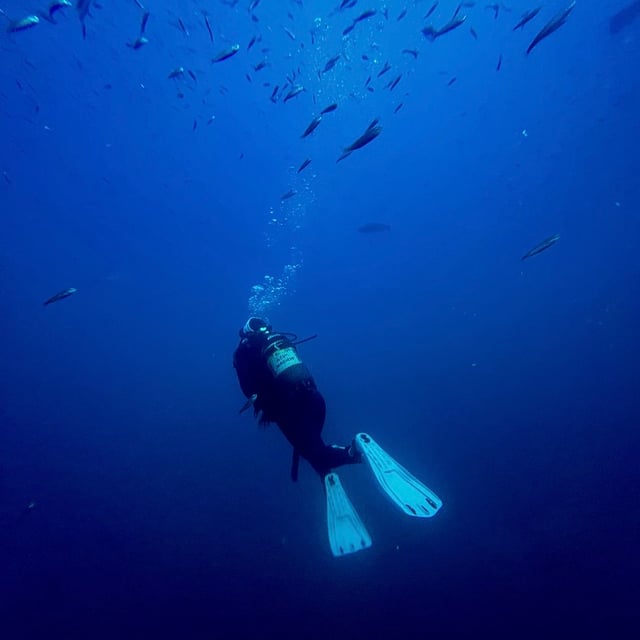
Train to explore depths to 40 metres with the PADI Deep Diver specialty around Cabo de Palos. Learn gas management, narcosis awareness and buddy procedures. From €375 per person.
From € 375
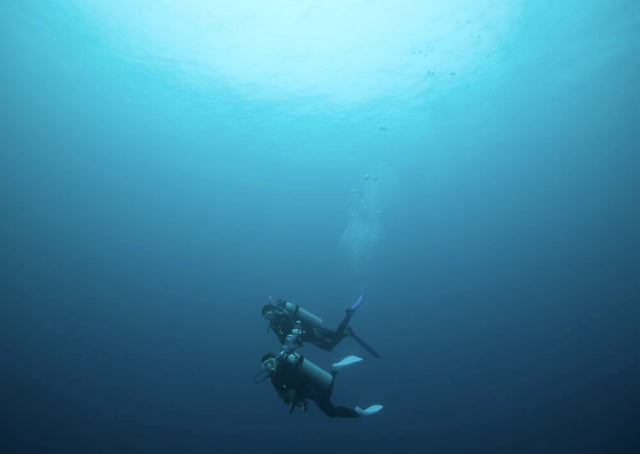
Gain the skills to dive safely to 40m with the PADI Deep Diver Specialty. Train with expert instructors at Vobster Quay. Book your course today!
From £ 235

Add PADI specialty certifications such as Nitrox, Deep, Wreck or Night Diver with local training dives in Cabo de Palos. From €95 per specialty.
From € 95
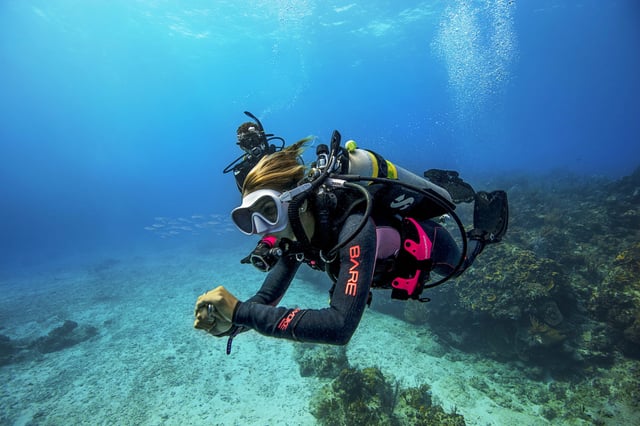
Learn safe deep-dive techniques and explore depths up to 40m with structured training across Dubai and Fujairah. Advanced skills and planning. From 1,150 AED.
From Dhs 1150
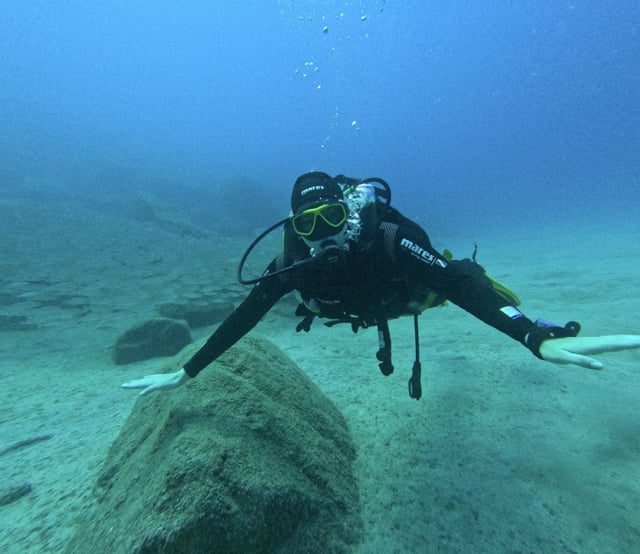
Earn your PADI Deep Diver certification in Tenerife with four ocean dives, eLearning and professional instruction. Qualify to dive to 40 metres.
From € 345
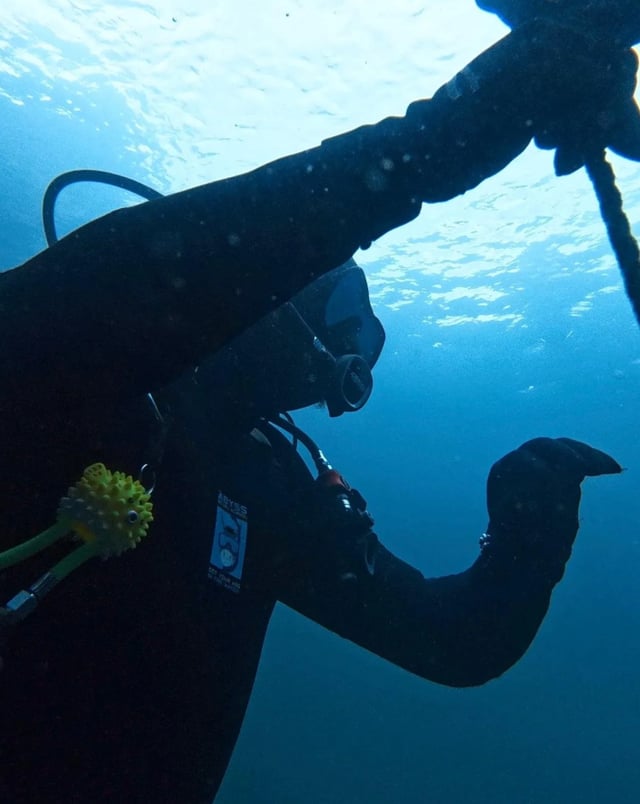
Advance your diving skills with PADI Deep Diver. Four open water dives, expert guidance, and practical training in Littlehampton’s exciting coastal dive sites.
From £ 350
Take your scuba skills to 40m depth with expert guidance, open water dives only. Course from £345, including full instructor support.
From £ 345

Explore deep diving with confidence with our PADI Deep Diver Course!
From £ 440
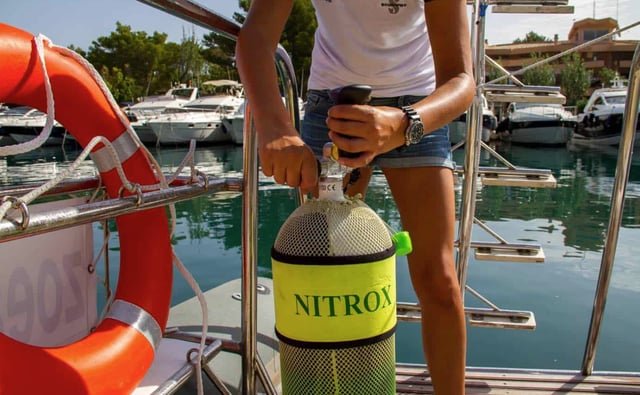
Expand your diving skills in Mallorca with a choice of PADI speciality courses, including Nitrox, Deep Diver, Dry Suit, Self-Reliant Diver and Tec 40 training.
From € 205
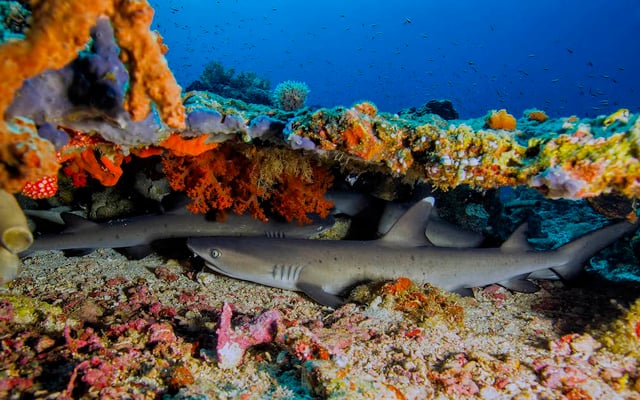
PADI Deep Diver Specialty in North Sulawesi with 4 dives over 2 days. Build skills for safe deep diving beyond 18m. From $356pp.
From $ 356

Explore deep diving at Punta Tegge, La Maddalena. 4 dives over 2 days, €450pp. Age 15+, all equipment included. Safe, professional guidance throughout.
From € 450

Extend your diving to 40m with our 2-day PADI course at Vobster Quay. Suitable for ages 15+, Adventure Diver certification required. £345. Equipment included.
From £ 345