
Ready to find a course or session?
Rescue Diver is where many recreational divers say the sport finally clicked. You stop thinking only about your own kit and start noticing when a buddy is tired, stressed or in trouble. PADI trains you to prevent problems where you can, and to manage them calmly when you cannot.
You are not training to be a coastguard or a paramedic. You are learning to be the diver others want in the water with them: someone who can tow a tired buddy, handle a panicked diver at the surface, and work through a realistic rescue scenario without making things worse.
Most centres run eLearning first (typically eight to twelve hours at home), then two to four days of confined-water drills and open water scenarios. The days are long and wet. That is normal. Rescue skills feel awkward until you have run them enough times that your hands know what to do.
Rescue Diver is assessed in the water, not in a classroom exam. Your instructor watches you work through skills and scenarios until you meet the PADI performance requirements.
Quick answers about this qualification. For anything else, use live chat or browse bookable activities below.
Find activitiesIt is the recreational diving course that teaches you to prevent and manage dive emergencies, and to help other divers in trouble. You build on the skills from Advanced Open Water with a strong focus on safety, awareness and practical rescue techniques.
Many divers describe it as the course that made them feel like a proper buddy, not just someone with a plastic card.
For full certification you need PADI Advanced Open Water Diver (or Adventure Diver with the Underwater Navigation dive), plus current CPR and first aid within the past 24 months. Emergency First Response is the usual choice.
If you only have Open Water Diver, you can start the theory and pool work, but you will need to complete Advanced Open Water and first aid before your instructor can certify you. Leave a comment when you book with your certification cards if you trained abroad or with another agency.
eLearning is typically eight to twelve hours at home. In-water training usually runs over four to seven days depending on the centre, though intensive holiday courses may finish faster if the group is ready.
Rescue days are longer than Open Water pool sessions. Bring food, water and warm layers for long surface intervals.
There is no separate written exam like a school test. You complete PADI eLearning knowledge reviews and your instructor discusses any weak areas with you.
The real assessment is practical: demonstrating rescue skills and scenarios in confined and open water until your instructor is satisfied you can perform them reliably.
It is more demanding than Advanced Open Water. Expect long days, repeated drills and scenarios that feel stressful on purpose. That stress is controlled training, not real emergencies.
Physically you need reasonable fitness for towing and lifting in the water. Mentally you need patience: the skills click for most people on day two or three, not the first time through.
Yes for certification. CPR and first aid training must be current within 24 months when you qualify. If your certificate has expired, book Emergency First Response before or alongside Rescue Diver.
Some centres bundle EFR and Rescue in one trip. Check the listing or leave a comment when you book if you are unsure what you need.
Your usual dive kit if you have one, plus a towel and warm clothes for long days. Centres usually provide cylinders and regulators for training dives.
Bring a notebook for debriefs if you like writing things down. A fit-you mask matters more on Rescue than on fun dives because you will be in and out of the water constantly.
That is common. The scenarios are designed to feel real, but your instructor controls the risk. You practise each piece separately before anything is combined.
Leave a comment when you book if you want a centre known for patient coaching, or if you have had a bad experience in the water before. A good instructor will pace the group without singling anyone out.
You are better equipped to dive with less experienced buddies and to step up on club or liveaboard trips when someone needs help. Rescue Diver is also required before Divemaster and counts toward Master Scuba Diver if you complete the other ratings.
Many students go straight into specialties such as Deep Diver or Enriched Air, or simply dive more often with renewed confidence.
Twelve years old. Divers aged 12 to 14 earn Junior Rescue Diver and must dive within the junior depth and supervision limits until they upgrade at 15.
Centres may set a higher minimum for Rescue if they feel the scenarios are too demanding for younger divers. Ask when you book if you are booking for a teenager.
adventuro lists PADI dive centres running Rescue Diver on quarries, coasts and holiday destinations. Compare whether eLearning, boat fees and kit hire are included before you pay.
Training in UK water builds cold-water rescue habits early. Training abroad gives warmer, clearer scenario days. Both are valid if the centre teaches to PADI standards.

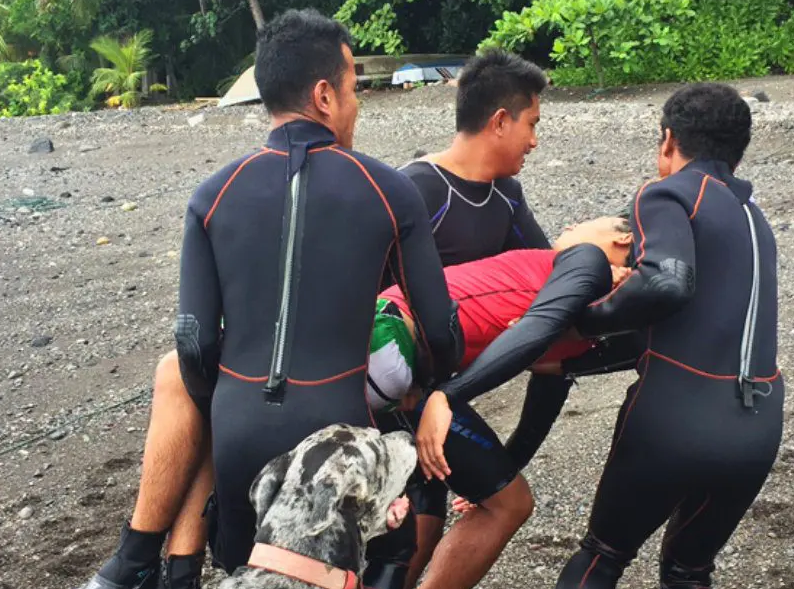
Master dive rescue skills with the PADI Rescue Diver course. Learn to prevent, manage & respond to emergencies while improving confidence & safety.
From £ 357
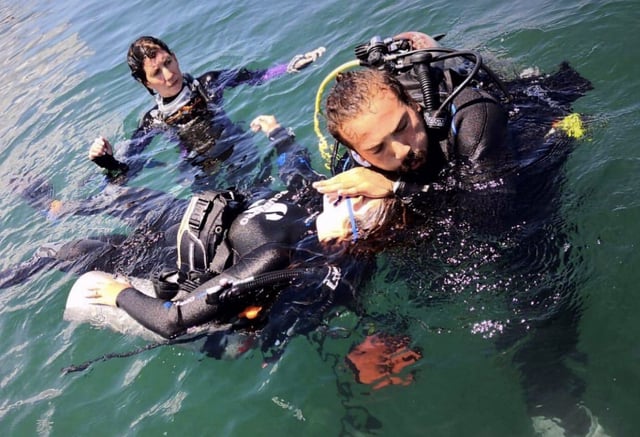
Learn to prevent and manage dive emergencies on the PADI Rescue Diver course in Cabo de Palos. From €375 per person.
From € 375
Start as a complete beginner, and achieve professional PADI Divemaster status with comprehensive training in London and surrounding areas; suitable for ages 18+, flexible duration. From £1,775.
From £ 1775
Develop rescue skills and emergency confidence with the PADI Rescue Diver course in Cabo de Palos. Theory, practical exercises and realistic scenarios over three days. From €575 per person.
From € 575
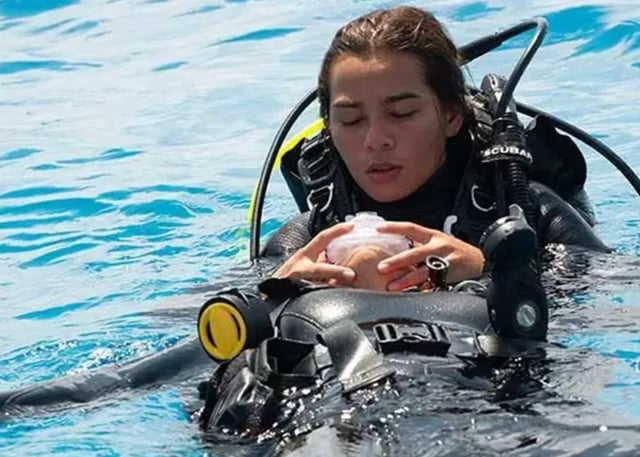
Build essential rescue and emergency-response skills with structured training and scenarios across Dubai and Fujairah. Includes 10 exercises.
From Dhs 1720
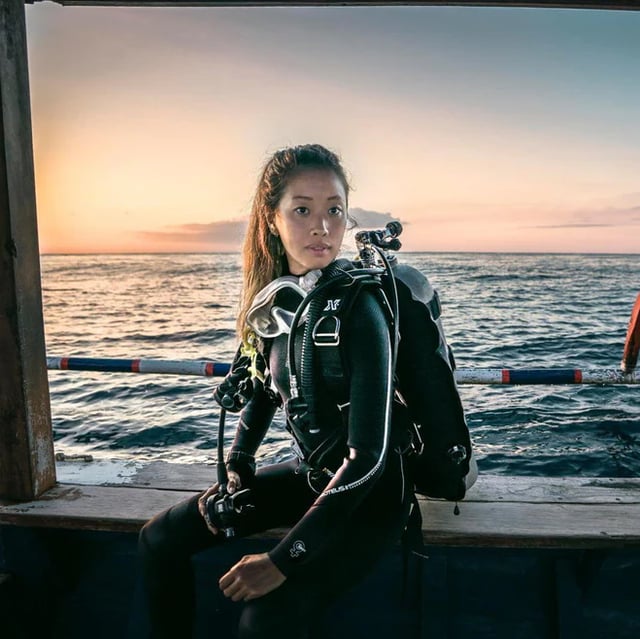
From beginner to professional diver at Littlehampton Marina, complete all PADI levels including Divemaster with full guidance from £1,163.75pp.
From £ 1164
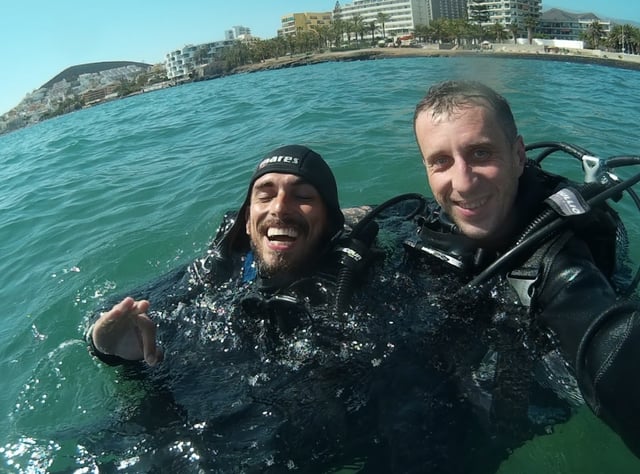
Develop advanced safety and rescue skills in Tenerife with the PADI Rescue Diver course. Includes eLearning, practical training and rescue scenarios.
From € 356
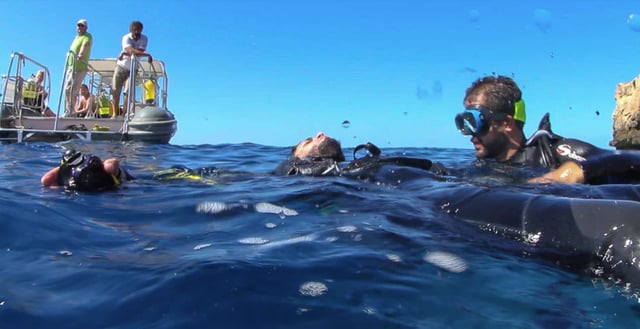
Develop advanced rescue skills and become a more confident diver with a PADI Rescue Diver course in Mallorca. Includes equipment, materials and certification. €580 pp.
From € 580
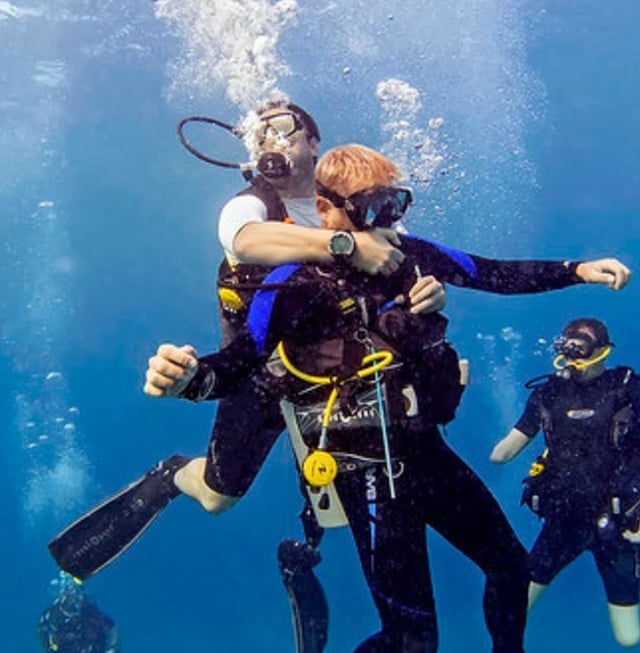
Build rescue skills from £425pp at Littlehampton Marina. Complete PADI Rescue Diver course with hands-on scenarios, pool & open water training.
From £ 425
Build essential rescue and safety skills with open water dives at top UK sites. Course from £550pp, including expert guidance and dive planning.
From £ 550
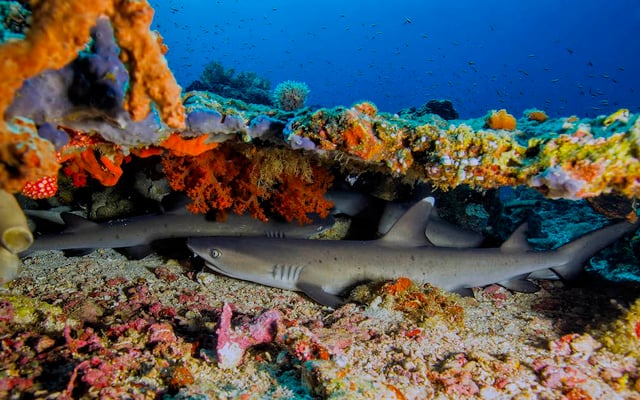
Advance your diving skills with the PADI Rescue Diver course in North Sulawesi, including pool and open water training. Price from USD 515.
From $ 515
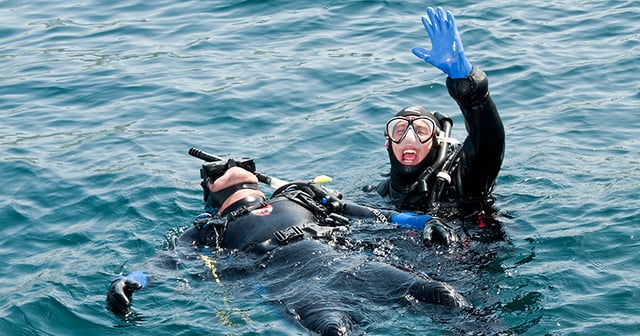
Build confidence and learn to manage dive emergencies with the PADI Rescue Diver course. Includes theory, water skills & rescue scenarios. Educational material and certification fees not included.
From € 440
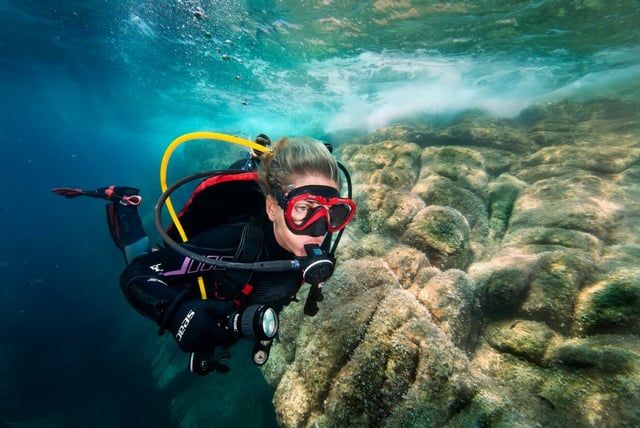
Learn essential rescue skills in 5 days with 4 dives at Punta Tegge, La Maddalena. €485 per person, 18+ age limit. All equipment included.
From € 485

Gain essential rescue skills with a comprehensive course for ages 12+, held at Mercers Lake, Redhill, starting from £395. Book now!
From £ 395
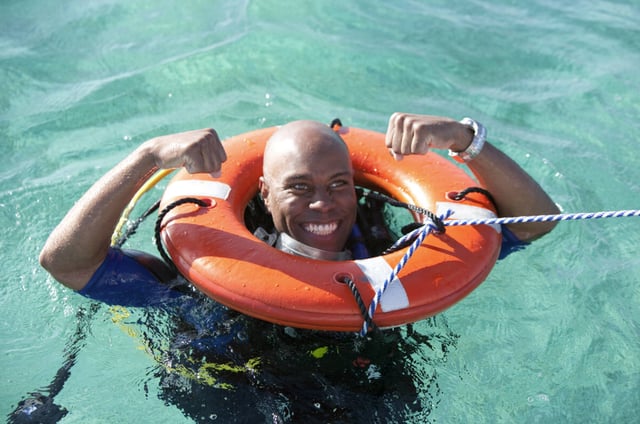
Become a confident diver with the PADI Rescue Diver course. Learn to manage emergencies, assist others, and build life-saving skills. Book your spot today!
From £ 359