
Ready to find a course or session?
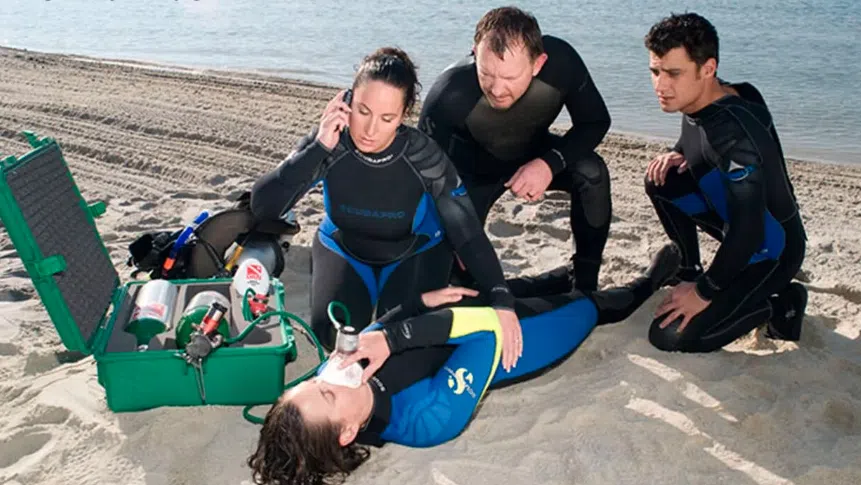
Emergency Oxygen Provider teaches you what to do when a diver surfaces feeling wrong and oxygen might help. You learn to recognise signs that warrant emergency oxygen, assemble a kit without panicking and deliver oxygen safely until professional medics arrive.
There is no diving in this course. Dive buddies, boat skippers, non-diving partners and shop staff take it alongside certified divers. The skills are dry-land and scenario-based, usually completed in a single half-day session.
It pairs naturally with Emergency First Response and sits on the path toward Rescue Diver for divers who want a fuller emergency toolkit. Knowing CPR is valuable; knowing where the O2 kit lives on the boat and how to turn it on without looking foolish is equally valuable.
Assessment is practical and scenario-based. There is no separate written exam.
Quick answers about this qualification. For anything else, use live chat or browse bookable activities below.
Find activitiesA non-diving specialty that teaches recognition of dive-related conditions that may need emergency oxygen and hands-on use of oxygen delivery equipment.
It is aimed at anyone who might be present during a dive emergency, not only certified divers.
No. Non-diving partners, boat crew and surface support staff are welcome. Certified divers often take it to round out their safety training.
Pair it with Emergency First Response if you have never done formal first aid.
Usually three to four hours in one session. Some centres run it as a morning or evening classroom block.
It fits easily before a weekend of diving or alongside a first aid refresher.
No written exam. You demonstrate kit assembly, safe handling and scenario responses until your instructor is satisfied you meet the performance requirements.
Memorising valve order matters less than calm, correct procedure under mild pressure.
Not always required to enrol, but CPR and first aid training makes the course far more useful. Oxygen supports medical care; it does not replace it.
Many centres bundle EFR and Oxygen Provider in one safety weekend.
Training uses real emergency oxygen equipment in most PADI centres, though scenarios may use simulated patients. Your instructor explains local rules for cylinder storage and transport.
Leave a comment when you book if you need to know which kit models the centre practises with.
It is not a formal Rescue prerequisite, but Rescue Diver candidates benefit from the same mindset: calm response and correct sequence when something goes wrong.
Dive professionals and serious recreational divers often hold both EFR and Oxygen Provider before Rescue Diver.
Notebook, comfortable clothes for classroom work and reading glasses if you need them for small print on cylinder labels.
No dive kit required. Centres provide training oxygen systems for the session.
Yes. Skippers and crew who understand oxygen kits can hand them to first responders correctly and avoid common assembly mistakes under stress.
Club officers often sponsor a group session before the summer boat season.
Act as a more useful buddy or surface support person on dive trips. Follow with Rescue Diver if you are a certified diver building a full safety skill set.
Some dive centres value Oxygen Provider on CVs for boat and shop roles.
adventuro lists PADI centres running Emergency Oxygen Provider as standalone sessions or safety bundles. Compare whether EFR refreshers and materials are included.
Leave a comment when you book if you want a group session for your dive club or liveaboard crew.
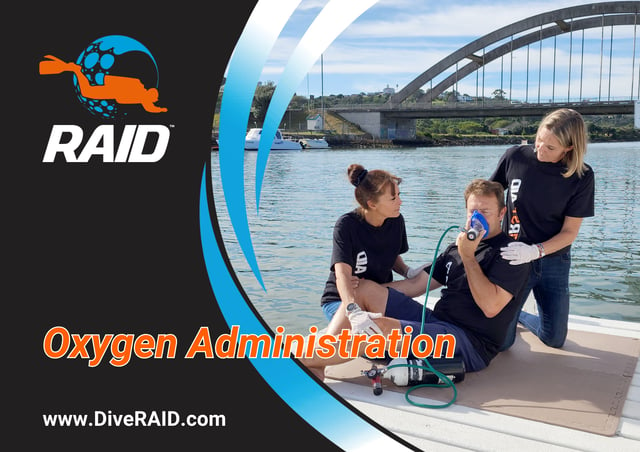
Learn to use oxygen safely in diving emergencies. Oxygen Administration course in Gosforth from £150pp with hands-on practice and expert guidance.
From £ 150
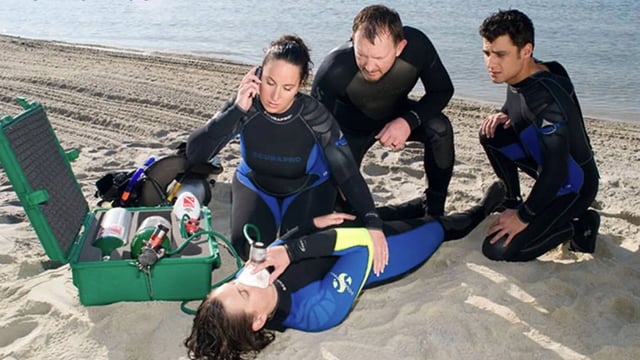
Learn to provide emergency oxygen with the PADI Oxygen Provider course. Gain life-saving skills with expert training. No dives required. Book now!
From £ 139