
Ready to find a course or session?
BSAC Accelerated Decompression Procedures teaches you to plan mandatory decompression dives using oxygen-rich stage gases. You carry a deco cylinder, switch regulators at the stops you planned, and hold trim well enough that switching to 80% or 100% oxygen does not become a toxicity gamble.
BSAC refreshed ADP for 2026. Qualified divers may plan up to 100% oxygen for decompression. Gas-switching procedures are tighter, and planning with software and multi-mix computers is now explicit. The course still demands Gold-standard buoyancy and trim from the Buoyancy and Trim Workshop. Diver grade alone is not enough.
adventuro also lists PSAI centres teaching an equivalent pathway built on PSAI Nitrox Diver and basic decompression prerequisites. This page reflects BSAC ADP as primary. PSAI equivalence is noted in the disclaimer because prerequisites and gas limits differ slightly by agency. Gas switching feels awkward until it is boring. That is the point.
ADP is continually assessed during theory, planning, sheltered-water and open-water sessions. Students must meet performance standards on gas switching, trim at stops and run-time discipline.
Quick answers about this qualification. For anything else, use live chat or browse bookable activities below.
Find activitiesIt is BSAC's Skill Development Course teaching planned mandatory decompression with oxygen-rich stage gases to shorten stop times safely. You learn stage-cylinder diving, gas switching and BSAC Ox-stop planning.
PSAI teaches equivalent skills on its technical pathway — prerequisites differ; this page focuses on BSAC ADP.
Sports Diver with 35 m depth certification, nitrox training, Gold BTW standard and 20+ logged Sports Diver dives including 30 m experience.
Leave a comment when you book if you hold PSAI or another agency tech foundations — crossover assessment is centre-specific.
Switching to high-oxygen deco gas at a stop assumes you can hold depth within half a metre. Sloppy trim turns accelerated decompression into an oxygen toxicity risk.
BSAC records Gold standard formally. Diver grade alone does not substitute — that is intentional.
Qualified ADP divers may plan up to 100% oxygen for decompression. Planning with software and multi-mix computers is explicit, and gas-switching procedures align with advanced technical courses.
eLearning is available for theory. Existing ADP holders should check BSAC guidance on upgrade training for 100% oxygen privileges.
Back gas up to 36% nitrox on BSAC tables or 50% with a multi-mix computer, plus deco gases up to 80% nitrox on the standard course outcome; 100% oxygen where the 2026 qualification allows.
Depth limits follow your diver grade certification. ADP does not automatically authorise dives beyond Sports Diver maximums.
Single or twin-cylinder back gas is permitted per BSAC course materials. You need redundant buoyancy, stage cylinder minimum three litres, oxygen-clean deco regulator and appropriate long-hose routing.
Pairing ADP with Twin-set Diver defines BSAC Advanced Twin-set Diver for extended open-circuit diving within current 40 m recommendations.
Both teach accelerated decompression with stage gases on open circuit. PSAI typically builds from Nitrox Diver and Basic Decompression Procedures with its own depth and gas rules.
Pick the agency your club or centre teaches. Skills overlap; cards do not automatically cross without assessment.
More obligation than recreational no-deco diving, yes. With planning, redundancy, analysed gases and disciplined stops, trained teams manage risk routinely.
Skipping stops, guessing gas contents or diving without BTW-standard trim is where accidents happen — not because deco is inherently reckless.
Typically a long weekend or two-day block plus planning homework — four theory sessions, dry practical, sheltered lesson and two open-water dives minimum 60 minutes total.
Centres may spread sessions if weather delays open-water deco practice. Finish eLearning before arrival.
Sport Mixed Gas Diver trimix introduction to 50 m, CCR pathways, Advanced Twin-set Diver with Twin-set Diver, or simply run ADP profiles on UK wrecks within your depth certification.
Technical instructing routes exist through BSAC's Instructor Training Scheme if you want to teach deco skills formally.
adventuro lists BSAC and PSAI centres running accelerated decompression training. Compare stage hire, oxygen fills, BTW prerequisites and whether twinset training is bundled.
Leave a comment when you book with your Sports Diver depth certification, BTW record and logged dive count — centres screen prerequisites before accepting places.
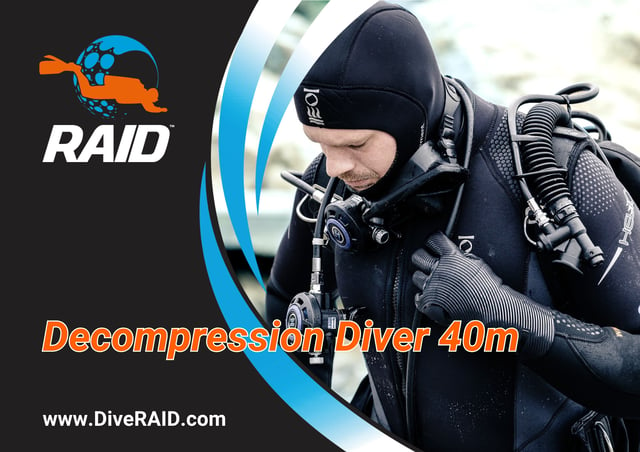
Train as a Decompression Diver in Gosforth. Learn safe decompression procedures, multi-cylinder management, and dive planning.
From £ 450
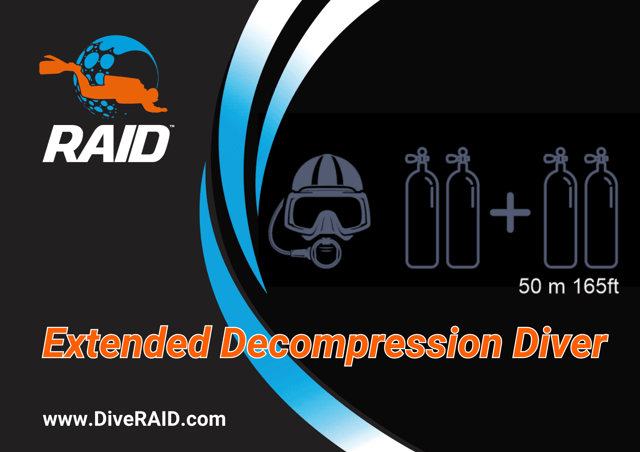
Train for deep diving up to 50m with the Extended Decompression Diver course in Gosforth. Multi-gas management and advanced techniques.
From £ 500

Master ADP course in East England for efficient nitrox decompression, enhancing diving depth and safety. Ideal for advanced divers.
From £ 350