Certifications21 Oct 2024-16 min read
Dive Into a New Career: How to Become a Diving Instructor
We dive into the specifics of how to become a diving instructor, why this career is so appealing to people who love the water and the world beneath it?

Ready to find a course or session?
Guides and stories related to this certification.
Divemaster is where recreational diving turns professional. You are no longer just looking after yourself and your buddy. You are learning to supervise certified divers, assist instructors with real students, and run dive logistics on busy boats and quarry decks.
Most centres run eLearning first, then weeks or months of practical training: stamina drills, rescue refreshers, mapping projects, briefings and shadowing actual courses. The pace varies wildly. A full-time internship might finish in four to eight weeks. A part-time route can stretch across a season while you keep your day job.
This is not a holiday add-on. Expect long days, repetitive skill demos and the occasional humbling moment when a nervous Open Water student needs more patience than you thought you had. Divers who finish often say it changed how they see every dive, even when they never work in the industry full time.
Divemaster is assessed across theory, water skills and real-world professionalism. There is no single exam day that covers everything.
Quick answers about this qualification. For anything else, use live chat or browse bookable activities below.
Find activitiesIt is the first professional-level PADI rating. You learn to supervise certified divers, assist instructors with training courses, and manage dive activities within PADI standards.
Many divers take Divemaster to work in the industry. Others do it to become dramatically better recreational divers and leaders on club trips.
You need Rescue Diver, current CPR and first aid within 24 months, at least 40 logged dives to start and 60 to certify, plus physician medical clearance within 12 months.
If your cards are from another agency or your logbook is on paper, leave a comment when you book with your details. Centres verify equivalency before you commit.
Full-time internships often run four to eight weeks. Part-time routes can span several months. eLearning adds substantial home study on top of in-water days.
Your finish date depends on weather, how quickly you pass skill circuits, and how many live courses the centre runs while you are there.
The certification qualifies you to work within PADI standards, but employment is not guaranteed. Pay, visas and local labour rules vary hugely between tropical resorts and UK quarries.
Many candidates treat Divemaster as a stepping stone toward Instructor training or as deep personal development without planning to work full time.
Physically and mentally demanding. Long days, repeated skill demos, theory exams and real students who may struggle with mask clearing at 9am on a cold morning.
Divers who arrive with solid rescue skills, a healthy logbook and genuine patience usually find it challenging but achievable. Arriving underprepared makes it miserable.
Internships often expect you to own core kit by the time serious in-water weeks begin: mask, fins, exposure suit, BCD and regulator at minimum. Centres vary on what they lend for training.
Leave a comment when you book to confirm hire options and what the centre provides for assisting on courses.
Some centres sell a structured course block with fixed start dates. Others run internship models where you live and work at the shop for a season, assisting daily.
Internships build experience faster but demand more time. Course blocks suit divers with limited holiday leave. Compare listings carefully before you pay a deposit.
Not immediately. You need six months as a certified diver, 60 logged dives to start the Instructor Development Course (100 for the Instructor Examination), plus EFR Instructor rating among other requirements.
Most people spend months or years as a Divemaster building teaching experience before IDC.
Renew it before or during Divemaster. CPR and first aid must be current within 24 months at certification. Book Emergency First Response alongside your programme if needed.
Some centres bundle EFR refresh into the internship schedule.
Eighteen for full PADI Divemaster. The Junior Divemaster programme starts at 15 with supervision limits until upgrade at 18.
Centres running commercial internships usually require candidates to be 18 regardless of PADI junior options.
adventuro lists PADI centres offering Divemaster internships and course blocks in the UK and abroad. Compare whether accommodation, meals, boat fees and application fees are included.
Training in UK water builds cold-water leadership habits early. Tropical internships give warmer conditions and busier student throughput. Both are valid if taught to PADI standards.
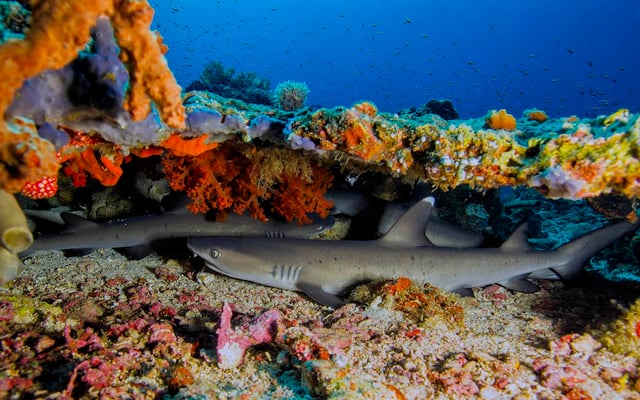
PADI Divemaster course in Manado, Indonesia. Professional training with flexible schedules and full equipment hire. From USD 1,170 for 2+ weeks.
From $ 1170

Become a certified Divemaster at 18+, with 40+ dives, in various locations from £915. Course includes equipment hire, training in pools, and a scenic lake.
From £ 915
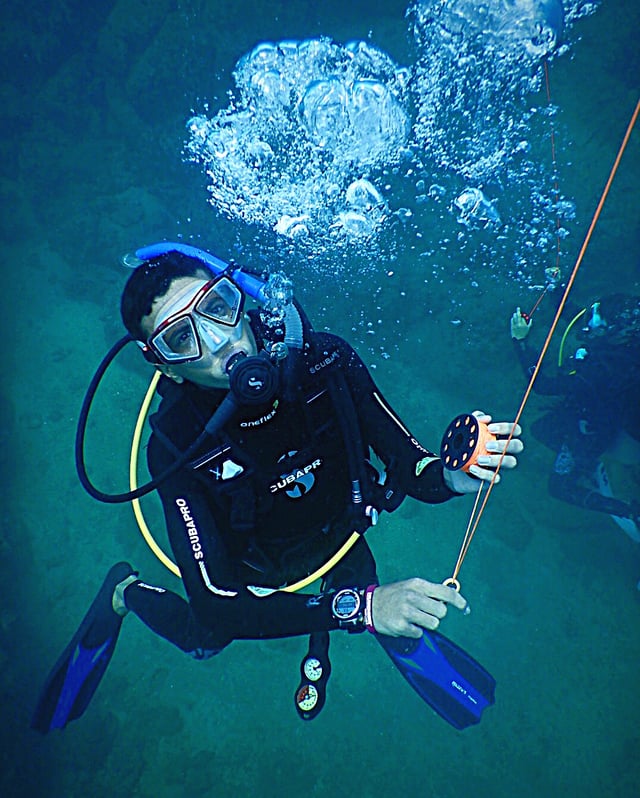
Start your professional diving career with the PADI Divemaster internship in Cabo de Palos. From €599 per person.
From € 599
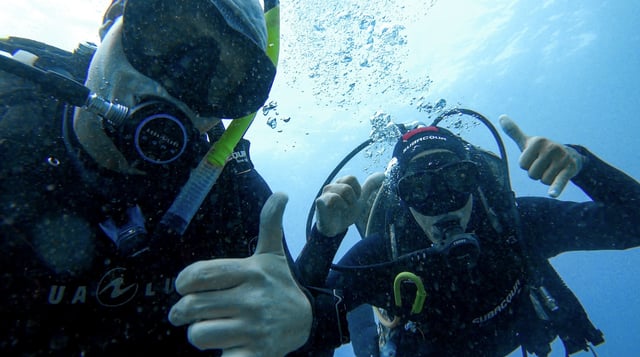
Start your professional diving journey with the PADI Divemaster course in Tenerife. Includes practical training, ocean dives and internship opportunities from €850pp.
From € 850
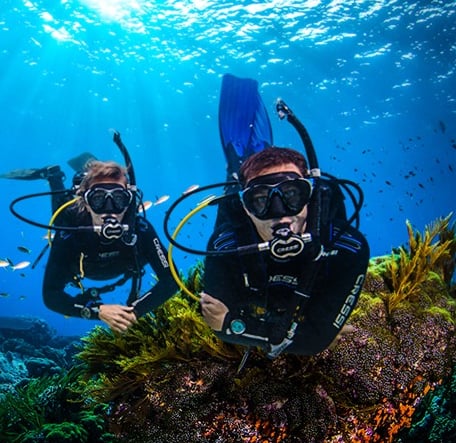
Advance your diving career from £900pp at Littlehampton Marina. Complete PADI Divemaster training with leadership, pool & open water exercises.
From £ 900
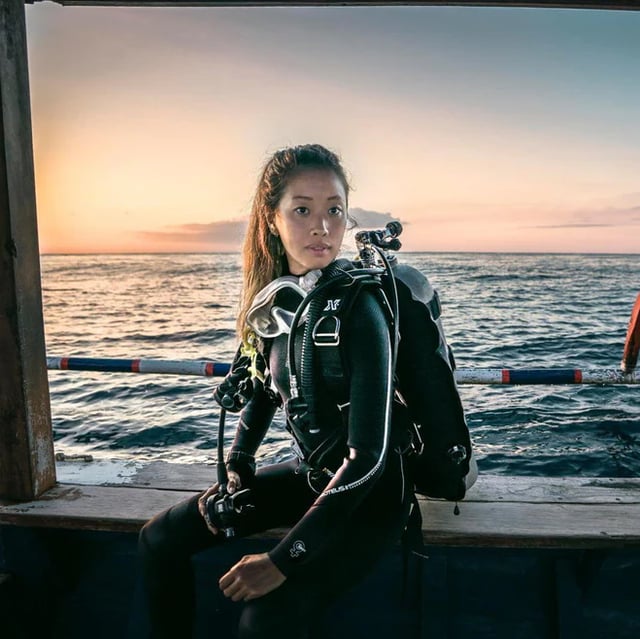
From beginner to professional diver at Littlehampton Marina, complete all PADI levels including Divemaster with full guidance from £1,163.75pp.
From £ 1163.75
Lead certified divers safely and plan dives professionally with expert-guided open water training. Divemaster course in Gosforth.
From £ 650

Become a PADI Divemaster & start your pro diving career. Gain leadership skills, assist instructors & supervise dives. Flexible training, starts daily!
From £ 459
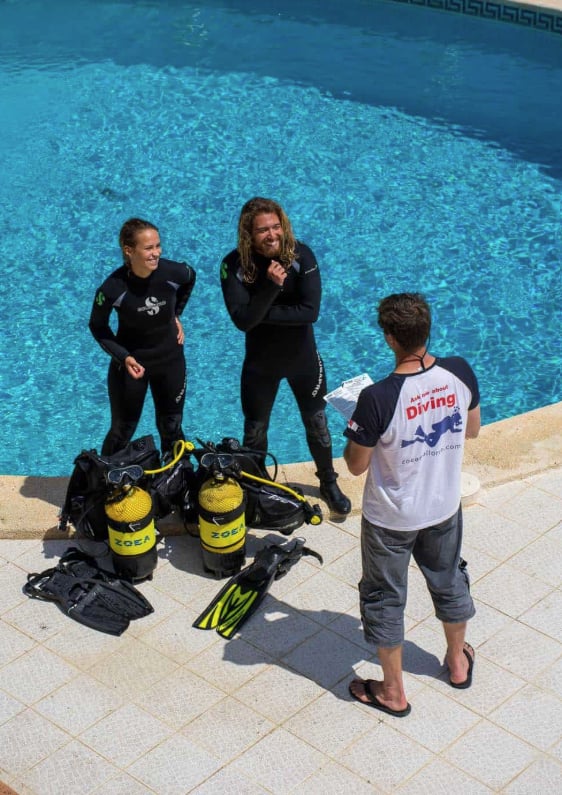
Take the first step towards a professional diving career with a PADI Divemaster course in Mallorca. Develop leadership skills and gain professional-level experience. €800 pp.
From € 800
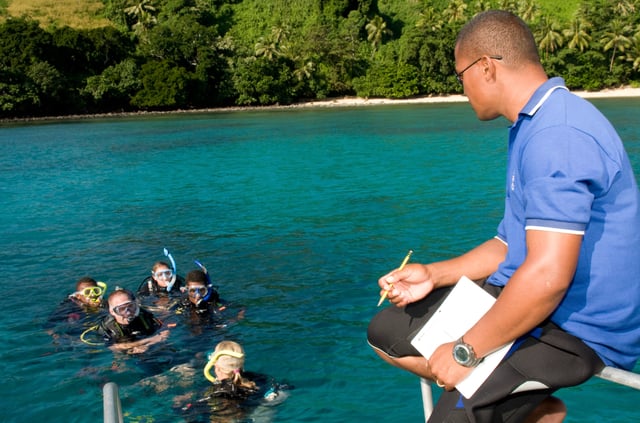
Professional-level scuba training with leadership development, supervision practice, and internship experience. From 4,000 AED.
From Dhs 4000
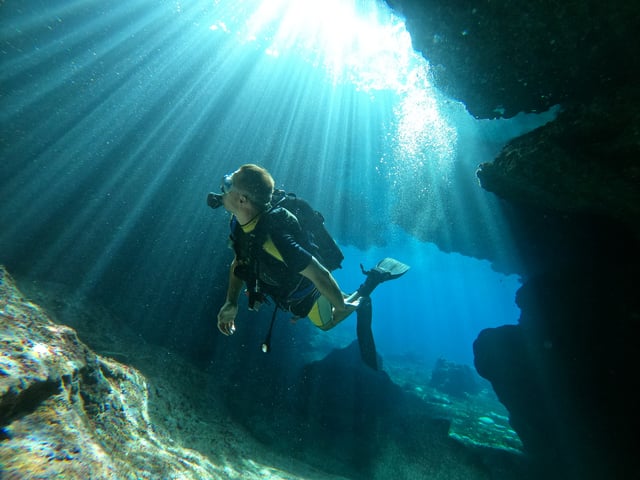
Train as a professional diver with the PADI Divemaster course in Mallorca. Gain leadership skills and assist instructors. Minimum age 18. €890.
From € 890

Become a certified Divemaster in La Maddalena. 2-week course, €1250, 18+ years, all equipment included. Join us at Punta Tegge!
From € 1250
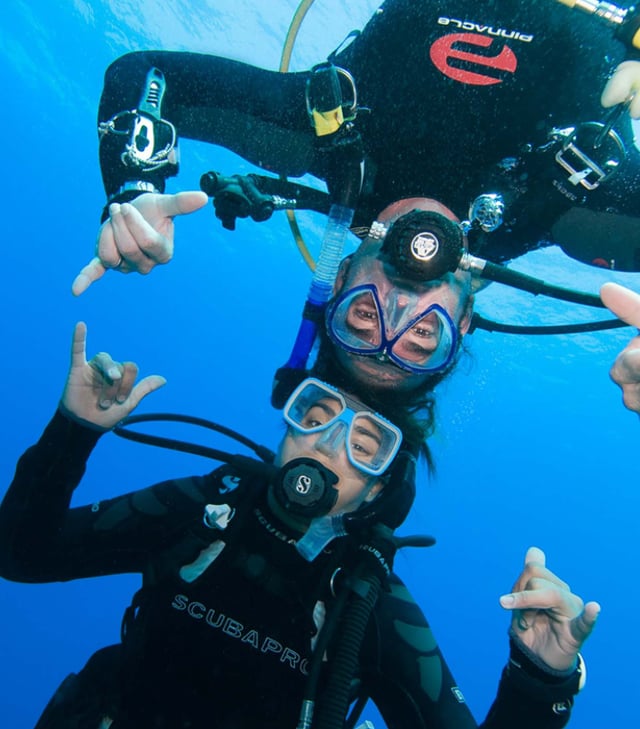
Start as a complete beginner, and achieve professional PADI Divemaster status with comprehensive training in London and surrounding areas; suitable for ages 18+, flexible duration. From £1,775.
From £ 1775

Join the course for ages 15-17, £395 plus £220 eLearning, includes equipment rental, 40 dives, and 12 months FREE club membership.
From £ 615