

Ready to find a course or session?
Advanced Wreck Diver is the step where trained wreck divers learn limited penetration: guideline handling, team communication and overhead awareness inside structures you previously swam around. On adventuro this certification spans SSI, BSAC and PSAI with similar penetration goals; this draft follows SSI standards sourced from the Wreck Diving programme upgrade path on divessi.com and training.divessi.com.
You must already hold recreational wreck training such as SSI or Wreck Diver. SSI expects you to be at least 15, logged with substantial open water experience (24 dives per upgrade standards), and ready for dry land sessions plus two additional open water dives beyond the basic wreck specialty. Penetration is not casual sightseeing. You learn to lay and follow lines, manage silt and plan exits before daylight becomes theoretical.
BSAC and PSAI centres may phrase prerequisites differently, but all serious advanced wreck courses demand maturity, redundant lights and honest gas planning. This is still recreational limited penetration, not technical Extended Range wreck diving. If your goal is deep staged decompression inside wrecks, you are looking at a different ladder entirely.
Advanced Wreck Diver assessment builds on Wreck Diving certification with additional academic, dry land and open water requirements.
Quick answers about this qualification. For anything else, use live chat or browse bookable activities below.
Find activitiesIt is advanced recreational training for limited wreck penetration after non-penetration wreck certification. SSI, BSAC and PSAI each certify similar skills with agency-specific prerequisites.
It is not a technical decompression qualification for deep wreck expeditions.
Non-penetration wreck certification such as SSI Wreck Diving or Wreck Diver, minimum age 15, and at least 24 logged open water dives for SSI upgrade standards. Solid buoyancy, navigation and stress management matter more than wreck holiday photos.
Diver Stress and Rescue is strongly recommended. Leave a comment when you book with logbook totals and agency cards so the centre verifies eligibility before you travel.
Wreck Diver stays outside the wreck. Advanced Wreck adds interior penetration skills, guidelines and overhead procedures within training limits.
Think of basic wreck as walking the fence line. Advanced wreck is entering the building with a map and a line home, which is why redundant lights and honest gas planning are non-negotiable.
Prerequisites and depth limits vary by agency, but all reputable advanced wreck courses teach penetration planning, lines and team skills. adventuro lists multi-agency centres; confirm which body issues your card.
Cross-trained instructors can explain how your existing BSAC or PSAI wreck qualifications map to the advanced module.
Primary and backup lights, reel and guideline, cutting tools and often redundant gas such as a pony cylinder depending on centre rules. Exposure suit matched to depth and dive time.
Rent unfamiliar penetration kit before buying. Configuration matters more than brand badges.
SSI recreational advanced wreck training works within the wreck programme depth limits, typically 30 metres on air for qualified divers unless the centre teaches nitrox or technical add-ons separately.
Extended Range wreck programmes cover deeper or longer penetrations with staged decompression training.
Overhead environments amplify mistakes. Proper training, conservative gas plans and disciplined line work reduce risk but never remove it.
Skip this course if your buoyancy still stirs silt on open reef dives. Fix fundamentals first. That is normal advice, not gatekeeping.
Centres may accept equivalent non-penetration wreck certification from PADI or BSAC after skills assessment. SSI upgrade formally builds on SSI Wreck Diving.
Bring training records when you book for cross-agency verification.
Typically two or three days for dry land work plus two penetration dives after basic wreck certification. Weather and site access may extend scheduling.
Do not plan a penetration graduation dive the morning before your flight home.
Log supervised penetrations within your limits, add Enriched Air Nitrox for repetitive wreck weeks, or pursue technical Extended Range wreck training for deeper projects.
Many UK wreck enthusiasts stay recreational advanced for years before touching technical cards.
adventuro lists SSI, BSAC and PSAI centres offering advanced wreck modules at quarries and coastal sites with suitable training wrecks. Compare agency, prerequisites and kit hire.
Leave a comment when you book with your wreck certification, dive count and whether you need SSI-specific upgrade paperwork.
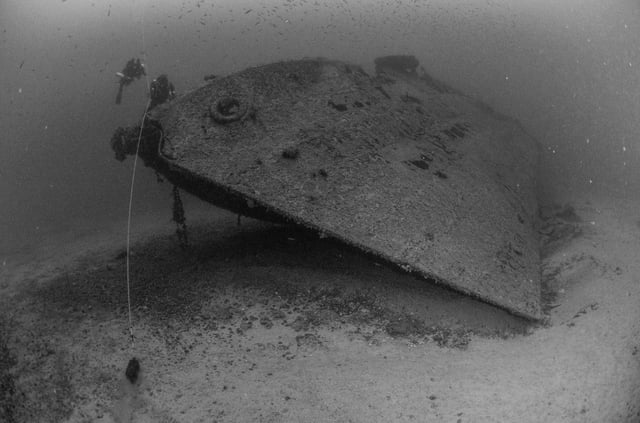
Comprehensive training is designed for divers passionate about exploring the intricate interiors of underwater wrecks, offered through both PSAI and BSAC
From £ 400
Develop your wreck diving skills from £345 in Whitley Bay with 5 dives focused on safety, navigation, and wreck penetration under expert RAID instruction.
From £ 345