
Ready to find a course or session?
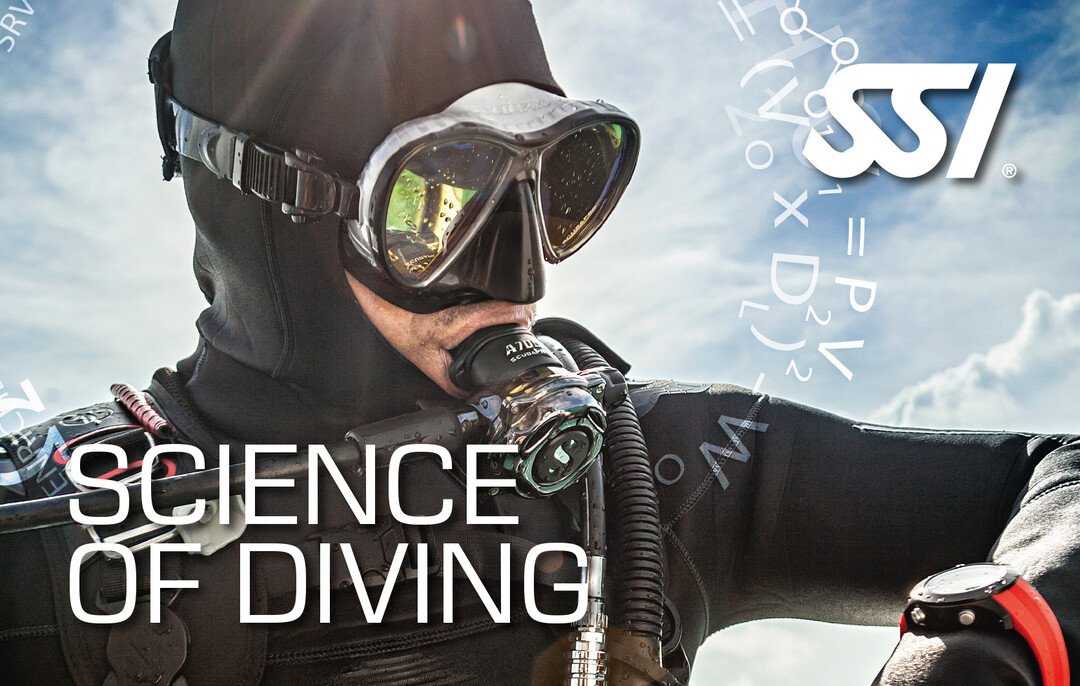
Science of Diving is the SSI specialty for divers who want to understand why their computer beeps, why ears hurt on descent and why nitrogen matters more than they thought on repetitive holiday dives. It is knowledge-heavy, dry, and genuinely useful if you are eyeing Divemaster or simply tired of nodding through briefings without grasping the physics.
Five MySSI academic sessions cover diving physics, physiology, decompression theory and equipment function. You can complete much of it from your sofa. No open water dives are required for certification, which makes it an easy add-on between work shifts or before a professional programme starts.
SSI requires Science of Diving for most professional ratings and some Extended Range pathways. Finish it and you are halfway through the theory side of the Divemaster puzzle alongside stress rescue and logged dives. The content overlaps topics PADI professionals study too, so Open Water graduates from any agency benefit if they want intellectual depth behind the sport.
Science of Diving is assessed through MySSI academic completion and knowledge reviews.
Quick answers about this qualification. For anything else, use live chat or browse bookable activities below.
Find activitiesIt is an academic specialty covering diving physics, physiology, decompression theory and equipment. You earn certification through knowledge development without mandatory open water dives.
SSI requires it for most professional programmes. Recreational divers take it to understand the science behind the sport.
No. Certification is knowledge-only. You can complete MySSI modules from home and meet your instructor only if the centre adds a classroom review.
Your next open water dive will make more sense when you understand why the computer planned your surface interval.
Yes. SSI lists Science of Diving as required training for Divemaster alongside Stress and Rescue, logged dives and other prerequisites.
Banking theory early stops a last-minute panic before your professional programme starts.
Eight to twelve hours is typical for the digital material. Fast readers finish quicker. Dense topics such as decompression may need a second pass.
Split study across a week rather than one caffeine-fuelled night before your pool session.
SSI allows Science of Diving in combination with Open Water Diver at some centres. Ask whether parallel study suits your schedule.
Most students finish Open Water first, then add Science of Diving when they consider professional training.
Assessment is built into MySSI academic modules and knowledge reviews. Some centres add instructor discussion for confusing topics.
There is no separate pool exam because there is no pool component.
Specialties like Perfect Buoyancy or Enriched Air Nitrox teach in-water skills. Science of Diving teaches the theory underneath all of them.
Think of it as the textbook chapter your instructor wishes they had time to explain on every dive boat.
That is normal. Gas laws confuse everyone once. MySSI lets you replay sections. Book a centre that offers instructor Q&A if you learn better aloud.
Leave a comment when you book if you want a classroom review day bundled with digital access.
Ten years old. Younger divers with serious interest may study with parental support, but certification follows SSI age rules.
Most candidates are adults planning professional pathways.
Many students continue toward Divemaster, add Diver Stress and Rescue, or simply dive with sharper planning habits.
Theory without wet practice is incomplete for professionals, but you cannot skip the theory either.
adventuro lists SSI centres offering Science of Diving online and in classrooms. Compare whether instructor review sessions are included in the fee.
Purely digital study suits self-motivated learners. Classroom add-ons suit people who prefer someone sensible explaining gas laws on a whiteboard.
No activities match your filters
Try adjusting your filters or