
Dive Into a New Career: How to Become a Diving Instructor
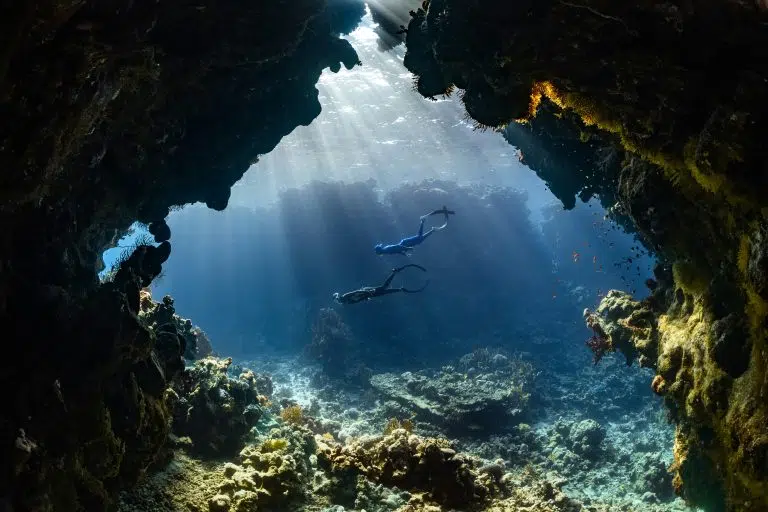
Adventure sports have a way of transforming your life, and for many, diving is more than just a hobby—it’s a calling. The freedom beneath the ocean’s surface, the marine life, and exploring the unknown can ignite a passion that leads to an exciting career: becoming a diving instructor.
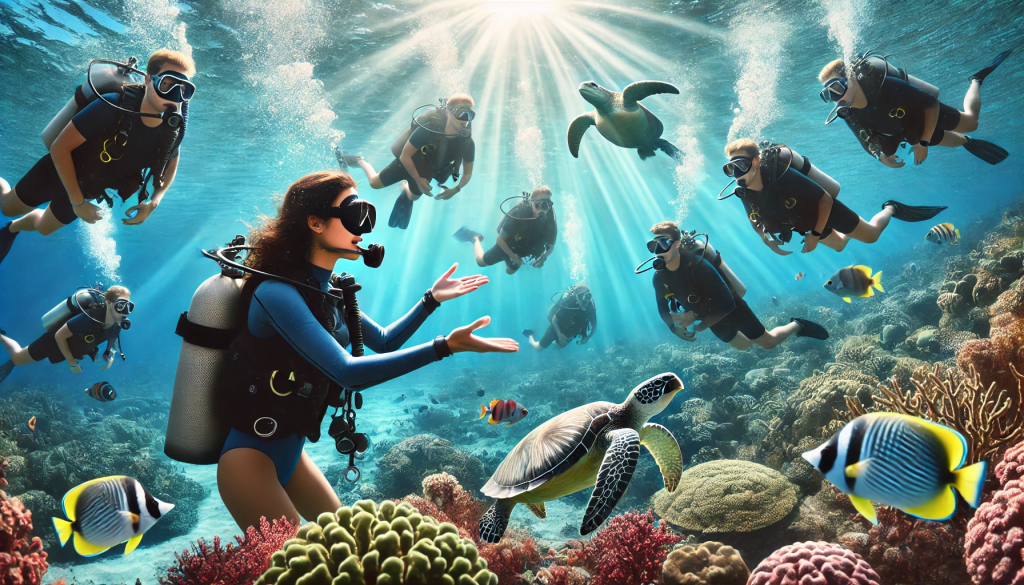
Table of Contents
- Why Become a Diving Instructor?
- What Does a Diving Instructor Do?
- The Path To Becoming a Diving Instructor
- Can I Switch Certifying Bodies?
- A Day in the Life of a Diving Instructor
- Protecting the Ocean: A Diving Instructor’s Responsibility
- Ready to Start Your Journey?
- FAQs
Why Become a Diving Instructor?
Before we dive into the specifics of how to become a diving instructor, let’s talk about why this career is so appealing. What makes the life of a diving instructor so desirable to people who love the water and the world beneath it?
- A Career in Adventure: Imagine spending your days on a beach in Thailand, the Maldives, or the Caribbean, getting paid to explore the underwater world and teach others how to dive. As a diving instructor, your “office” is the ocean, and every day is a new adventure. You get to work in some of the most beautiful places on the planet, doing what you love and introducing others to the wonders of the underwater environment.
- Endless Opportunities for Travel: The great thing about becoming a diving instructor is the opportunity to travel and work in virtually any part of the world where scuba diving is popular. Whether it’s tropical reefs in Australia, shipwrecks in Egypt, or the cold-water kelp forests in California, diving instructors are in high demand all over the globe. It’s not just about finding work at dive centres; you can also work on liveaboard boats, at luxury resorts, or even run your own diving school.
- Sharing Your Passion: There is something incredibly fulfilling about helping others overcome their fear of the water or their anxiety about trying a new sport. As a diving instructor, you get to share your passion with people from all walks of life and introduce them to the sport that you love. Watching your students progress from nervous beginners to confident divers is one of the most rewarding aspects of the job.
- Promoting Conservation: Diving instructors have a unique platform to promote environmental conservation. As a diver, you see firsthand the importance of protecting the world’s oceans and marine life. Many diving instructors take on roles as marine conservationists, teaching others about sustainable diving practices, participating in reef cleanups, and advocating for the protection of endangered marine ecosystems.
What Does a Diving Instructor Do?
A diving instructor’s main role is to teach people how to scuba dive safely and confidently. However, this job is about much more than just showing someone how to use a mask and regulator. Here are some of the key responsibilities of a diving instructor:
- Conducting Courses: As a certified instructor, you’ll teach scuba diving courses at various levels, from introductory dives for beginners to advanced specialty courses such as night diving, wreck diving, and deep diving. You’ll help students master key skills, build confidence in the water, and understand the safety protocols necessary for a successful dive.
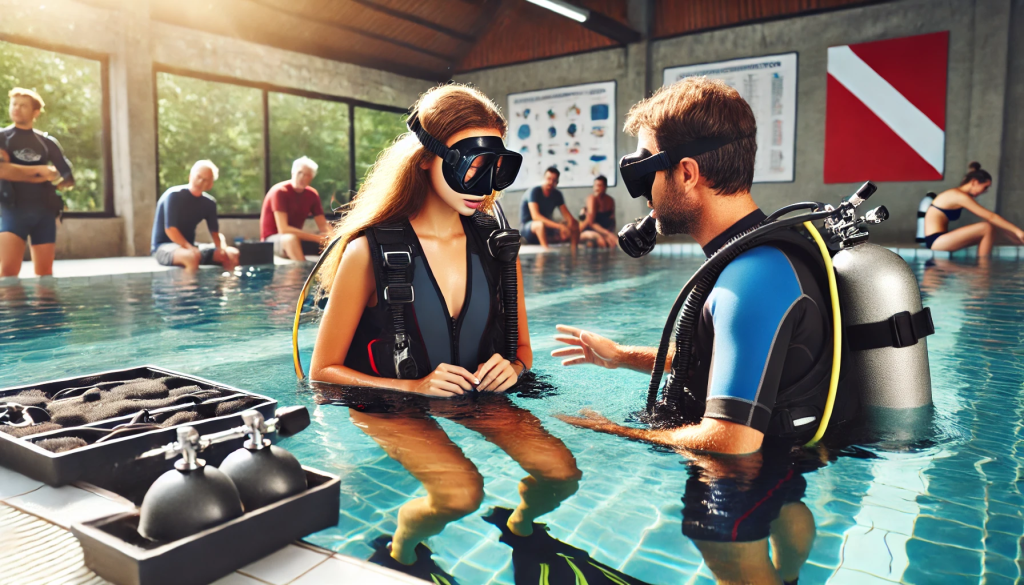
- Supervising Open Water Dives: Most of your initial teaching will take place in controlled environments like swimming pools or confined water areas, but you’ll also lead students on real open water dives to give them practical experience. This is where you’ll guide them through navigation, buoyancy control, and underwater communication.
- Ensuring Safety: As a diving instructor, safety is your top priority. You’ll need to have a strong understanding of dive safety, including how to manage emergencies, perform rescues, and administer first aid if necessary. Your students will rely on you to ensure their safety throughout their training.
- Equipment Maintenance: Diving equipment needs regular maintenance to function properly. As an instructor, you’ll often be responsible for ensuring that all equipment is in good working order, teaching students how to properly use and care for their gear, and troubleshooting any problems that may arise during dives.
- Promoting Environmental Stewardship: Many diving instructors incorporate environmental conservation into their teaching, encouraging students to practice responsible diving techniques, avoid damaging coral reefs, and participate in local conservation efforts.
The Path to Becoming a Diving Instructor
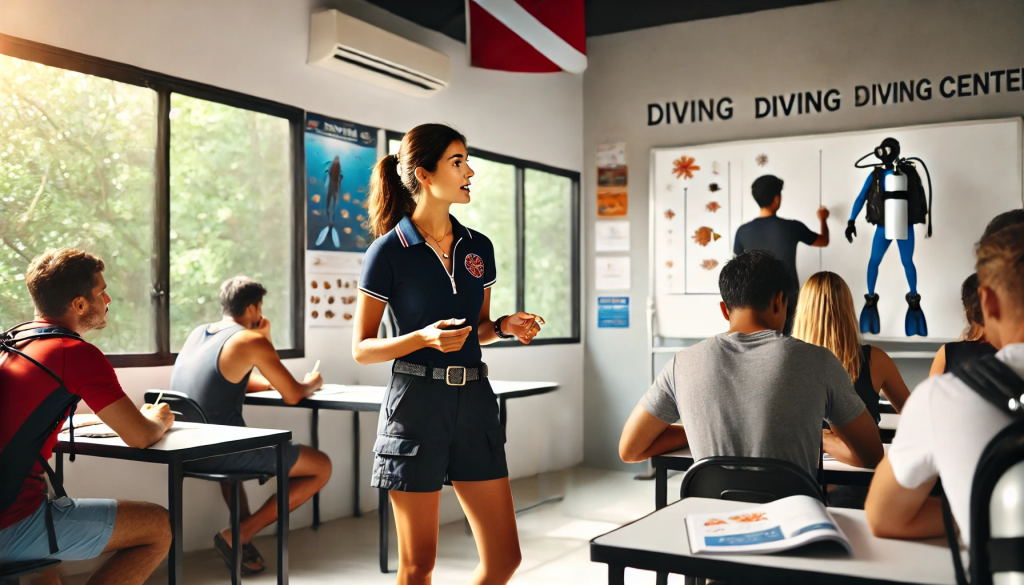
Now that we’ve covered the why, let’s move on to the how. Becoming a diving instructor isn’t something that happens overnight; it requires time, dedication, and a series of certifications. However, the path is clear, and with the right guidance and training, you can reach your goal. Here’s a step-by-step breakdown of what it takes to become a certified diving instructor:
1. Start with Your Open Water Diver Certification
The first step to becoming a diving instructor is to learn how to dive. If you’ve never dived before, you’ll need to complete an Open Water Diver Certification. This course is designed to teach you the fundamentals of scuba diving, including how to use your equipment, how to navigate underwater, and the essential safety protocols.
2. Progress to Advanced Open Water Diver
Once you’ve completed your Open Water Diver certification, the next step is to advance your skills by enrolling in an Advanced Open Water Diver course. This course will help you refine your diving techniques, gain more experience in different types of diving, and develop your underwater navigation skills.
During the advanced course, you’ll complete a series of specialty dives, such as deep dives, night dives, and underwater navigation. These dives are designed to challenge you and improve your confidence in the water. The advanced course is also a stepping stone toward higher-level certifications and a must-have if you’re planning to become a diving instructor.
3. Earn Your Rescue Diver Certification
Safety is a top priority for diving instructors, and that’s where the Rescue Diver Certification comes in. This course focuses on teaching you how to manage emergency situations, both for yourself and others. You’ll learn how to prevent and respond to diving accidents, perform rescues, and provide first aid to divers in distress.
The Rescue Diver course is designed to help you become a more responsible and capable diver. It’s also an important leadership course that will prepare you for the challenges of teaching others. The skills you learn in this course will not only make you a better diver but also a more effective and confident instructor.
4. Complete the Divemaster Course
The Divemaster Certification is the first professional-level certification you’ll need on your path to becoming a diving instructor. In this course, you’ll learn how to lead diving activities, assist instructors with their courses, and take on more responsibility in the water.
As a Divemaster, you’ll refine your diving skills to a professional level and gain hands-on experience assisting instructors with their students. This experience is invaluable, as it gives you a taste of what it’s like to teach diving and helps you develop the leadership skills necessary to become an effective instructor.
5. Become a Certified Diving Instructor
The final step in your journey is the Instructor Development Course (IDC), which will prepare you to teach scuba diving to others. The IDC is an intensive course that focuses on developing your teaching skills, classroom management, and student assessment. You’ll learn how to conduct training sessions, manage students in both classroom and water settings, and ensure their safety throughout the process.
At the end of the IDC, you’ll need to pass the Instructor Examination (IE), which is a comprehensive test of your diving knowledge and teaching ability. Once you pass the IE, you’ll officially be a certified diving instructor!
Can I Switch Certifying Bodies?
One of the most common questions aspiring diving instructors have is whether they can switch certifying bodies during their training or career. For example, if you start with PADI (Professional Association of Diving Instructors) but later decide you want to teach for SSI (Scuba Schools International) or BSAC (British Sub-Aqua Club), is that possible?
The answer is yes, but there are a few things to keep in mind:
- Crossovers and Equivalency Programs: Many certifying bodies offer crossover programs for divers who have already earned certifications with another organisation. For example, if you’ve completed your Divemaster certification with PADI, you can often complete a short equivalency course to switch to SSI. This allows you to continue your career with a new certifying body without having to start from scratch.
- Instructor Certifications: If you’re already a certified instructor with one organisation, transferring to another usually requires completing an instructor crossover course. This course is designed to ensure you’re familiar with the new organisation’s teaching methods, standards, and protocols.
- Industry Recognition: While most of the major certifying bodies (such as PADI, SSI, and RAID) are recognised worldwide, some regions or dive centres may prefer instructors who are certified with a specific organisation. It’s a good idea to research the organisations that are most recognised in the areas where you want to work.
Check out our course options to find the one that’s right for you.
A Day in the Life of a Diving Instructor
Wondering what it’s actually like to be a diving instructor? Here’s a glimpse into a typical day in the life of an instructor:
1. Early Morning Preparations
The life of a diving instructor typically starts early, especially if you’re working in a popular diving destination. Mornings are often spent preparing equipment, checking weather conditions, and reviewing the day’s dive plans. You’ll ensure that all the tanks are filled, regulators are in good working order, and that other equipment—like masks, fins, and wetsuits—is ready for your students.
Safety is always a priority, so part of the morning routine involves double-checking everything to avoid any issues underwater. You’ll also review the dive sites you’ll be visiting that day, paying attention to any potential currents, water visibility, and any marine life that might be in the area. This preparation ensures both your safety and that of your students.
2. Meeting Your Students
Once the equipment is ready, you’ll meet your students for the day. Whether you’re teaching a beginner class or guiding more advanced divers, part of your job is making sure everyone feels comfortable. For beginners, the excitement is often mixed with a bit of anxiety, and it’s your role to put them at ease.
Before heading into the water, you’ll hold a briefing to explain the day’s dive plan, cover safety procedures, and go over hand signals that are essential for communication underwater. As an instructor, it’s your responsibility to make sure that each student understands what they’ll be doing, what to expect, and how to handle any potential issues that might arise.
3. The Dive Itself
Once the briefing is complete and your students are suited up, it’s time for the dive. Depending on your location, you could be diving in a range of environments—vibrant coral reefs, shipwrecks, caves, or open water. During the dive, you’ll closely monitor your students, ensuring they’re following the techniques they’ve learned and handling themselves well underwater.
If you’re working with beginners, part of the fun is watching them experience their first underwater breaths. Many new divers are amazed at the marine life and the sheer wonder of being able to explore the underwater world. For more experienced divers, the focus may be on refining their skills or exploring a challenging dive site.
Throughout the dive, you’ll need to stay aware of your students’ air supply, body language, and buoyancy control to ensure they’re safe and comfortable. You’ll also guide them through different parts of the dive site, pointing out interesting marine life or features of the environment.
4. Post-Dive Debrief
After each dive, you’ll lead a debriefing session. This is where you review how the dive went, discuss any challenges your students might have faced, and offer feedback to help them improve. For advanced divers, this could include feedback on their navigation, buoyancy control, or dive planning. For beginners, it’s usually a chance to congratulate them on completing their first dive and to answer any questions they might have.
During the debrief, you can also share tips and tricks for future dives. Whether it’s better ways to manage buoyancy or how to get the most out of their equipment, your advice will help them become better and more confident divers. This is also a great time to promote environmentally friendly diving practices, reminding students to avoid touching coral or disturbing marine life.
5. Equipment Maintenance and Logbooks
Once the dives are complete, your day doesn’t end just yet. Equipment needs to be cleaned, checked, and stored properly to ensure it’s in good working order for the next day. This involves rinsing off wetsuits, masks, and fins, checking regulators and BCDs (Buoyancy Control Devices), and making sure tanks are refilled.
At the same time, you’ll guide your students through logging their dives. Keeping an accurate dive log is important for divers who want to track their progress and remember their experiences. You’ll help them record details about the dive, such as depth, dive time, and any interesting marine life they encountered. This is also a great opportunity to encourage students to continue their diving education, whether by taking specialty courses or advancing to the next certification level.
6. Building Relationships
One of the most rewarding parts of being a diving instructor is the connections you make with your students. Many students come to trust and admire their instructors, and as a result, you’ll often find yourself forming lasting relationships with them. This can lead to repeat business, referrals, or even invitations to join students on future dive trips around the world.
Many diving instructors find that their role becomes more than just teaching—it’s about fostering a love of the ocean and helping others discover the thrill of underwater exploration. Being a part of someone’s diving journey, whether it’s their first dive or their 50th, is an incredibly fulfilling experience.
7. A Rewarding Lifestyle
While the day-to-day tasks of a diving instructor can be physically demanding, it’s also deeply rewarding. Not only do you get to spend your days doing something you love, but you also have the privilege of introducing others to the beauty and excitement of scuba diving. For many instructors, the lifestyle that comes with the job—working in stunning locations, meeting people from all over the world, and continuously exploring new dive sites—is one of the biggest perks.
Protecting the Ocean: A Diving Instructor’s Responsibility
Because of climate change, the oceans we as divers love to explore and appreciate are rapidly changing. As a diving instructor, you’ll be in a unique position to promote marine conservation and encourage responsible diving practices. Here are some ways you can make a difference:
- Teach Marine Conservation: Incorporate lessons about marine life and conservation into your courses. Educate your students about the importance of protecting coral reefs, reducing plastic pollution, and respecting marine animals.
- Participate in Reef Cleanups: Many dive centres organise regular reef cleanups, where divers help remove trash from the ocean. As a diving instructor, you can lead these initiatives and inspire your students to get involved.
- Support Rewilding Efforts: At adventuro, we’re proud partners with Rewilding Britain, an organisation dedicated to restoring nature on a large scale. As a diving instructor, you can contribute to the conservation of marine ecosystems and support rewilding efforts in your local area.
Ready to Start Your Journey?
Becoming a diving instructor is more than just a career—it’s a lifestyle filled with adventure, learning, and a deep connection to the natural world. Whether you’re just starting your diving journey or are ready to take the next step in your career, adventuro is here to help. Our courses are designed to provide the highest quality training, with experienced instructors who are passionate about diving.
Check out our diving courses today and take the plunge into your new career!
FAQs
1. Is it just for young people?
Absolutely not! Becoming a diving instructor is open to anyone with a passion for diving, regardless of age or experience level. Whether you’re fresh out of school, looking for a career change in your 30s, or even exploring a post-retirement adventure, diving instruction welcomes all. The diving community values experience, passion, and knowledge over age, so it’s never too late (or too early) to start your journey.
2. What career opportunities can this open for me?
Becoming a diving instructor opens up a wide range of career paths, both locally and internationally. As a certified instructor, you can work at dive centers, resorts, or liveaboard boats that offer diving tours. You could also find opportunities to specialise in technical diving, underwater photography, marine conservation, or even dive center management.
If you’re more entrepreneurial, you can start your own dive school, create diving tours, or collaborate with eco-tourism projects focused on marine conservation. Diving instructors are also needed in research projects, marine parks, and educational programs, giving you the chance to work in unique environments and even contribute to important conservation efforts. The skills you gain as an instructor are versatile and open doors to a global adventure career.
3. How much money can you make?
Earnings as a diving instructor vary widely depending on location, experience, and the type of work you choose. In tropical tourist destinations, instructors may earn a lower base salary (typically between $1,000 and $3,000 per month) but have opportunities to earn additional income through tips, commissions on courses or gear sales, and organising specialty dives or trips.
In more remote or specialised locations, such as technical diving centers or eco-resorts, instructors can earn significantly more, especially if they have advanced certifications. As you gain experience and build a reputation, you can also negotiate higher rates, take on private clients, or manage dive centers, all of which can increase your earning potential. Ultimately, while diving instruction isn’t typically a path to great wealth, it offers a comfortable and adventurous lifestyle with opportunities to supplement your income in many ways.
4. What are the best places to become a dive instructor?
South East Asian locations such as Thailand’s Koh Tao, the Philippines, or Indonesian islands such as Komodo and Gili Trawangan, are extremely popular locations to train and work in due to the laid-back lifestyle, abundance of tourists and dive centres, warm waters, and beautiful marine environments that they offer.
If you’re looking for a higher-paid location to work and train in, tropical paradises like the Great Barrier Reef in Australia, the crystal-clear seas of the Maldives, or the Caribbean offer similarly beautiful environments with greater earning potential.
But if you prefer something different, cold-water diving destinations such as Iceland or Norway offer unique challenges and stunning underwater landscapes, such as kelp forests and glacial formations.
Other spots with abundant career opportunities include Egypt’s Red Sea, Mexico’s cenotes, and shipwreck sites off the coast of Florida.