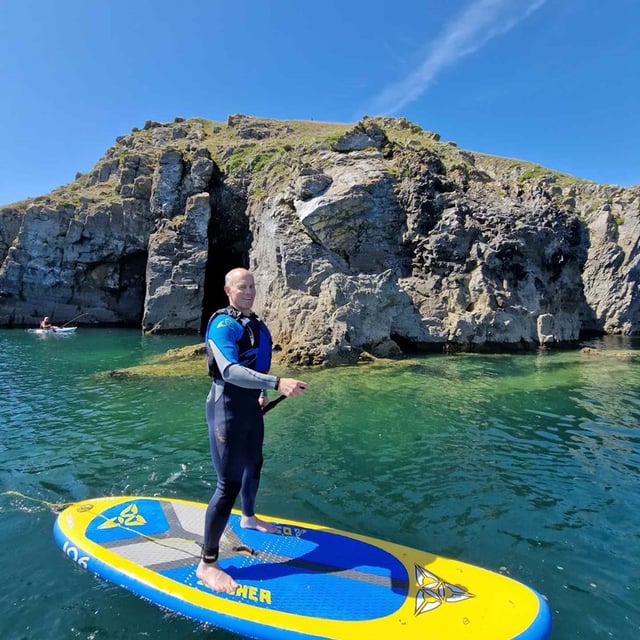
Wales is a country where the outdoor activity scene generally punches above its weight, and paddleboarding is no exception. From the glacial flatwater of Llyn Padarn at the foot of Snowdon to the Atlantic-facing beaches of Pembrokeshire and the sheltered bays of the Gower — often reached in under two hours from Cardiff or Bristol — it covers most of what you'd want from stand-up paddleboarding in a compact and frequently spectacular package.
Best spots for paddleboarding in Wales
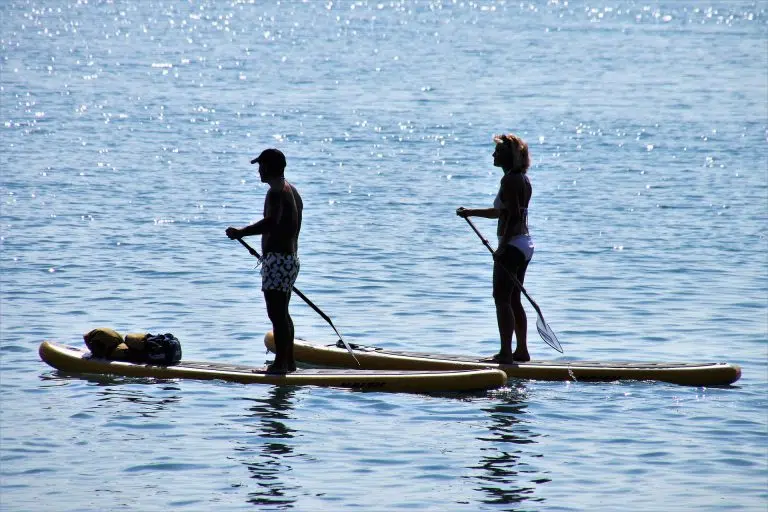
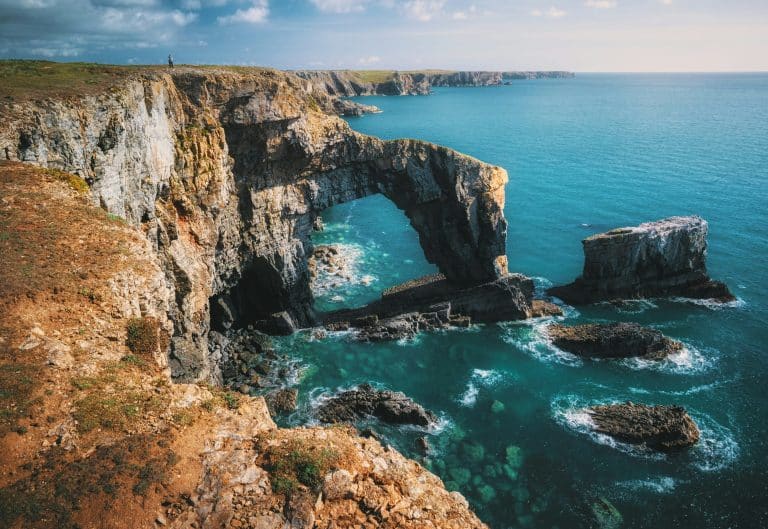
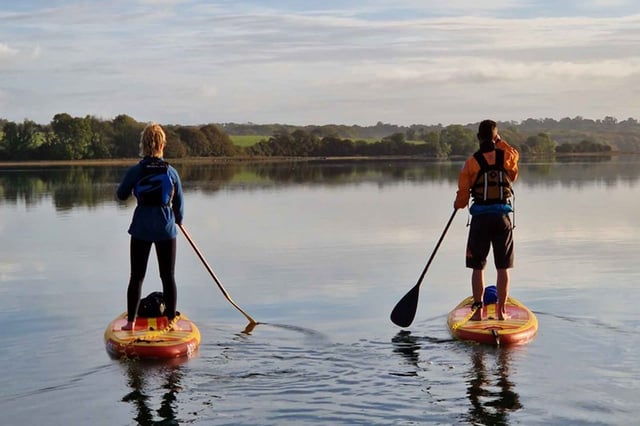
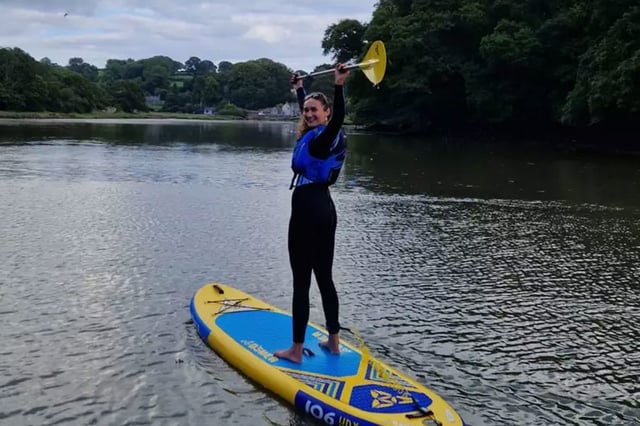
The Gower Peninsula near Swansea is the most accessible starting point for visitors from south Wales and the English Midlands. Three Cliffs Bay, Oxwich Bay and Port Eynon all offer sheltered, beginner-friendly flatwater with impressive surroundings. Pembrokeshire provides a step up in ambition — dozens of National Park beach and cove launches for coastal SUP touring, with Barafundle Bay, Broad Haven and the St Brides Bay area all regularly cited as highlights. In Snowdonia, Llyn Padarn just below Llanberis is the classic mountain lake SUP — calm, clear water, Snowdon directly above, and the kind of view that justifies the drive north. Llyn Tegid near Bala is the largest natural lake in Wales and equally good for flatwater touring. On Anglesey, the Menai Strait provides more technical tidal paddling and some outstanding coastal scenery on the sheltered eastern shore.
Learning to SUP in Wales
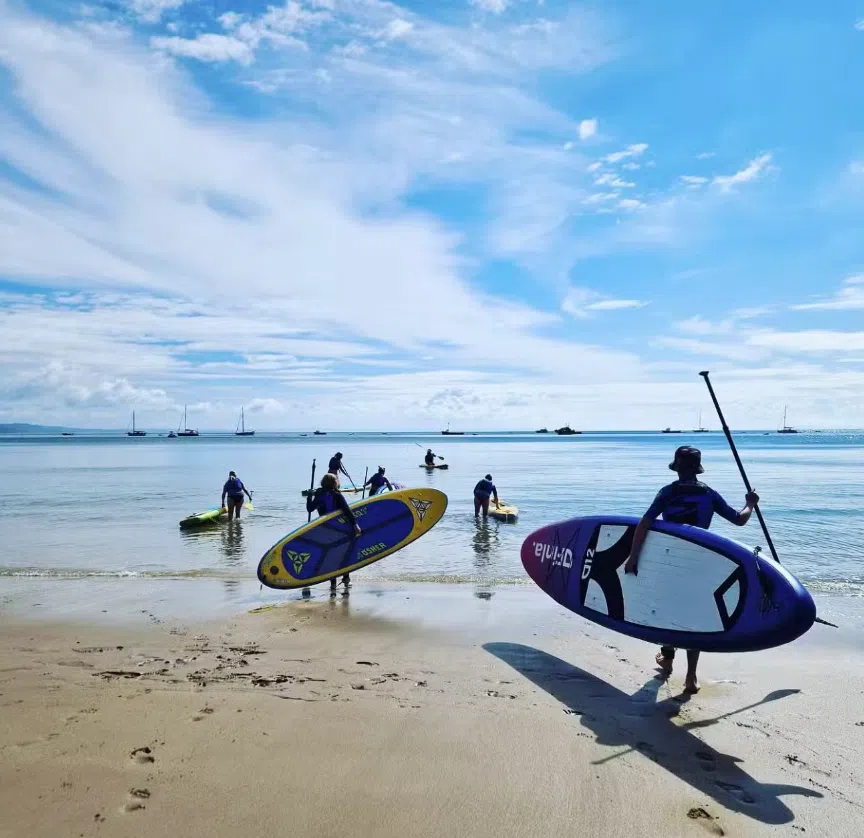
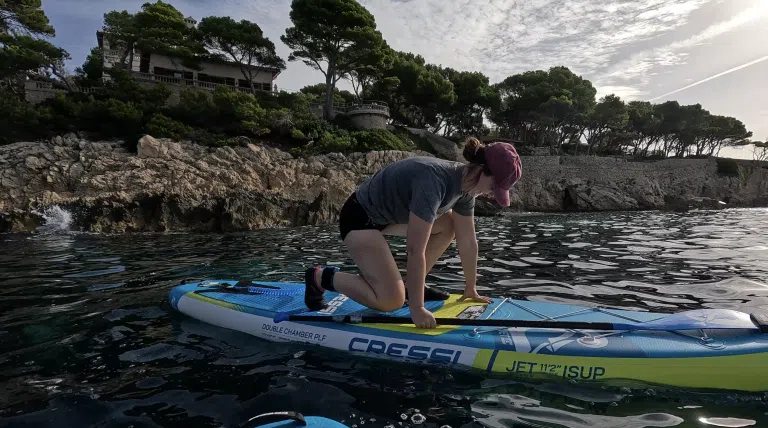
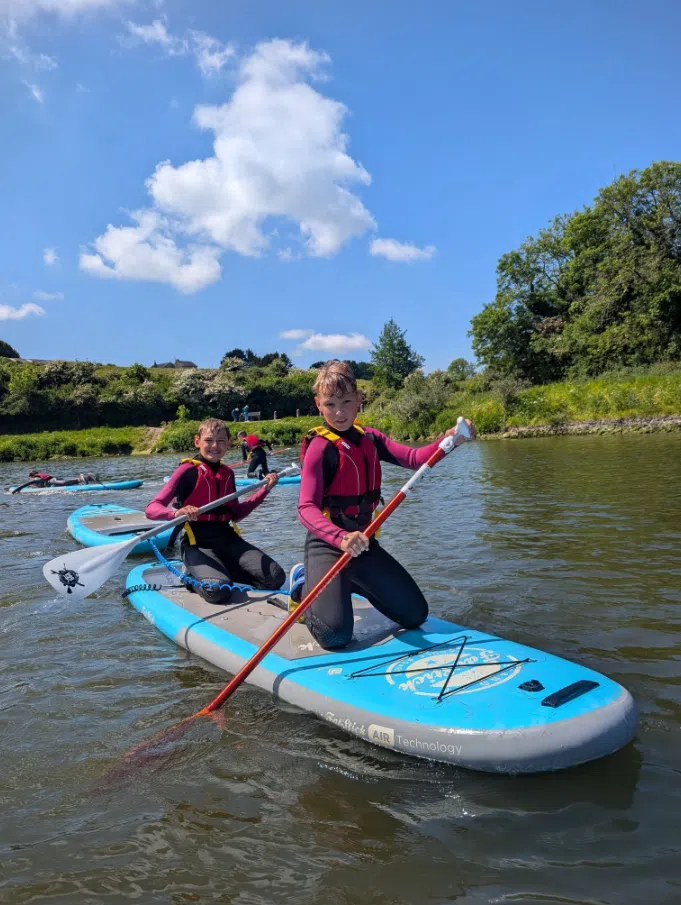
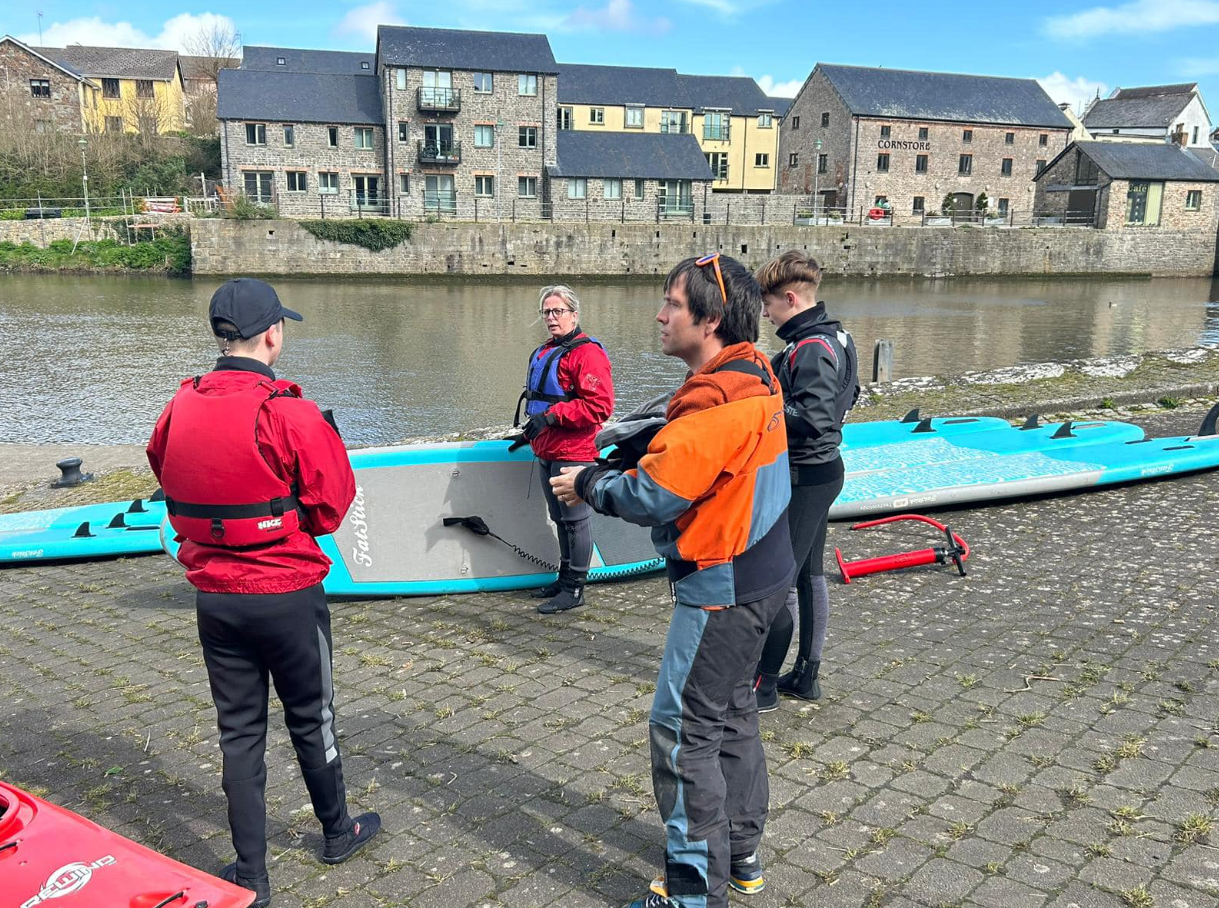
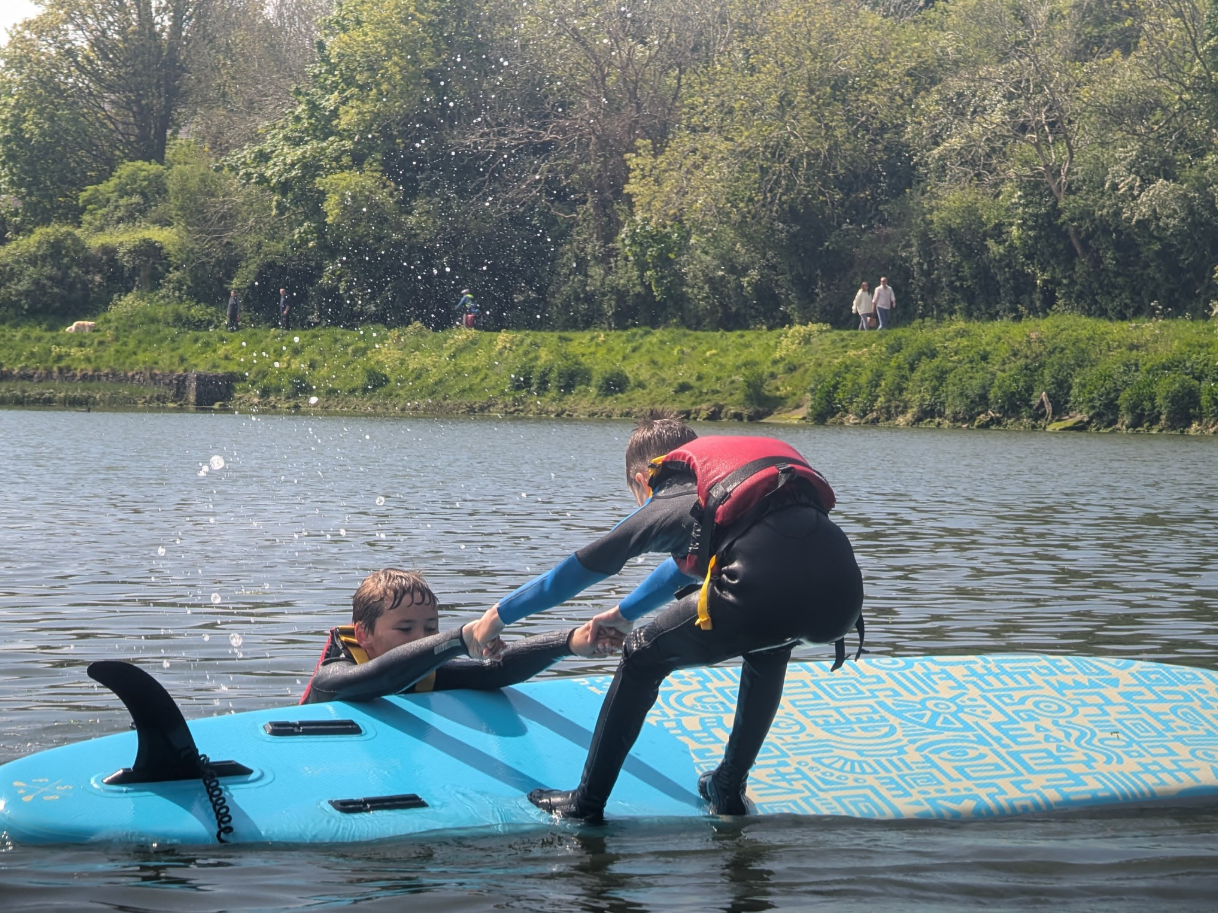
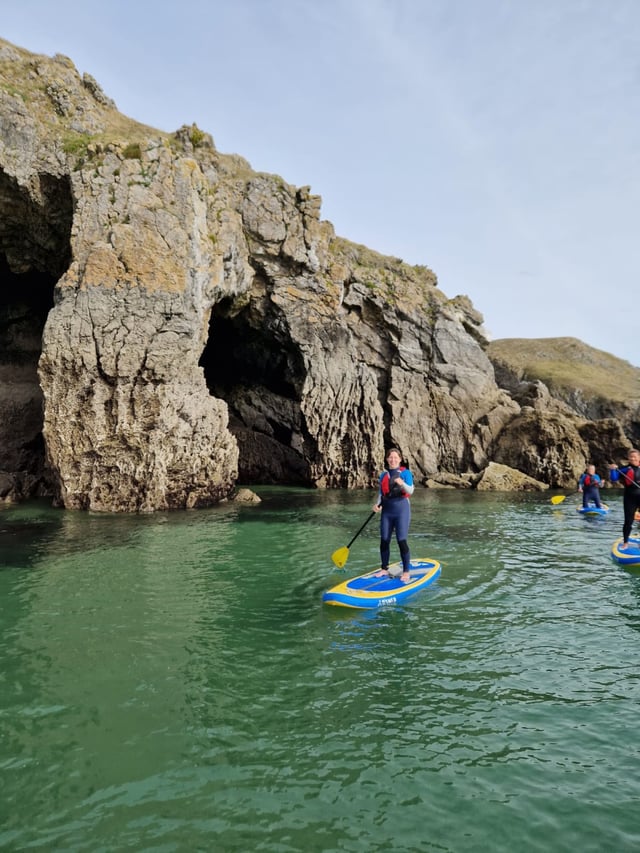
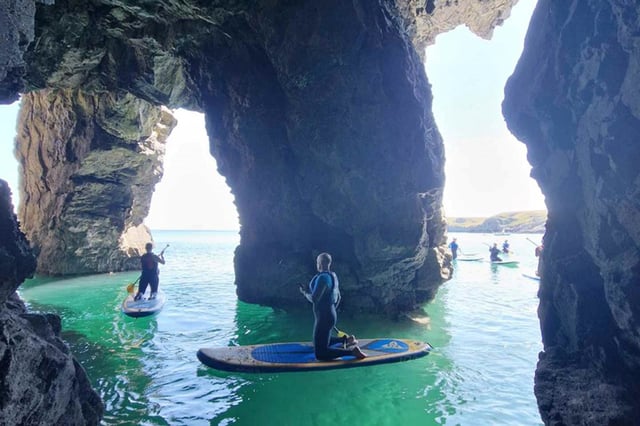
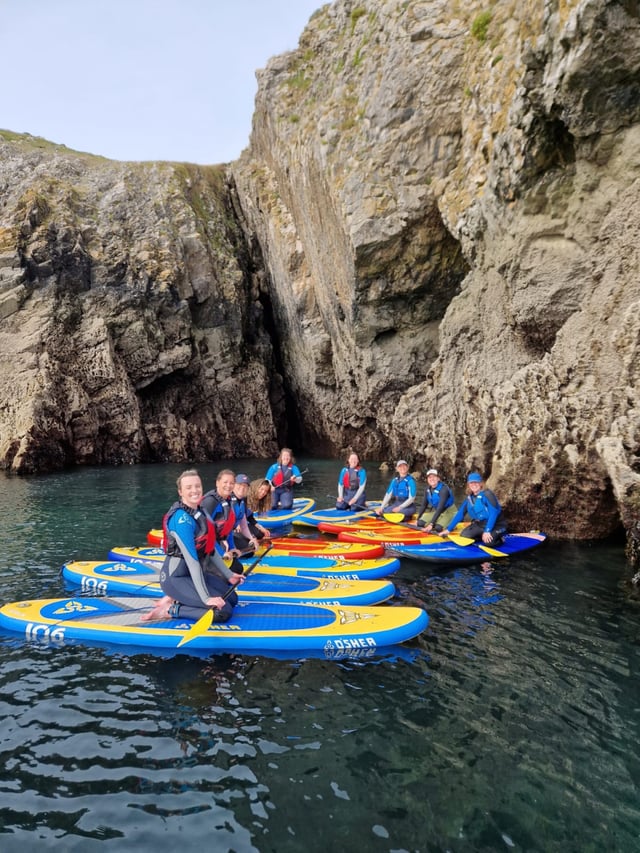
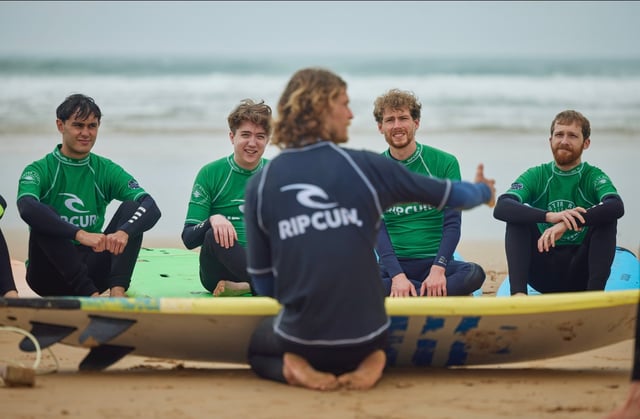
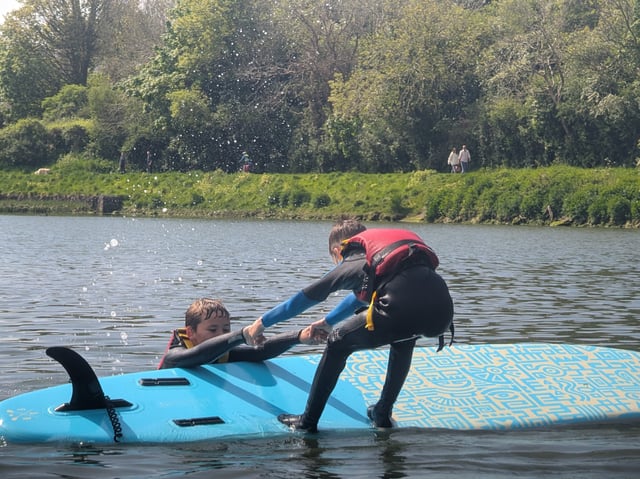
A beginner lesson on a calm bay or lake typically runs 90 minutes to two hours. Most people stand up within the first 20 minutes — wider beginner boards on flat water are designed to be stable, and the main challenge in the early stages is remembering to look at the horizon rather than your feet. After a lesson, guided coastal tours in Pembrokeshire open up sea caves, clifftop viewpoints and wildlife encounters that genuinely aren't accessible by any other means. Grey seals are a near-certainty on many Pembrokeshire coastal paddles.
Coastal SUP: what you need to know
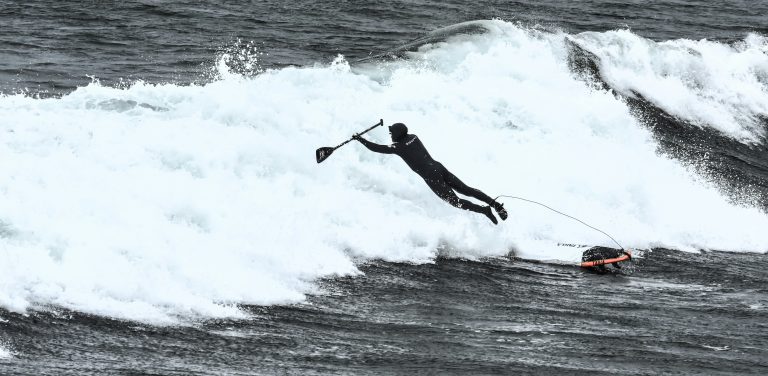
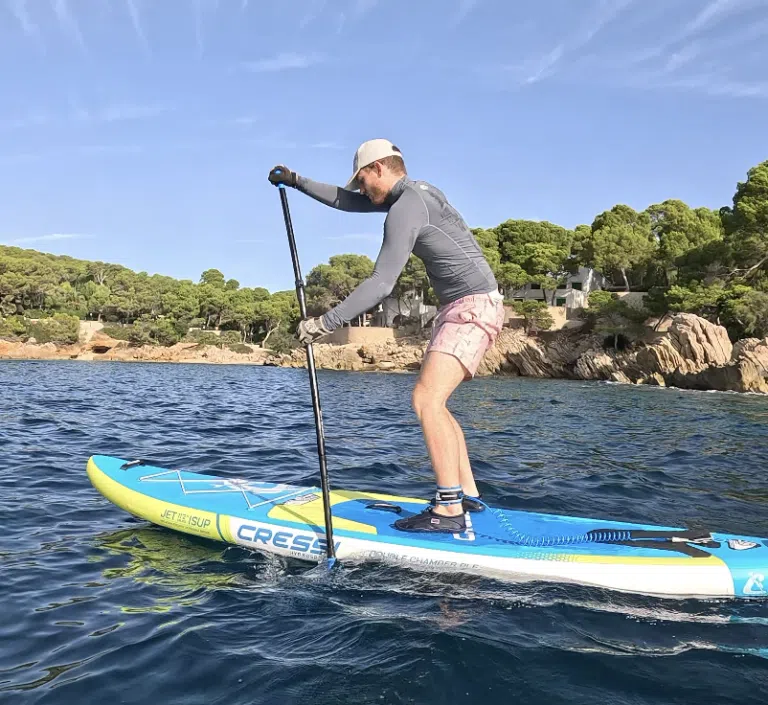
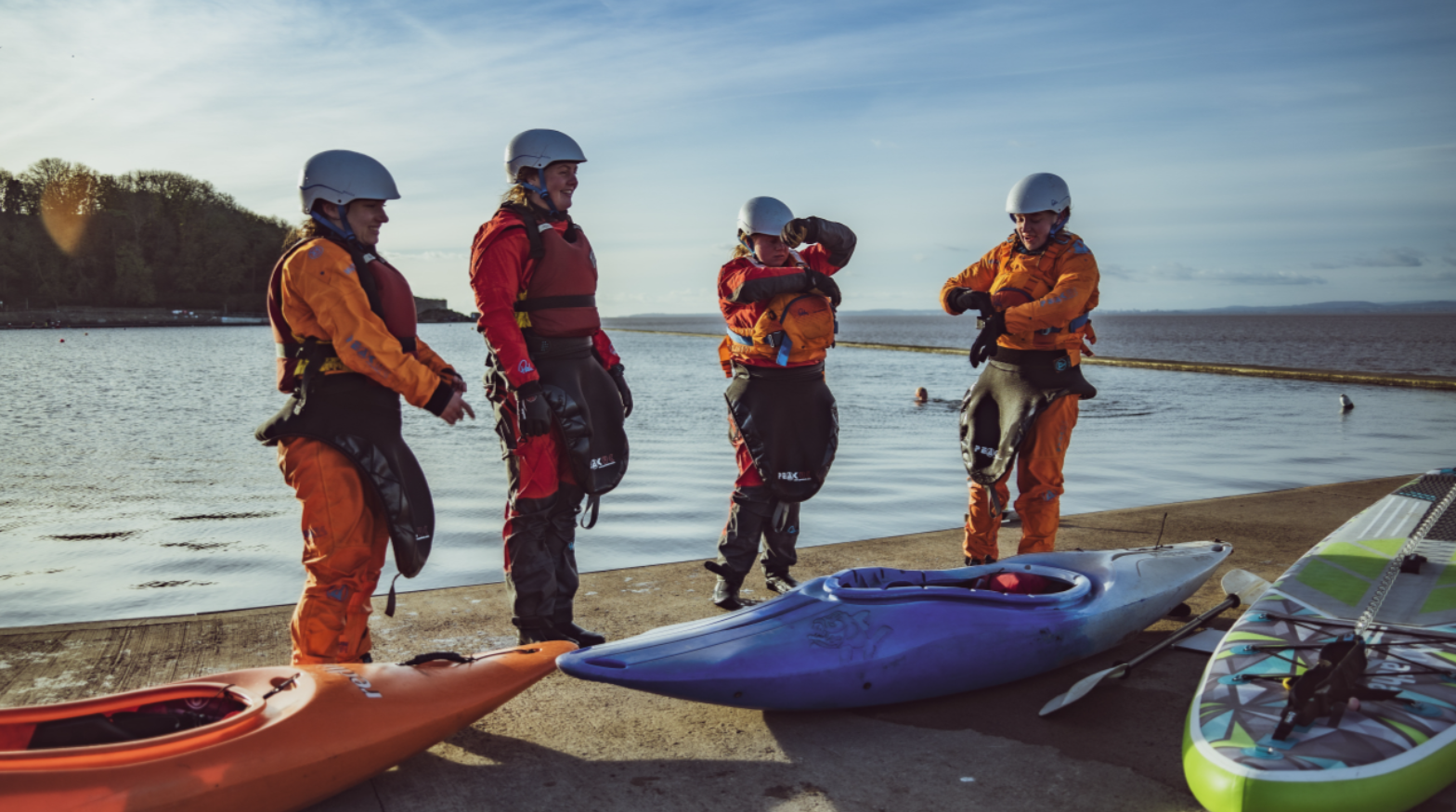
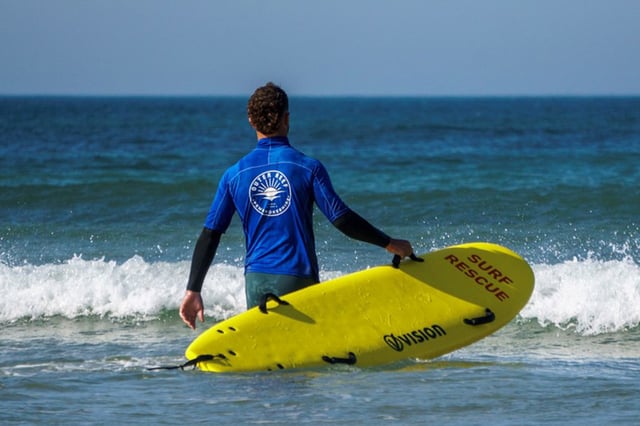
Coastal paddleboarding in Pembrokeshire involves the sea, which means tides, offshore wind and occasional swell. Morning sessions are almost always calmer — the onshore sea breeze typically builds through the afternoon on Atlantic-facing beaches. Go with a guide until you understand local conditions; the sea doesn't give much warning when it decides to become inconvenient. A leash is non-negotiable in any coastal setting; falling off near a rocky headland without one is the kind of experience nobody wants to repeat. Equipment — board, paddle, leash, buoyancy aid, wetsuit — is provided by all listed operators.
Year-round paddleboarding in Wales
The lakes and sheltered bays of Wales are paddleable year-round with appropriate kit — a 5/4mm wetsuit and a calm morning make a winter session on Llyn Padarn an entirely reasonable proposition, and the light in autumn and winter in Snowdonia is something else. Coastal SUP realistically runs April to October for most people; water temperatures in Pembrokeshire reach 17–18°C by late summer, dropping to 9–10°C by January. A wetsuit keeps you comfortable rather than in danger across most of this range.
Wales SUP centres on adventuro