

How to Choose the Perfect Paddleboard: A Comprehensive Guide
Selecting the perfect paddleboard is essential. The right board can make all the difference, whether you’re a beginner just getting your feet wet or an experienced paddler looking to upgrade. A well-chosen paddleboard will match your skill level, suit the type of paddling you plan to do, and feel comfortable under your feet.
Choosing the wrong board, on the other hand, can lead lots of frustration and difficulty balancing, and will mean you progress slower. It’s important to consider factors like board type, size, and material.
This guide is designed to help you navigate the diverse world of paddleboards and find the one that’s just right for you. Whether you’re interested in leisurely paddling on calm lakes, catching waves in the ocean, embarking on long-distance tours, or even practicing yoga on the water, we’ll provide the insights you need to choose a board that fits your goals and lifestyle.
II. Understanding Different Types of Paddleboards
A. All-Around Paddleboards
All-around paddleboards are the most versatile option and are ideal for beginners and more casual paddlers. These boards are designed to perform well in various conditions, making them a popular choice for those who want to try a bit of everything. They typically feature a rounded nose and a wide deck, providing excellent stability and balance on flat water and small waves.
An all-around board is perfect if you’re new to paddleboarding or if you enjoy mixing up your activities, such as casual paddling, light surfing, or even yoga. Their versatility means you won’t be limited to a single type of paddling, allowing you to explore different aspects of the sport as your skills develop.
B. Touring Paddleboards
Touring paddleboards are designed for paddlers who are interested in covering longer distances efficiently. They usually have a pointed nose, known as a displacement hull, which helps the board cut through the water smoothly. Touring boards are longer and narrower than all-around boards, enhancing their speed and glide while maintaining reasonable stability.
These boards are ideal for exploring lakes, rivers, and coastal areas where you might encounter varying conditions. If you enjoy endurance paddling, fitness workouts, or multi-day excursions with gear, a touring paddleboard offers the performance and capacity you need.
C. Surf Paddleboards
Surf paddleboards are specifically crafted for riding waves and are generally shorter, narrower, and more maneuverable than other types. They have a more pronounced rocker (the curve from nose to tail) to handle the dynamic environment of the surf zone. While they excel in the ocean, surf paddleboards can be less stable on flat water, which might make them challenging for beginners.
If you’re an experienced paddler looking to add excitement to your sessions or have a background in surfing, a surf paddleboard will allow you to carve waves and perform more advanced maneuvers. These boards bring the thrill of surfing to the paddleboarding world.
D. Racing Paddleboards
Racing paddleboards are built for speed and designed with competition in mind. They are typically the longest and narrowest boards available, featuring a sleek, streamlined shape with a pointed nose and a narrow tail. This design minimizes drag and allows for maximum glide and efficiency through the water.
Due to their narrow width, racing boards offer less stability and are best suited for advanced paddlers who are comfortable balancing on a less forgiving platform. If you’re interested in participating in races or pushing your limits in terms of speed and performance, a racing paddleboard is the right choice.
E. Yoga Paddleboards
Yoga paddleboards provide a floating yoga mat experience, combining the tranquility of the water with the benefits of yoga practice. These boards are wider and more stable, offering a generous platform for performing poses and movements. Many yoga paddleboards feature a full-length, soft deck pad that provides extra comfort and grip.
For yogis and fitness enthusiasts looking to take their practice to a new environment, yoga paddleboards offer a unique and rewarding challenge. They are also suitable for beginners who prioritise stability and may want to use the board for casual paddling as well.
F. Fishing Paddleboards
Fishing paddleboards are tailored for anglers who want to combine paddleboarding with their love of fishing. These boards prioritize stability to accommodate standing casts and the extra weight of fishing gear. They often include features like built-in mounts for rod holders, coolers, and other accessories, as well as additional storage space.
If you’re looking to access hard-to-reach fishing spots or prefer a quiet, eco-friendly way to fish, a fishing paddleboard provides the functionality and convenience you need. The elevated vantage point also offers better visibility into the water, enhancing your fishing experience.
III. Inflatable vs. Solid Paddleboards
Choosing between an inflatable paddleboard (iSUP) and a solid (epoxy) paddleboard is a significant decision that depends on various factors like convenience, performance, and personal preference. Both types have their own set of advantages and drawbacks, so understanding these can help you select the board that best fits your needs.
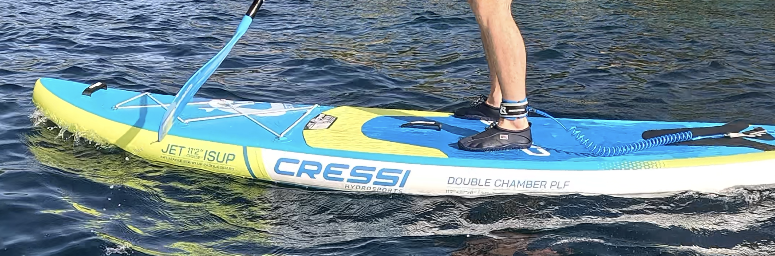
A. Inflatable Paddleboards (iSUPs)
Inflatable paddleboards have become increasingly popular due to advancements in technology that have improved their performance and durability. These boards are made from rugged PVC materials and are designed to be inflated to high pressures, providing a rigid and stable platform once fully pumped up.
Pros:
- Easy to Transport and Store: One of the biggest advantages of iSUPs is their portability. When deflated, they roll up into a compact size that fits into a backpack or carry bag, making them easy to transport in a car trunk, on public transportation, or even on a plane.
- Durable and Resistant to Impacts: Inflatable boards are surprisingly durable. The PVC construction can withstand bumps against rocks, docks, and other obstacles that might damage a solid board. They are less prone to dings and scratches, making them a robust choice for paddlers who may encounter rough conditions or prefer a low-maintenance option.
- Comfortable Underfoot Due to Slight Flexibility: The slight flexibility of an inflatable board provides a more cushioned feel underfoot, which can be more comfortable during long paddling sessions. This flexibility can also absorb small waves and chop, offering a smoother ride in certain conditions, albeit with reduced performance.
Cons:
- Requires Inflation and Deflation: Before you can hit the water, you’ll need to inflate your board, which can take anywhere from 5 to 15 minutes depending on the pump used. After your session, you’ll need to deflate it and pack it away. While not a significant hurdle, this extra step adds time to your paddleboarding routine and requires a bit of physical effort. Having said that, I leave mine inflated year round for easy paddling.
- Slightly Less Rigid Than Solid Boards, Affecting Performance: Although modern iSUPs are designed to be very rigid when fully inflated, they still have a bit more flex than solid boards. This can result in slightly decreased performance in terms of speed, responsiveness, and stability, especially in choppy water or when carrying heavy loads.
B. Solid (Epoxy) Paddleboards
Solid paddleboards, often made from an EPS foam core wrapped in fiberglass and epoxy resin, are the traditional choice for many paddlers. They come in various shapes and sizes tailored to specific types of paddling, from surfing to racing.
Pros:
- Superior Performance with Better Glide and Responsiveness: Solid boards generally offer better performance on the water. Their rigid construction allows for greater speed, efficiency, and maneuverability. They glide smoothly and respond quickly to shifts in weight and paddle strokes, which can enhance your overall paddling experience.
- No Need for Inflation; Ready to Use Immediately: With a solid board, you can simply grab it and go. There’s no need to spend time inflating or deflating, which means you can spend more time on the water. This convenience can be a significant advantage if you have limited time for paddling sessions.
Cons:
- Bulkier and Harder to Transport: Solid boards are large and can be cumbersome to move around. Transporting them typically requires a roof rack or a large vehicle, and handling them can be challenging, especially if you’re on your own. Storage can also be an issue if you don’t have ample space at home.
- Susceptible to Dings and Scratches: The hard surface of solid boards can be damaged by impacts with rocks, docks, or other hard surfaces. Dings, cracks, and scratches not only affect the board’s appearance but can also impact its performance and durability if not repaired promptly.
C. Factors to Consider When Choosing Between Them
When deciding between an inflatable and a solid paddleboard, consider the following factors to determine which type aligns best with your lifestyle and paddling aspirations.
1. Your Available Storage Space and Transportation Means
- Storage Space: If you live in an apartment or have limited storage, an inflatable board’s compact size when deflated is a significant advantage. Solid boards require more space and may need to be stored in a garage or a dedicated storage area.
- Transportation: Without a large vehicle or roof rack, transporting a solid board can be challenging. Inflatable boards can be easily carried in a car trunk or even on public transportation. If you plan to travel with your board, especially by air, an iSUP is far more convenient.
2. Desired Performance Level and Paddling Goals
- Performance Needs: If you prioritize top performance, speed, and responsiveness—perhaps for racing, surfing, or long-distance touring—a solid board may be the better choice due to its rigidity and superior handling.
- Recreational Use: For casual paddling, yoga, or family use, the performance differences may be less noticeable, and the benefits of an inflatable board could outweigh the slight decrease in performance.
3. Frequency and Locations of Use
- Frequency of Paddling: If you paddle frequently and value the convenience of quick setup and immediate use, a solid board saves time by eliminating the need for inflation.
- Variety of Locations: If you enjoy exploring different waterways and need a board that’s easy to transport to various locations, an inflatable board offers unmatched convenience.
- Travel and Adventure: For those who like to take their paddleboard on trips or hikes to remote paddling spots, the portability of an inflatable board makes it the ideal companion.
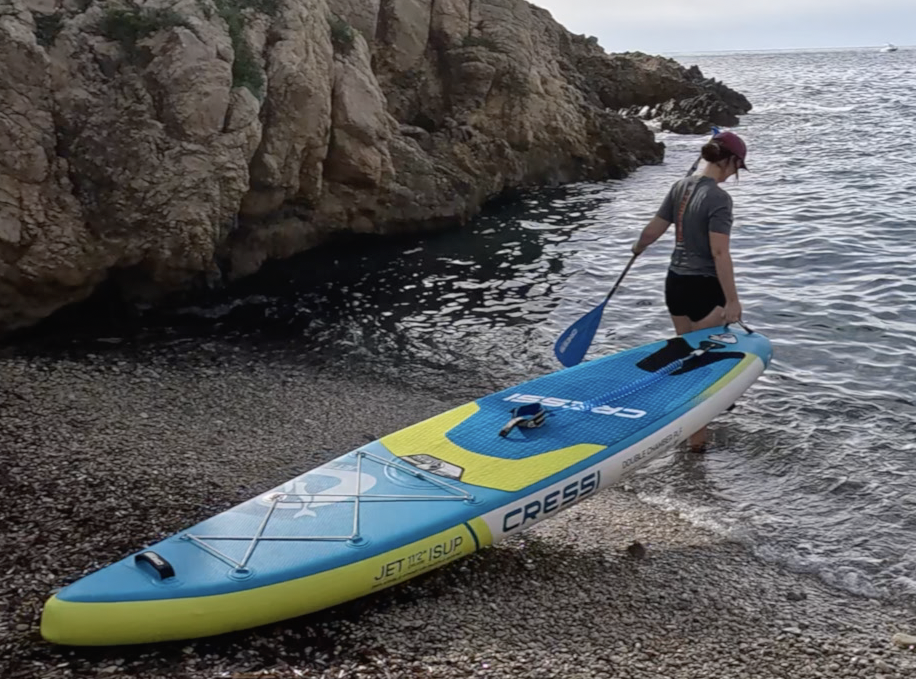
IV. Key Factors in Choosing a Paddleboard
A. Skill Level
Your skill level is a crucial factor in selecting the right paddleboard. The board you choose should match your experience to ensure a positive and enjoyable paddling experience.
- Recommendations for Beginners:
- Stability is Key: Beginners should opt for boards that are wider, longer, and have a higher volume. These features provide greater stability, making it easier to balance and learn proper paddling techniques.
- All-Around Boards: These are versatile and user-friendly, ideal for those just starting out.
- Inflatable Boards: Often recommended for novices due to their durability and softer surface, which can be more forgiving in case of falls.
- Recommendations for Advanced Paddlers:
- Performance-Oriented Boards: Experienced paddlers may prefer boards that offer increased speed, maneuverability, or suitability for specific activities like surfing or racing.
- Specialized Boards: Depending on your focus—be it touring, racing, or surfing—you might select a board designed specifically for that purpose.
- How Skill Level Affects Board Choice:
- Beginners: Need stability and ease of use to build confidence.
- Intermediate to Advanced Paddlers: Can handle narrower, shorter, or longer boards that require better balance and technique but offer enhanced performance.
B. Intended Use
Understanding how you plan to use your paddleboard will guide you toward the right type.
- Recreational Paddling: Versatility for casual paddling on flat water.
- Touring: Longer length for speed and efficiency over distances; ample storage for gear.
- Surfing: Shorter length and increased maneuverability to ride waves effectively.
- Racing: Long and narrow design for maximum speed and glide.
- Yoga or Fitness: Wide and stable platform with a full deck pad for comfort during exercises.
- Fishing: Enhanced stability, storage options, and attachments for fishing gear.
C. Board Dimensions
The size of your paddleboard directly impacts its stability, speed, and maneuverability.
- Length:
- Short Boards (Under 10’):
- Pros: Highly maneuverable; excellent for surfing.
- Cons: Less stable; not ideal for beginners or long-distance paddling.
- Medium Boards (10’–12’):
- Pros: Versatile; good balance of speed and stability.
- Ideal For: All-around use, suitable for most paddlers, especially beginners.
- Long Boards (12’6” and Above):
- Pros: Faster and track straighter; efficient for covering distances.
- Ideal For: Touring and racing.
- Short Boards (Under 10’):
- Width:
- Narrow Boards (Under 30”):
- Pros: Faster and more responsive.
- Cons: Less stable; best for advanced paddlers.
- Medium Width Boards (30”–32”):
- Pros: Balanced stability and speed.
- Ideal For: General use; suitable for most paddlers.
- Wide Boards (33” and Above):
- Pros: Highly stable; great for yoga, fishing, and beginners.
- Cons: Slower due to increased drag.
- Narrow Boards (Under 30”):
- Thickness and Volume:
- Impact on Buoyancy and Weight Capacity:
- Thicker boards have more volume, providing greater buoyancy.
- Essential for heavier paddlers or when carrying additional gear.
- Considerations:
- Ensure the board’s volume aligns with your weight for optimal performance.
- A board that’s too thin may sit low in the water, affecting stability and speed.
- Impact on Buoyancy and Weight Capacity:
D. Weight Capacity
I sometimes like to go paddling with 2 people and some snorkeling kit on one board so having a larger inflatable board helps with stability.
- Ensuring Support:
- Check the manufacturer’s specifications for maximum weight capacity.
- Include your body weight plus any gear you plan to carry.
- Impact on Performance:
- Overloading a board can cause it to become unstable and less responsive.
- Underloading may not significantly affect performance but ensure the board isn’t too large to handle comfortably.
E. Hull Types
The hull design affects how the board moves through the water.
- Planing Hull:
- Design: Flat and wide, similar to a surfboard.
- Performance: Rides on top of the water; offers stability and maneuverability.
- Best For: Leisure paddling, surfing, yoga, and beginners.
- Displacement Hull:
- Design: Pointed nose (bow) that cuts through the water.
- Performance: Efficient and smooth glide; tracks straight.
- Best For: Touring, racing, and long-distance paddling.
F. Material and Construction
The construction material affects the board’s weight, durability, performance, and price.
- Foam Boards:
- Pros: Soft and forgiving; good for beginners and children.
- Cons: Less durable and lower performance compared to other materials.
- Fiberglass Boards:
- Pros: Lightweight with good performance; commonly used for solid boards.
- Cons: Can be susceptible to damage from impacts; moderate in price.
- Carbon Fiber Boards:
- Pros: Extremely lightweight and stiff; offers high performance.
- Cons: Expensive; may be overkill for casual paddlers.
- Plastic Boards:
- Pros: Highly durable and affordable.
- Cons: Heavier and less responsive; lower performance.
- Inflatable Boards (PVC Construction):
- Pros: Durable and portable; good for general use.
- Cons: Slightly less rigid; won’t perform as well as solid boards for covering distance or .
How Material Affects Weight, Durability, and Price:
- Weight: Lighter boards (carbon fiber) are easier to carry and paddle but are more expensive.
- Durability: Plastic and inflatable boards resist dings and are suitable for rugged use.
- Price: Foam and plastic boards are budget-friendly; fiberglass offers a mid-range option; carbon fiber is premium priced.
V. Budget Considerations
Choosing the right paddleboard involves not only understanding the technical aspects but also considering your budget. Paddleboards come in a wide range of prices! Although in recent years the prices have been getting more affordable for great quality boards.
A. Price Ranges
- Entry-Level Boards: If you’re new to paddleboarding or on a tight budget, entry-level boards offer an affordable way to get started. These boards are typically made from cost-effective materials like foam or basic fiberglass and have simpler designs. Cheaper inflatable boards are generally are more flexible and less stable which you can really feel in rougher conditions or when just stating out.
- Mid-Range Boards: Mid-range boards strike a balance between quality and cost. They often feature better construction materials, such as higher-grade fiberglass or reinforced inflatables, and include more design features that enhance performance.
- High-End Boards: High-end paddleboards are made from premium materials like carbon fiber and incorporate advanced design elements for superior performance. These boards are geared toward enthusiasts and professionals who demand the best.
B. Balancing Cost and Quality
When deciding how much to invest in a paddleboard, consider the following:
- Frequency of Use: If you plan to paddleboard regularly, investing in a higher-quality board makes sense. A durable, well-performing board will enhance your experience and may save you money in the long run by lasting longer.
- Commitment Level: For those testing the waters, an entry-level board may suffice. However, if you’re committed to the sport, allocating more budget toward a quality board can provide better performance and satisfaction.
- Long-Term Value: Sometimes, spending a bit more upfront on a durable and well-made board can be more economical over time. Cheaper boards wear out faster or for inflatable may not survive a contact with a rock.
C. New vs. Used Boards
Buying a used paddleboard can be an excellent way to get a higher-quality board at a reduced price, but it comes with considerations.
- Pros of Purchasing Second-Hand
- Cost Savings: Used boards are generally less expensive than new ones.
- Higher Quality for Less: You may afford a better model than you could buy new within your budget.
- Cons of Purchasing Second-Hand
- Wear and Tear: Used boards may have damage that affects performance or requires repair.
- No Warranty: Typically, second-hand purchases don’t come with manufacturer warranties.
Tips for Evaluating the Condition of a Used Board:
- Inspect for Damage: Look for dings, cracks, or soft spots on solid boards, and leaks or excessive wear on inflatables.
- Check the Fins and Attachments: Ensure fins are intact and attachment points are secure.
- Ask About History: Inquire how the board was used and stored. Boards used in harsh conditions or stored improperly may have hidden issues.
- Test It Out: If possible, take the board for a test paddle to assess its performance.
VI. Additional Features and Accessories
Beyond the board itself, various features and accessories can enhance your paddleboarding experience. Paying attention to these details can improve comfort, performance, and functionality.

A. Deck Pads
The deck pad is the textured surface on top of the board where you stand.
- Importance for Comfort and Traction:A good deck pad provides grip, preventing your feet from slipping, which is crucial for balance and control. It also adds cushioning, making long sessions more comfortable.
- Full-Length Pads vs. Standard Pads:
- Full-Length Pads: Cover the entire top surface of the board. Ideal for activities like yoga or carrying passengers (like a child or pet) where you might utilize the entire board.
- Standard Pads: Typically cover the middle section where you stand. Sufficient for general paddling needs.
B. Fins
Fins affect the board’s stability and maneuverability by influencing how it tracks and turns in the water.
- Fin Configurations:
- Single Fin: Common on many boards, especially touring and racing models. Provides good tracking and is easy to maintain.
- Thruster (Three Fins): Includes one larger center fin and two smaller side fins. Offers a balance between stability and maneuverability, suitable for surfing and all-around use.
- Quad Setups (Four Fins): Provides enhanced grip and control in the surf, allowing for sharper turns.
- How Fin Configuration Affects Performance:
- Stability: Larger fins and multiple fin setups increase stability and help the board track straight.
- Maneuverability: Smaller fins or fewer fins make the board easier to turn but may reduce straight-line tracking.
C. Attachment Points
Attachment points expand the functionality of your board.
- Bungee Systems for Carrying Gear: Located on the nose or tail, bungee cords allow you to secure items like dry bags, water bottles, or other essentials. Essential for touring, fishing, or any activity where you need to bring extra gear.
- D-Rings for Attaching Seats or Leashes: D-rings are metal rings embedded into the board, providing versatile attachment points. You can attach a kayak seat to convert your paddleboard into a sit-on-top kayak or secure leashes and other accessories.
D. Handles and Mounts
These features enhance the practicality and enjoyment of your paddleboarding experience.
- Center Carry Handles for Transport: A well-placed handle makes carrying your board to and from the water much easier. Some boards also have additional handles on the nose or sides, helpful when transporting with a partner or maneuvering the board in the water.
- Mounts for Action Cameras, GPS Devices, or Fishing Rods:
- Action Camera Mounts: Capture your adventures by attaching a GoPro or similar device.
- GPS Device Mounts: Useful for tracking distance, speed, and routes during touring or training.
- Fishing Rod Holders: Essential for anglers to secure rods and other fishing equipment.
VII. Trying Before You Buy
One of the most effective ways to choose the right paddleboard is to try it out before making a purchase.
- The Benefits of Testing Boards in Real Conditions: By paddling on the water, you can experience firsthand how a board handles, how stable it feels under your feet, and whether it meets your expectations. Testing allows you to compare different sizes, shapes, and materials to see which suits your skill level and intended use.
- Questions to Ask During a Demo Session: While trying out boards, consider asking yourself and the staff the following questions:
- How stable is the board, and does it suit my balance?
- Is the board responsive and easy to maneuver?
- Does it track straight when paddling?
- Is the size appropriate for my height and weight?
- How does the board perform in the specific conditions I plan to paddle in?
- Are the features like deck pads, fins, and attachment points meeting my needs?
- Would this board accommodate my progression as I improve my skills?
B. Seeking Expert Advice
Consulting with professionals can provide valuable insights that enhance your decision-making process.
- Consulting with Local Paddleboard Shops: Local paddleboard shops are staffed by enthusiasts who are passionate about the sport. They can offer personalized recommendations based on your experience level, intended use, and budget. Visiting a shop allows you to physically inspect different boards, feel their weight, and discuss the pros and cons of various models with knowledgeable staff.
- Gaining Insights from Experienced Paddlers or Instructors: Connecting with experienced paddlers or certified instructors can offer practical advice and firsthand experiences. They can share tips on what to look for in a board, caution against common mistakes, and even suggest specific brands or models. Joining local paddleboarding groups or forums is a great way to tap into a community of enthusiasts eager to help newcomers.
VIII. Caring for Your Paddleboard
Proper care and maintenance of your paddleboard will extend its lifespan and ensure it remains safe and enjoyable to use.
A. Maintenance Tips
- Cleaning After Use to Prevent Damage: After each session, rinse your paddleboard with fresh water to remove salt, sand, and dirt. This is especially important if you’ve been paddling in the ocean, as saltwater can corrode metal parts and degrade materials over time. Use a mild soap if necessary, but avoid harsh chemicals that could damage the board’s surface.
- Regular Inspections for Dings or Leaks: Regularly inspect your board for any signs of damage, such as cracks, dents, or soft spots on solid boards, and punctures or leaks on inflatables. Addressing these issues promptly can prevent more significant problems down the line. For inflatable boards, ensure that valves are clean and functioning correctly.
B. Storage Guidelines
- Proper Storage to Prolong Board Life: Store your paddleboard in a cool, dry place away from direct sunlight. If possible, keep it indoors to protect it from the elements. Use a padded board bag for additional protection, especially for solid boards, to prevent scratches and dings.
- Protecting from Extreme Temperatures and Sunlight: Prolonged exposure to extreme heat, cold, or UV rays can damage your board. Avoid leaving it in a hot car or under direct sunlight for extended periods. If outdoor storage is your only option, consider using a UV-resistant cover and keep the board off the ground to protect it from moisture.
C. Transportation
- Using Proper Racks or Bags: When transporting a solid board, use a suitable roof rack with padded bars or specific SUP carriers to secure it to your vehicle. Inflatable boards can be deflated and stored in their carry bags, making transportation easier and more convenient.
- Securing the Board to Prevent Damage During Transit: Ensure that your board is securely fastened with quality straps, but avoid over-tightening, which can damage the board. Place it deck-side down with the fin at the rear to reduce wind resistance and prevent movement. For longer trips, check the straps periodically to ensure they remain tight.
A. Recap of Key Points
Selecting the perfect paddleboard is a blend of understanding your personal needs and the technical aspects of the boards available. By considering factors such as your skill level, intended use, board dimensions, weight capacity, hull types, and materials, you can make an informed decision that enhances your paddleboarding experience.
Understanding the importance of trying before you buy, seeking expert advice, and knowing how to care for your paddleboard will not only help you choose the right board but also ensure it serves you well for years to come.