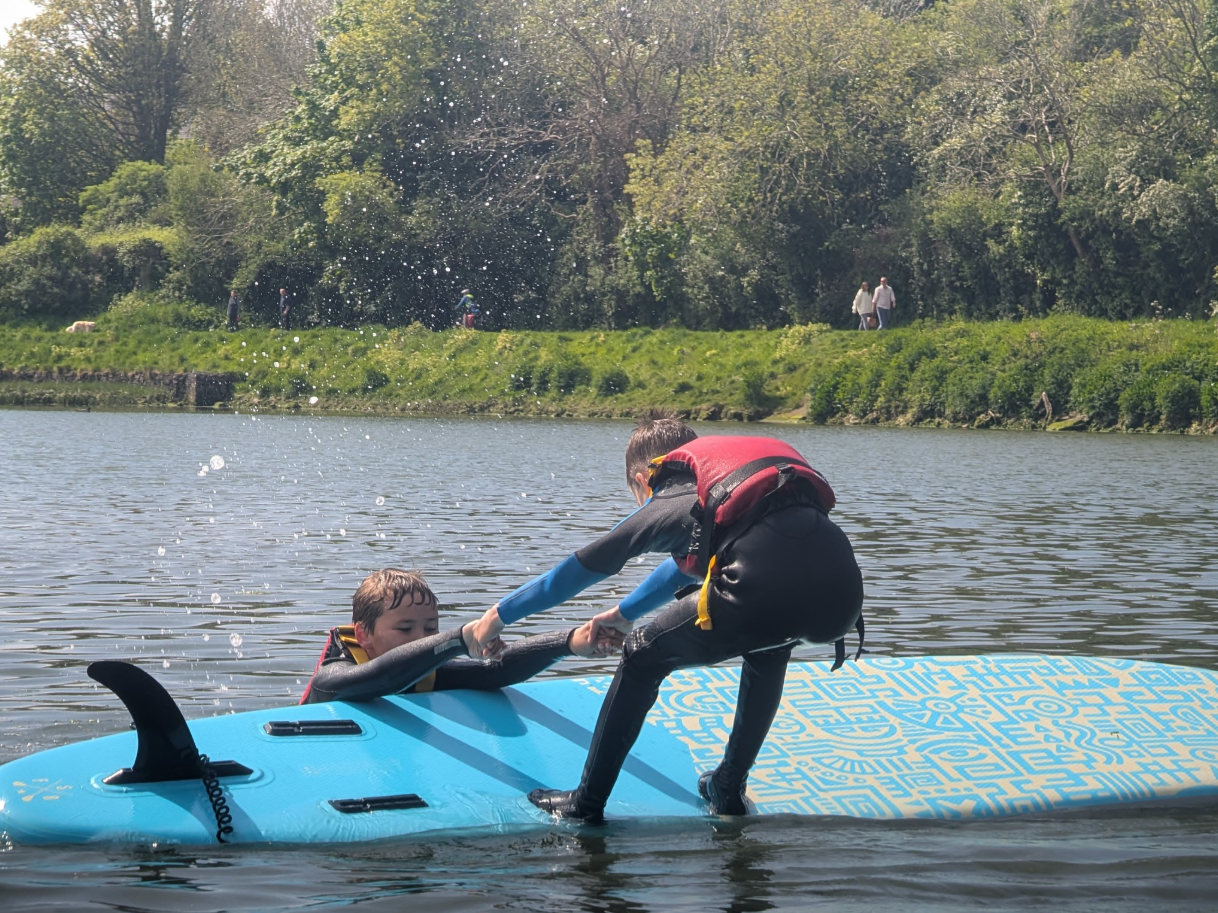

Ready to find a course or session?
Paddle UK Paddlesport Safety and Rescue Training (often called PSRT) is the foundation safety course for sheltered-water paddlers. You practise self-rescue, assisted rescues and simple towing in kayak, canoe and SUP scenarios on water you already paddle for fun.
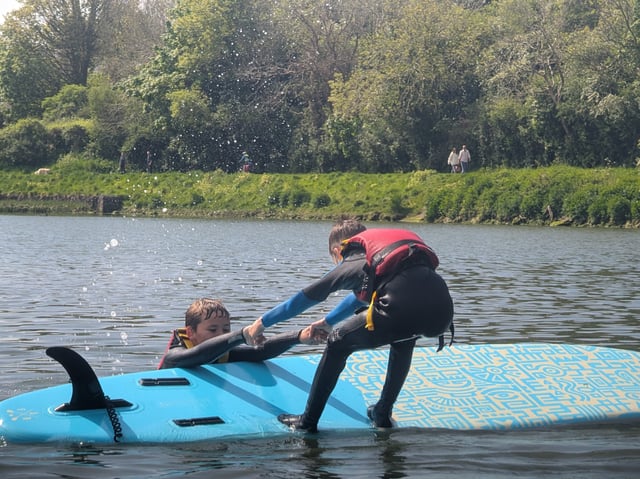
Most courses fit into one full day, sometimes two if the group needs extra repetition. Rescue practice is unglamorous until someone needs it. You get wet practising rescues. That is not a failure; everyone on the course has capsized on purpose by lunchtime.
The course supports progression toward Paddlesport Leader and other awards, but it stands alone as sensible training for club paddlers and families who paddle together. Leave a comment when you book with your usual craft if the centre allocates mixed-craft groups.
PSRT is a practical training course with continuous observation on the water by your Paddle UK tutor.
Quick answers about this qualification. For anything else, use live chat or browse bookable activities below.
Find activitiesIt is Paddle UK's foundation safety course for sheltered-water paddlers. You learn practical rescue skills for kayak, canoe and SUP through coached scenarios rather than classroom theory alone.
Centres often abbreviate it PSRT. It appears on membership records as prerequisite training for several leader awards.
Comfortable paddling your craft on sheltered water. You should already capsize occasionally without panic. Complete beginners should start with Paddle Start or Discover sessions first.
Leave a comment when you book with your craft and recent paddling hours so tutors pitch scenarios correctly.
Usually one full day. Some providers split across two shorter sessions or add a second day for mixed-craft groups who need extra practice.
Arrive early to rig boats. Late starts compress water time and nobody enjoys rushing rescues.
No written exam. Tutors observe practical rescue performance and discuss safety decisions during briefings. Completion depends on engaging with scenarios and demonstrating safe technique.
Ask questions when a rescue feels awkward. Repetition fixes most problems before the day ends.
Bring the craft you normally paddle if possible. Rescues feel different across kayak, canoe and SUP. Some centres hire boats if you arrange ahead.
Leave a comment when you book if you need hire or plan to practise rescues in a craft you are still learning.
Yes. Expect deliberate capsizes and in-water practice. Dress for immersion with spare warm layers ashore.
Rescue practice is unglamorous until someone needs it. Getting wet in training is normal, not a sign you are failing the course.
Yes for most leader registrations. Paddlesport Leader expects foundation safety training on your Paddle UK record alongside first aid and safeguarding.
White water paddlers later add White Water Safety and Rescue Training for river leader routes.
Buoyancy aid, helmet if your centre requires it, throwline, towline, spare paddle, whistle and appropriate clothing for swimming rescues. A dry bag with food and hot drink helps on cold venues.
Your centre sends a kit list. Buy or borrow throwlines before day one if possible.
Often fourteen at provider discretion. Younger paddlers with strong water confidence may find centres willing to accommodate on family courses. Ask directly when you book.
Leader awards themselves require sixteen. PSRT is still useful early for safety-aware teens.
Yes. Many paddlers retake after years away from regular paddling or before leader assessment to refresh muscle memory.
Leave a comment when you book if you are retaking for leader registration so the tutor knows your target award.
adventuro lists Paddle UK centres running PSRT on lakes, canals and sheltered rivers nationwide. Compare craft focus, hire options and whether the date suits your leader assessment timeline.
Leave a comment when you book with craft type and any leader award you are working toward.
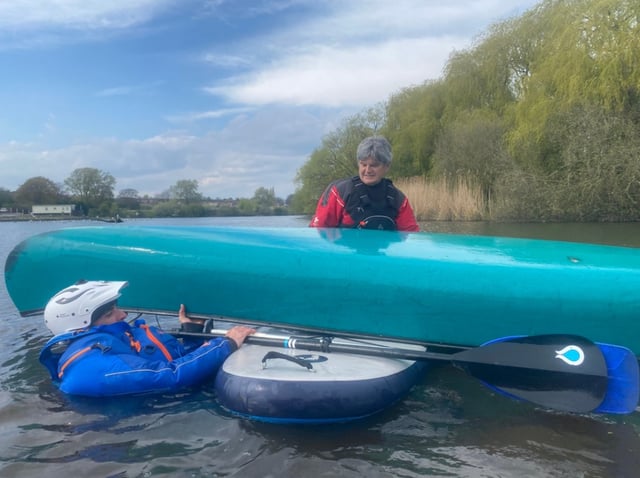
Learn essential river safety skills in a 3-hour workshop at Sandy Lane Park, Chester. For 2-4 people, £127.20. Paddle UK Award included.
From £ 33
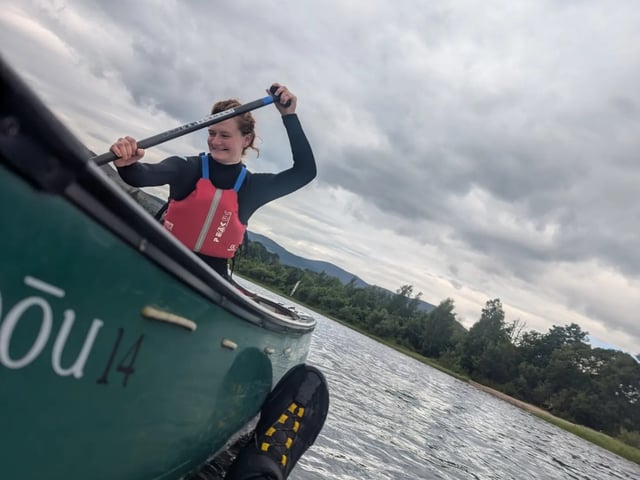
Enhance your paddling skills with a safety and rescue course in Kingussie, £91pp. Suitable for all ages, 08:30-17:00. Book now to gain essential water safety skills!
From £ 91

Enhance your paddling safety skills with our 1-day Paddlesport Safety and Rescue course. Open to all ages and skill levels. Led by expert Dan. Book now for £90 pp!
From £ 90
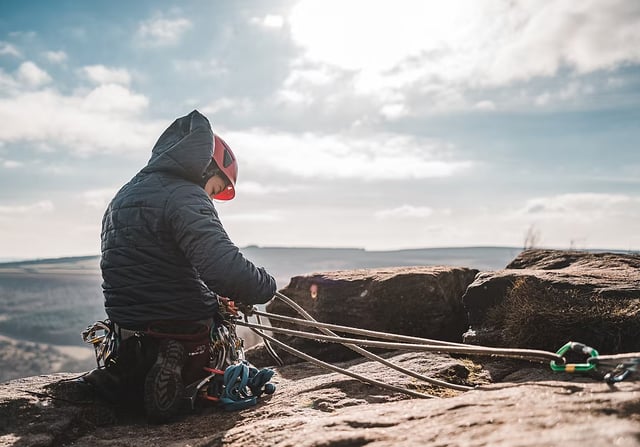
Train to become a qualified outdoor instructor in 18 weeks with 20 industry-recognised qualifications, real-world experience, and expert-led adventure training.
From £ 12000
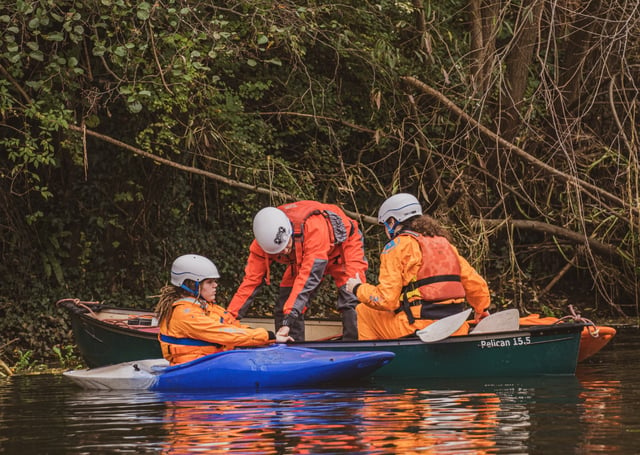
Learn vital paddlesport safety and rescue skills in Somerset. £90, 9am-5pm. No prerequisites. Practical, hands-on training in self-rescue and emergency techniques. Ages 16+.
From £ 90
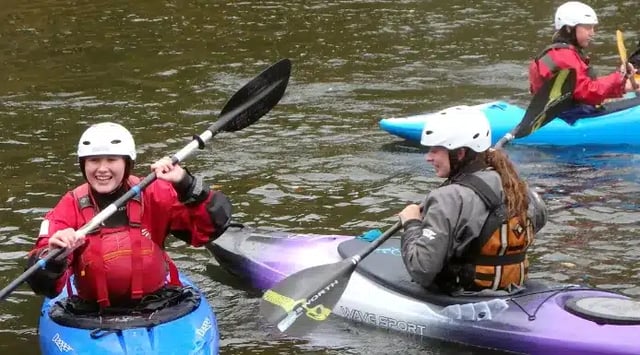
Take your Paddlesport Safety and Rescue course under expert guidance in Cumbria.
From £ 110
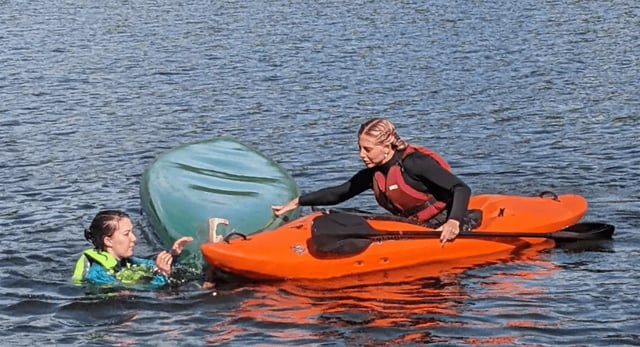
Build practical paddlesport rescue skills, risk awareness, and on-water decision making through hands-on training. From £120.
From £ 120

British Canoeing Awarding Body Paddlesport Safety & Rescue Course
From £ 115
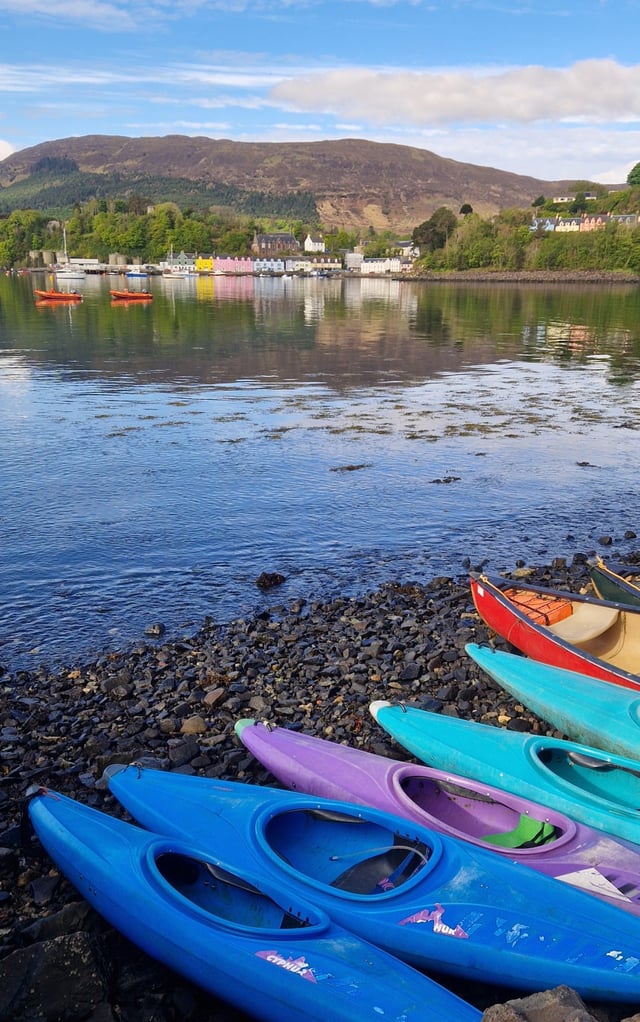
Learn essential paddlesport safety and rescue skills on Skye. Ideal prep for instructors or paddlers. From £90pp with expert instruction.
From £ 90
Paddle UK Safety & Rescue Award in Pembroke for all craft types. One-day hands-on course, £114pp. Pre-requisite for Paddlesport Instructor.
From £ 114