We partner with Rewilding Britain to help protect our natural spaces for future adventures.
All centres are vetted for safety and quality. Your adventure is in good hands with adventuro.
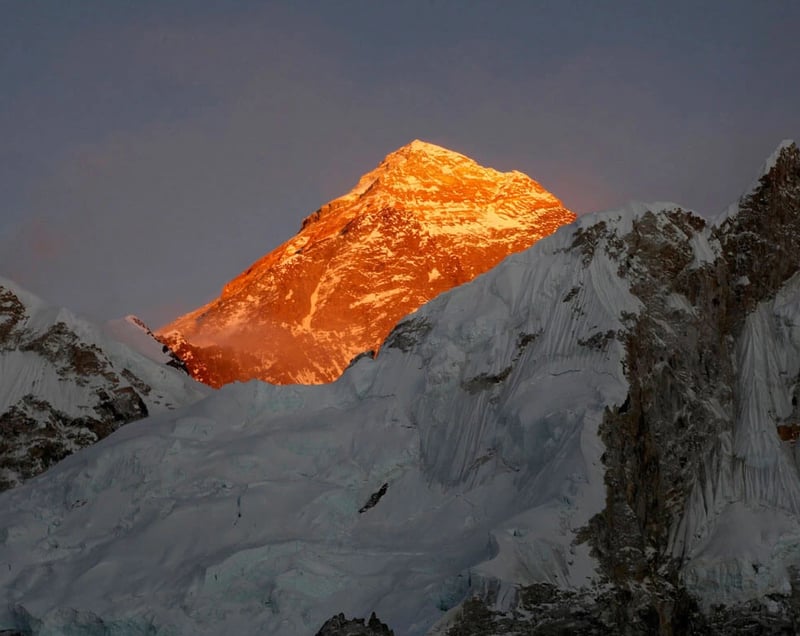
The Everest Trek with Helicopter Return combines high-altitude trekking with a quicker and more comfortable return, giving you the best of both worlds. This 11-day adventure follows the iconic Everest Base Camp trail before swapping days of descent for a scenic helicopter ride back to Kathmandu. It’s an ideal option for those short on time or wanting to avoid the strain of a lengthy downhill walk.
Day 01: Arrival in Kathmandu
You’ll be met at the airport and taken to your hotel in Thamel. There will be time to meet your guide, sort gear, and ask any questions about the trek.
Day 02: Kathmandu to Lukla, trek to Phakding
Take a short scenic flight to Lukla (from either Kathmandu or Ramechhap depending on weather). After meeting the porters and grabbing a hot drink, start walking towards Phakding along a gentle route.
Day 03: Phakding to Namche Bazaar
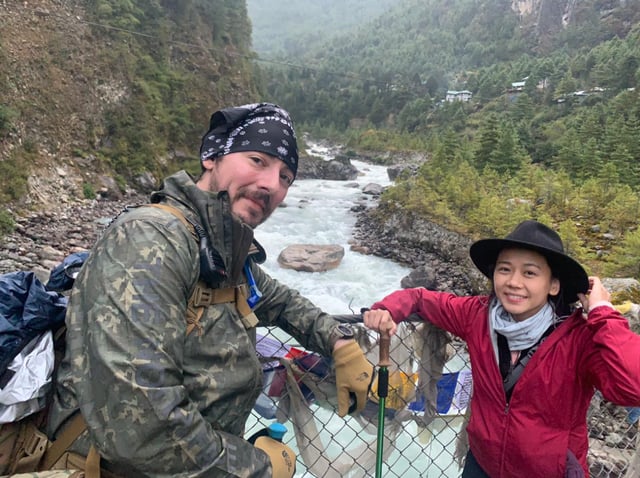
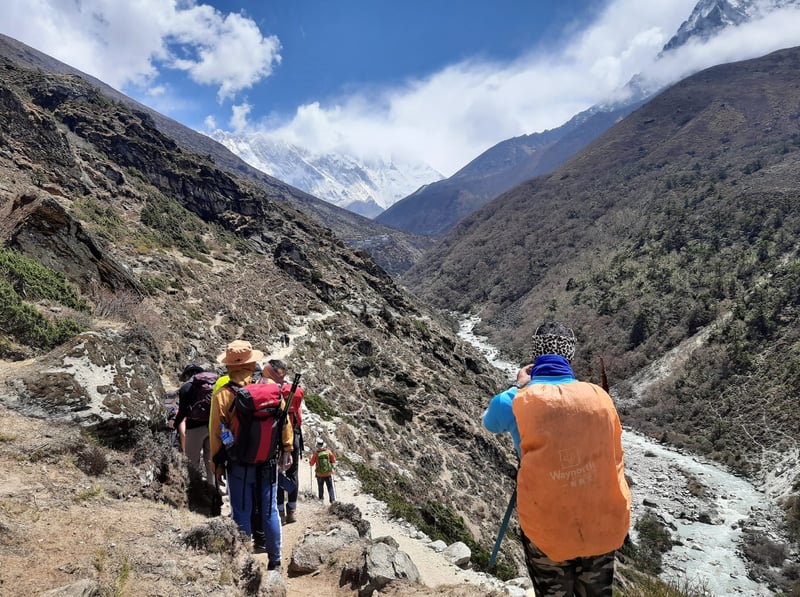
The trail follows the Dudh Koshi River, passing suspension bridges and pine forest. After lunch, there’s a tough climb to reach Namche Bazaar, the main Sherpa town.
Day 04: Acclimatisation Day – Hike to Everest View Hotel
Spend the day adjusting to the altitude with a hike to the Everest View Hotel (3,880m). Take in your first views of Everest and enjoy a relaxed afternoon in Namche.
Day 05: Namche to Tengboche
Begin with a gradual downhill walk before climbing up to Tengboche. In the evening, you’ll visit Tengboche Monastery, the spiritual heart of the Khumbu.
Day 06: Tengboche to Dingboche
Cross a river and pass small villages with panoramic views. The final section includes a brief stretch through a landslide area before reaching Dingboche.
Day 07: Acclimatisation Day
Take a short acclimatisation hike up Nagarjun Hill for more altitude training, then return to Dingboche for lunch and a relaxed afternoon.
Day 08: Dingboche to Lobuche
Follow a gentle trail to Thukla before a steeper climb to the memorials for lost climbers. Continue across the moraine to reach Lobuche.
Day 09: Lobuche to Gorakshep and Everest Base Camp
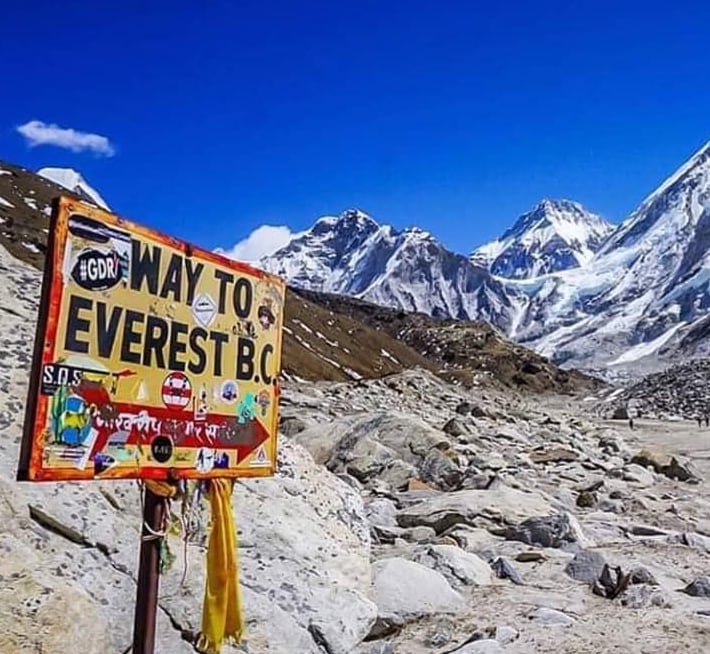
Walk to Gorakshep for lunch, then continue to Everest Base Camp. After spending time exploring and taking photos, return to Gorakshep for the night.
Day 10: Kala Patthar Hike and Helicopter to Kathmandu
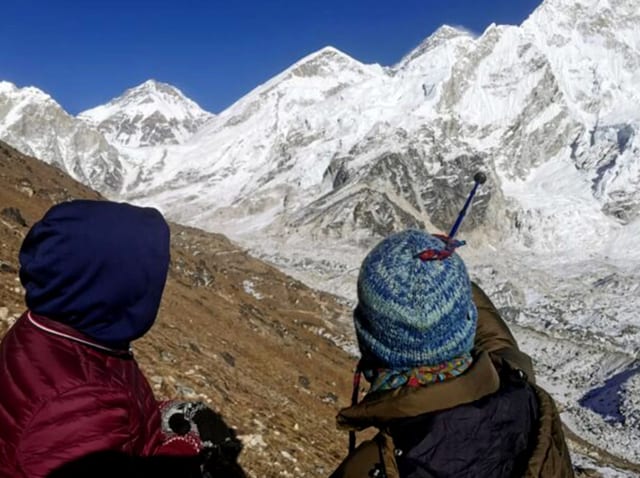
Start early to summit Kala Patthar (5,550m) for the best views of Everest. Return to Gorakshep and fly back to Kathmandu by shared helicopter, soaking in aerial views of the mountains.
Day 11: Departure Day
You’ll be transferred to the airport for your flight home, or continue your travels if staying longer in Nepal.
This trip starts and ends in Kathmandu, Nepal’s capital and the main entry point for most Himalayan adventures. You’ll stay in the lively area of Thamel, well known for its shops, restaurants, and trekking gear stores.
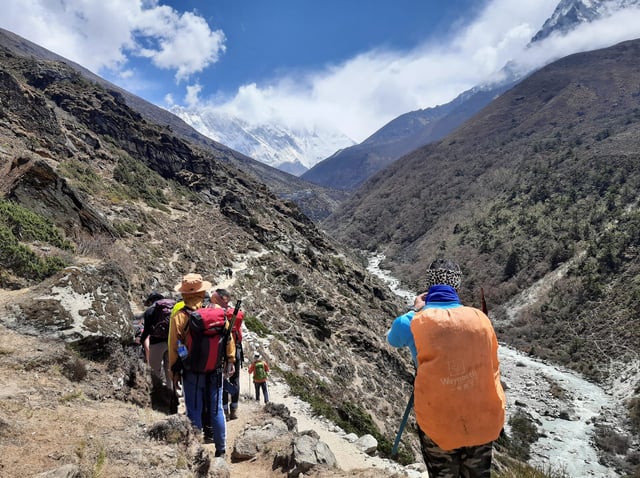
The trek itself follows the classic route through the Everest region, starting in Lukla and passing through iconic locations like Namche Bazaar, Tengboche, and Dingboche before reaching Everest Base Camp. The helicopter return offers an incredible way to see the route from above without the need to retrace your steps.
Your first and last nights will be in a comfortable hotel in Kathmandu, ideally located for walking access to shops and cafes. Rooms are on a shared basis with en-suite facilities and breakfast included.
On the trek, accommodation is in traditional teahouses, which are simple mountain lodges offering a warm bed, local meals, and a social atmosphere. Facilities vary, with shared toilets and cold water in most places. The teahouses are basic but full of character and a vital part of the Nepal trekking experience.
A good level of fitness is important as the trek includes long walking days and high altitude, though the helicopter return reduces overall fatigue. No technical climbing is involved, but previous trekking experience is recommended.
You’ll also need to be prepared for cold weather, early starts, and basic conditions. Acclimatisation days are built in, but altitude can still be a challenge, so listening to your guide and staying well hydrated is essential.
This centre is run by a team of experienced guides who specialise in trekking and adventure tours across Nepal, Bhutan, and Tibet. With hand-picked guides from mountain communities and extensive experience in the Everest region, they focus on both safety and memorable experiences.
They’ve worked with thousands of people over the years and continue to give back to the community through local projects and employment. With more than 2500 happy customers and glowing online reviews, their trips offer a friendly, well-organised, and personal approach to adventure.
The trek to Everest Base Camp is physically demanding, requiring long walking days, significant altitude gain, and basic mountain conditions. However, the helicopter return makes the overall itinerary less taxing by cutting out the multiple days of descent, which are often the most exhausting part.
While no climbing or technical skills are needed, you should be comfortable walking 5–7 hours a day with a backpack and be prepared for steep ascents and uneven terrain. Acclimatisation days are built into the itinerary to help reduce the risk of altitude sickness, but you’ll still need to be in good health and reasonably fit.
The highest point you’ll reach is Kala Patthar at 5,550 metres (18,208 ft), which is known for its panoramic views of Mount Everest and surrounding peaks. Everest Base Camp itself sits slightly lower at 5,364 metres (17,598 ft), while overnight stays are typically below 5,200 metres.
Because of the altitude, it’s important to go slowly and stay well hydrated throughout the trek. The itinerary includes two full acclimatisation days – one in Namche Bazaar and another in Dingboche – to help your body adjust to the elevation and reduce the risk of altitude-related illness.
On Day 10 of the itinerary, after hiking up to Kala Patthar in the morning and returning to Gorakshep, you’ll board a shared helicopter for the flight back to Kathmandu. The ride usually lasts around 1–1.5 hours, offering incredible aerial views of the Himalayas and surrounding valleys.
The helicopter is shared among other trekkers doing the same itinerary. Sharing helps reduce the cost for each person. If you’re travelling as a private group or prefer a more exclusive experience, private charter options may also be available on request for an extra fee.
In Kathmandu, you’ll stay in a tourist-standard hotel located in the Thamel area. The hotel includes breakfast and provides easy access to shops, cafés, and last-minute trekking essentials. Rooms are usually twin-sharing with en-suite facilities and Wi-Fi access.
On the trek, accommodation is in locally-run teahouses. These are basic but welcoming mountain lodges offering shared twin rooms, a dining area, and simple facilities. Most have shared bathrooms and limited hot water. While amenities are minimal, the teahouses are a big part of the trekking culture and experience.
While trekking, all your meals are included – that means breakfast, lunch, and dinner each day. Teahouse menus are simple but varied, offering typical Nepali dishes like dal bhat as well as fried rice, noodles, pasta, soups, and pancakes. Meals are vegetarian-friendly, and boiled drinking water can usually be purchased or purified.
In Kathmandu, only breakfast at your hotel is included. You’ll need to budget for your own lunches and dinners while in the city, though a farewell dinner is provided on your final evening. Snacks like energy bars and fresh fruit are also included during the trek, provided by the guide team.
Yes, one experienced English-speaking guide will lead your group throughout the trek. In addition, one porter is provided for every two people. Porters carry a shared duffel bag containing your overnight gear, up to a maximum of 10–12kg per person.
You’ll only need to carry a daypack with essentials like water, snacks, a camera, and layers for the day. Guides and porters are well-trained, and your main guide will monitor your safety, pace, and health throughout the journey. Many trekkers form a strong connection with the support team over the course of the trip.
Flights to and from Lukla (or Ramechhap) are subject to weather delays, especially during the monsoon and winter months. In case of cancellation or delay, your itinerary may be adjusted slightly to accommodate a later flight.
The team will coordinate all changes on your behalf and do their best to minimise disruption. However, flexibility is essential, and it's a good idea to build in an extra buffer day in Kathmandu at the end of your trip if your international flights are time-sensitive.
Yes, you’ll need a tourist visa to enter Nepal. This can be obtained on arrival at Tribhuvan International Airport in Kathmandu or in advance via the Nepal embassy or online visa system. You’ll also need to bring passport-sized photos and the visa fee in cash (USD recommended).
Comprehensive travel medical insurance is mandatory. Your policy must cover trekking up to 5,500 metres and include emergency helicopter evacuation. You’ll need to provide these details to the team before starting the trek, and they’ll assist in coordinating rescue if needed.
You’ll receive a company duffel bag and t-shirt as part of the trek package. You’ll need to bring your own trekking gear including boots, layers, sleeping bag (or rent one in Kathmandu), warm jacket, gloves, and personal items. A full recommended kit list will be shared upon booking.
Trekking poles, headlamps, water purification tablets, and sunscreen are also essential. If you’re missing any items, Kathmandu has a wide selection of shops and rental options. The team can help you find what you need before departure.
Yes, custom trips are available. If you’re travelling alone, you can join a scheduled departure with other trekkers, or arrange a private solo trek if you prefer a more personalised experience. Group sizes are kept small for safety and enjoyment.
The itinerary can also be tailored to suit your schedule, interests, and fitness level. Additional add-ons like a stay in Pokhara or visits to cultural sites in Kathmandu can be arranged before or after the trek. Let the team know your preferences and they’ll help build a custom plan.
About the centre
Kathmandu
Operated by Happyland Treks, a partner of adventuro.
Arunachal Himalaya (Tawang & Siang Region), Nepal
From $3490
Arunachal Himalaya (Tawang & Siang Region), Nepal
From $2000
Himachal Pradesh (Shimla, Manali, Spiti), Nepal
From $1750
Arunachal Himalaya (Tawang & Siang Region), Nepal
From $1700
Bagmati Province, Nepal
From $3093