
We partner with Rewilding Britain to help protect our natural spaces for future adventures.
All centres are vetted for safety and quality. Your adventure is in good hands with adventuro.
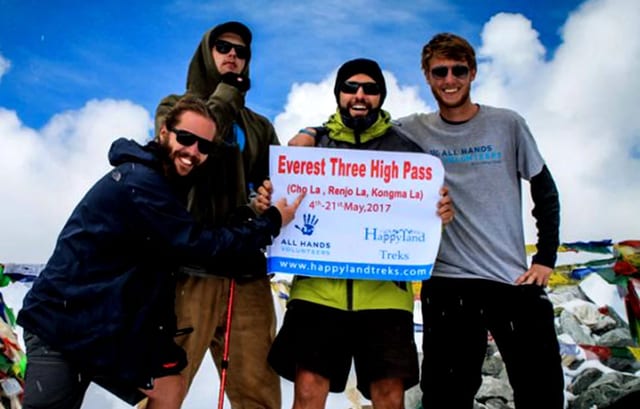
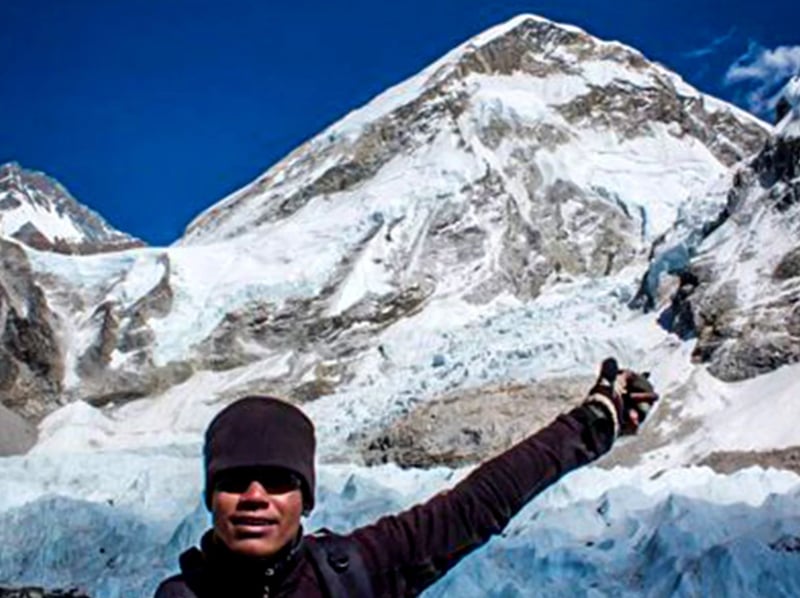
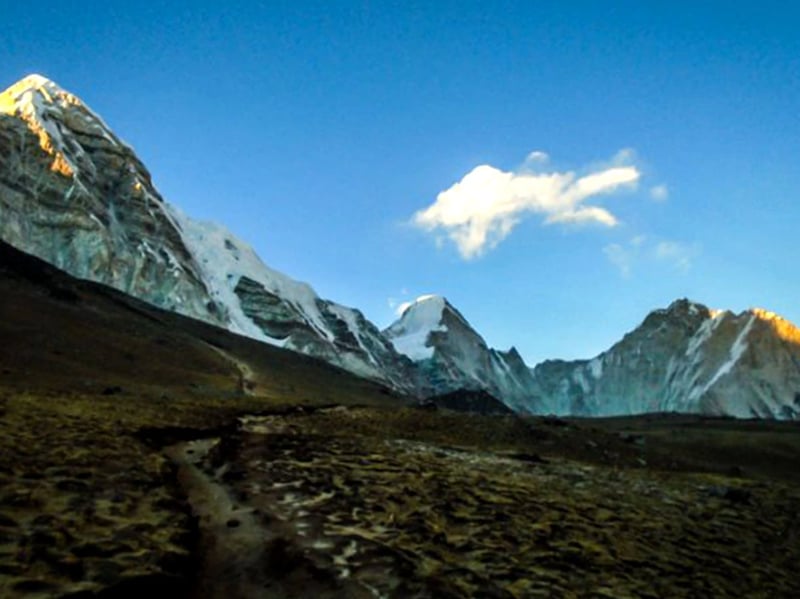
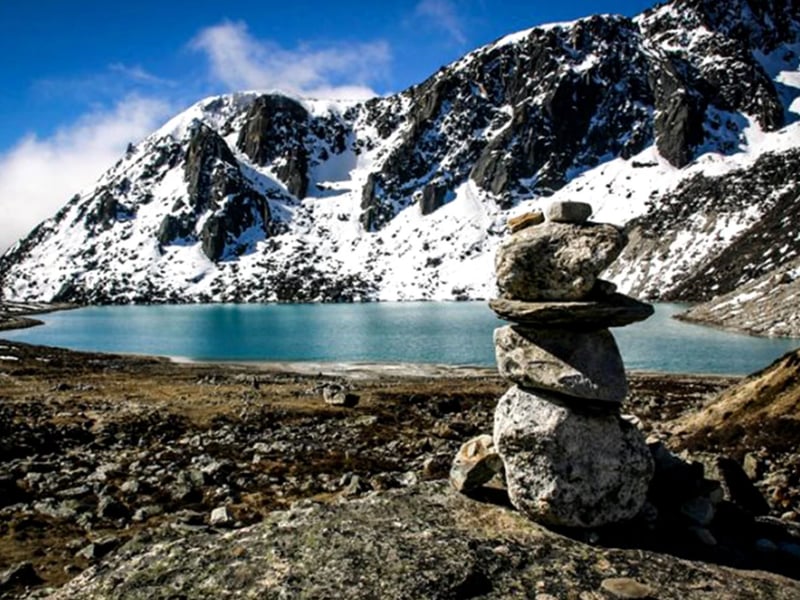
This trek challenges you to cross three high mountain passes above 5,300 metres in the Everest region, offering rewarding views of some of the highest peaks on earth. The route includes diverse landscapes from Sherpa villages to alpine glaciers, suited for experienced trekkers seeking a demanding adventure. It combines physical challenge with remarkable scenery throughout.
Day 01: Arrival in Kathmandu. Transfer to hotel and preparation for trekking. Overnight in Kathmandu (1400m).
Day 02: Flight from Kathmandu to Lukla (2840m), approximately 50 minutes. Trek from Lukla to Phakding (2610m), around 3.5 hours.
Day 03: Trek Phakding to Namche Bazaar (3440m), approximately 6-7 hours.
Day 04: Acclimatisation day at Namche Bazaar. Rest, explore and enjoy the views.
Day 05: Trek Namche Bazaar to Thame (3820m), approximately 5-6 hours.
Day 06: Trek Thame to Lumde (4368m), approximately 4-5 hours.
Day 07: Trek Lumde to Gokyo (4800m) via Renjo La Pass (5360m), approximately 7-8 hours.
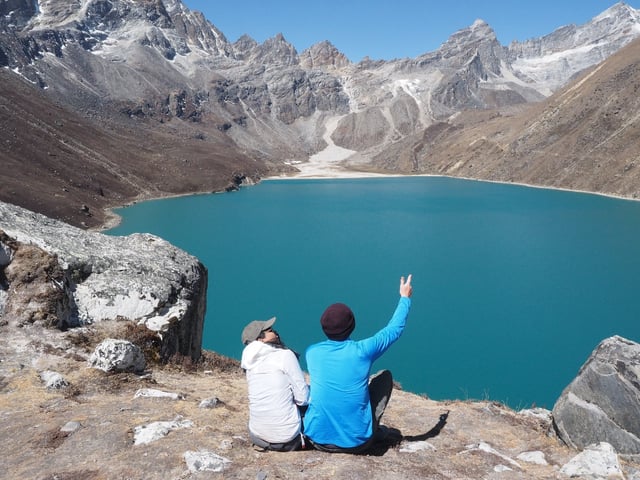
Day 08: Acclimatisation day at Gokyo Valley. Explore the area and hike Gokyo Ri (5357m). Overnight in Gokyo (4800m).
Day 09: Trek Gokyo to Thangnak (4770m), approximately 3-4 hours.
Day 10: Trek Thangnak to Zhogla (4830m) via Chola Pass (5420m), approximately 6-7 hours.
Day 11: Trek Zhogla to Lobuche (4910m), approximately 3-4 hours.
Day 12: Trek Lobuche to Gorakshep (5180m), approximately 2-3 hours. Trek from Gorakshep to Everest Base Camp (5364m) and back, approximately 5 hours. Overnight in Gorakshep.
Day 13: Early morning hike to Kala Patthar (5550m) for sunrise views of Mt Everest and surrounding peaks. Return to Gorakshep for breakfast and trek to Lobuche (4910m), approximately 2-3 hours.
Day 14: Trek Lobuche to Chhukhung (4730m) via Khumbula Pass (5535m), approximately 6-7 hours.
Day 15: Trek Chhukhung to Tengboche (3868m), approximately 6-7 hours.
Day 16: Trek Tengboche to Namche Bazaar (3440m), approximately 5 hours.
Day 17: Trek Namche Bazaar to Lukla (2840m), approximately 7-8 hours.
Day 18: Morning flight from Lukla back to Kathmandu (1400m). Overnight in Kathmandu.
Day 19: Departure to international airport or extra days in Kathmandu for sightseeing, shopping, or relaxing.
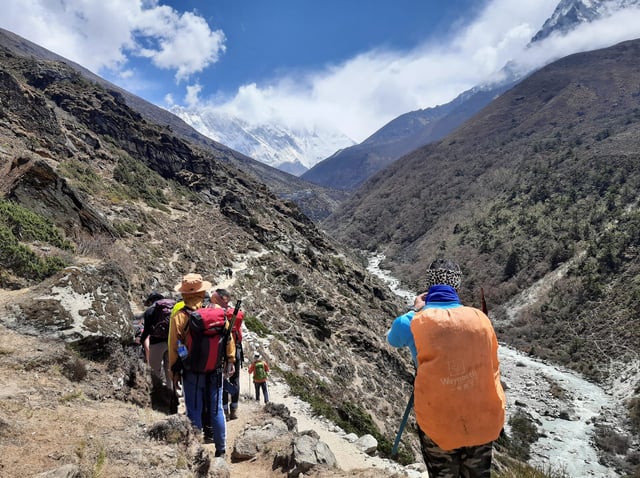
This trek takes place entirely in the Everest region of Nepal, known locally as the Khumbu. Starting from Kathmandu, the journey quickly moves to Lukla after a short domestic flight. The trail passes through Sherpa villages, lush forests, and high alpine terrain. It covers some of the most famous spots in the Himalayas including Namche Bazaar, Gokyo Valley, and Everest Base Camp.
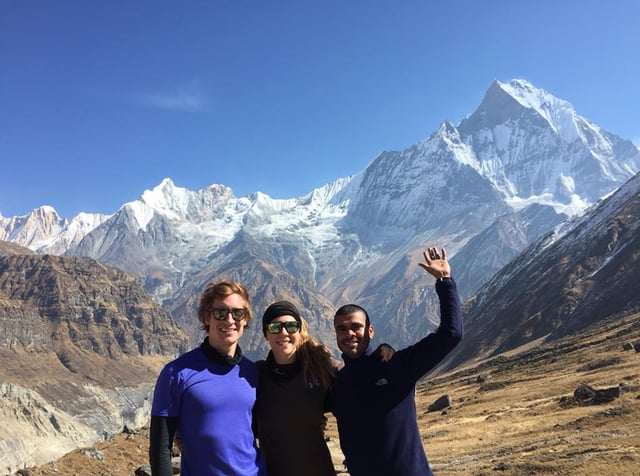
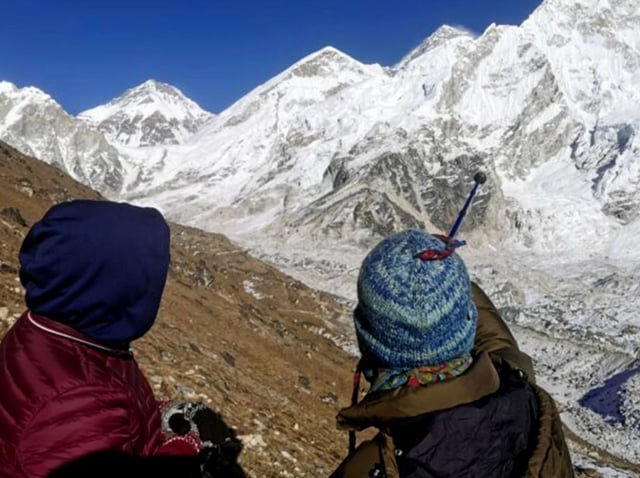
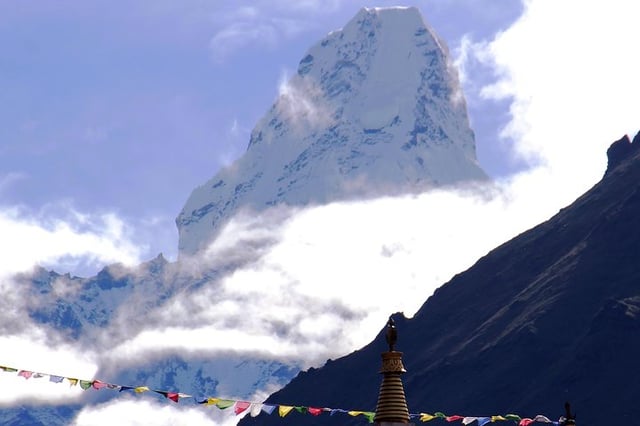
The route crosses three high mountain passes all above 5,300 metres, offering close-up views of towering peaks including Mt Everest, Makalu, Lhotse, and Cho Oyu. The region is part of Sagarmatha National Park, a UNESCO World Heritage Site, known for its unique mountain landscapes, cultural heritage, and diverse wildlife. The trek ends back in Kathmandu, a city full of history and vibrant culture.
Accommodation on the trek is in tea houses, which are small family-run lodges along the trail. These offer basic, cosy rooms with shared facilities and heating options where available. Meals served are typically home-cooked Nepali dishes with some Western-style options. This simple lodging provides a comfortable and authentic experience after long days walking.
Accommodation in Kathmandu before and after the trek is not included in the package and must be arranged independently. Kathmandu offers a wide range of hotels and guesthouses to suit all budgets. Support with booking accommodation can be provided if needed.
This trek is best suited to people who have prior trekking experience and good physical fitness. The route includes long days walking over steep, uneven terrain at high altitude, so a reasonable level of endurance is essential. Building up cardiovascular fitness through regular jogging, cycling or similar exercise before the trip will improve your experience.
While high-level athletic ability is not necessary, participants should be prepared for challenging conditions, including exposure to cold weather and the physical effects of altitude. Good mental preparedness and willingness to adapt to changing conditions also help ensure success.
Participants should bring appropriate clothing and equipment for high-altitude trekking, including layers for warmth, sturdy hiking boots, gloves, hats, and sun protection. A sleeping bag liner, trekking poles, and a reliable water bottle are also recommended. Toiletries, personal hygiene items, and a basic medical kit including altitude sickness medication should be packed.
Physical preparation is advised since the trek involves long days of walking at high altitude with significant elevation gains. Improving cardiovascular fitness with activities such as jogging or cycling in advance will aid stamina and acclimatisation. Although not necessary to be an athlete, a reasonable level of fitness is essential.
The best seasons to undertake the trek are spring (March to May) and autumn (October to early December). The monsoon season (June to August) brings heavy rain, making trekking difficult and increasing risk. Winter months are cold with some routes potentially closed due to snow.
Altitude sickness can affect anyone regardless of fitness or experience. Symptoms include headaches, loss of appetite, and difficulty sleeping. It is crucial to listen to your body, stay hydrated, and follow advice from guides regarding acclimatisation. Severe symptoms require immediate descent and medical attention.
The team is experienced in guiding adventurers through the Himalayas with a focus on safety, cultural understanding, and personalised support. With over 2,500 happy customers and hundreds of positive reviews, they have earned a strong reputation for delivering memorable and well-managed trips.
They also prioritise giving back to local communities, contributing a portion of their revenue to support projects like safe drinking water, education, and care for the elderly. Guides are often selected from remote and financially disadvantaged areas, helping to provide meaningful employment while ensuring expert local knowledge.
This trek is physically demanding due to the high altitudes and long trekking days of 4 to 8 hours. It is best suited for people who have some prior trekking experience and good cardiovascular fitness. Preparing with regular cardio exercises like jogging, cycling, or swimming before the trip will greatly improve your stamina and enjoyment on the trail.
You don’t need to be a professional athlete, but you should be comfortable walking for multiple hours on uneven terrain and steep paths. The trek involves crossing three high passes above 5,000 metres, so endurance and good health are essential to cope with the physical and altitude challenges.
Altitude sickness can affect anyone above 3,000 metres, regardless of age or fitness level. To help prevent it, drink plenty of water (around 4 to 5 litres daily) and avoid alcohol or heavy exertion early on. The itinerary includes acclimatisation days in Namche Bazaar and Gokyo Valley to help your body adjust gradually.
If you experience symptoms like headache, nausea, or difficulty sleeping, it’s important to stop ascending and inform your guide immediately. In severe cases, descending quickly is necessary. Carrying altitude sickness medication such as Diamox (after consulting your doctor) may help reduce symptoms, but prevention through gradual acclimatisation is key.
Accommodation is provided in tea houses along the trekking route. These are small family-run lodges offering basic but comfortable rooms, usually with shared bathrooms. Meals are typically home-cooked, with a mix of traditional Nepali food and some western dishes.
Facilities vary by location but most tea houses have access to boiled drinking water. Hot showers are available in many places but usually come at an extra cost. Electricity and charging points for phones or cameras are commonly available but may also require a small fee.
You should bring layered clothing suitable for a wide range of temperatures, including a fleece or down jacket, thermal base layers, hiking trousers, and waterproof gear. Proper hiking boots with good ankle support are essential, as are warm socks and gloves.
Other important items include a sunhat, sunglasses, headlamp with spare batteries, trekking poles, sleeping bag liner, water bottles or hydration system, and basic toiletries. It’s also recommended to carry personal medication and a first aid kit, including altitude sickness medication if prescribed.
Safety is a top priority, and the itinerary includes acclimatisation days to reduce the risk of altitude sickness. Experienced guides monitor everyone’s health closely and can adjust the plan if necessary. Porter services are provided to reduce the physical burden on trekkers.
In case of medical emergencies, evacuation options are available though challenging due to the remote terrain. Trekkers should have appropriate travel insurance that covers high-altitude trekking and emergency evacuation. Always follow your guide’s advice for your own safety.
Three meals a day—breakfast, lunch, and dinner—are included during the trekking portion, with tea or coffee served multiple times daily. The food in tea houses includes traditional Nepali dishes such as dal bhat (lentils and rice) as well as soups, noodles, and some western options like pasta or eggs.
Snacks such as biscuits, chocolate, and nuts are provided during the trek to keep energy levels up. Special dietary requirements should be communicated in advance, and while vegetarian options are common, vegan or gluten-free diets may be more limited.
The best seasons to trek are spring (March to May) and autumn (October to early December) when the weather is generally clear and temperatures moderate. Daytime temperatures can range from mild to cool depending on altitude, but nights are cold, especially above 4,000 metres.
The monsoon season from June to August brings heavy rain and muddy trails, making trekking more difficult and less enjoyable. Winter months can be very cold, with snow possible on the passes, so adequate warm clothing and experience in winter conditions are necessary.
The flight from Kathmandu to Lukla is approximately 35 to 50 minutes long and offers spectacular views of the Himalayas. It is a small aircraft flying into one of the world’s most challenging airports, located at 2,840 metres with a short runway on a mountain slope.
Flights can be delayed or cancelled due to weather conditions, especially poor visibility or strong winds. The team will monitor flight status closely and adjust the itinerary if needed. Trekkers should be prepared for flexible timing and possible overnight stays in Kathmandu if flights are disrupted.
Charging facilities are available at most tea houses along the route but typically come with a small fee (around 200–500 Nepalese rupees per charge). Power supply can be unreliable at times, so bringing extra batteries or power banks is advisable.
Mobile phone reception is limited in many parts of the trek but improves near larger villages like Namche Bazaar. Satellite phones may be used by guides for emergency communication. Overall, plan to minimise device use and focus on the trekking experience.
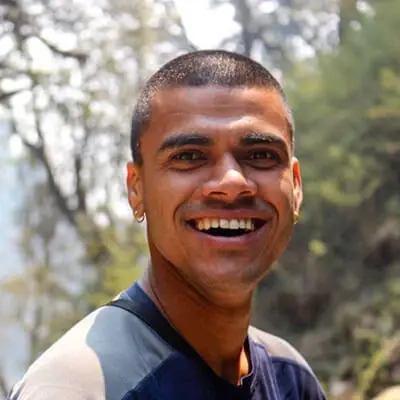
About the centre
Kathmandu
Operated by Happyland Treks, a partner of adventuro.
Bagmati Province, Nepal
From $3093
Arunachal Himalaya (Tawang & Siang Region), Nepal
From $2000
Himachal Pradesh (Shimla, Manali, Spiti), Nepal
From $1750
Arunachal Himalaya (Tawang & Siang Region), Nepal
From $1700
Arunachal Himalaya (Tawang & Siang Region), Nepal
From $1450