We partner with Rewilding Britain to help protect our natural spaces for future adventures.
All centres are vetted for safety and quality. Your adventure is in good hands with adventuro.
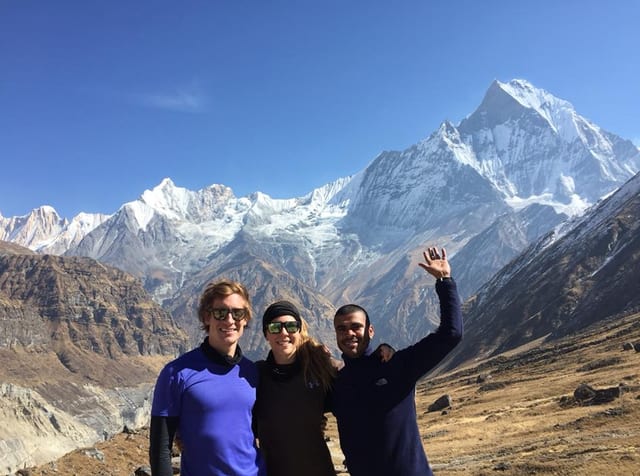
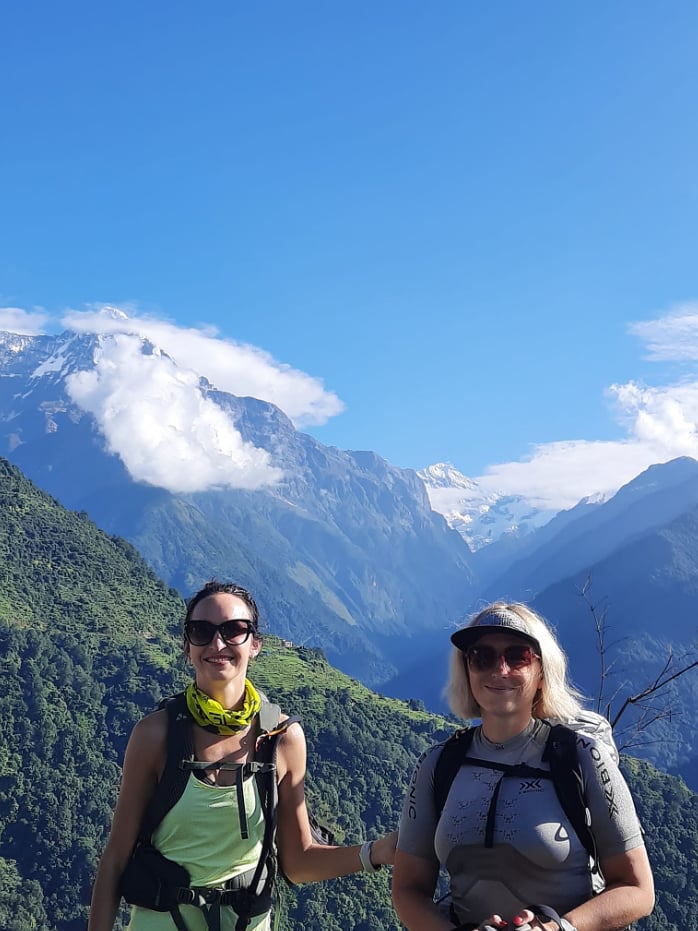
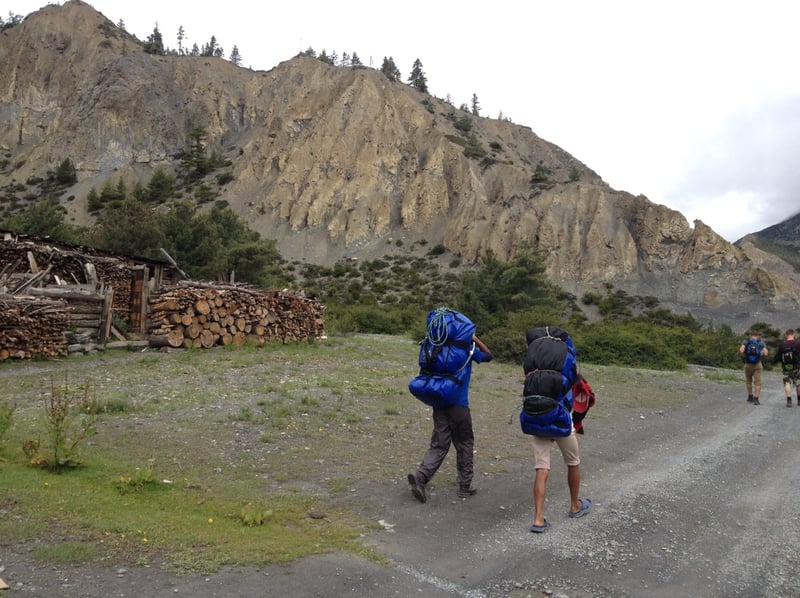
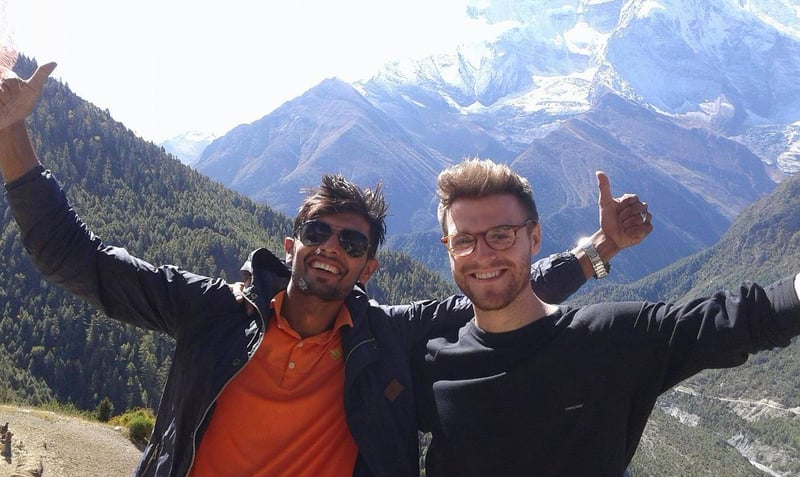
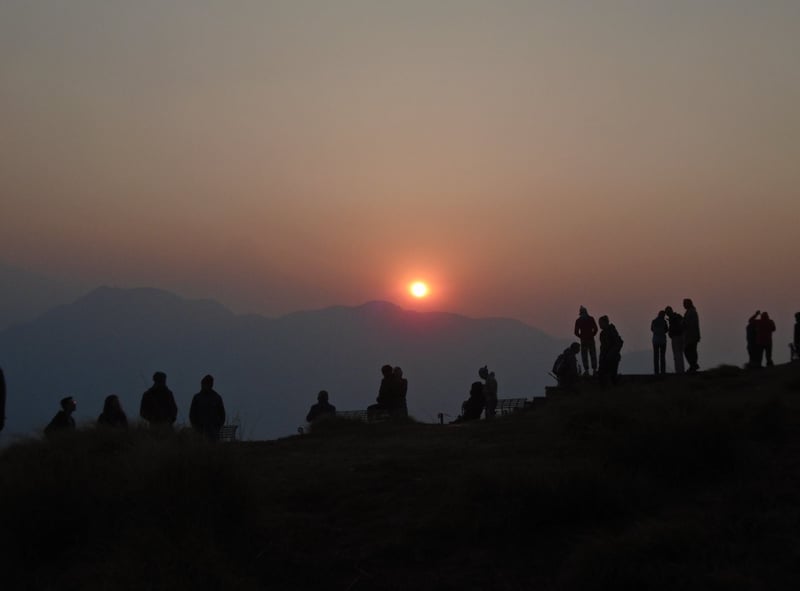
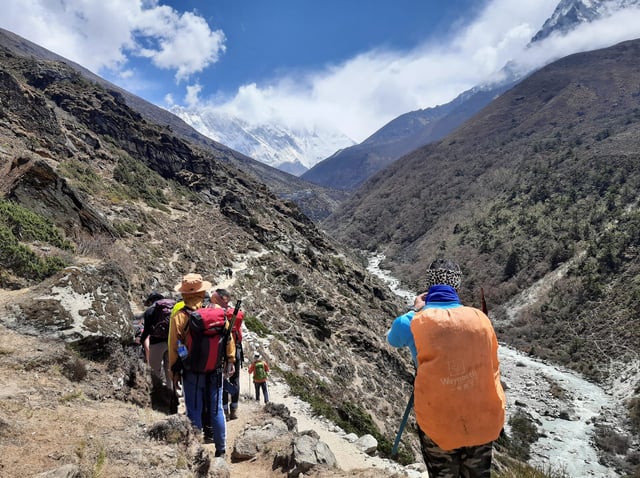
Crossing diverse landscapes and cultural villages, the route offers challenging ascents and descents with the highlight being the crossing of Thorong La Pass, the highest point at 5,416 metres. Throughout the trek, hikers experience lush valleys, alpine terrain, and traditional Buddhist communities.
Day 01: Arrival in Kathmandu (1,400m) brings a warm welcome from a representative who will transfer you to your hotel for check-in and freshening up. Later, the group meets to review trek arrangements and prepare for the journey ahead. The evening ends with a shared meal and drinks, offering a chance to get to know fellow trekkers and build anticipation.
Day 02: Travel from Kathmandu to Besisahar (760m) takes around 6-7 hours by road along the scenic Prithivi Highway, passing the Trishuli River, green hills, and distant Himalayan views. After arriving, you will stay in a local lodge or teahouse, with free time to explore the town, interact with locals, and finalise preparations.
Day 03: The journey continues with a 4-hour drive from Besisahar to Chame (2,650m), moving through pine forests, waterfalls, and changing landscapes. After a short break in Chame, you proceed to Koto, where overnight accommodation awaits in a comfortable lodge, giving your first close experience of the Annapurna mountain terrain.
Day 04: Trekking for 5-6 hours takes you from Chame to Pisang (3,350m) via a trail through aromatic pine woods and rhododendrons. Passing Bhartang and crossing suspension bridges at Dhukur Pokhari, the day ends in Upper Pisang, offering views of the Chulu peaks, Tilicho, Annapurna massifs, and Nawal peaks.
Day 05: The trek from Pisang to Nawal (3,650m) lasts about 5 hours, featuring a mix of challenging and gentle terrain. The Annapurna massif dominates the landscape as you pass small villages, concluding with a night in a peaceful mountain teahouse.
Day 06: From Nawal to Manang (3,540m), you trek 3-4 hours on a gentler route that provides ample time to appreciate the Himalayan scenery. Manang reflects the local culture through its architecture and hospitality, where you will rest overnight in a tea house.
Day 07: Rest and acclimatisation day in Manang (3,540m) allows your body to adjust to the altitude. Optional excursions include visiting Gangapurna Lake, a nearby monastery with panoramic views, or exploring Tibetan-style gompas. The day ends with relaxation in your lodge.
Day 08: Trekking 3-4 hours from Manang to Yak Kharka (4,220m), you pass Upper Manang villages and traverse tough but improving terrain. Yak Kharka offers a restful stop with views of the Annapurna range and surrounding Himalayan giants.
Day 09: The trek from Yak Kharka to Thorang Phedi (4,220m) or High Camp (4,880m) takes 3-4 hours. You’ll cross suspension bridges, follow rocky trails, and may glimpse ancient houses, dramatic mountain views, and possibly wildlife like snow leopards.
Day 10: The longest and most demanding day covers 7-8 hours trekking from High Camp over Thorong La Pass (5,416m), the trek’s highest point. After the pass, descend to Muktinath (3,800m), a sacred site for Hindu and Buddhist pilgrims, where you can visit temples and bathe in 108 holy water spouts before resting overnight.
Day 11: A 5-7 hour drive takes you from Muktinath to Tatopani (1,200m), famous for natural hot springs. This day offers a chance to relax in the springs and enjoy the quiet village atmosphere, preparing for the next stage with an overnight stay in a local tea house.
Day 12: From Tatopani, travel by jeep to Pokhara (820m), observing varied landscapes and quaint villages. After lunch, you may explore Pokhara’s lakeside or continue on to Kathmandu, where the day concludes with dinner and a group reflection on the journey.
Day 13: A rest day in Kathmandu (1,400m) provides free time for shopping, sightseeing, or wandering the city’s lively streets. The day ends with a special dinner to share stories and celebrate the achievements of the trek.
Day 14: The final day involves transfer to the airport for your onward journey or the option to extend your stay. The trip closes with good wishes and hopes for future adventures.
The trek begins near Besisahar in Nepal’s subtropical lowlands, climbing through the Annapurna massif region. It passes through diverse environments, from lush hills and forests to high alpine meadows and mountain passes. Villages along the route reflect Tibetan Buddhist culture, with traditional buildings and religious sites.
The trek covers districts including Lamjung, Manang, and Mustang, offering views of major Himalayan peaks such as Annapurna I and Dhaulagiri. The landscape and climate shift dramatically with altitude and season, ranging from warm lower valleys to cold, arid highlands.
Teahouse lodges provide basic accommodation throughout the trek. These family-run establishments offer dormitory or private rooms with shared bathroom facilities. Hot showers and electricity are available at some stops, but amenities vary, so flexibility is advised.
Meals are served in communal dining areas, including local dishes like dal bhat and soups, alongside international options. Staying in teahouses allows for cultural exchange with locals and fellow trekkers, enriching the overall experience. Bookings are typically arranged by the trekking operator to ensure availability, particularly in busy periods.
Participants should possess a good level of fitness to manage several hours of trekking each day over varied and sometimes steep terrain. While previous trekking experience is helpful, it is not essential if well prepared.
Acclimatisation is built into the itinerary to help prevent altitude sickness, especially when crossing Thorong La Pass. Trekkers must be familiar with altitude symptoms and follow advice on hydration and pacing. No technical climbing skills are necessary, but sure-footedness and endurance will aid in managing the trail safely.
Experienced local guides lead the trek, providing expert knowledge of the terrain, weather, and cultural context. Their support ensures safe acclimatisation and adapts the schedule to suit the group’s pace and needs.
Strong ties with local communities offer authentic cultural experiences while supporting village economies. Careful planning delivers comfortable accommodation, nutritious meals, and reliable logistics for a smooth and enjoyable trek.
The Annapurna Circuit involves daily walks ranging from 5 to 8 hours on varied terrain, including steep ascents and descents. Trekkers should have a moderate to good fitness level to handle long days on the trail, sometimes at high altitudes where oxygen levels are lower. Preparing physically with cardiovascular exercises like running, cycling, or swimming, combined with strength training for legs and core, will improve endurance and reduce fatigue.
Even if you are new to trekking, it is possible to complete the route with proper preparation. Regular walking or hiking before the trip, ideally on uneven ground and hills, is highly recommended. Mental preparedness for early mornings, changing weather, and physical challenges will also make the experience more enjoyable.
Altitude sickness occurs when the body struggles to adjust to the lower oxygen levels found at high elevations. Symptoms can include headache, nausea, dizziness, and fatigue. To reduce the risk, it is essential to ascend slowly, taking rest days at key points such as Manang or Upper Pisang to allow your body to acclimatise properly.
Hydration plays a critical role in managing altitude sickness, so drinking plenty of water throughout the day is important. Avoid alcohol and heavy meals, and pay close attention to how you feel. If symptoms worsen, descending to a lower altitude is the safest option. Guides are trained to recognise signs of altitude sickness and can assist in making decisions to protect your health.
Accommodation consists mainly of teahouses, small family-run lodges offering basic rooms with shared bathrooms. Rooms typically contain simple beds, blankets, and sometimes a heater or electric plug for charging devices. Facilities vary by location, but most offer clean and safe places to rest after a day’s trekking.
Hot showers are generally available but often come at an extra cost, and water supply may be limited in more remote areas. Bringing your own toiletries such as toilet paper, hand sanitiser, and wet wipes is recommended to maintain personal hygiene. Staying flexible and understanding of the simple conditions will help you enjoy the local hospitality.
The optimal trekking periods are spring (March to May) and autumn (September to November). During these months, the weather tends to be stable with clear skies and moderate temperatures, allowing for excellent mountain views and safer trail conditions. These seasons also avoid the extremes of winter cold and summer monsoon rains.
Winter treks are possible but colder temperatures and snow accumulation at high passes can make trekking more difficult or sometimes dangerous. Monsoon season, which runs from June to August, brings heavy rain, slippery paths, and a higher risk of landslides, making trekking challenging and less enjoyable.
Most teahouses serve traditional Nepali meals such as dal bhat (rice with lentil soup), vegetable curries, and momos (dumplings), alongside some western dishes like pasta, soups, and sandwiches. Food is cooked fresh daily, often using locally sourced ingredients. Vegetarians will find plenty of suitable options, and some lodges cater to special dietary requirements with advance notice.
It is advisable to eat enough carbohydrates and protein to maintain energy levels throughout the trek. Drinking plenty of fluids and avoiding raw or unwashed foods helps prevent illness. Carrying snacks such as energy bars or nuts can be useful for long trekking days when meals might be spaced out.
WiFi is available in many teahouses but can be slow, unstable, and often requires a fee. Internet access is usually limited to public areas like dining rooms, and signal strength varies considerably depending on location and weather. It is best not to rely on constant connectivity for communication or work.
Charging ports are commonly found but may also incur small charges, and electricity supply is limited, especially in more remote villages. Bringing a power bank and extra cables ensures your devices stay powered between stops. Consider purchasing a local SIM card if you require more consistent mobile data.
Suitable clothing includes moisture-wicking base layers, insulated jackets, waterproof outer layers, and sturdy trekking boots with good ankle support. Temperatures can vary widely, so layering is key to adjusting comfort throughout the day. Warm hats, gloves, and thermal underwear are necessary for colder sections and nights at higher altitudes.
Additional equipment such as trekking poles, a good-quality sleeping bag rated for low temperatures, water purification tablets or filters, and a headlamp are recommended. Packing a basic first aid kit including altitude sickness medication, blister care, and personal prescriptions will help manage minor health issues on the trail.
Comprehensive travel insurance that covers high-altitude trekking and emergency helicopter evacuation is essential for safety on this route. Medical facilities are limited in remote areas, and evacuation costs can be very expensive without insurance. Having coverage ensures access to prompt treatment and peace of mind throughout your trip.
Before purchasing, check that your policy specifically includes trekking up to at least 5,500 metres and covers rescue operations. Some providers offer optional add-ons for adventure activities, so confirm that all relevant risks are included to avoid unexpected exclusions.
Days begin early with breakfast served around 7 am, allowing you to prepare for the day’s walk. You pack a small day bag with essentials such as water, snacks, sunscreen, and cameras, while your main luggage is carried by a porter. Trekking starts around 8 am and continues for several hours, often with breaks for rest, photos, or refreshments.
The terrain varies between gentle paths and steep climbs or descents, passing through villages, forests, and mountain passes. Evenings are spent at teahouses where dinner is usually served around 7 pm. This routine supports acclimatisation and recovery while offering chances to interact with fellow trekkers and locals.
Tipping is customary and shows appreciation for the hard work your guide and porter provide throughout the trek. They assist with navigation, carrying luggage, offering cultural insights, and ensuring your safety and comfort on challenging sections. Tips are an important part of their income.
There is no fixed amount to tip, but generally, trekkers give between 10-15% of the trek cost as a guideline. The amount depends on your satisfaction and the level of service received. Offering the tip at the end of the trek with a personal thank you is considered respectful and is usually warmly received.
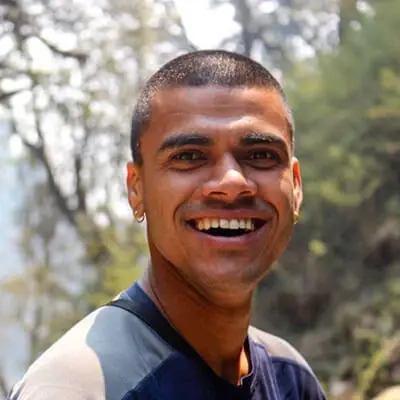
About the centre
Kathmandu
Operated by Happyland Treks, a partner of adventuro.
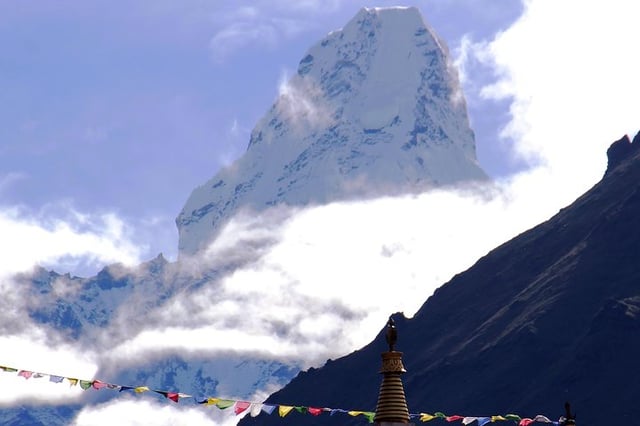
Arunachal Himalaya (Tawang & Siang Region), Nepal
From $1450
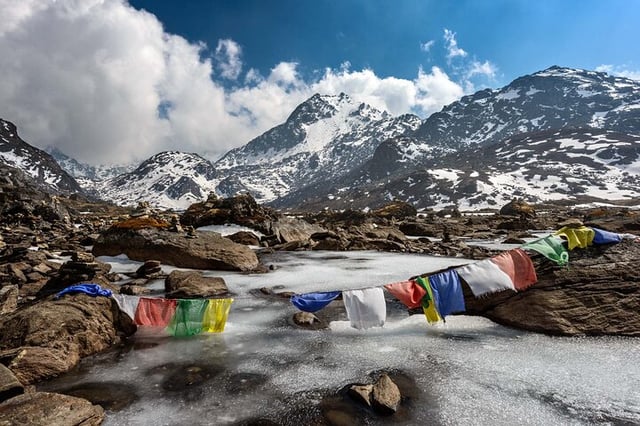
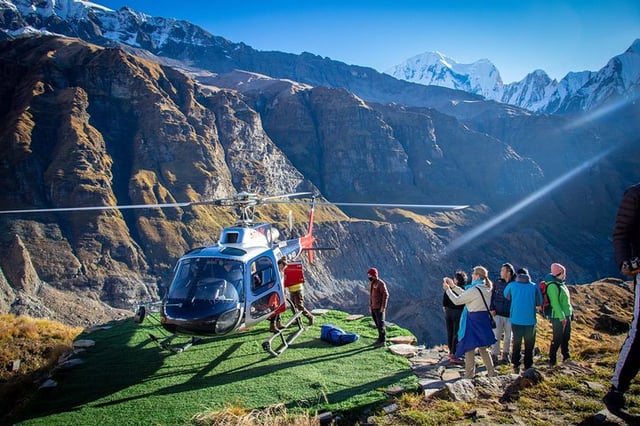
Arunachal Himalaya (Tawang & Siang Region), Nepal
From $1700
Himachal Pradesh (Shimla, Manali, Spiti), Nepal
From $1750
Bagmati Province, Nepal
From $1358
Bagmati Province, Nepal
From $3093