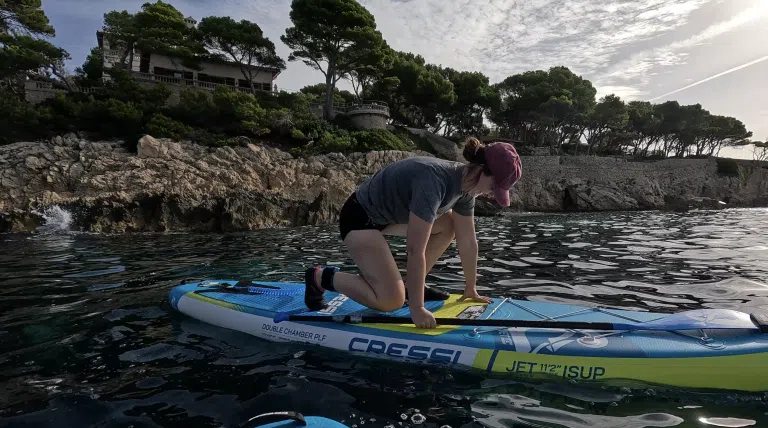
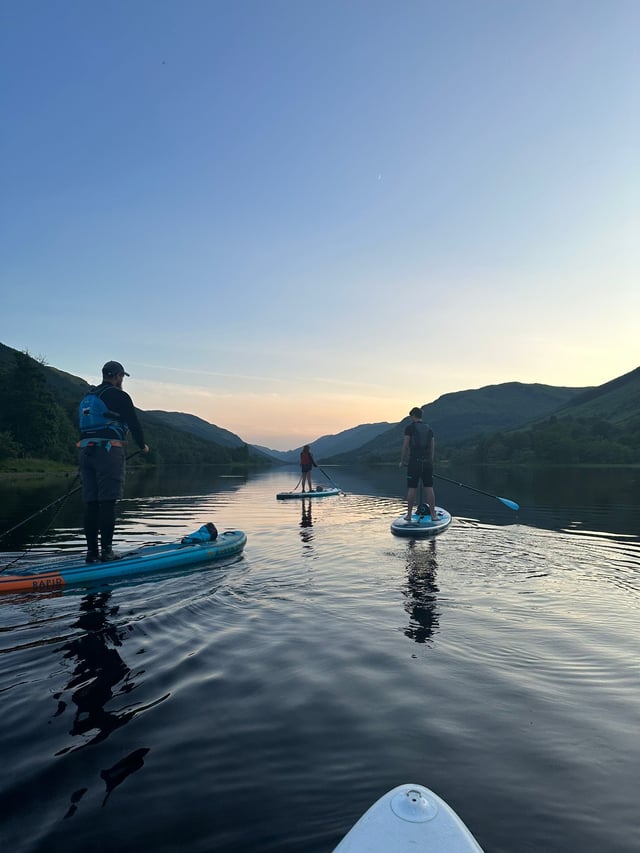
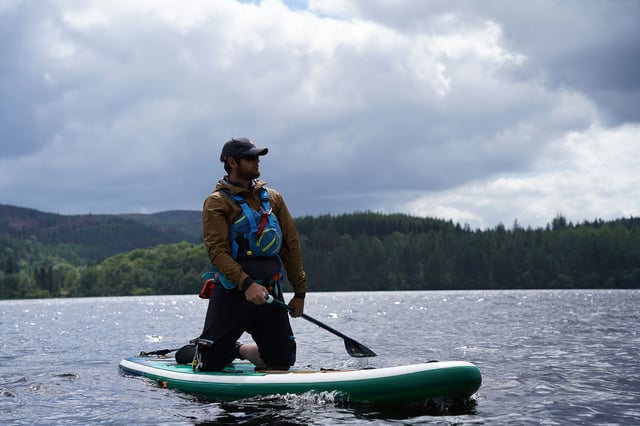
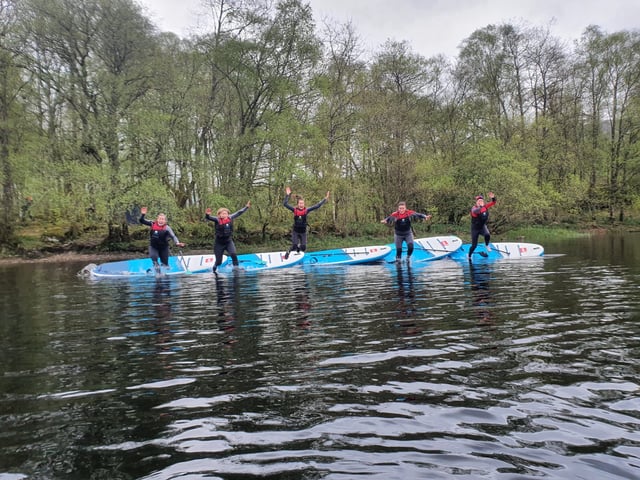
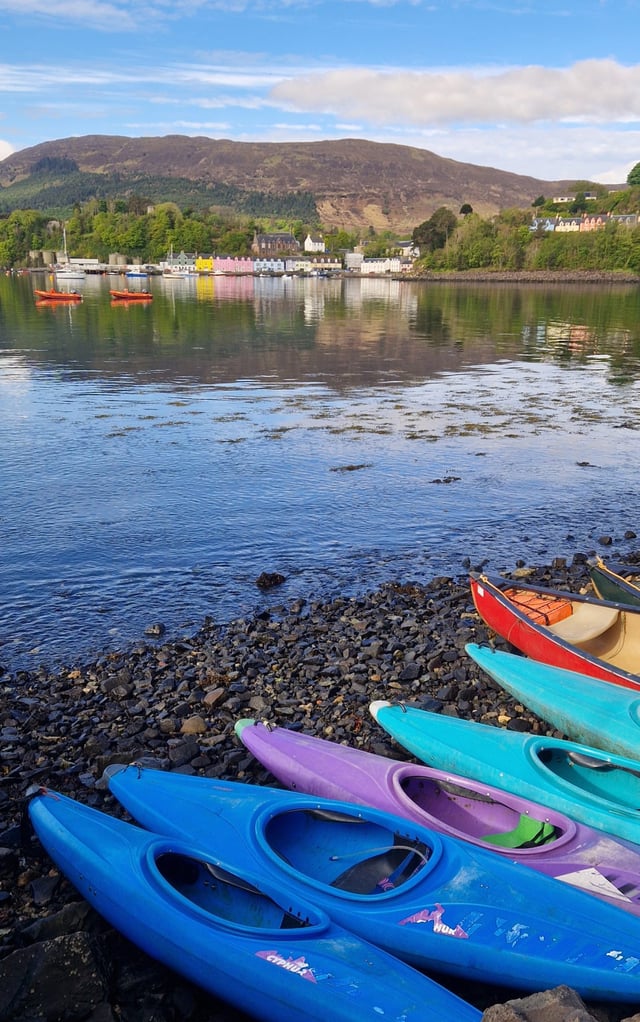
Scotland has no business being this good for paddleboarding. Mountains rising straight from loch shores, sea lochs with no road access, Hebridean beaches that look implausibly turquoise on clear days — and thanks to the Land Reform (Scotland) Act, a right of responsible access to virtually all inland water without a permit. As a backdrop for a SUP session, it's difficult to fault.
Where to paddleboard in Scotland
Loch Lomond is the most accessible starting point for most visitors — Scotland's largest loch, reachable from Glasgow in under an hour, with multiple launch points and an established network of SUP schools and hire operators. The Loch Lomond & The Trossachs National Park surrounds it; on a calm morning before the tourist boats start up, it's rather special. Further north, Loch Morlich at the foot of the Cairngorm mountains has excellent flatwater and the added bonus of a sandy beach that could pass for somewhere much warmer. Loch Ness is paddleable — 37km long, famously deep and reliably atmospheric. On the west coast, the sea lochs of Argyll (Loch Fyne, Loch Goil, Loch Long) give sheltered paddling in fjord-like scenery. The Isle of Skye has dramatic coastal SUP with cliffs, sea stacks and the sort of views that make you forget the water temperature. The Outer Hebrides — particularly the machair shores of the Uists and the white-sand beaches of Harris — offer some of the most remote and beautiful paddleboarding in Europe.
Cold water: what you actually need to know
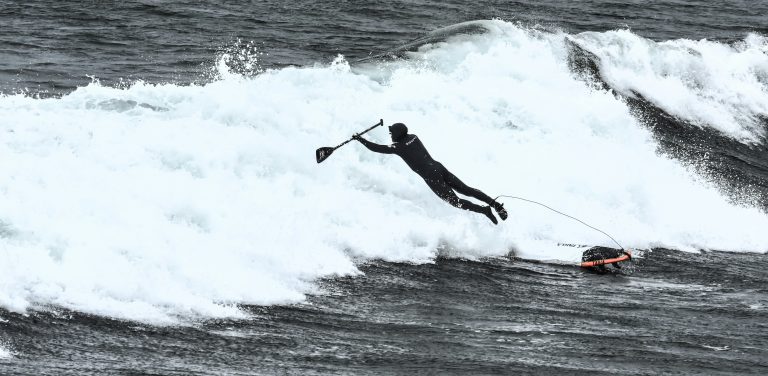
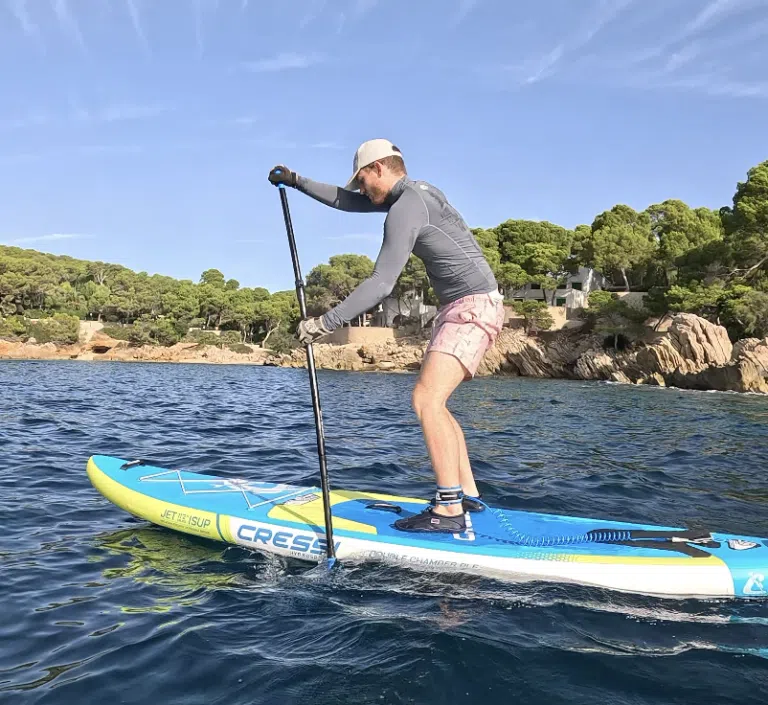
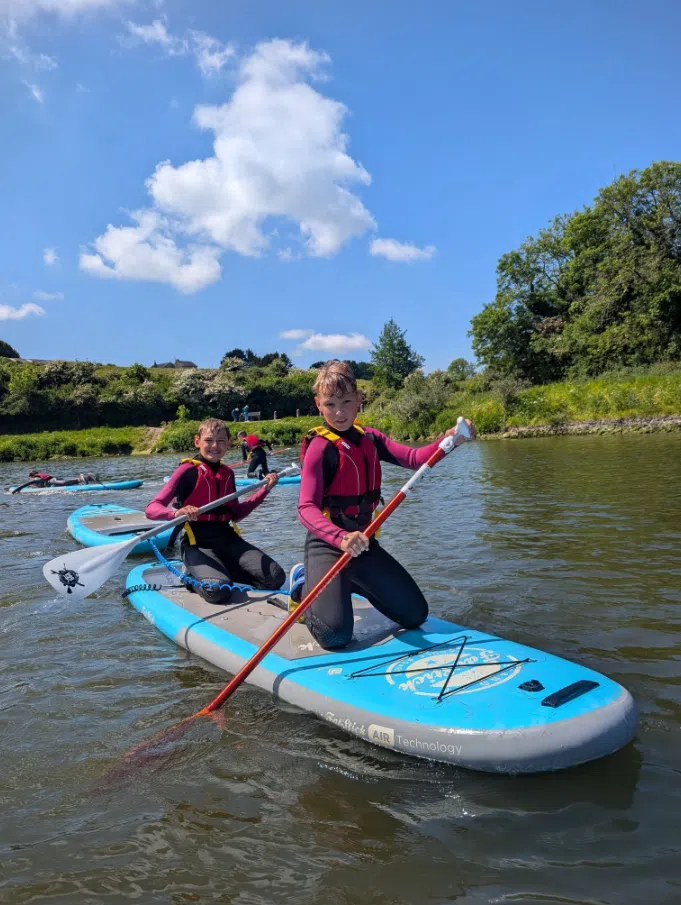
Scottish water is cold. This is not a minor caveat — it's the most important practical fact about paddleboarding in Scotland, and it's worth taking seriously. Loch and coastal temperatures rarely exceed 16–17°C even in August; by October they're down to 12°C and dropping. Cold water shock — the involuntary gasp reflex triggered by sudden immersion in cold water — is a genuine risk if you fall in unprepared. A 3/2mm wetsuit is the summer minimum; a 5/4mm for spring and autumn; a drysuit for winter and shoulder-season expeditions in exposed locations. A leash is non-negotiable. Your board is your only buoyancy if you can't get back on it.
Guided tours and lessons
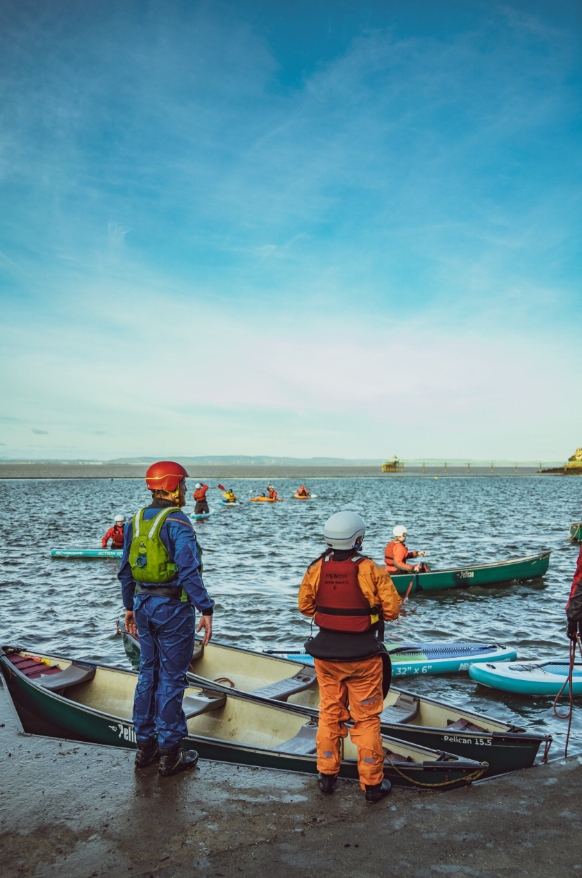
Scottish SUP schools offer everything from first-time lessons on sheltered lochs to multi-day guided expeditions through remote sea lochs with camping. Guided tours are particularly valuable in Scotland — local knowledge of launch points, weather patterns, and the specific character of each loch makes a significant difference to the experience. A guide who knows the calm morning window on a given sea loch, or the sheltered bay that catches the afternoon light on Skye, is worth considerably more than a map.
Access rights and responsibility
Scotland's Land Reform Act gives paddleboarders the right to access virtually all inland water, including lochs, rivers and the sea — no permit or permission required. This is genuinely unusual in the UK and makes Scotland exceptional for independent paddling. The access rights come with corresponding responsibilities: behave considerately, avoid disturbing nesting birds (particularly important on loch islands in spring), leave no trace and give way to anglers. The code is sensible and most people follow it instinctively.
Scotland SUP centres on adventuro