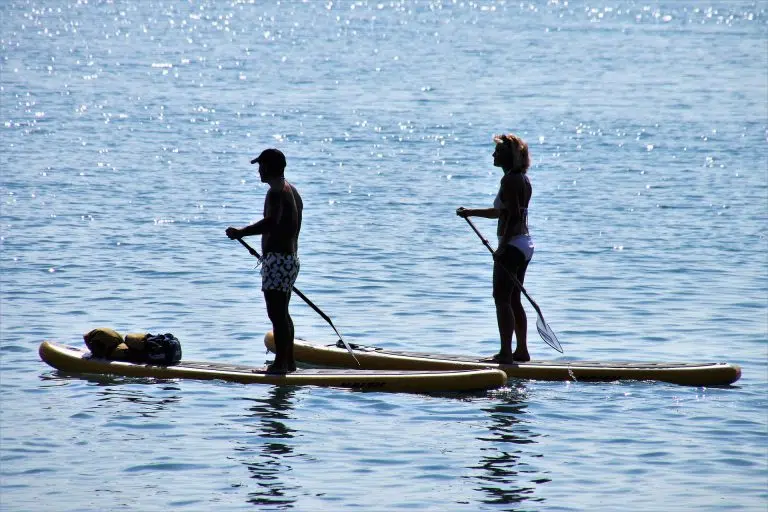
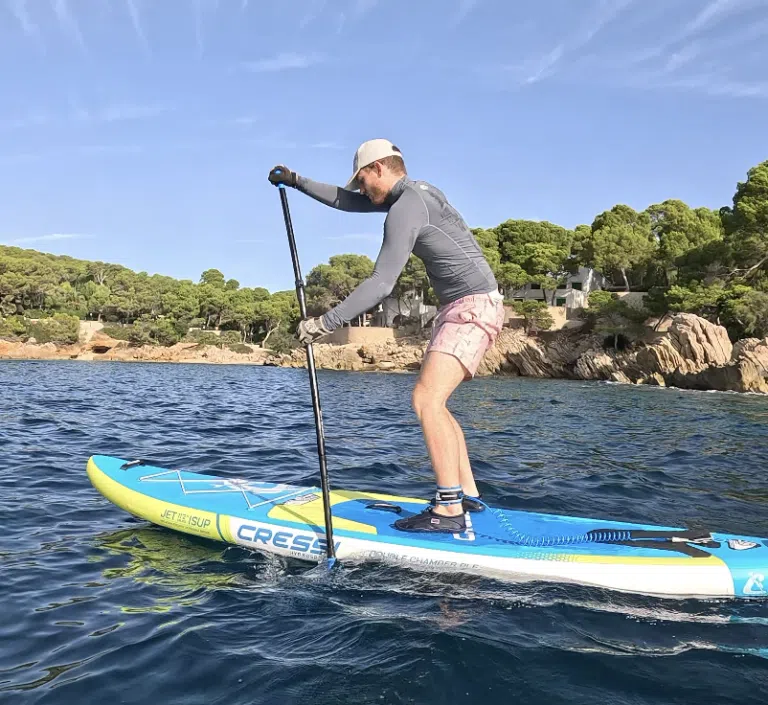
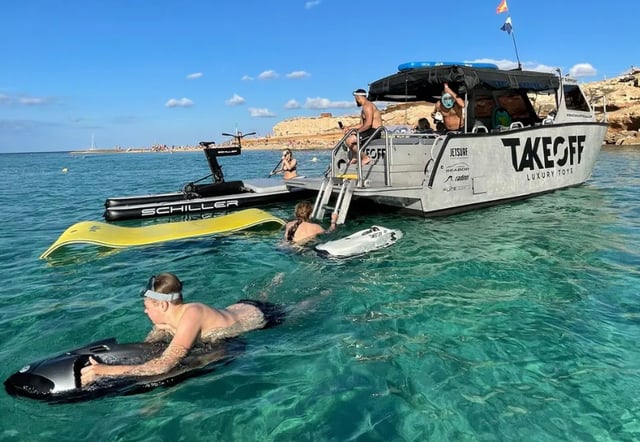
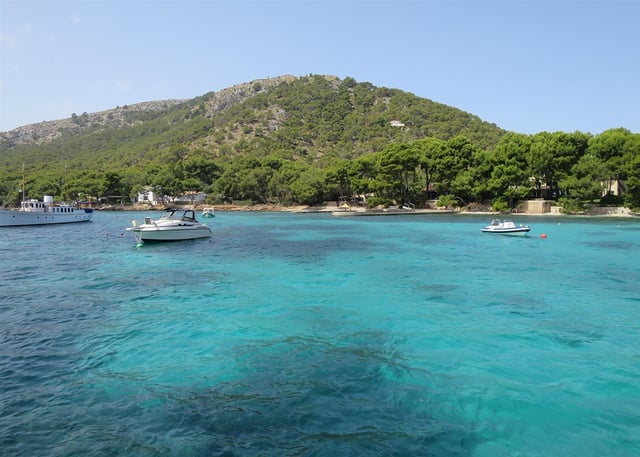
Paddleboarding in the Balearic Islands operates on different terms from UK SUP. The water is warm enough to not think twice about falling in, clear enough to watch your fin shadow on the sand six metres below, and — before the afternoon Embat sea breeze arrives — calm enough to make even a novice look competent. Standing on a board above Formentera's shallow turquoise water is one of those experiences that changes your baseline for what paddleboarding can be like.
Where to SUP across the Balearics
Each island has its own character. In Mallorca, the south-east coast bays — Cala d'Or, Cala Santanyí, Cala Mondragó (a marine reserve) — provide sheltered, beginner-friendly SUP with clear water and easy beach access. The north-west coast around Port de Sóller and Port de Pollença offers more dramatic scenery on a calm morning — limestone mountains dropping to the sea, with the occasional finca perched impossibly above a cove. Menorca's south coast is as good as the Balearics gets for flatwater paddleboarding: a series of protected turquoise bays (Macarella, Macarelleta, Cala Turqueta) within a UNESCO biosphere reserve, with no powerboat traffic and water so clear it borders on the absurd. Ibiza has SUP hire at most main beaches and the coastal touring around the north of the island — sea cliffs, hidden coves and the extraordinary rock formation of Es Vedrà — is spectacular on a calm morning. Formentera has the clearest water in the Balearics — standing on a board in three metres of water over white sand with the bottom perfectly visible below you is an experience that most UK paddleboarders simply haven't had.
The Embat: working with the wind
The Embat is the thermal sea breeze that arrives mid-morning across most of the Balearics in stable summer weather — typically 10–18 knots from the south-west, building through the afternoon and easing as the sun goes down. Morning sessions (before 10am) are the time for glassy, calm water, sea cave exploration and the kind of paddling where you barely need to work. By midday the surface has texture and beginners will be working noticeably harder. Plan morning sessions for calm flatwater and save the afternoon for sheltered bays or beach time.
Guided coastal SUP tours
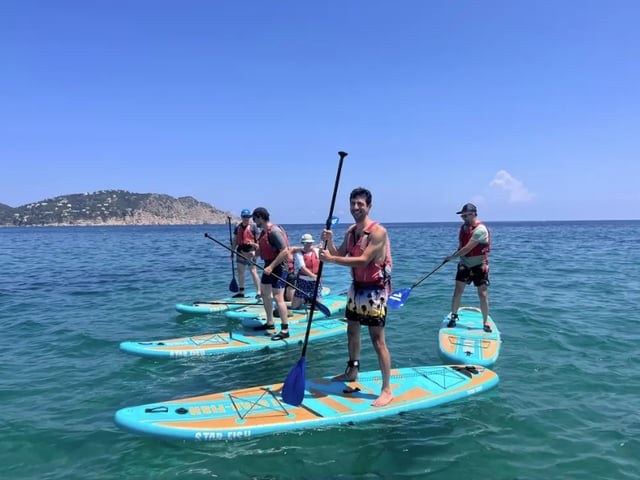
Several operators run guided SUP tours that access sections of coastline inaccessible from land: sea caves, remote coves, cliff faces and underwater cave systems that require calm water to approach safely. These are the pick of Balearic paddleboarding and are typically done in the morning when conditions allow. Tours in Menorca often explore the biosphere reserve coast; Mallorca tours target the more dramatic north-west coastal terrain. Guides handle permits (legally required for SUP in Spanish waters) and equipment.
Beginner lessons and hire
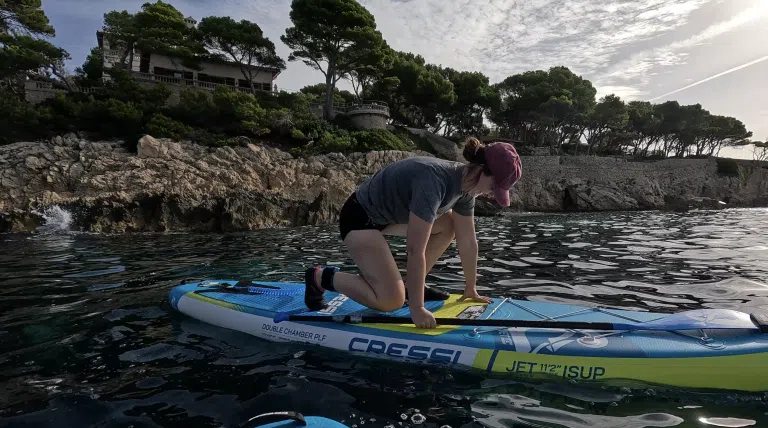
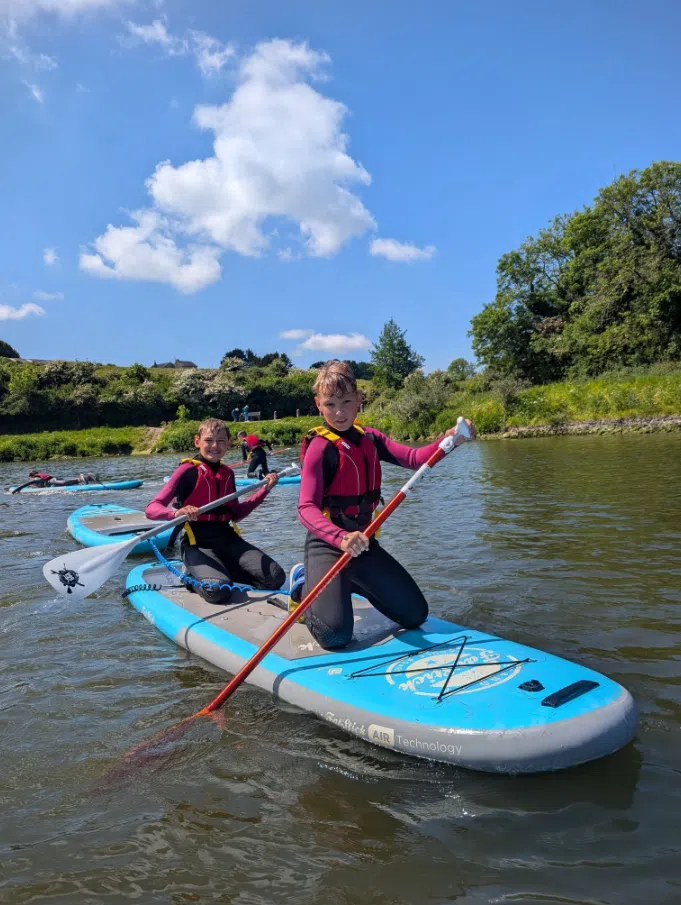
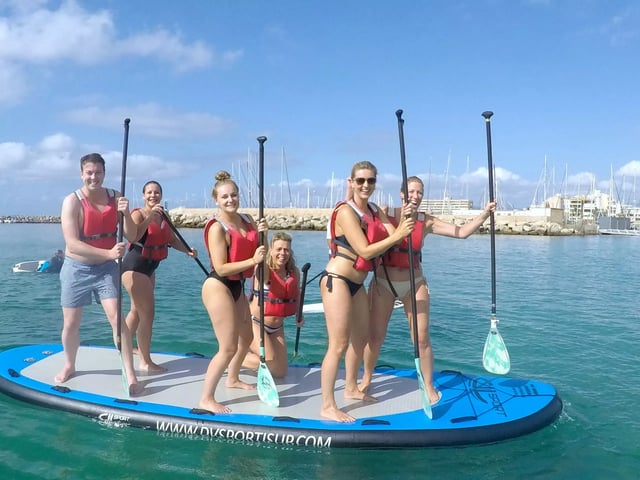
Beginner SUP lessons are available at most major beach resorts on all four main islands. Sessions run in sheltered bays with warm, clear water — learning to stand up and paddle in these conditions is significantly easier than in a UK estuary with cold water and a chop. Most people are upright and paddling in 20 minutes. Board and wetsuit hire is widely available for those who already know the basics — operators include a safety briefing and, where legally required, handle the navigation permit paperwork.