25+ Best Scuba Diving Apps for Diving Excellence
From dive planning and logging to marine life identification and eco-friendly initiatives, these apps provide data, track progress, and connect you with divers.

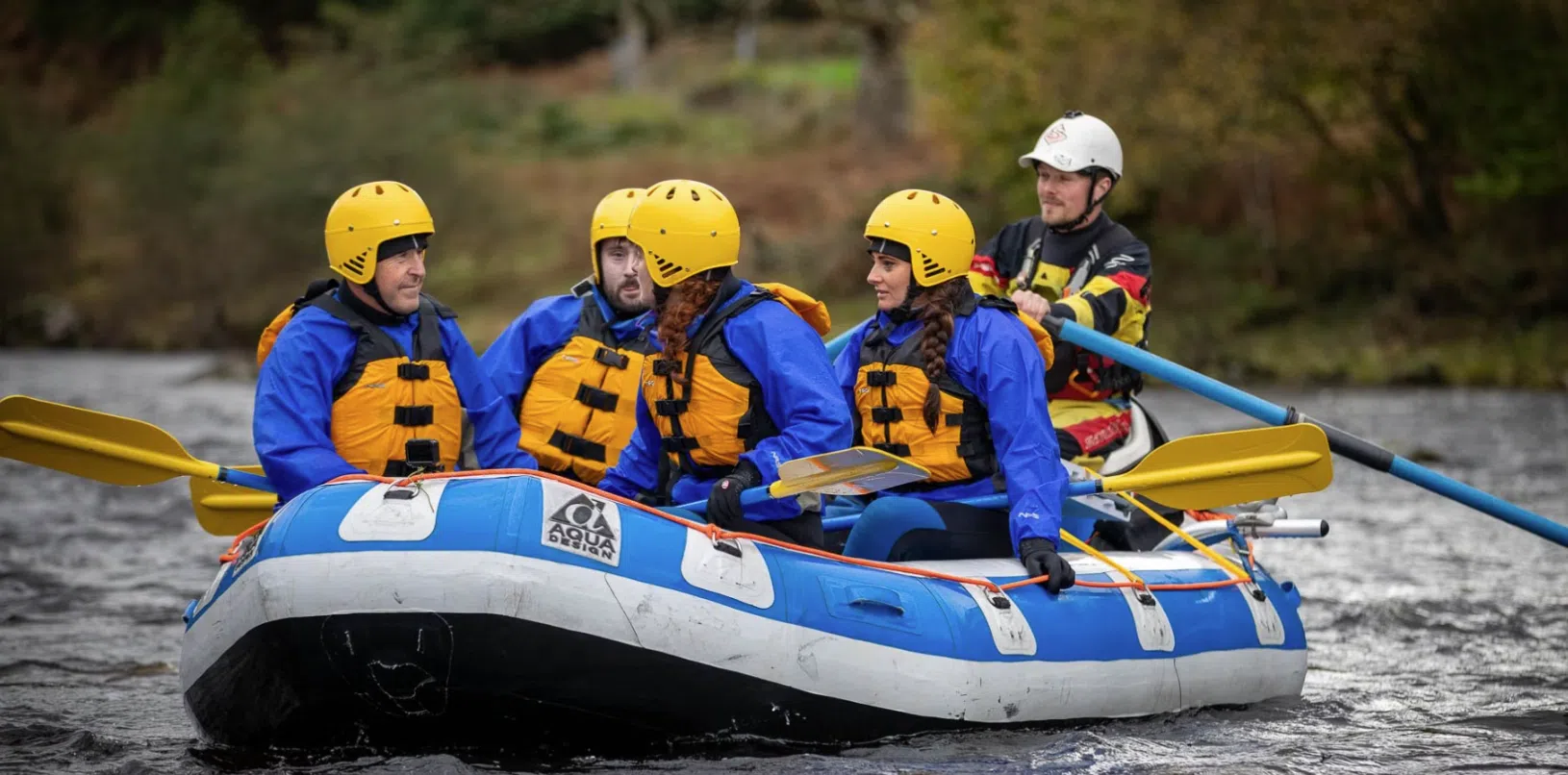
Lowland hills and Fife shore. Good for family MTB, coastal-path hiking, small-harbour paddling and easy Munro bagging at Schiehallion.
No activities match your filters
Try adjusting your filters or

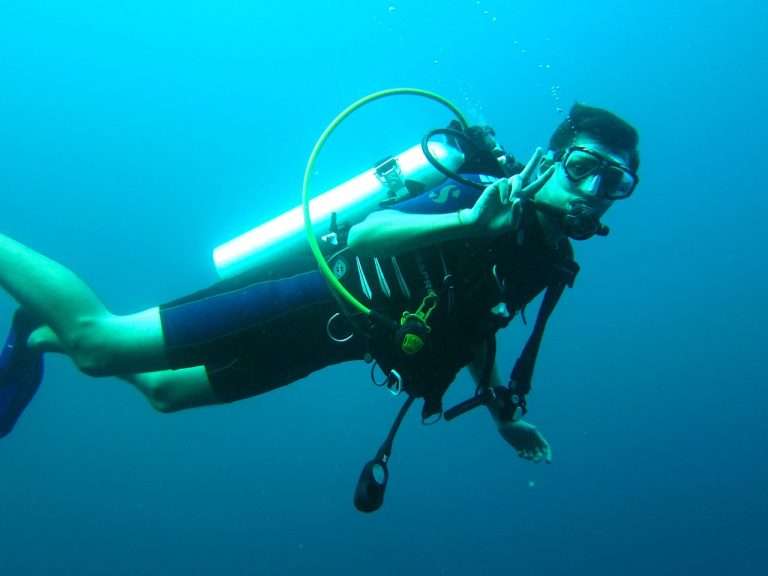
Diving is the use of breathing apparatus (SCUBA) to explore underwater environments in a controlled and safe way. Most people start with a try-dive, which takes place in a pool or shallow water and includes a basic safety briefing, an introduction to the equipment, and time underwater with an instructor. It’s a non-certification session designed to give people a feel for the experience without committing to a full course.
If you decide to continue, the typical entry point is the Open Water Diver certification (e.g. PADI or SSI). This course includes theory, confined water training, and open water dives. Once qualified, you’re allowed to dive with a buddy to depths of 18 metres in conditions similar to your training. Key skills covered include buoyancy control, mask clearing, air-sharing, and emergency procedures. The course structure is designed to give you a clear understanding of how to dive safely and independently within set limits.
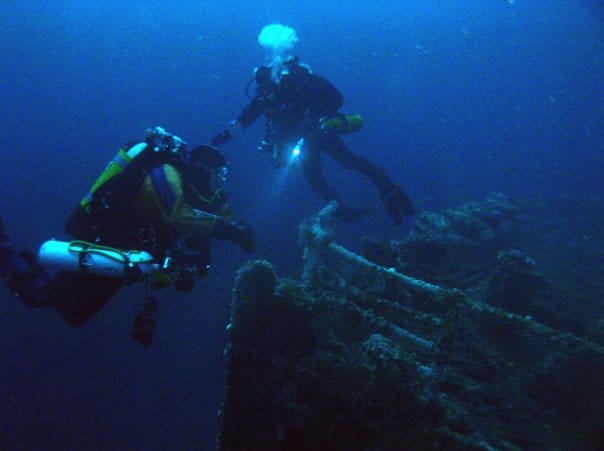
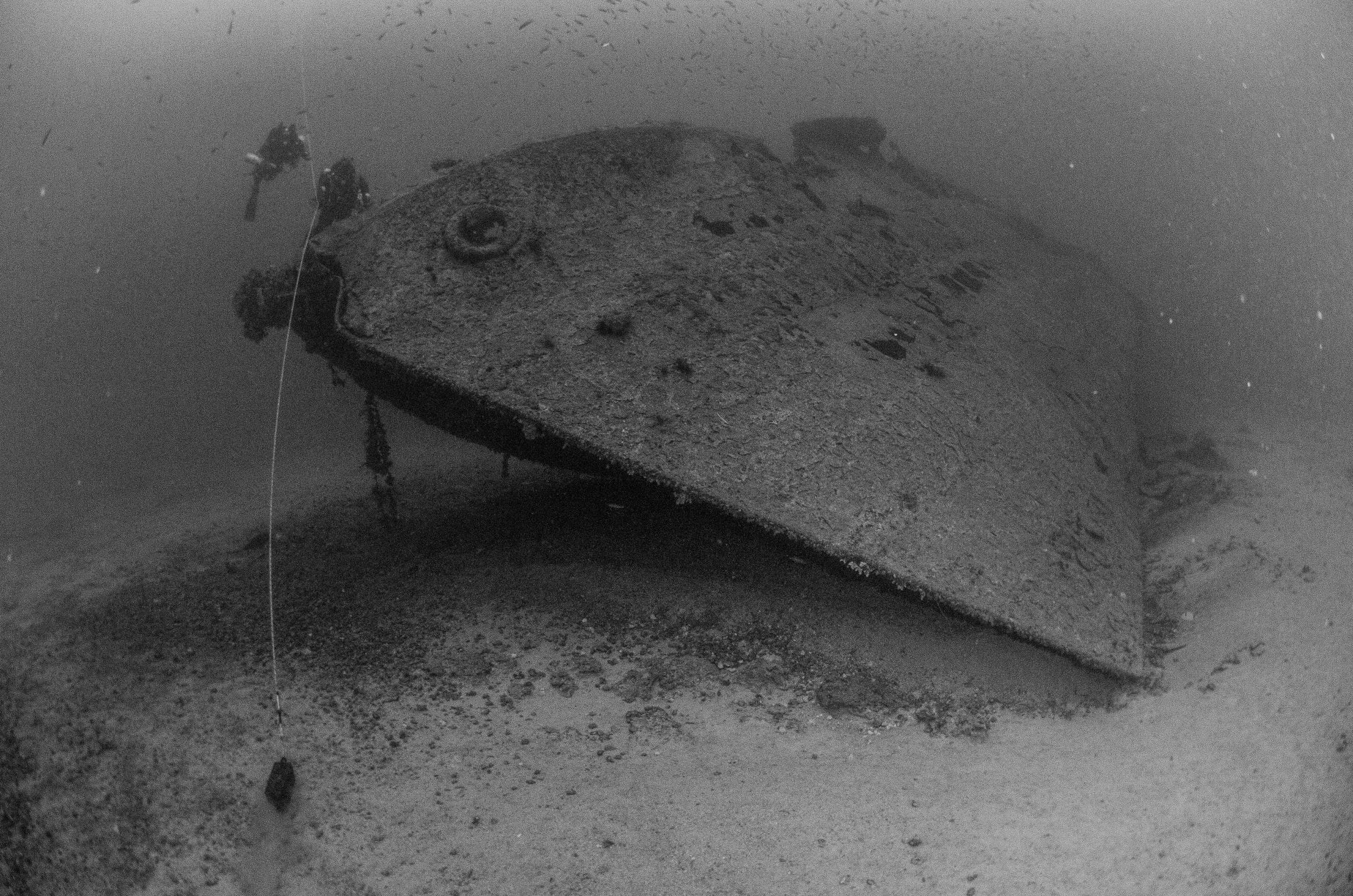
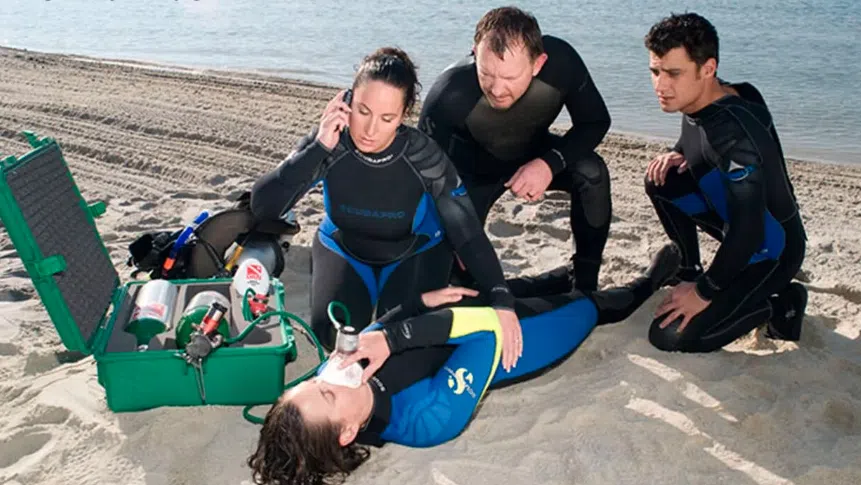
Beyond entry-level, divers can complete an Advanced Open Water course, which includes deeper diving (usually up to 30 metres) and optional modules such as navigation, night diving, or wreck diving. Rescue Diver courses develop your ability to manage emergencies and assist other divers. For those wanting to progress further, professional-level training such as Divemaster or Instructor qualifications are available and often involve assisting with real training sessions under supervision.
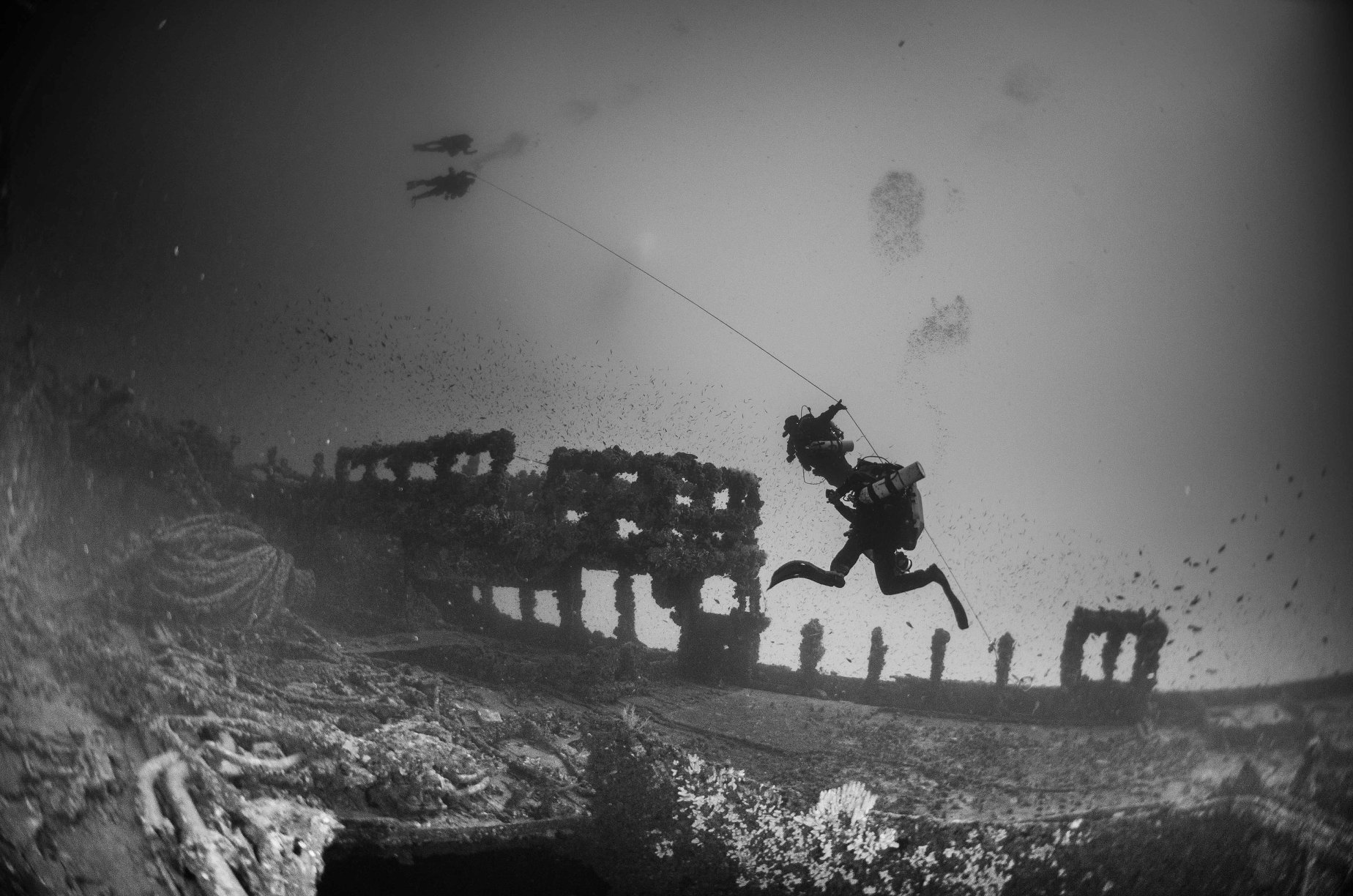
More experienced divers may explore technical diving, which involves greater depth, longer dives, and the use of additional equipment. These courses introduce twinsets or sidemount configurations, gas switching, decompression theory, and equipment redundancy. Technical diving requires a higher level of skill, detailed planning, and more in-depth understanding of dive physiology and safety protocols.
If you’re a beginner, the easiest way to try diving is by booking a try-dive session. These are short, instructor-led experiences that require no prior training. If you enjoy it and want to continue, the Open Water certification provides the foundation for independent diving and is recognised worldwide.
Once qualified, you can book guided dives, join clubs, or continue training through specialist courses. Many centres offer non-certification sessions like refreshers (for those returning after a break), skills workshops, or pool-based practice. These are useful for building confidence or focusing on specific areas like buoyancy or trim.
There are also pathways into areas such as underwater photography, conservation diving, and wreck exploration. Some divers continue with recreational diving, while others focus on more advanced or technical areas. All routes involve regular practice, additional training, and exposure to varied environments to develop competence.
Progression in diving is clearly structured and designed to be built in stages. Each certification opens up new environments and options, with plenty of flexibility to suit your goals. Whether you're looking for occasional guided dives, a professional qualification, or long-term skill development, diving offers a clear and safe path to get involved at any level.


From dive planning and logging to marine life identification and eco-friendly initiatives, these apps provide data, track progress, and connect you with divers.

Discover the thrill of outdoor adventures in Newquay, Cornwall’s premier destination for outdoor enthusiasts that promises unforgettable experiences.

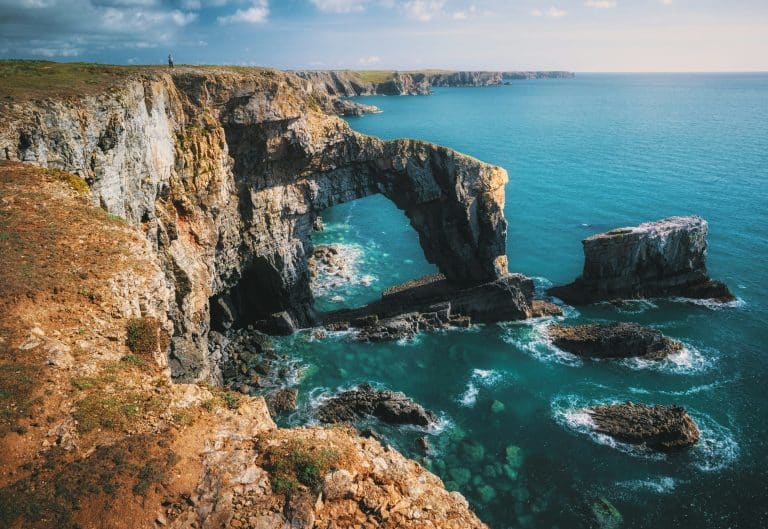
Explore the adventures and things to do in Pembrokeshire, Wales, with its diverse outdoor activities. From surfing and kayaking to the thrill of zip-lining and serene paddleboarding, there’s an activity for every enthusiast. Dive into the beauty of the Welsh coastline with instructor-led courses, scenic camping, and captivating boat trips around its islands. Whether you’re seeking adrenaline-fueled excitement or peaceful exploration, Pembrokeshire offers an unforgettable adventure experience for all. Gear up for an adventure-packed visit to this stunning destination.

Complete your confined open water course before you go away so that you jump straight into your open water dives.