We partner with Rewilding Britain to help protect our natural spaces for future adventures.
All centres are vetted for safety and quality. Your adventure is in good hands with adventuro.
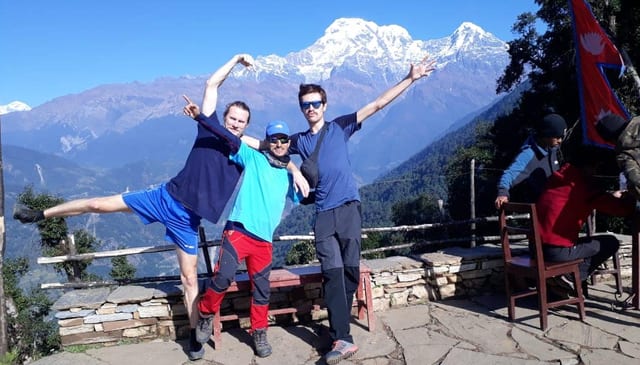
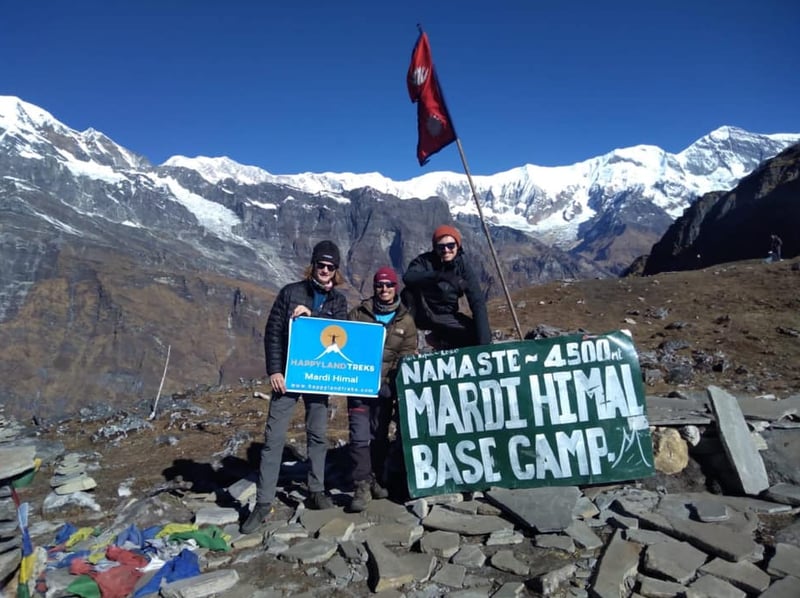
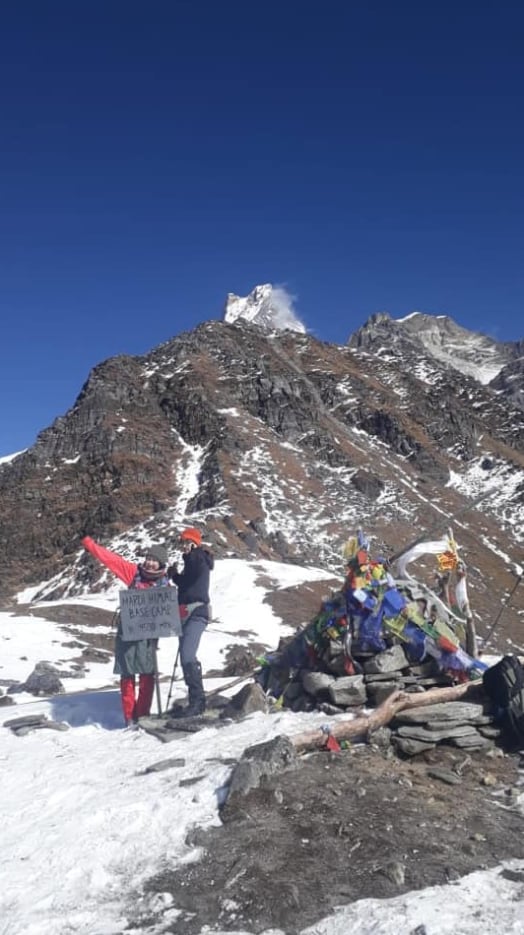
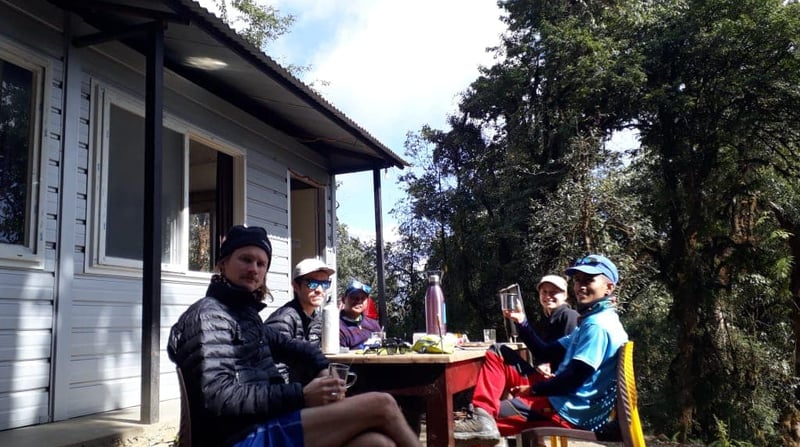
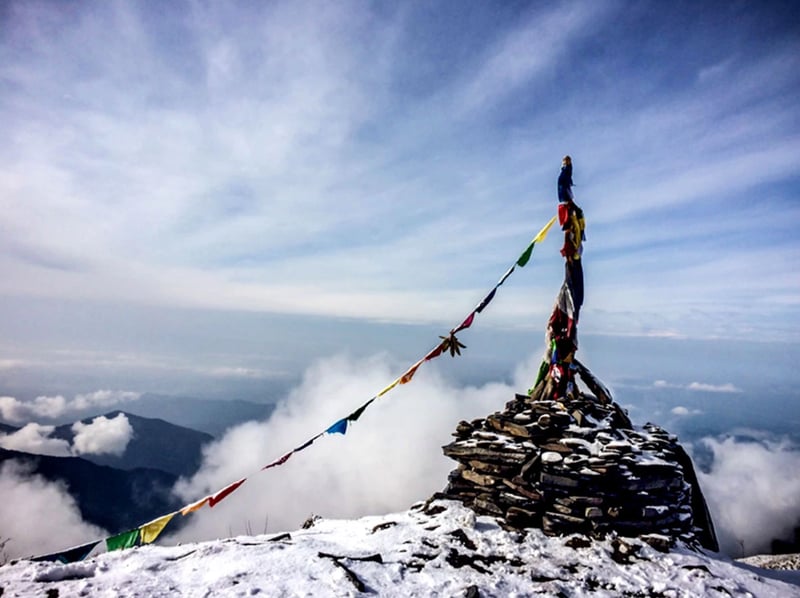
Trek into one of Nepal’s lesser-known yet beautiful high-altitude trails with this Mardi Himal Trek. Following a quieter route off the Annapurna trail, you’ll reach over 4,000 metres with some of the best panoramic views of Machhapuchhre and the surrounding peaks. A good level of fitness and a sense of adventure is all you need for this rewarding trek.
Day 1: Arrival in Kathmandu
You'll be met at the airport and transferred to your hotel. There will be time to meet your guide, go over your trek, and pick up any last bits of kit you may need in the lively Thamel area.
Day 2: Drive to Kande and trek to Deurali (2,100m)
After a morning drive to Kande, you’ll start walking through forests and scenic trails with gradual ascents. The walk to Deurali takes about 4–5 hours, offering your first proper taste of the trekking terrain and views.
Day 3: Trek from Deurali to Forest Camp (2,550m)
This section leads you into denser forests, mostly covered with oak, maple, and rhododendrons. The path is peaceful with gradual ups and downs. Expect about 6 hours of trekking through quiet trails with minimal human settlement.
Day 4: Trek from Forest Camp to Low Camp (2,970m)
As altitude increases, the trees begin to thin, and views of Machhapuchhre start to open up. The walk is around 3–4 hours, and Low Camp gives you your first proper feel of the high alpine environment.
Day 5: Trek to High Camp (3,540m)
A steady but short uphill section takes you to High Camp, where the landscape opens up dramatically. The trail continues along a ridge, with incredible views either side. After a 3–5 hour walk, you’ll settle in at High Camp in anticipation of reaching base camp.
Day 6: Trek to Mardi Himal Base Camp (4,500m) and return to High Camp
Today’s the big one. You'll have an early start to reach Mardi Himal Base Camp, which offers wide views over Annapurna South, Hiunchuli, and Machhapuchhre. The round trip takes 7–8 hours depending on pace and conditions. Return to High Camp for a well-earned rest.
Day 7: Trek to Siding Village (1,750m)
A long descent through forested trails and traditional villages brings you down to Siding. You’ll notice a shift in temperature and terrain as you descend, with the total walk lasting around 6–7 hours.
Day 8: Drive from Siding to Pokhara
After breakfast, you'll hop in a vehicle back to Pokhara, where you can enjoy a relaxed evening by the lakeside or treat yourself to a hot shower and local food.
Day 9: Drive or fly back to Kathmandu
Return to Kathmandu where your trip officially ends. You’ll have the option of a farewell dinner and time to reflect on the trek before heading home.
The Mardi Himal Trek takes place in the Annapurna region of Nepal, beginning with a short drive from Pokhara and heading deep into the foothills of the Himalayas. The route travels through dense forests, ridgelines, and small mountain villages before reaching High Camp and Base Camp — one of the best viewpoints in the region.
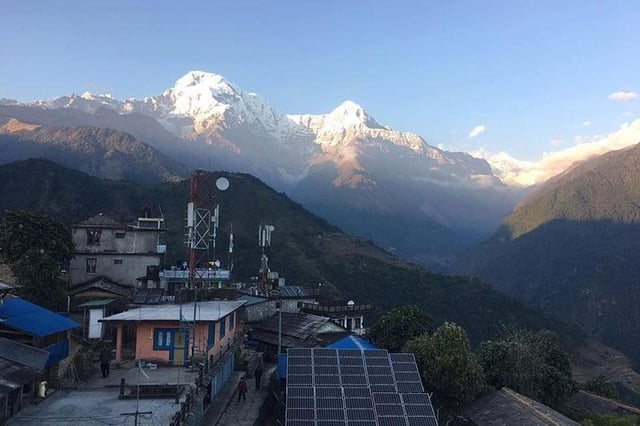
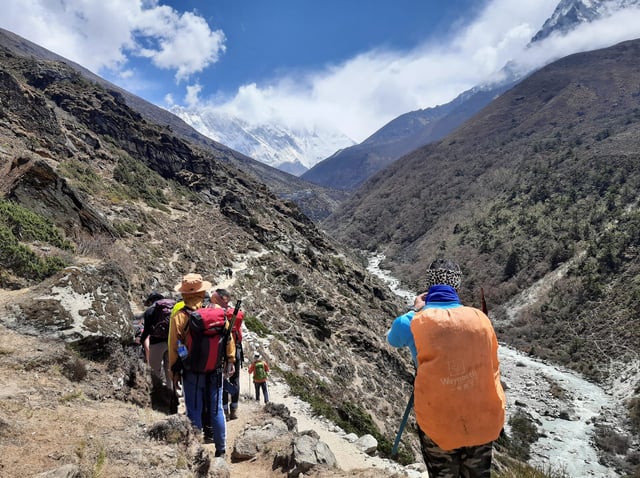
Trekkers experience peaceful trails away from the crowds found on other routes like Annapurna Base Camp. You'll move from lush lower hills to open alpine terrain, with views of Machhapuchhre (Fishtail), Annapurna South, and other Himalayan giants appearing more frequently as you climb. With its relatively short duration and excellent scenery, it’s become a favourite for those looking for something quieter but equally rewarding.
Accommodation throughout the trek is in traditional Nepalese teahouses, run by local families. These are basic but comfortable, offering twin or shared rooms with a mattress, blanket, and pillow. Most teahouses have shared toilets, and in the higher villages, facilities can be more limited. Hot showers are sometimes available for an extra fee, especially in lower camps like Forest Camp and Siding.
In Kathmandu and Pokhara, you’ll stay in guesthouses or small hotels with private rooms and ensuite facilities. These locations provide a good place to rest and recharge at the start and end of your trip. Meals are typically provided at the accommodation throughout the trek, with a choice of local dishes like dal bhat, noodles, soups, and simple Western options depending on location.
This trek is suitable for any person in reasonable physical condition who is comfortable walking for several hours each day. Previous high-altitude experience is helpful but not required, as the itinerary is designed with gradual acclimatisation in mind.
You should be prepared for a mix of weather conditions and have gear that can handle cold temperatures and occasional rain. While the trail is well-marked and supported by experienced guides, the high point at 4,500 metres means it’s essential to follow acclimatisation advice.
The centre offers expert-led trekking experiences across Nepal with a strong focus on safety, preparation, and fun. With over 2,500 happy customers and hundreds of five-star reviews, the team puts a lot of care into every trek, whether you're going solo, as a couple, or with a group. Their guides are seasoned mountain trekkers who know the Himalayas inside out — and they’re great company too.
Part of what sets them apart is their community contribution. Each year, 3% of their revenue goes towards supporting local schools, providing clean water to remote villages, and helping care for elderly residents in need. They also work with guides from remote communities, making sure trekking not only benefits travellers but also those who call the mountains home.
The Mardi Himal Trek is considered moderate and suitable for those with a good basic level of fitness. It involves daily walks of 4–7 hours with some steep ascents and descents, particularly as you approach higher altitudes. While no technical climbing is involved, the trails can be physically demanding due to the altitude and uneven terrain.
Having some prior experience with hillwalking or multi-day treks is helpful, but not essential. What’s more important is good cardiovascular health, strong legs, and a positive mindset. A bit of preparation before your trip—like regular walks, cycling, or stair climbing—will make your experience more enjoyable and less strenuous.
Altitude sickness can affect anyone above 2,500 metres, regardless of fitness or age. To prevent it, the key is proper acclimatisation—going slowly, staying hydrated, and listening to your body. Most itineraries for this trek are designed with gradual ascents to help trekkers adjust to the thinning air.
You should avoid alcohol and smoking during the trek, as they can impair your body's ability to cope with altitude. Taking regular rest breaks, eating nutritious meals, and considering medication such as acetazolamide (with prior consultation from a GP) can also help manage the risk. If symptoms become severe, it’s important to descend immediately.
Yes, it is absolutely suitable for solo travellers. Many people choose to do this trek solo and end up meeting other trekkers along the way. If you’re joining a guided trek, you’ll be placed in a group, which adds a sense of camaraderie and shared experience. Guides and porters are used to working with individuals and will provide support throughout.
If you're trekking independently, it’s important to be well-prepared with maps, local knowledge, and possibly a Nepali SIM card for communication. While the trail is increasingly popular, it's still quieter than some others in the Annapurna region, so there may be longer stretches without seeing many people—another reason why guided treks are often preferred for safety and logistics.
Food during the Mardi Himal Trek is served in teahouses along the route. You’ll find a fairly wide selection, especially in the lower elevations. The staple meal is dal bhat, a traditional Nepali dish with rice, lentils, vegetables, and pickles. Other options usually include noodles, fried rice, pasta, momos (dumplings), soups, and pancakes.
The meals are cooked fresh, and teahouses maintain basic hygiene standards. While the variety may narrow slightly at higher elevations, the food is filling and designed to keep you energised. It's a good idea to carry some high-calorie snacks like trail mix or energy bars for between meals, especially on longer trekking days.
Accommodation on the Mardi Himal Trek is provided in teahouses, which are small mountain lodges run by local families. Rooms are basic, often with two single beds, mattresses, pillows, and blankets. Some may offer private rooms, while others have shared dormitory-style options. As you ascend, the availability of private rooms decreases.
Toilets and washing facilities are shared and vary in quality—western-style toilets are more common in lower elevations, with squat toilets in the higher regions. Hot showers are generally available for an additional fee. While basic, the accommodation is adequate and a memorable part of the trekking experience, offering warmth, conversation, and a good night's rest.
Yes, you can charge your devices in most teahouses, but usually only in the communal dining area and for a small fee of around $3–5 per charge. Electricity may be limited or solar-powered in some areas, so availability isn’t always guaranteed, especially during cloudy days or at busy times.
To ensure you have enough power for the trek, it’s wise to bring a power bank or spare batteries. If photography is important to you or you want to stay connected, it’s also worth carrying your own solar charger. Planning ahead with your charging schedule will save you the hassle of being caught without battery when you need it most.
Mobile coverage along the Mardi Himal Trek is limited but not non-existent. Lower altitudes often have signal, especially if you buy a local Nepali SIM card (NTC or Ncell). As you ascend, the signal becomes patchier and may disappear completely in the highest areas like High Camp or Mardi Himal Base Camp.
Wi-Fi is available in some teahouses, though it's often slow, unreliable, and comes at an additional cost (around $3–5). It’s generally enough to send a quick message or check the weather, but not suitable for streaming or large downloads. If staying in touch is essential, we recommend combining Wi-Fi with a local SIM to maximise your connectivity.
The most popular times for the Mardi Himal Trek are spring (March to May) and autumn (September to November). These months offer the best combination of stable weather, good visibility, and comfortable temperatures. Spring is also when rhododendrons are in bloom, adding vibrant colours to the forest sections of the trail.
Autumn tends to have clearer skies and slightly cooler temperatures, which often results in crisper mountain views. While winter (December to February) offers solitude and snow-covered landscapes, the temperatures drop significantly and some teahouses may close. The monsoon season (June to August) brings heavy rain, leeches, and poor trail conditions, making it the least suitable time to trek.
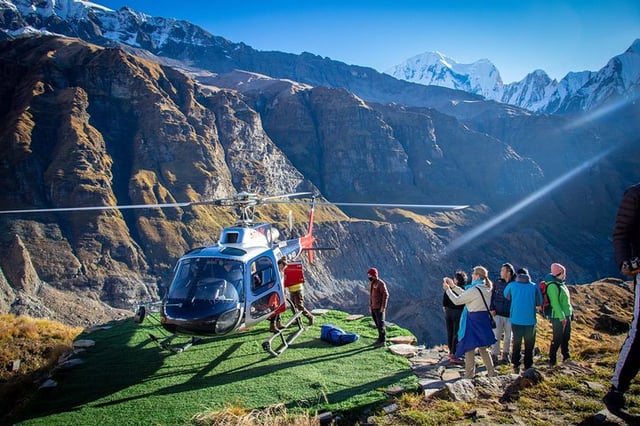
Yes, trekking insurance is strongly recommended for the Mardi Himal Trek. The route reaches altitudes up to 4,500m, and in the rare case of altitude sickness or injury, emergency evacuation by helicopter may be required. These rescues are expensive, and without proper insurance, you’ll be liable for the full cost.
Your insurance should cover trekking to at least 5,000m and include emergency medical treatment, evacuation, and repatriation. It’s also a good idea to check whether your policy covers trip cancellation, loss of gear, and delays. Carry a copy of your insurance details and keep them accessible during your trek.
Himachal Pradesh (Shimla, Manali, Spiti), Nepal
From $813
Arunachal Himalaya (Tawang & Siang Region), Nepal
From $1450
Arunachal Himalaya (Tawang & Siang Region), Nepal
From $1700
Himachal Pradesh (Shimla, Manali, Spiti), Nepal
From $1750
Arunachal Himalaya (Tawang & Siang Region), Nepal
From $2000
About the centre
Kathmandu
Operated by Happyland Treks, a partner of adventuro.
Bagmati Province, Nepal
From $3093