
We partner with Rewilding Britain to help protect our natural spaces for future adventures.
All centres are vetted for safety and quality. Your adventure is in good hands with adventuro.
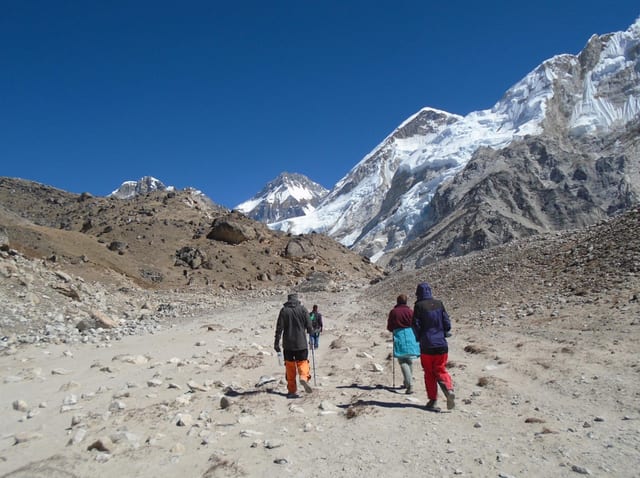
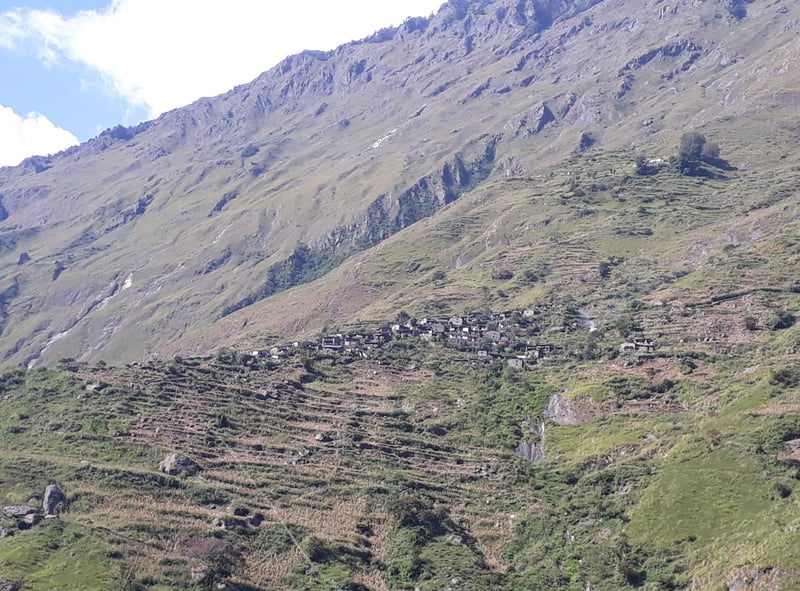
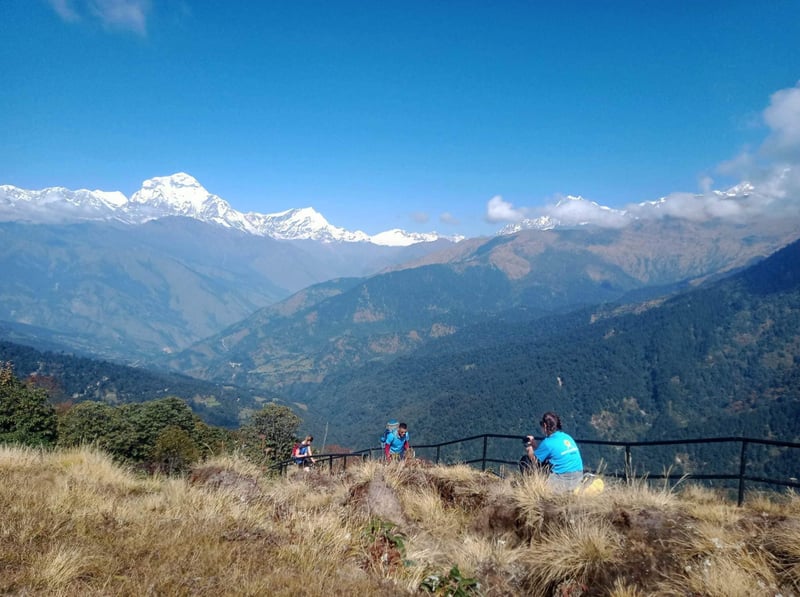
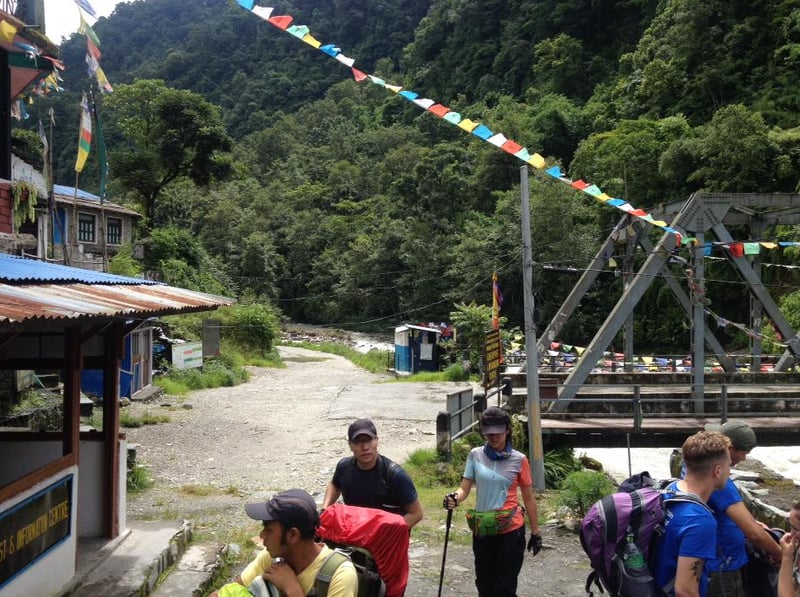
Diese 14-tägige Trekkingtour führt Sie durch abwechslungsreiche Landschaften und abgelegene Dörfer der Manaslu-Region und bietet eine ruhigere Alternative zu beliebteren Routen. Unterwegs erleben Sie eine Mischung aus kulturellen Begegnungen, anspruchsvollen Bergpässen und beeindruckenden Himalaya-Landschaften.
Tag 01: Ankunft in Kathmandu
Kommen Sie in Kathmandu an und verbringen Sie den Tag damit, die lebhaften Straßen und kulturellen Sehenswürdigkeiten der Hauptstadt zu erkunden. Dies ist eine gute Gelegenheit, sich auf die bevorstehende Trekkingtour vorzubereiten und Ihre Guides sowie die anderen Trekker kennenzulernen.
Tag 02: Fahrt von Kathmandu nach Soti Khola
Genießen Sie eine landschaftlich reizvolle Fahrt über kurvenreiche Straßen nach Soti Khola, vorbei an Terrassenfeldern, üppigen Tälern und kleinen Dörfern. Dies ist der offizielle Beginn der Trekkingtour. Übernachten werden Sie in einem örtlichen Teehaus.
Tag 03: Trekking von Soti Khola nach Machha Khola
Folgen Sie dem Budhi-Gandaki-Fluss flussaufwärts, wandern Sie durch dichten Wald und überqueren Sie Hängebrücken. Sie passieren traditionelle Gurung-Dörfer, bevor Sie Machha Khola erreichen, wo Sie übernachten.
Tag 04: Trekking von Machha Khola nach Jagat
Setzen Sie Ihre Wanderung am Fluss entlang fort und steigen Sie durch Ackerland und dichte Wälder auf. Unterwegs sehen Sie Wasserfälle und kleine Dörfer, bevor Sie Jagat erreichen. Dort können Sie das lokale Leben erkunden und die Nacht verbringen.
Tag 05: Trekking von Jagat nach Deng
Während Sie durch Rhododendronwälder und Terrassenfelder wandern, gibt der Weg allmählich immer mehr Blicke auf die Himalaya-Gipfel frei. Sie passieren mehrere abgelegene Dörfer, bevor Sie Deng erreichen.
Tag 06: Trekking von Deng nach Namrung
Beim Aufstieg in die alpine Zone werden Sie eine Veränderung der Vegetation und Landschaft bemerken. Namrung ist ein traditionelles Dorf mit Gebetsfahnen und Steinhäusern. Es bietet beeindruckende Bergblicke und einen angenehmen Ort zum Ausruhen.
Tag 07: Trekking von Namrung nach Samagaun
Sie durchqueren Kiefern- und Rhododendronwälder und gewinnen stetig an Höhe. Samagaun liegt unterhalb der Gipfel von Manaslu und Ganesh Himal. Hier haben Sie Zeit, das Dorf zu erkunden und sich auf die höher gelegenen Abschnitte vorzubereiten.
Tag 08: Akklimatisierungstag in Samagaun
Verbringen Sie den Tag mit Erholung und Akklimatisierung. Sie können eine kurze Wanderung in der Umgebung unternehmen, um Panoramablicke auf den Manaslu zu genießen, oder örtliche Klöster besuchen und mehr über Kultur und Traditionen erfahren.
Tag 09: Trekking von Samagaun nach Samdo
Der Weg wird anspruchsvoller, während Sie Yakweiden und Hängebrücken überqueren. Samdo liegt nahe der tibetischen Grenze und bietet eine einzigartige kulturelle Atmosphäre sowie einfache Übernachtungsmöglichkeiten in Teehäusern.
Tag 10: Trekking von Samdo nach Dharamsala (Larkya Phedi)
Steigen Sie in Richtung Dharamsala auf, das direkt unterhalb des Larke-La-Passes liegt. Die Route bietet spektakuläre Bergblicke, während Sie sich auf die anspruchsvolle Passüberquerung am folgenden Tag vorbereiten.
Tag 11: Von Dharamsala nach Bhimtang über den Larke-La-Pass
Überqueren Sie den Larke-La-Pass auf 5,160 Metern – den höchsten und anspruchsvollsten Abschnitt der Trekkingtour. Der felsige Weg ist von schneebedeckten Gipfeln umgeben und vermittelt ein großartiges Erfolgserlebnis. Steigen Sie nach Bhimtang hinab und erholen Sie sich.
Tag 12: Von Bhimtang nach Dharapani
Steigen Sie durch Rhododendronwälder und Terrassenfelder hinab. Je näher Sie Dharapani kommen, desto grüner und wärmer wird die Landschaft. Dabei passieren Sie mehrere kleine Dörfer.
Tag 13: Fahrt von Dharapani über Besisahar nach Kathmandu
Lassen Sie die Berge hinter sich und genießen Sie die landschaftlich reizvolle Rückfahrt nach Kathmandu durch ländliche Orte und landwirtschaftlich geprägte Gegenden. Nutzen Sie diese Zeit, um Ihre Trekkingtour Revue passieren zu lassen. Übernachtung in Kathmandu.
Tag 14: Abreisetag oder Verlängerung des Aufenthalts
Reisen Sie von Kathmandu ab oder verlängern Sie Ihren Aufenthalt, um weitere kulturelle und natürliche Sehenswürdigkeiten Nepals zu erkunden.
Die Trekkingtour findet in Nepals Manaslu-Region statt, einem Gebiet, das für seine spektakuläre Himalaya-Landschaft und kulturelle Vielfalt bekannt ist. Hier befindet sich der achthöchste Berg der Welt, der Manaslu. Zudem ist die Region weniger überlaufen als andere beliebte Trekkingrouten. Die Region bietet eine Kombination aus Flusstälern, alpinen Wäldern, hohen Bergpässen und abgelegenen Dörfern, in denen die traditionelle tibetisch-buddhistische Kultur erhalten geblieben ist.
Die Reise beginnt und endet in Kathmandu. Zunächst fahren Sie zum Ausgangspunkt der Route und durchqueren üppige Tieflandgebiete, bevor Sie die hochalpinen Zonen erreichen. Die Route führt über anspruchsvolle Pässe und tief in Dörfer hinein, die noch immer von tibetischen Bräuchen geprägt sind, und bietet so ein authentisches Erlebnis abseits stärker frequentierter Trekkingrouten.
Während der Trekkingtour übernachten Sie hauptsächlich in Teehäusern, einfachen Lodges, die von einheimischen Familien geführt werden. Diese bieten einfache Zimmer mit Gemeinschaftsbädern und gemeinschaftlichen Essbereichen, in denen Sie traditionelle nepalesische Mahlzeiten genießen können. Die Ausstattung variiert zwar, doch Wärme und Gastfreundschaft sind überall spürbar und sorgen für ein authentisches Bergerlebnis.
In Kathmandu übernachten Sie in komfortablen Hotels, in denen Sie sich vor und nach der Trekkingtour ausruhen können. Diese bieten moderne Annehmlichkeiten und die Möglichkeit, sich nach dem Abenteuer zu entspannen. Die Kombination aus Übernachtungen in Teehäusern entlang der Route und Hotelkomfort in der Stadt verbindet Authentizität mit Bequemlichkeit.
Die Teilnehmer sollten körperlich fit sein und sich wohl dabei fühlen, täglich mehrere Stunden auf unebenen Bergwegen zu gehen. Frühere Trekkingerfahrung wird empfohlen, insbesondere für den Umgang mit der Höhe und den langen Wandertagen. Die Überquerung des Larke-La-Passes erfordert gute Kondition und mentale Vorbereitung.
Eine gute Akklimatisierung ist entscheidend für sicheres Trekking. Daher ist es unerlässlich, Ruhetage einzuhalten und auf die Guides zu hören. Grundkenntnisse der Trekkingausrüstung sowie eine Vorbereitung auf wechselnde Wetterbedingungen tragen zu einer reibungslosen und angenehmen Trekkingtour bei.
Das Team verfügt über umfangreiche Erfahrung in der Führung von Trekkingtouren durch Nepal und legt großen Wert auf Sicherheit und persönlichen Service. Die Guides sind ortskundige Einheimische, die Gelände und Kultur verstehen und Sie während der gesamten Reise mit ihrer Unterstützung bereichern.
Sie engagieren sich für eine positive Wirkung, indem sie lokale Gemeinschaften unterstützen und Guides aus finanziell benachteiligten Regionen beschäftigen. Dieser ethische Ansatz stellt sicher, dass Ihre Trekkingtour zum Wohlergehen der Menschen und Regionen beiträgt, die Sie besuchen, und Ihr Abenteuer dadurch in mehrfacher Hinsicht bedeutungsvoll wird.
Für diese Trekkingtour ist eine gute körperliche Fitness erforderlich, da Sie täglich 5 bis 7 Stunden auf unebenen Bergwegen unterwegs sind. Der höchste Punkt, der Larke-La-Pass auf 5,160 Metern, erfordert viel Ausdauer und Kondition, um die Höhe und die körperliche Belastung zu bewältigen.
Eine gute Vorbereitung und regelmäßiges aerobes Training vor der Trekkingtour sind unerlässlich, um das Risiko der Höhenkrankheit zu verringern und die Reise unbeschwert genießen zu können. Ebenso wichtig ist es, während der Trekkingtour das eigene Tempo zu halten und den Empfehlungen Ihres Guides zu Pausen und Flüssigkeitszufuhr zu folgen.
Der Larke-La-Pass gilt aufgrund seiner großen Höhe und des steilen, felsigen Geländes als anspruchsvollster Abschnitt der Trekkingtour. Bei der Überquerung in über 5,000 Metern Höhe ist die Luft dünn, was das Atmen erschweren kann und schneller zu Erschöpfung führt als in niedrigeren Höhenlagen.
Die Überquerung des Passes dauert gewöhnlich mehrere Stunden und erfordert sorgfältiges Auftreten sowie ein gleichmäßiges Tempo. Gute Wetterbedingungen sind hilfreich, doch auch dann bleibt die Strecke körperlich fordernd. Mentale Entschlossenheit und eine gute Akklimatisierung sind daher entscheidend.
Während der Trekkingtour übernachten Sie in Teehäusern, einfachen Lodges, die meist von einheimischen Familien geführt werden. Die Zimmer verfügen in der Regel über einfache Betten und gemeinschaftlich genutzte Badezimmer. In den Gemeinschaftsbereichen gibt es Heizung, in den Schlafzimmern jedoch nicht immer.
Diese Teehäuser bieten authentische kulturelle Erlebnisse und die Gelegenheit, andere Trekker kennenzulernen. Der Komfort kann je nach Ort variieren, doch Sauberkeit und Gastfreundschaft sind entlang der gesamten Route im Allgemeinen gut.
Ja, bei dieser Trekkingtour besteht ein potenzielles Risiko für Höhenkrankheit, insbesondere bei der Überquerung hoher Pässe wie des Larke-La-Passes. Zu den Symptomen können Kopfschmerzen, Übelkeit, Schwindel und Erschöpfung gehören, was Ihre Fähigkeit beeinträchtigen kann, sicher weiterzugehen.
Um das Risiko zu minimieren, umfasst der Reiseplan einen Akklimatisierungstag in Samagaun und setzt auf einen langsamen, gleichmäßigen Aufstieg. Es ist entscheidend, auf Ihren Körper zu hören, ausreichend zu trinken und Ihren Guide sofort zu informieren, wenn Symptome auftreten.
Die Mahlzeiten während der Trekkingtour bestehen hauptsächlich aus traditionellen nepalesischen Gerichten wie Dal Bhat (Linsensuppe mit Reis), Momos (Teigtaschen) und lokalen Suppen. Die Teehäuser bieten einfache, aber nahrhafte Gerichte an, üblicherweise Frühstück, Mittag- und Abendessen.
Vegetarische und andere Ernährungswünsche können bei vorheriger Ankündigung in der Regel berücksichtigt werden. Das Essen lokaler Gerichte unterstützt außerdem die Dörfer, durch die Sie kommen, und ermöglicht ein authentisches kulturelles Erlebnis.
Jede Person darf ihren persönlichen Tagesrucksack tragen, während schweres Gepäck von Trägern transportiert wird – ein Träger pro zwei Trekker. Der Träger transportiert Ihre vom Veranstalter bereitgestellte große Duffle-Bag, die Ihre Kleidung und wichtigsten Utensilien für die Übernachtungen enthält.
Es wird empfohlen, so leicht wie möglich zu packen, damit die Trekkingtour sowohl für Sie als auch für den Träger angenehmer wird. Gegenstände wie warme Kleidung, Toilettenartikel und persönliche Ausrüstung sollten innerhalb der für die Duffle-Bag geltenden Grenzen Platz finden.
Die beliebtesten und empfohlenen Jahreszeiten für diese Trekkingtour sind Frühling (März bis Mai) und Herbst (September bis November). In diesen Monaten ist das Wetter im Allgemeinen stabil, mit klarem Himmel und gemäßigten Temperaturen.
Die Wintermonate können sehr kalt sein und insbesondere in höheren Lagen starken Schneefall bringen. Die sommerliche Monsunzeit führt hingegen zu Regen und rutschigen Wegen, wodurch das Trekking schwieriger und weniger angenehm wird.
Ja, die Guides sind sehr erfahrene Einheimische mit umfassenden Kenntnissen der Manaslu-Region. Sie sind darin geschult, verschiedene Situationen beim Trekking zu bewältigen, und verfügen über Erfahrung im Höhenmanagement, in Erster Hilfe und in der Vermittlung kultureller Zusammenhänge.
Ihre Unterstützung sorgt für Ihre Sicherheit und bereichert Ihr Erlebnis durch Einblicke in lokale Bräuche, Geografie und Geschichte. Die Guides helfen außerdem bei der Organisation und kommunizieren entlang der Route mit den Betreibern der Teehäuser.
Zur Grundausstattung gehören Kleidung im Schichtenprinzip für wechselhaftes Wetter, robuste Trekkingstiefel, eine warme Jacke, eine Mütze, Handschuhe und ein hochwertiger Schlafsack. Trekkingstöcke sowie ein Tagesrucksack für Wasser und Snacks werden ebenfalls empfohlen.
Weitere wichtige Dinge sind Sonnencreme, Sonnenbrille, eine Wasserflasche oder ein Trinksystem, persönliche Medikamente und eine Stirnlampe. Es empfiehlt sich, Ihre Ausrüstung möglichst leicht zu halten, um die körperliche Belastung während der Trekkingtour zu verringern.
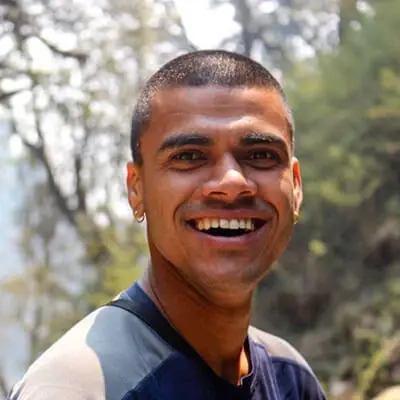
Über das Zentrum
Kathmandu
Betrieben von Happyland Treks, einem Partner von adventuro.
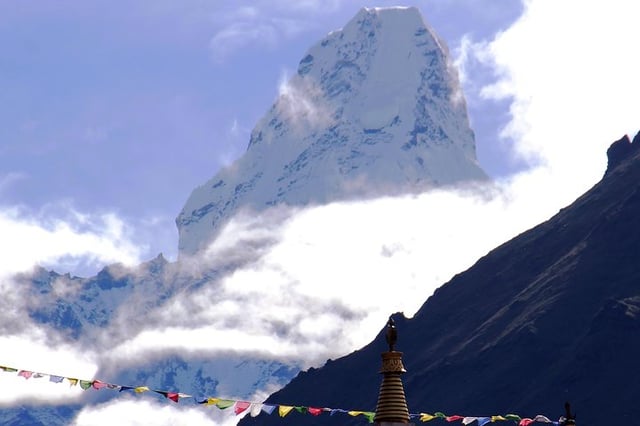
Arunachal Himalaya (Tawang & Siang Region), Nepal
Ab $1450
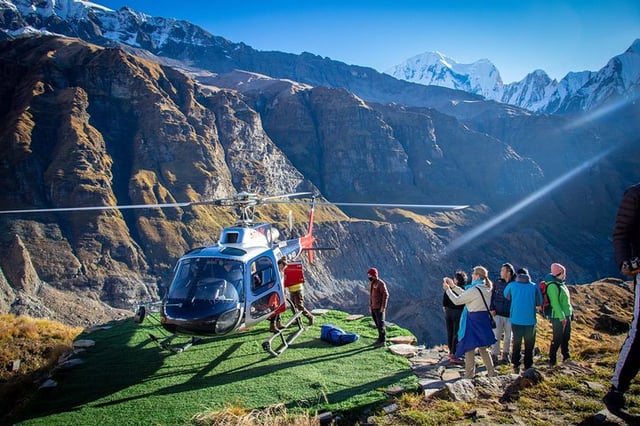
Himachal Pradesh (Shimla, Manali, Spiti), Nepal
Ab $1500
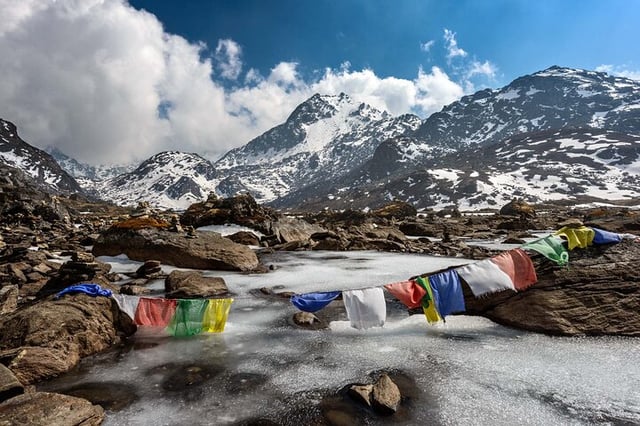
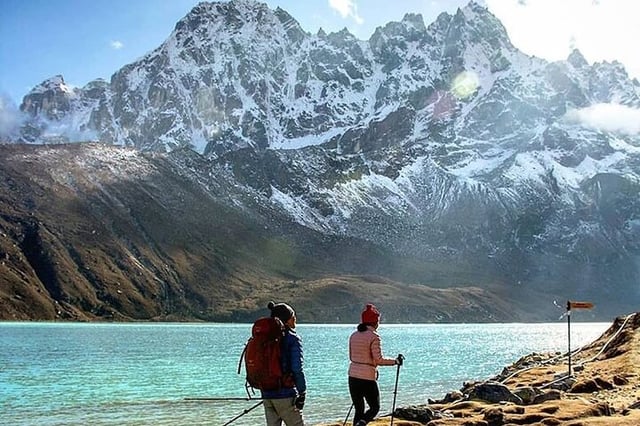
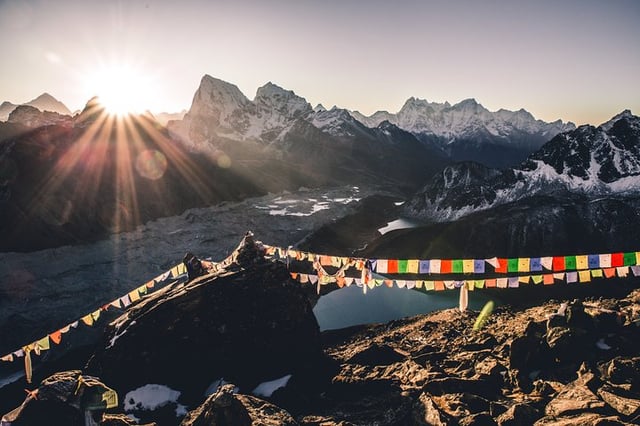
Arunachal Himalaya (Tawang & Siang Region), Nepal
Ab $1700
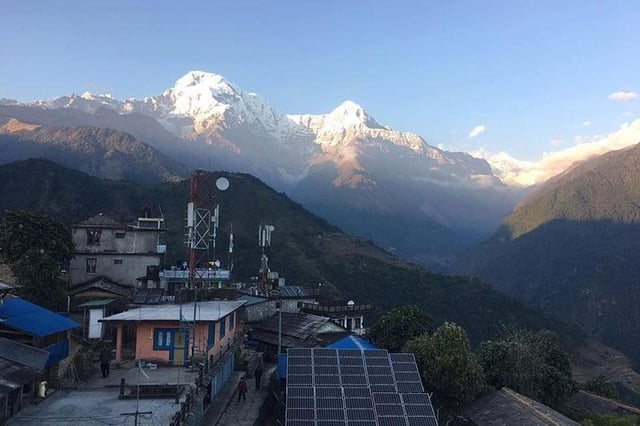
Himachal Pradesh (Shimla, Manali, Spiti), Nepal
Ab $1750
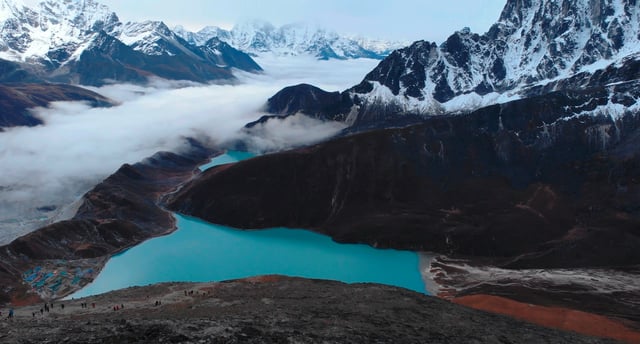
Bagmati Province, Nepal
Ab $1358
Bagmati Province, Nepal
Ab $1360
Bagmati Province, Nepal
Ab $1387
Bagmati Province, Nepal
Ab $3093
Bagmati Province, Nepal
Ab $2897
Bagmati Province, Nepal
Ab $1899
Bagmati Province, Nepal
Ab $1500