We partner with Rewilding Britain to help protect our natural spaces for future adventures.
All centres are vetted for safety and quality. Your adventure is in good hands with adventuro.
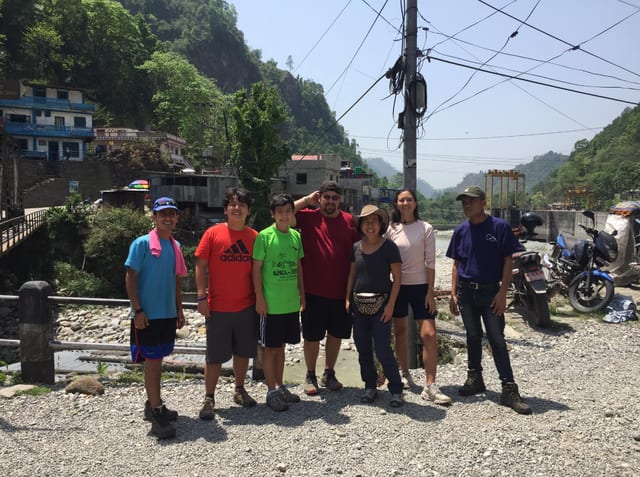
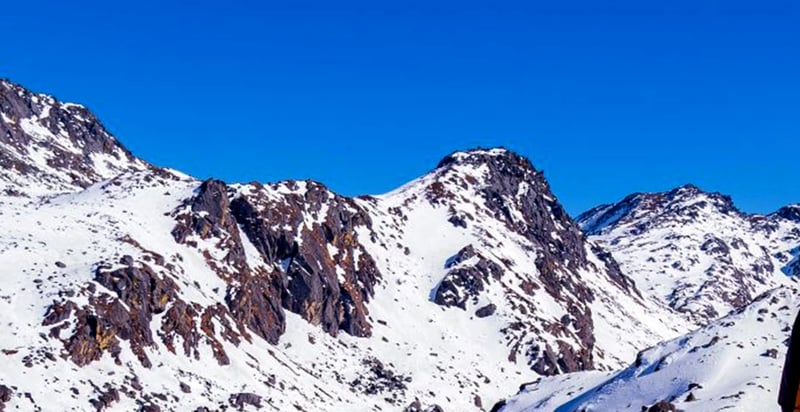
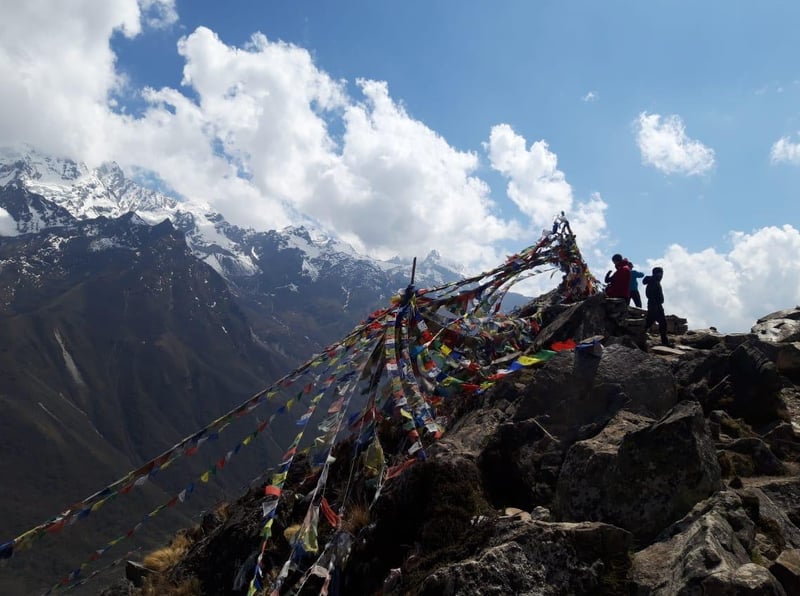
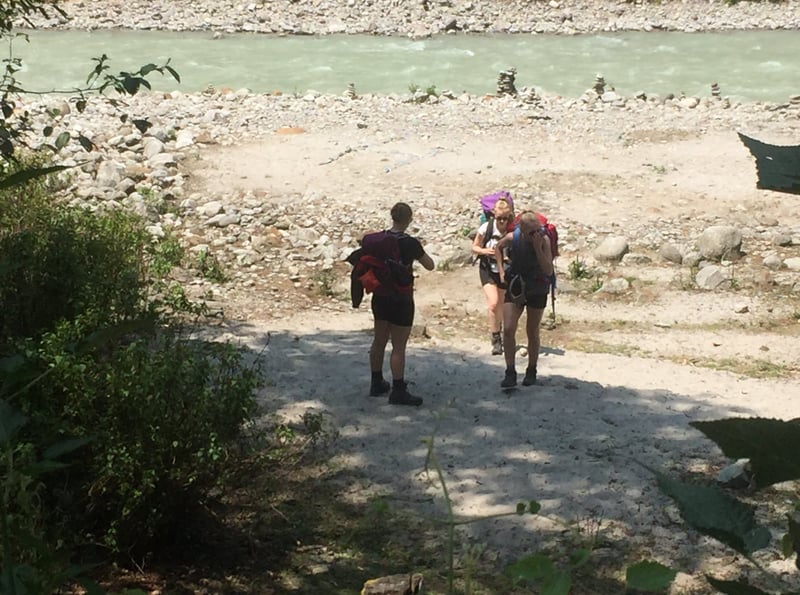
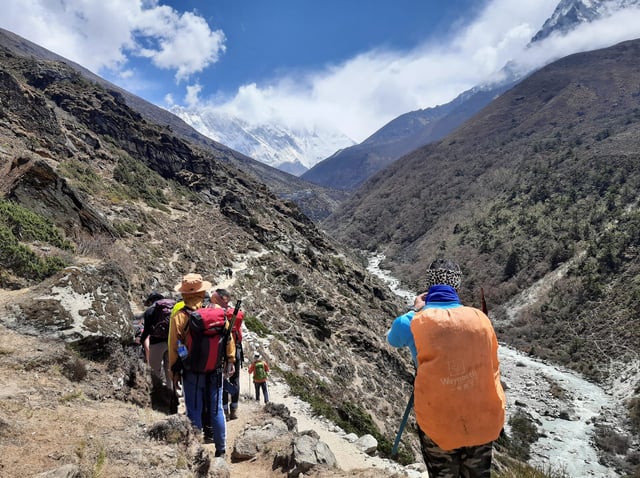
A popular first trek for those new to multi-day hiking in Nepal, this 13-day Langtang Valley and Gosaikunda Lake route blends high-altitude adventure with cultural experience. Gradual ascents, welcoming villages, and time for acclimatisation make it a solid choice for beginners with good fitness.
Day 1: Arrival in Kathmandu
Upon landing at Tribhuvan International Airport, you’ll be met and transferred to your hotel. Later in the day, there's a chance to meet your guide, review the route, and check your kit before the trek begins.
Day 2: Drive to Syabrubesi (1,463m)
Following an early breakfast, the drive to Syabrubesi takes around 6–8 hours, depending on road conditions. You'll travel through the Trisuli Valley, passing farms, rivers, and small towns before reaching the gateway to Langtang.
Day 3: Trek to Lama Hotel (2,380m)
The trail crosses suspension bridges and winds through bamboo and rhododendron forest, gradually gaining height. After 5–6 hours of steady walking alongside the river, you'll reach Lama Hotel for a warm meal and overnight stay.
Day 4: Trek to Langtang Village (3,430m)
You continue uphill through oak and pine woods before the forest gives way to open pastures. Langtang Lirung comes into view as you stop for lunch at Godatabela and continue toward Langtang Village, which was rebuilt after the 2015 earthquake.
Day 5: Trek to Kyanjin Gompa (3,830m)
A shorter climb leads through yak pastures and across glacial streams to Kyanjin Gompa, a Buddhist monastery set in a wide alpine valley. You’ll arrive by early afternoon, with time to explore the cheese factory and surrounding viewpoints.
Day 6: Day hike to Tserko Ri (5,000m)
This day is used for acclimatisation and panoramic views from the Tserko Ri viewpoint, which takes 4–5 hours to reach. After enjoying the scenery, you’ll descend back to Kyanjin for a second night, with time to rest and recover.
Day 7: Trek back to Lama Hotel (2,380m)
Retracing your route, you head back down the valley with Langtang’s peaks at your back. The descent takes around 6 hours, arriving once again at Lama Hotel for a relaxing overnight.
Day 8: Trek to Thulo Syabru (2,230m)
From Lama Hotel, a steady descent brings you back down to the river before ascending again to the large village of Thulo Syabru. The route passes through forest where monkeys and birds are often spotted.
Day 9: Trek to Sing Gompa (3,330m)
The day begins with a steady climb through forest and quiet villages, with rest stops offering views across to Ganesh Himal. After lunch in Mulkharka, the trail leads to Sing Gompa, known for its monastery and small cheese production site.
Day 10: Trek to Gosaikunda Lake (4,380m)
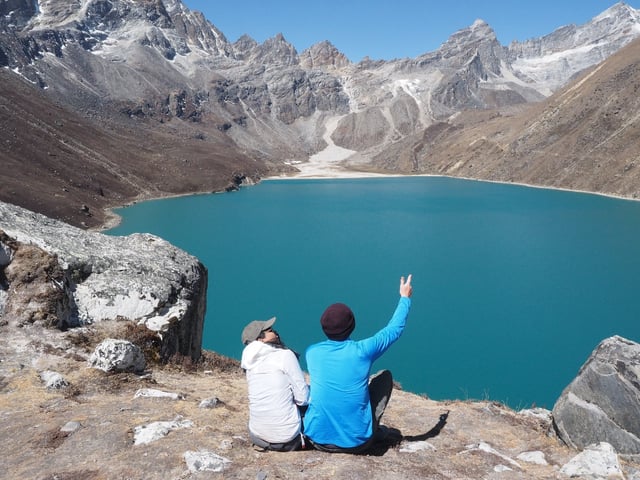
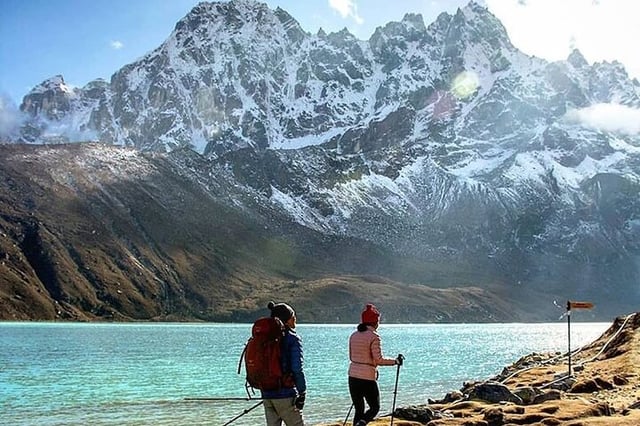
Today’s goal is the sacred Gosaikunda Lake, reached by crossing Lauribina Pass. Along the way, you pass alpine lakes like Saraswati Kunda and Bhairab Kunda before reaching the turquoise shores of Gosaikunda for the night.
Day 11: Trek to Dhunche (1,960m)
You begin the long descent to Dhunche, dropping over 1,400m through forest and villages. The route follows a quieter section of trail with scenic ridge lines and glimpses back toward the mountains.
Day 12: Drive to Kathmandu
A shared bus takes you back to Kathmandu, with the journey again taking 6–7 hours. Once back in the city, there’s time to relax or do some last-minute shopping.
Day 13: Departure or optional extension
You’ll be transferred to the airport in time for your flight home. If you’ve chosen to stay longer, optional sightseeing tours or short adventure add-ons can be arranged.
The Langtang region sits north of Kathmandu and shares a border with Tibet. This route begins in Syabrubesi and winds through Langtang National Park, home to rare wildlife, rich forests, and high mountain lakes. The trek passes through Tamang villages, offering insight into a Tibetan-influenced culture with centuries-old traditions.
Much of the walk is above 2,000m, with alpine terrain dominating as you reach Kyanjin Gompa and Gosaikunda. The return journey passes through the lower-altitude Dhunche area, making this a rewarding circuit that avoids repeating too much of the trail.
Throughout the trek, you’ll stay in locally run teahouses that provide a practical and welcoming base after each day’s walk. Rooms are usually twin-share with simple bedding and blankets, although bringing a sleeping bag is strongly recommended for added warmth. Bathrooms may be shared and facilities vary depending on the village, with some offering limited hot showers and charging options for electronics at an extra cost. Meals are served in communal dining areas, which are often heated and offer a cosy spot to relax, chat with fellow trekkers, and enjoy home-cooked Nepali food.
In Kathmandu, accommodation is not included, giving you the flexibility to choose your own hotel depending on your preferences and budget. However, airport pick-up and drop-off are covered, and you’ll receive a welcome drink on arrival and a farewell dinner at the end of your trek. This arrangement allows you to tailor the start and end of your trip to suit your own travel plans, whether that means staying close to the bustling streets of Thamel or opting for a quieter area of the city.
You should be in good physical condition and comfortable walking for several hours a day with a daypack. The route includes multiple days at altitudes over 3,000m, so previous experience at altitude is helpful but not essential. The itinerary is designed to aid acclimatisation with gradual ascents and a rest day built in.
Children and older participants can join if they are fit and prepared for the challenge. No technical climbing is involved, but walking poles, layered clothing, and proper footwear are essential.
The centre is run by experienced trekking professionals with in-depth local knowledge and a long-standing presence in the Langtang region. They prioritise safety, cultural respect, and flexibility, ensuring each group is well supported throughout the trip.
With a strong focus on value, the team includes key elements such as all permits, meals on the trek, and even snacks, while offering optional extras to suit your style. From friendly porters to detailed itineraries, they help you make the most of your first high-altitude trek.
The ideal times are during the pre-monsoon (March to May) and post-monsoon (September to November) seasons. These months typically offer clearer skies, mild temperatures, and more stable weather conditions—perfect for enjoying views of the Langtang and Ganesh Himal ranges.
While it’s possible to trek in winter (December to February), trails can be snow-covered and some high-altitude passes like Lauribina may be difficult or closed. Monsoon season (June to August) is less favourable due to heavy rainfall, leeches, and potential landslides, especially on the drive to and from Syabrubesi.
This is considered a moderate trek, suitable for active individuals who are new to high-altitude trekking. Most days involve walking for 4–7 hours on well-trodden trails, with plenty of time for rest and acclimatisation.
Though some sections, especially the ascent to Gosaikunda and the hike to Tserko Ri, can be demanding, the pace is manageable and there’s a dedicated acclimatisation day. Physically fit beginners with determination and a bit of training beforehand can comfortably complete the route.
The highest overnight altitude is 4,380m at Gosaikunda Lake, with the optional Tserko Ri day hike reaching 5,000m. These elevations do make altitude sickness a consideration, particularly for those who haven’t experienced higher altitudes before.
To help reduce risk, the itinerary includes gradual ascents and an acclimatisation day at Kyanjin Gompa. Drinking plenty of water, avoiding alcohol, and listening to your body are important. Your guide is trained in recognising symptoms and has access to basic first aid support if needed.
There are no strict age limits, and the trek can be suitable for both teenagers and older adults with good physical health. Children over 12 and adults up to 70+ have completed this trek successfully with appropriate preparation.
However, anyone with pre-existing medical conditions or limited mobility should consult a doctor before booking. The trek involves long days on foot and requires the ability to adapt to changing weather and altitude conditions.
Three meals a day are included during the trek, with menus offering typical teahouse fare like dal bhat, noodles, soups, rice dishes, pancakes, and local curries. The meals are filling and cooked fresh, with options available for vegetarians.
Snacks such as peanuts, biscuits, and moong dal are also included, along with occasional fruit and chocolates like Snickers. Drinks such as tea and coffee are widely available, although bottled or boiled water is recommended due to water safety.
You'll stay in traditional trekking teahouses—basic but friendly lodges run by local families. Rooms usually have two single beds with mattresses and pillows, and shared toilets and washing facilities are standard.
While not luxurious, the teahouses provide warm hospitality, hot meals, and a place to recharge after trekking. Facilities vary depending on location, with Kyanjin Gompa and Sing Gompa offering slightly better services than more remote stops.
A porter is provided for every two trekkers, carrying your main overnight bag in a company-issued duffel. This allows you to trek with just a light daypack containing water, snacks, a camera, and any layers needed for the day’s weather.
Each person is expected to limit their main bag to around 10–12kg to make carrying manageable. Porters and guides are well-acclimatised and experienced, and you’ll reunite with your main bag at each teahouse.
Yes, travel insurance is mandatory for this trek. It must include cover for high-altitude trekking (up to 5,000m) and emergency evacuation by helicopter, which can cost several thousand pounds in the event of serious illness or injury.
In addition to medical cover, it’s a good idea to include trip cancellation, theft, and loss of baggage. Make sure you bring printed proof of your insurance policy with the emergency contact numbers clearly visible.
Weather in the mountains can be unpredictable, especially at higher elevations, and delays are always a possibility. Roads can become blocked by landslides in summer or snowfall in winter, and trail conditions may also impact daily walking times.
The itinerary includes some flexibility, but in serious cases your guide may suggest route changes or skip certain sections for safety. Any additional accommodation or transport costs due to weather-related delays would need to be paid by the trekker.
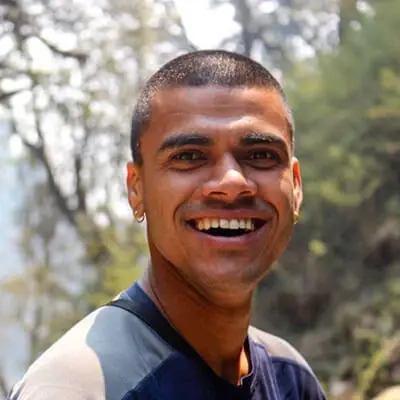
About the centre
Kathmandu
Operated by Happyland Treks, a partner of adventuro.
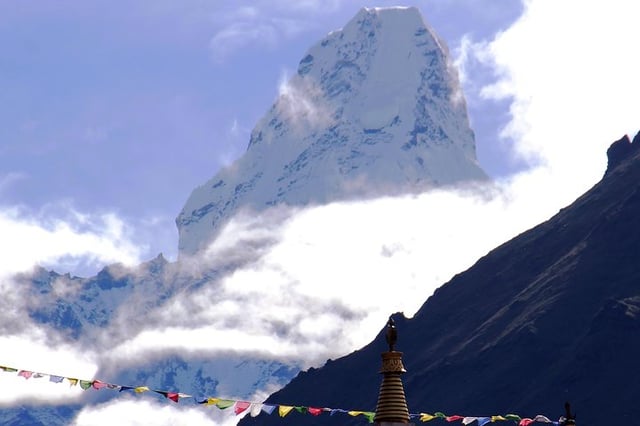
Arunachal Himalaya (Tawang & Siang Region), Nepal
From $1450
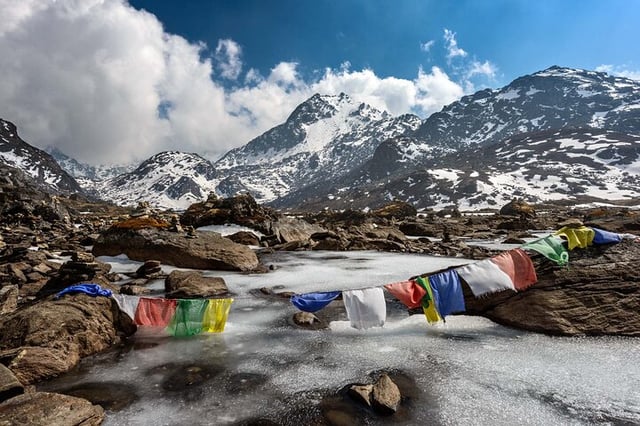
Himachal Pradesh (Shimla, Manali, Spiti), Nepal
From $813
Arunachal Himalaya (Tawang & Siang Region), Nepal
From $1700
Himachal Pradesh (Shimla, Manali, Spiti), Nepal
From $1750
Bagmati Province, Nepal
From $1358
Bagmati Province, Nepal
From $3093