We partner with Rewilding Britain to help protect our natural spaces for future adventures.
All centres are vetted for safety and quality. Your adventure is in good hands with adventuro.


Trek to Everest Base Camp with everything arranged for you from permits and flights to meals and mountain accommodation. This 14-day package includes a scenic flight to Lukla, guided trekking through the Himalayas, and a visit to one of the most famous base camps in the world.
Day 1: Arrival in Kathmandu
Arrive in Kathmandu and transfer to your hotel. You will meet your guide and the rest of the group for an introductory briefing. This session covers essential information about the trek, equipment checks, and final preparations. The rest of the day is free to relax or explore the city at your leisure.
Day 2: Fly Kathmandu to Lukla – Trek to Phakding (3-4 hours)
Catch an early morning domestic flight to Lukla (2,860m), the gateway to the Everest region. After landing, you’ll begin your trek with a gentle downhill walk along the Dudh Koshi River to Phakding (2,610m). The trail passes through Sherpa villages and pine forests, allowing time to adjust to the altitude.
Day 3: Trek from Phakding to Namche Bazaar (5-6 hours)
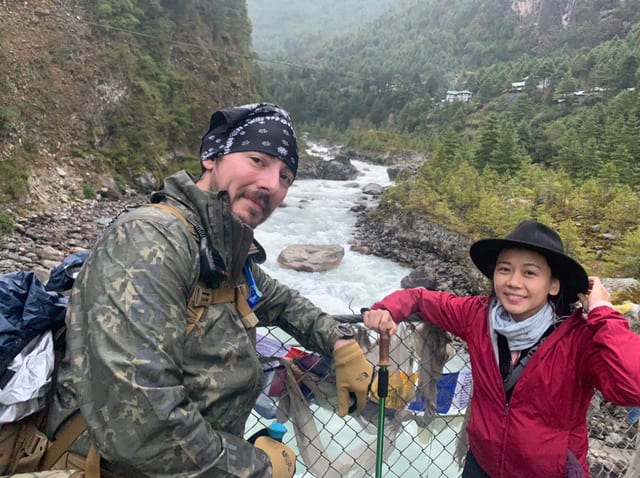
Continue trekking alongside the Dudh Koshi River, crossing several suspension bridges. The final part of the day includes a steady climb to Namche Bazaar (3,440m), the main Sherpa trading centre. This day challenges your endurance and introduces stunning Himalayan views.
Day 4: Acclimatisation day in Namche Bazaar
Spend the day resting and acclimatising. You may take short hikes to nearby viewpoints like the Everest View Hotel or the Sherpa Culture Museum. This helps your body adjust to the altitude while offering insight into local culture.
Day 5: Trek Namche Bazaar to Tengboche (5 hours)
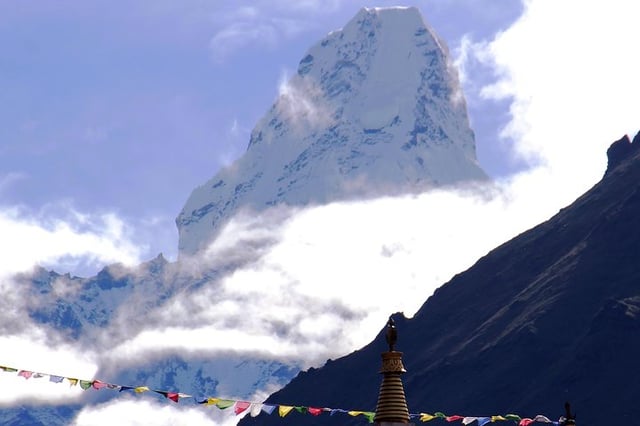
Descend slightly before climbing steadily to Tengboche (3,860m), home to a famous monastery. Along the way, enjoy views of Everest, Lhotse, and Ama Dablam. The monastery visit offers a cultural highlight and a peaceful environment.
Day 6: Trek Tengboche to Dingboche (5-6 hours)
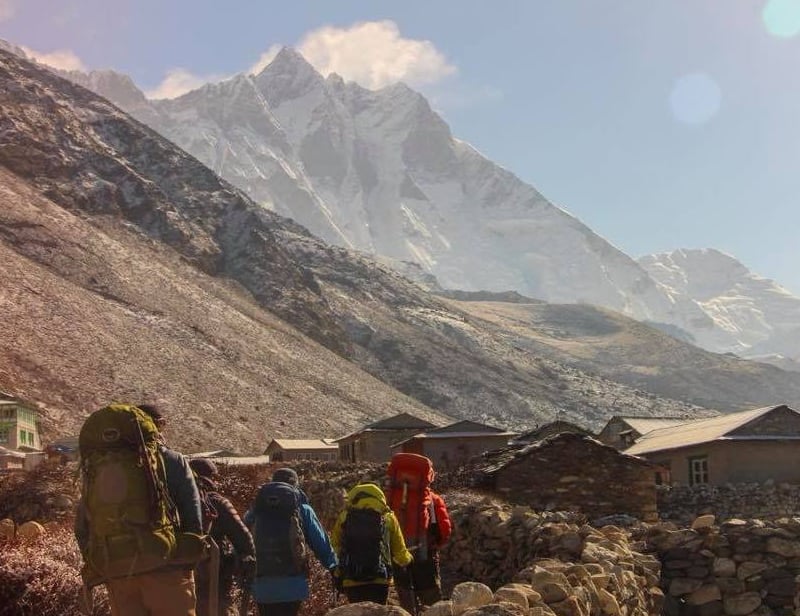
Cross the Imja Khola valley and continue ascending through rhododendron forests and alpine meadows to Dingboche (4,360m). The landscape becomes more open, with mountain peaks dominating the horizon. You’ll begin to feel the effects of higher altitude.
Day 7: Acclimatisation day in Dingboche
Rest day to help your body adapt further. Optional short hikes include a climb up Nangkartshang Hill (5,083m) for panoramic views or exploring the surrounding valley. This day is important for reducing altitude sickness risk.
Day 8: Trek Dingboche to Lobuche (5 hours)
Trek past small villages and stone mani walls, moving higher towards Lobuche (4,910m). The trail becomes rockier and more barren as you near the edge of the permanent snowline. Preparation for the more challenging days ahead.
Day 9: Trek Lobuche to Gorak Shep then Everest Base Camp, return to Gorak Shep (7-8 hours)
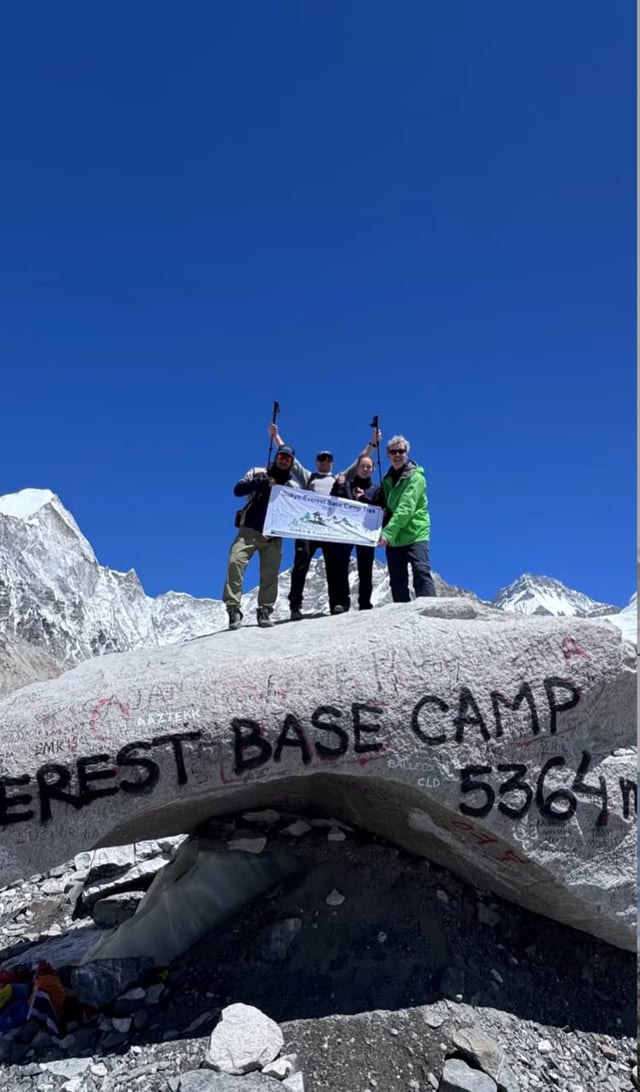
Early morning trek to Gorak Shep (5,170m), the last stop before Everest Base Camp. From there, continue to Everest Base Camp (5,364m), where you can walk on the glacier and explore the area. Return to Gorak Shep to spend the night, resting before the next day’s hike.
Day 10: Early morning hike to Kala Patthar, descend to Pheriche (6-7 hours)
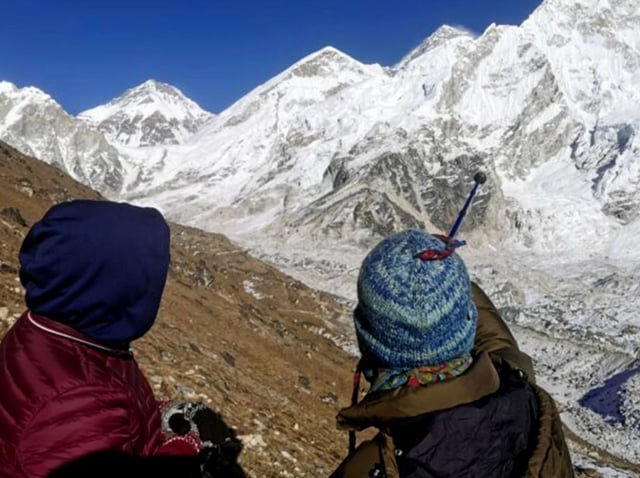
Wake early to climb Kala Patthar (5,545m), the highest point of the trek, offering expansive views of Everest, Nuptse, and surrounding peaks. After sunrise, descend past Lobuche and continue down to Pheriche (4,280m) for an overnight stay.
Day 11: Trek Pheriche to Namche Bazaar (6-7 hours)
Retrace your steps, descending through the valleys and forests back to Namche Bazaar. This is a long day but downhill trekking is less strenuous. Celebrate reaching the town again and enjoy local shops and cafes.
Day 12: Trek Namche Bazaar to Lukla (6-7 hours)
Final day of trekking as you return to Lukla. The trail descends through forested paths and riversides. Prepare for the next day’s flight and enjoy a relaxed evening in Lukla.
Day 13: Fly Lukla to Kathmandu
Take an early morning flight back to Kathmandu. Upon arrival, transfer to your hotel. The rest of the day is free to rest, explore Kathmandu, or shop for souvenirs.
Day 14: Departure or optional extra days
Transfer to the airport for your international flight or extend your stay in Kathmandu to experience more of Nepal’s culture and history.
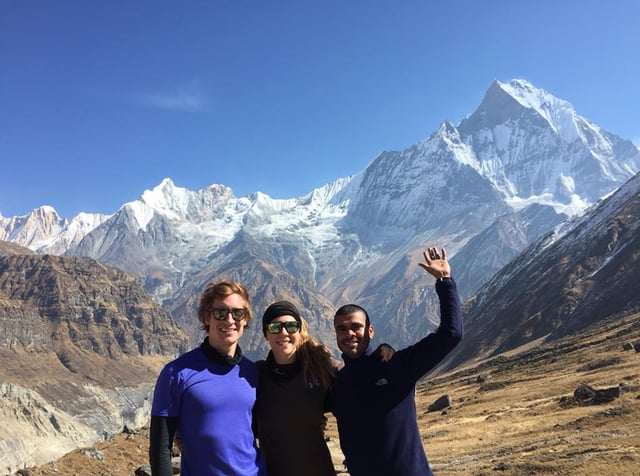
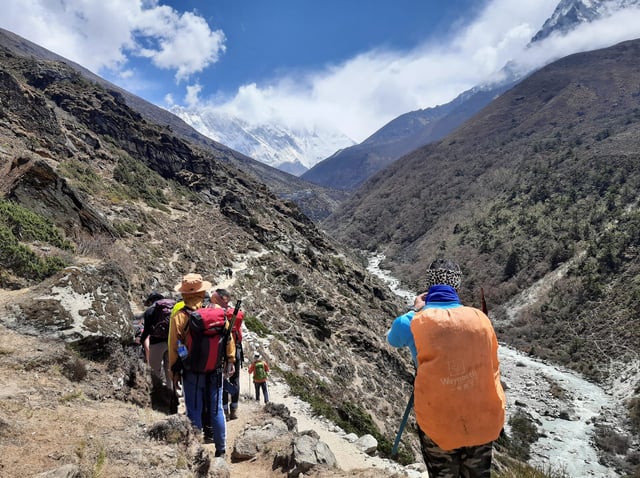
The Everest Base Camp trek runs through the Khumbu region of eastern Nepal, inside Sagarmatha National Park. The route follows well-used trails that wind through Sherpa villages, rhododendron forests, river crossings, and eventually up to glacial moraine and high-altitude plateaus. Key stops include Namche Bazaar, Tengboche, and Gorakshep before reaching Base Camp at the foot of the Khumbu Icefall.
The trip starts and ends in Kathmandu, Nepal’s capital, where domestic flights connect to the mountain airstrip at Lukla. This is the gateway to the Everest region and marks the start of the trek. While accommodation in Kathmandu isn’t included, airport pickup and drop-off are, and help is available for organising hotels before and after the trek.
During the trek, accommodation is provided in tea houses—small, family-run lodges situated along the trekking route. These offer basic but comfortable rooms with shared facilities, including toilets and sometimes showers, which may incur a small extra charge. Meals are typically home-cooked and include a mix of local and Western options, providing a chance to rest and refuel each evening.
Accommodation in Kathmandu before and after the trek is not included in the package. There is a wide range of options available in the city, from budget guesthouses to more comfortable hotels. Assistance with booking accommodation in Kathmandu can be offered to help plan your stay smoothly.
No prior trekking experience is required, but a reasonable level of fitness will make the experience more enjoyable. The days involve between 4–8 hours of walking, often at high altitude, so cardio fitness and some hill walking experience are helpful.
People should be comfortable carrying a daypack, hiking on uneven trails, and coping with changing mountain weather. Altitude medication such as Diamox can be considered—please consult your GP before travelling.
Trekking in the Everest region involves high altitudes, so mountain sickness is a potential risk for anyone above 3000 metres. The guide team prioritises safety and will help manage any symptoms by adjusting the pace or facilitating descent if necessary. It is essential to carry suitable clothing and equipment, including warm layers, waterproof gear, hiking boots, and sun protection.
The best seasons to undertake this trek are spring (March to May) and autumn (October to early December). These periods provide favourable weather conditions and clearer skies, though trekking is possible year-round with preparation for seasonal challenges.
The team includes experienced guides and porters who know the Everest region inside out. They’re focused on creating a safe, friendly, and well-paced trip that suits the whole group. Accommodation is arranged in welcoming tea houses, with hot meals provided throughout the trek and plenty of support along the way.
From airport pickup to Base Camp itself, every part of this trip is designed to be hassle-free. With permits, flights, and logistics sorted, you can focus on walking, enjoying the scenery, and getting to know the people you’re sharing the trail with. The group size is kept small so every person gets proper attention and a better overall experience.
Each day involves steady walking for 4 to 8 hours, usually starting early in the morning to avoid afternoon weather changes. Trekking days vary in length depending on the altitude and distance covered.
Mornings typically begin with breakfast around 7am.
Trekking starts soon after and includes breaks for snacks and tea.
Lunch is usually taken at a tea house or lodge en route.
Afternoons include more walking before arriving at the next accommodation.
Evenings are for rest, dinner, and preparing for the next day.
The pace is tailored to the group’s fitness and acclimatisation needs, with opportunities to rest and adjust.
The trek requires moderate fitness and endurance. While you don’t need to be an athlete, you should be comfortable walking several hours each day on varied terrain.
Improving cardiovascular fitness beforehand helps, such as jogging or cycling.
The altitude can make even easy walks feel harder, so gradual acclimatisation is key.
There are steep sections and uneven paths; sturdy boots and trekking poles are recommended.
If you maintain a steady pace and listen to your body, the trek is manageable for most reasonably fit people.
Tea houses are small family-run lodges along the trekking route that offer basic accommodation and meals.
Rooms usually have twin or triple beds with blankets.
Facilities vary, with some offering private rooms, others shared dormitories.
Most tea houses have shared toilets and showers, often with an extra charge.
Meals are typically homemade, with a menu including local and western dishes.
Hot water may not be available at all times and often costs extra.
They provide a comfortable and sociable base for resting each night on the trail.
Two key permits are necessary for the Everest Base Camp trek:
TIMS Card (Trekkers Information Management System) which helps track trekkers for safety.
Everest National Park Entry Permit, required to enter the protected area.
Pasang Lhamu Rural Municipality Permit for trekking in that region.
These permits are arranged before or during the trek and are included in the package.
The meals focus on local ingredients with some international options.
Breakfast usually includes porridge, eggs, toast, and tea or coffee.
Lunch and dinner feature dal bhat (rice and lentil soup), noodles, soups, and vegetable dishes.
Snacks like biscuits, chocolate bars, and fruit are available for extra energy.
Western dishes such as pasta, pizza, and pancakes are also commonly offered.
Special dietary requirements can be accommodated with advance notice.
Altitude sickness can affect anyone above 3000 metres, regardless of fitness or experience.
Symptoms include headache, nausea, dizziness, and fatigue.
Proper acclimatisation with rest days is vital to reduce risks.
Guides monitor everyone closely and adjust the pace or itinerary if needed.
If symptoms worsen, descending promptly is the safest option.
Taking Diamox or other medication may be recommended after consulting a doctor.
Bringing the right gear is essential for comfort and safety.
Warm clothing layers including fleece and down jackets.
Waterproof outerwear for rain and wind protection.
Good quality hiking boots, trekking poles, and warm socks.
Sleeping bag liner and personal toiletries.
Sun protection such as sunglasses, hat, and sunscreen.
Water bottles or hydration systems.
You can rent or buy some equipment locally if needed.
Accommodation in Kathmandu and Lukla is not included in the trekking package.
There are many options in Kathmandu ranging from budget guesthouses to hotels.
Lukla offers basic lodges to stay overnight before and after the trek.
Booking ahead during peak seasons is advised to secure preferred options.
Assistance with accommodation bookings can be provided by the trekking team.
Plan to arrive in Kathmandu at least one day before the trek starts for rest and preparation.
Tipping is customary and appreciated by guides and porters.
Typical tip amounts vary but generally range between $5 to $10 per day for guides.
Porters usually receive slightly less but still benefit from generous tips.
Tips can be given individually or pooled and shared within the team.
Consider the level of service and effort when deciding how much to tip.
It is a good way to show appreciation for hard work and support local livelihoods.
Safety is a top priority throughout the trek.
Experienced English-speaking guides accompany the group.
Porter service reduces physical strain and risk of injury.
Medical kits and emergency oxygen are carried on the trek.
Altitude sickness monitoring and evacuation plans are ready if needed.
Local authorities and park rangers maintain trail safety and support.
The trekking company has insurance and procedures in place to handle emergencies efficiently.
Arunachal Himalaya (Tawang & Siang Region), Nepal
From $1450
Arunachal Himalaya (Tawang & Siang Region), Nepal
From $1700
Himachal Pradesh (Shimla, Manali, Spiti), Nepal
From $1750
Bagmati Province, Nepal
From $1358
About the centre
Kathmandu
Operated by Happyland Treks, a partner of adventuro.
Bagmati Province, Nepal
From $3093