We partner with Rewilding Britain to help protect our natural spaces for future adventures.
All centres are vetted for safety and quality. Your adventure is in good hands with adventuro.
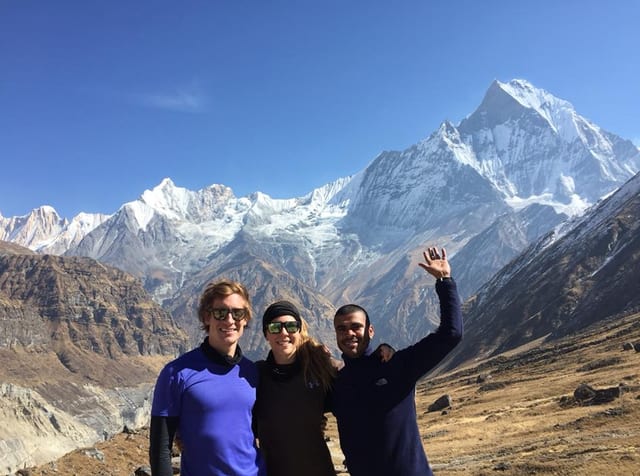
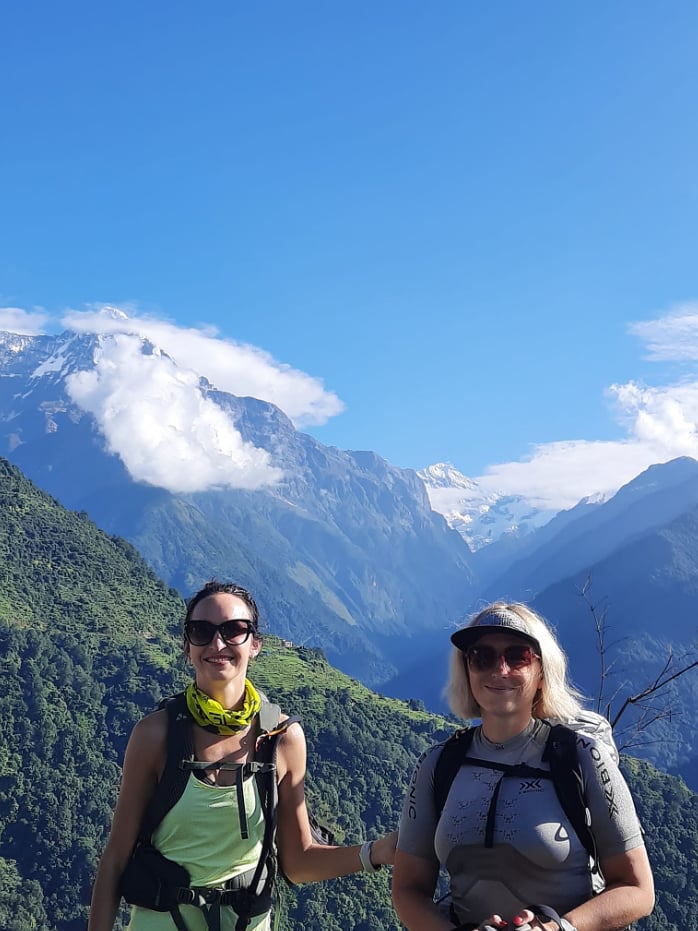
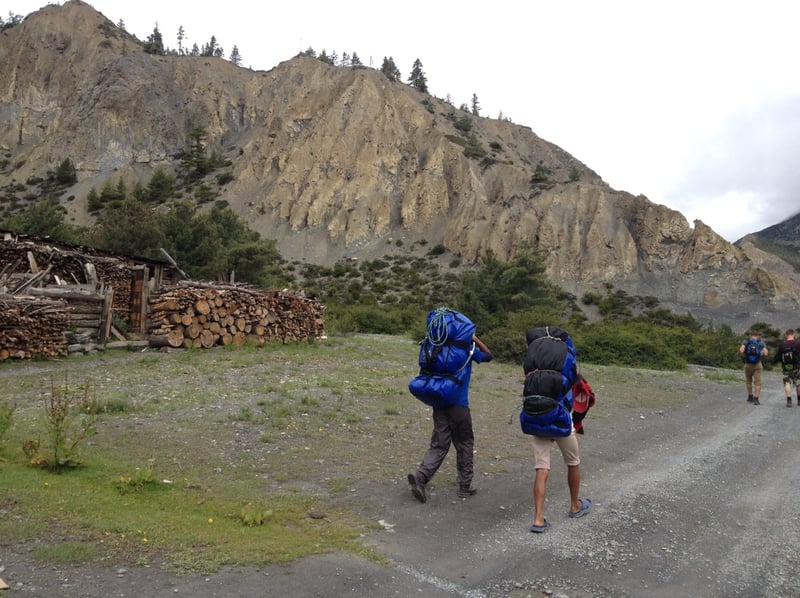
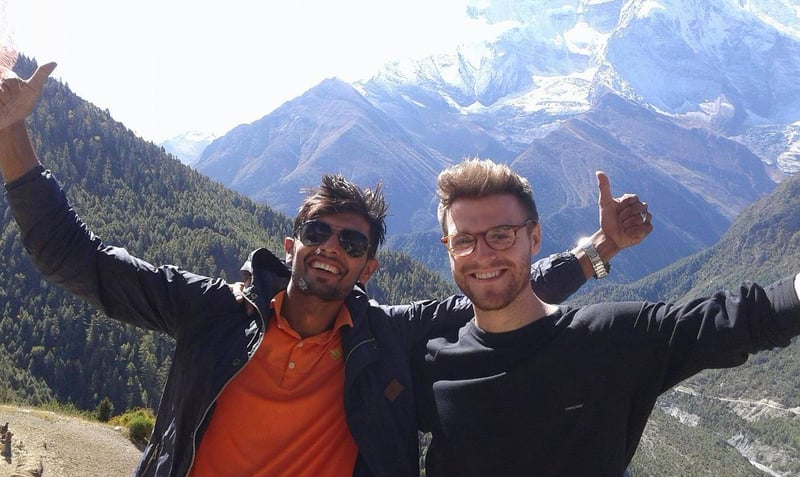
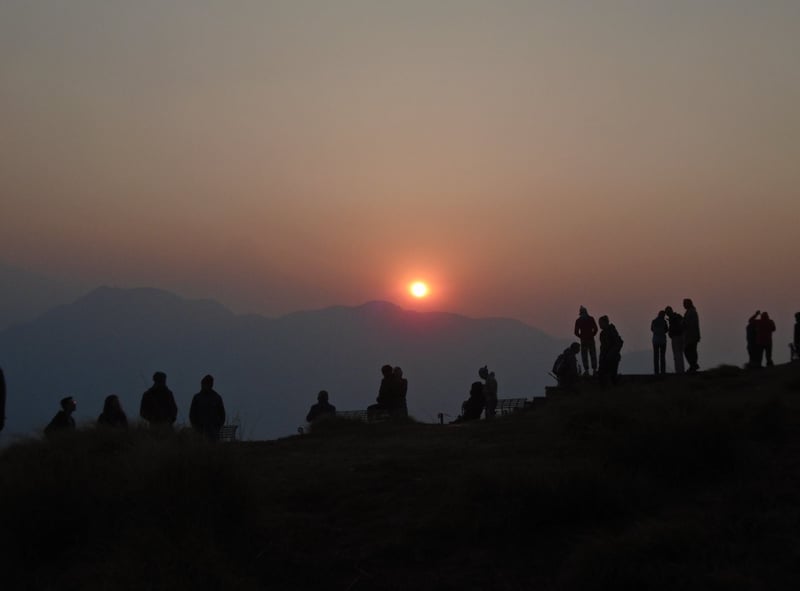
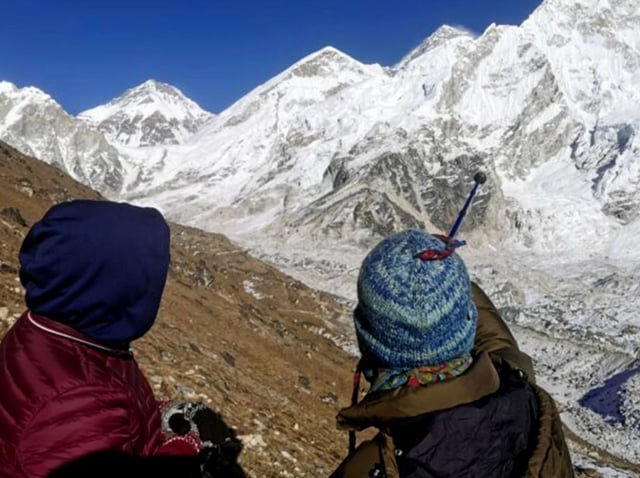
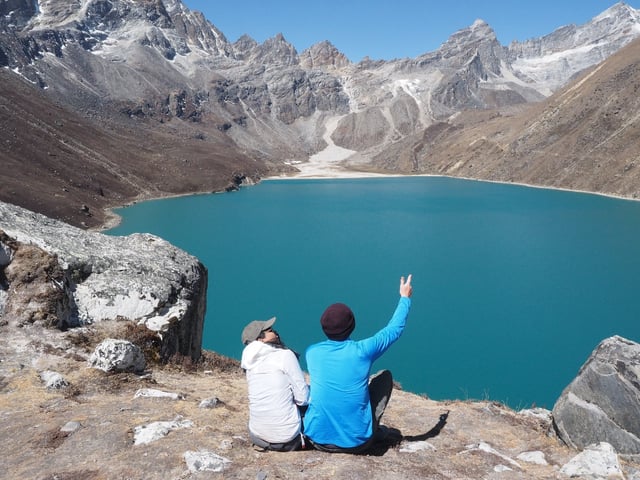
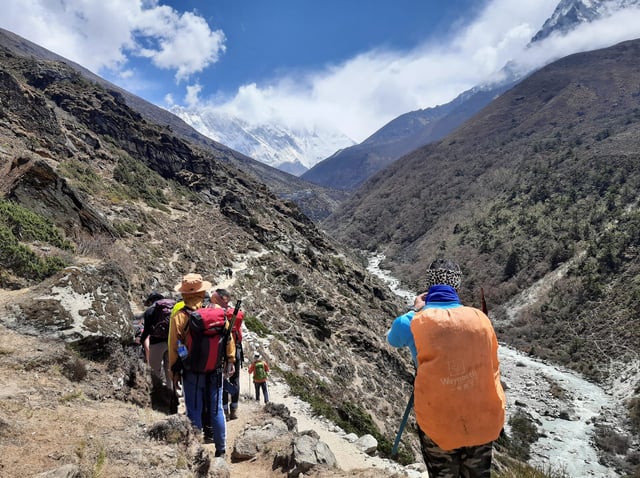
Crossing diverse landscapes and cultural villages, the route offers challenging ascents and descents with the highlight being the crossing of Thorong La Pass, the highest point at 5,416 metres. Throughout the trek, hikers experience lush valleys, alpine terrain, and traditional Buddhist communities.
Day 01: Arrival in Kathmandu (1,400m) brings a warm welcome from a representative who will transfer you to your hotel for check-in and freshening up. Later, the group meets to review trek arrangements and prepare for the journey ahead. The evening ends with a shared meal and drinks, offering a chance to get to know fellow trekkers and build anticipation.
Day 02: Travel from Kathmandu to Besisahar (760m) takes around 6-7 hours by road along the scenic Prithivi Highway, passing the Trishuli River, green hills, and distant Himalayan views. After arriving, you will stay in a local lodge or teahouse, with free time to explore the town, interact with locals, and finalise preparations.
Day 03: The journey continues with a 4-hour drive from Besisahar to Chame (2,650m), moving through pine forests, waterfalls, and changing landscapes. After a short break in Chame, you proceed to Koto, where overnight accommodation awaits in a comfortable lodge, giving your first close experience of the Annapurna mountain terrain.
Day 04: Trekking for 5-6 hours takes you from Chame to Pisang (3,350m) via a trail through aromatic pine woods and rhododendrons. Passing Bhartang and crossing suspension bridges at Dhukur Pokhari, the day ends in Upper Pisang, offering views of the Chulu peaks, Tilicho, Annapurna massifs, and Nawal peaks.
Day 05: The trek from Pisang to Nawal (3,650m) lasts about 5 hours, featuring a mix of challenging and gentle terrain. The Annapurna massif dominates the landscape as you pass small villages, concluding with a night in a peaceful mountain teahouse.
Day 06: From Nawal to Manang (3,540m), you trek 3-4 hours on a gentler route that provides ample time to appreciate the Himalayan scenery. Manang reflects the local culture through its architecture and hospitality, where you will rest overnight in a tea house.
Day 07: Rest and acclimatisation day in Manang (3,540m) allows your body to adjust to the altitude. Optional excursions include visiting Gangapurna Lake, a nearby monastery with panoramic views, or exploring Tibetan-style gompas. The day ends with relaxation in your lodge.
Day 08: Trekking 3-4 hours from Manang to Yak Kharka (4,220m), you pass Upper Manang villages and traverse tough but improving terrain. Yak Kharka offers a restful stop with views of the Annapurna range and surrounding Himalayan giants.
Day 09: The trek from Yak Kharka to Thorang Phedi (4,220m) or High Camp (4,880m) takes 3-4 hours. You’ll cross suspension bridges, follow rocky trails, and may glimpse ancient houses, dramatic mountain views, and possibly wildlife like snow leopards.
Day 10: The longest and most demanding day covers 7-8 hours trekking from High Camp over Thorong La Pass (5,416m), the trek’s highest point. After the pass, descend to Muktinath (3,800m), a sacred site for Hindu and Buddhist pilgrims, where you can visit temples and bathe in 108 holy water spouts before resting overnight.
Day 11: A 5-7 hour drive takes you from Muktinath to Tatopani (1,200m), famous for natural hot springs. This day offers a chance to relax in the springs and enjoy the quiet village atmosphere, preparing for the next stage with an overnight stay in a local tea house.
Day 12: From Tatopani, travel by jeep to Pokhara (820m), observing varied landscapes and quaint villages. After lunch, you may explore Pokhara’s lakeside or continue on to Kathmandu, where the day concludes with dinner and a group reflection on the journey.
Day 13: A rest day in Kathmandu (1,400m) provides free time for shopping, sightseeing, or wandering the city’s lively streets. The day ends with a special dinner to share stories and celebrate the achievements of the trek.
Day 14: The final day involves transfer to the airport for your onward journey or the option to extend your stay. The trip closes with good wishes and hopes for future adventures.
The trek begins near Besisahar in Nepal’s subtropical lowlands, climbing through the Annapurna massif region. It passes through diverse environments, from lush hills and forests to high alpine meadows and mountain passes. Villages along the route reflect Tibetan Buddhist culture, with traditional buildings and religious sites.
The trek covers districts including Lamjung, Manang, and Mustang, offering views of major Himalayan peaks such as Annapurna I and Dhaulagiri. The landscape and climate shift dramatically with altitude and season, ranging from warm lower valleys to cold, arid highlands.
Teahouse lodges provide basic accommodation throughout the trek. These family-run establishments offer dormitory or private rooms with shared bathroom facilities. Hot showers and electricity are available at some stops, but amenities vary, so flexibility is advised.
Meals are served in communal dining areas, including local dishes like dal bhat and soups, alongside international options. Staying in teahouses allows for cultural exchange with locals and fellow trekkers, enriching the overall experience. Bookings are typically arranged by the trekking operator to ensure availability, particularly in busy periods.
Participants should possess a good level of fitness to manage several hours of trekking each day over varied and sometimes steep terrain. While previous trekking experience is helpful, it is not essential if well prepared.
Acclimatisation is built into the itinerary to help prevent altitude sickness, especially when crossing Thorong La Pass. Trekkers must be familiar with altitude symptoms and follow advice on hydration and pacing. No technical climbing skills are necessary, but sure-footedness and endurance will aid in managing the trail safely.
Experienced local guides lead the trek, providing expert knowledge of the terrain, weather, and cultural context. Their support ensures safe acclimatisation and adapts the schedule to suit the group’s pace and needs.
Strong ties with local communities offer authentic cultural experiences while supporting village economies. Careful planning delivers comfortable accommodation, nutritious meals, and reliable logistics for a smooth and enjoyable trek.
Operated by Happyland Treks, a partner of adventuro.
Arunachal Himalaya (Tawang & Siang Region), Nepal
From $1450
Arunachal Himalaya (Tawang & Siang Region), Nepal
From $1700
Himachal Pradesh (Shimla, Manali, Spiti), Nepal
From $1750
Bagmati Province, Nepal
From $1358
Bagmati Province, Nepal
From $3093