We partner with Rewilding Britain to help protect our natural spaces for future adventures.
All centres are vetted for safety and quality. Your adventure is in good hands with adventuro.
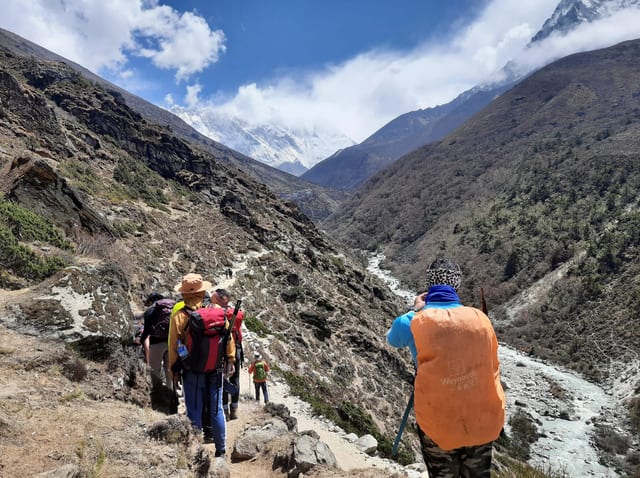
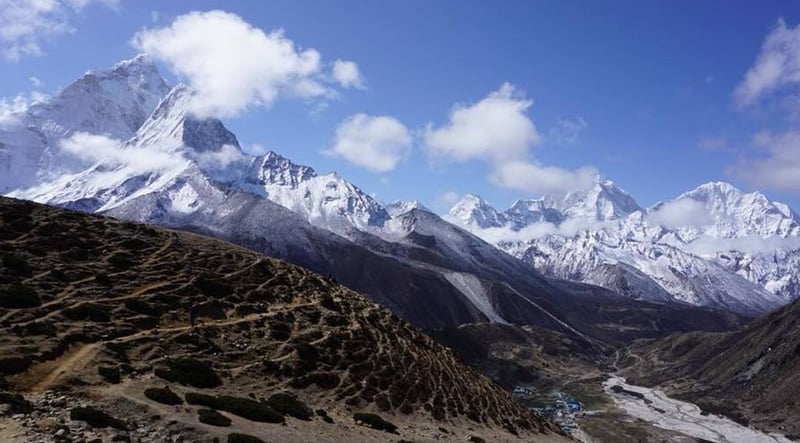
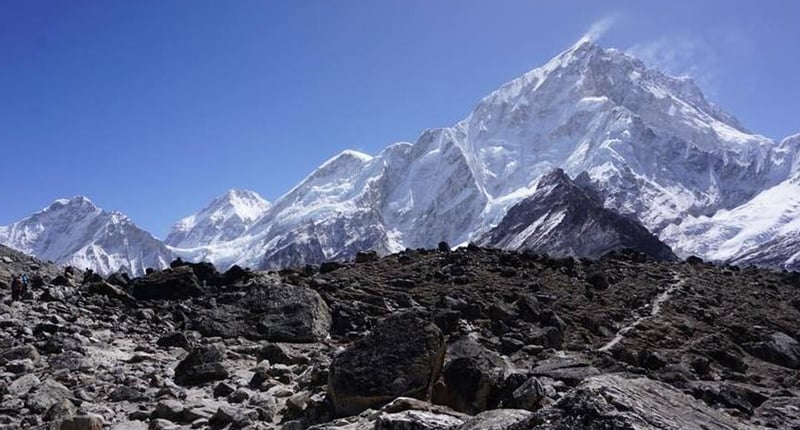
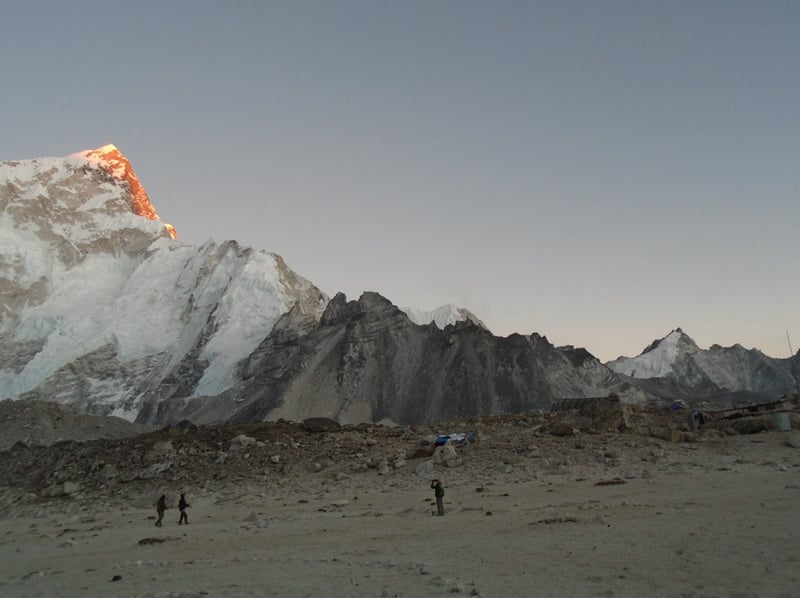
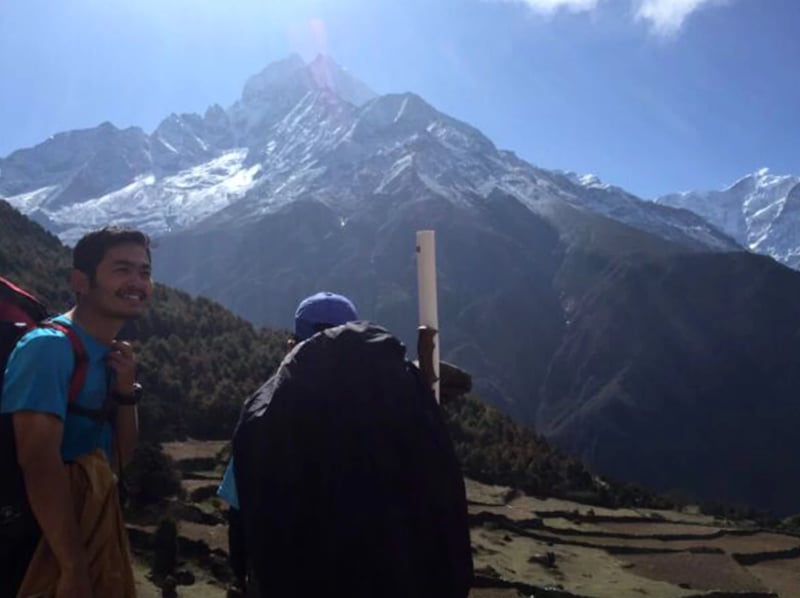
Spanning 20 days, the adventure offers a blend of trekking through the Khumbu region and a mountaineering challenge by climbing Island Peak at 6,189m. Starting and ending in Kathmandu, participants will experience diverse landscapes from forests and villages to high alpine terrain and glaciers, finishing with a summit push on Island Peak.
The trek covers the Khumbu region in Nepal, starting and finishing in Kathmandu, the country’s capital. Kathmandu provides a cultural introduction with historic sites and bustling markets. The journey then moves to Lukla, the gateway town for treks into the Everest region, accessible via a short mountain flight.
The route passes through the Sagarmatha National Park, featuring diverse landscapes including pine forests, alpine meadows, glacial moraines, and high mountain passes. Along the way, trekkers visit traditional Sherpa villages such as Namche Bazaar, Tengboche, and Pangboche, gaining insight into local culture and Buddhist heritage.
Accommodation throughout the trek is provided in teahouses, which are local guesthouses typical of the Everest region. These offer basic but comfortable lodging with shared or private rooms depending on availability. Meals are served in communal dining areas, allowing guests to rest and socialise after long trekking days.
In Kathmandu, accommodation is in comfortable hotels with standard amenities to help you relax before and after the trek. During the Island Peak climbing phase, you will stay at base camps and mountain lodges adapted for mountaineers, balancing simple comfort with proximity to climbing routes.
Participants should have a good level of fitness to manage the physical demands of trekking for multiple hours daily at high altitude. Previous trekking experience is helpful but not essential.
No prior mountaineering experience is needed for the Island Peak climb; however, a willingness to learn technical skills and use climbing equipment such as crampons and ice axes is necessary. Preparation for altitude and endurance will improve safety and success.
The guides are highly experienced in Nepal trekking and mountaineering, providing expert knowledge and support throughout. Their emphasis on safety and cultural respect ensures a rewarding and well-managed trip.
The team maintains strong ties with local communities, employing Sherpa guides and supporting regional projects. This approach delivers authentic experiences and contributes to sustainable tourism, which is reflected in positive feedback from previous participants.
This itinerary requires a good level of fitness and stamina due to long days spent trekking at high altitude, combined with the physical demands of climbing Island Peak. Regular aerobic exercises such as hiking, running, or cycling in the months before the trip will help build endurance.
Prior trekking or mountaineering experience is helpful but not essential. To prepare, it is recommended to include strength training focused on the legs and core, and practice hiking with a loaded backpack to simulate trail conditions.
Island Peak is classified as a non-technical mountaineering climb suitable for beginners who have some trekking experience. The ascent involves negotiating steep snow and ice slopes and requires basic use of mountaineering equipment like crampons and ice axes.
Guides provide thorough training on essential climbing techniques during the pre-climb day at base camp. With this preparation, participants gain the confidence and skills needed to attempt the summit safely.
Personal gear must include sturdy mountaineering boots that fit crampons, warm layered clothing suitable for cold mountain conditions, and waterproof jackets and trousers. A sleeping bag rated for sub-zero temperatures is essential for overnight stays in teahouses.
Items such as gloves, hats, sunglasses, and high-factor sunscreen are important to protect against harsh weather and sun exposure. Climbing gear like harnesses, helmets, and ropes are provided on the climb, but participants should bring their own boots and any specialised clothing.
Group sizes range from 1 to 20 people, allowing for flexibility in the trekking experience. Smaller groups provide a more personalised atmosphere with closer interaction with guides and easier pace adjustment.
Larger groups offer a social environment and shared camaraderie, which many find motivating. Regardless of size, all groups receive the same level of professional support and safety management throughout the trek and climb.
Altitude sickness can affect anyone above 3,000 metres and poses a risk throughout this trek. Symptoms include headaches, nausea, dizziness, and fatigue, and can escalate if ignored. The itinerary includes several acclimatisation days designed to help the body adjust gradually.
Participants are advised to stay well hydrated, take it slow, and inform guides immediately if symptoms arise. Guides are trained in recognising altitude sickness and can provide assistance or arrange evacuation if necessary.
During the trek and climb, accommodation is mostly in teahouses or basic lodges that offer simple beds, shared bathrooms, and meals. Facilities vary but tend to be modest and functional, designed to support trekkers in remote mountain areas.
In Kathmandu, you stay in comfortable hotels with private rooms and modern amenities. This combination balances comfort in the city with authentic mountain lodging during the trek.
Three meals per day—breakfast, lunch, and dinner—are included on trekking and climbing days. These meals are served in teahouses or at base camp and often include both local and international options to suit different tastes and dietary requirements.
In Kathmandu, breakfast is provided at the hotel, while lunch and dinner are not included, giving you the freedom to explore local restaurants. Snacks, bottled water, and hot drinks during the trek may come at an additional cost.
Travel insurance covering high-altitude trekking, mountaineering, and emergency evacuation is mandatory. It is not included in the trip price and must be organised before departure to ensure coverage for all planned activities.
Insurance should specifically cover helicopter rescue and medical repatriation, as these can be costly and are critical in case of emergencies in remote mountain regions.
Tipping is customary for guides, porters, and support staff but is not included in the trip price. Suggested amounts vary depending on service quality and group size, so it’s helpful to budget accordingly.
Personal expenses such as bottled water, hot showers, phone charging, and souvenirs are also not included and should be planned for. Most teahouses offer these services for small additional fees.
Day 01: Kathmandu Arrival Day. On the first day of your journey, you will arrive in Kathmandu, where a representative will pick you up and escort you to your hotel for the day. You will meet your guides and have a final moment of preparation for the trek ahead.
Day 02: Kathmandu to Lukla and Trek to Phakding. Leaving behind Kathmandu, you take a scenic 35-40 minute flight to Lukla in the Khumbu region. The flight offers panoramic views of the Himalayas and scattered villages. Upon arrival, the trek begins towards Phakding along a relatively easy trail through lush forests, following the Dudh Koshi River. You cross suspension bridges and pass through small villages before arriving at Phakding to rest.
Day 03: Phakding to Namche Bazaar. After breakfast, you continue trekking toward Namche Bazaar. The trail passes through pine forests and rhododendron within Sagarmatha National Park, where local flora and fauna are visible. As you ascend, you may feel altitude effects. After a challenging climb, you reach Namche Bazaar, a busy tourist hub where you can explore the market and rest for the night.
Day 04: Acclimatisation Day in Namche Bazaar. To minimise altitude sickness risk, this day is set aside for acclimatisation. Instead of full rest, you will do short hikes, with the popular option being a visit to Everest View Hotel, which offers panoramic views of Everest. You then return to Namche Bazaar for the night.
Day 05: Namche to Tengboche. Leaving Namche, you trek along a ridgeline with clearer views of Everest, Lhotse, Nuptse, and Ama Dablam. The path passes through rhododendron forests and suspension bridges. After Phunki Tenga, the trail climbs steeply before reaching Tengboche, home to the famous monastery. You may witness monks chanting or ceremonies here. The night is spent in a teahouse surrounded by peaks.
Day 06: Tengboche to Dingboche. The trail begins with a descent through forests before crossing the Imja Khola on a suspension bridge. The ascent to Dingboche at 4,410 metres becomes noticeable, with changes in vegetation. Resting frequently and staying hydrated is essential as altitude effects increase.
Day 07: Acclimatisation Day in Dingboche. Another rest day to prepare for greater altitude gains ahead. Optional hikes include climbing Chukkung Ri, offering panoramic views of Island Peak and Ama Dablam. After the hike, you can explore the village and interact with locals.
Day 08: Dingboche to Lobuche. Re-energised, you continue trekking along the moraine of the Khumbu Glacier. The terrain becomes barren due to altitude. You visit a stone memorial dedicated to climbers lost on Everest, then continue on a steeper trail to Lobuche, greeted by views of Nuptse, Pumori, and other peaks.
Day 09: Lobuche to Gorakshep, Everest Base Camp, and back to Gorakshep. You trek to Gorakshep on a rocky, high-altitude trail where you have lunch. Afterwards, you continue to Everest Base Camp, crossing glaciers and landslide-prone areas carefully. Time is allowed to take photos and reflect before returning to Gorakshep for the night.
Day 10: Gorakshep to Kala Patthar and Dingboche. Starting early, you climb Kala Patthar, known for the best panoramic views of Everest, especially at sunrise. The ascent is challenging but rewarding. After reaching the summit, you descend back to Gorakshep and then continue down to Dingboche, helping your body adjust to the altitude. You rest overnight in a teahouse.
Day 11: Dingboche to Chhukung. You leave the Everest Base Camp trail and trek through alpine landscapes, crossing glacial streams to reach Chhukung. Island Peak dominates the skyline here, and the village serves as a base for climbers attempting the peak. The calm environment offers a chance to rest after the demanding trek.
Day 12: Chhukung to Island Peak Base Camp. The trail ascends gradually with increasing rewarding views. Arriving at Island Peak Base Camp, surrounded by towering peaks, you prepare for the summit attempt. Final instructions from your guides are given to ensure a smooth ascent.
Day 13: Pre-climb Training on Base Camp. Practical mountaineering training is provided, covering the use of crampons, harnesses, ice axes, and ropes. You practice essential techniques such as self-arrest and roped team travel. This day builds confidence and ensures safety for the summit climb. The rest of the day is for mental preparation.
Day 14: Ascent of Island Peak Summit and Return to Chhukung. You start early under the stars, equipped with climbing gear. The ascent passes steep slopes and deep gorges, requiring focus and careful footwork. Upon reaching the summit at 6,189 metres, you enjoy a panoramic 360-degree view of the Himalayas. After spending time at the top, you descend back to Chhukung to celebrate and rest.
Day 15: Chhukung to Pangboche. Leaving Chhukung, the trail passes alpine meadows and rhododendron forests towards Pangboche. You visit Pangboche Gompa, notable for its architecture and Buddhist artwork. The day ends with a stay in a local teahouse.
Day 16: Pangboche to Namche Bazaar. The trail retraces your earlier route, descending to Namche Bazaar. The change in altitude brings back more vegetation and civilisation. Namche welcomes you with its lively market, where you can shop and explore the night market.
Day 17: Namche to Lukla. You leave Namche and trek back along the Dudh Koshi River, through forests and suspension bridges, to Lukla. This marks the conclusion of the trek. You have the final opportunity to take in Himalayan views before resting in Lukla.
Day 18: Lukla to Kathmandu. The return flight from Lukla to Kathmandu offers scenic views of the Himalayan region. Upon arrival, you are transferred to your hotel. The day finishes with a group dinner where you can share experiences and reflect on the journey.
Day 19: Kathmandu Rest Day. After the taxing weeks, this is a day to relax and recover. You may choose to rest or explore the city on a guided tour to learn more about Kathmandu’s culture and history.
Day 20: Departure Day. Your adventure concludes as you are transferred to the airport for your scheduled flight. You leave Nepal carrying many warm memories from the trip.
Arunachal Himalaya (Tawang & Siang Region), Nepal
From $3490
Arunachal Himalaya (Tawang & Siang Region), Nepal
From $2000
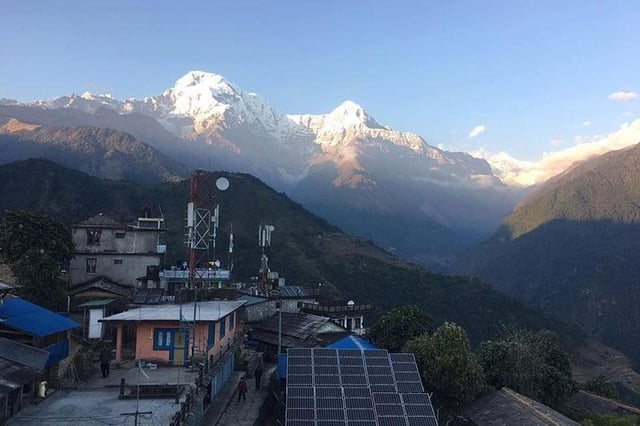
Himachal Pradesh (Shimla, Manali, Spiti), Nepal
From $1750
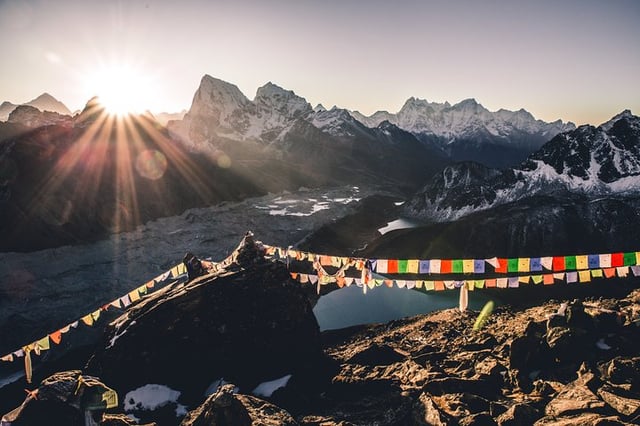
Arunachal Himalaya (Tawang & Siang Region), Nepal
From $1700
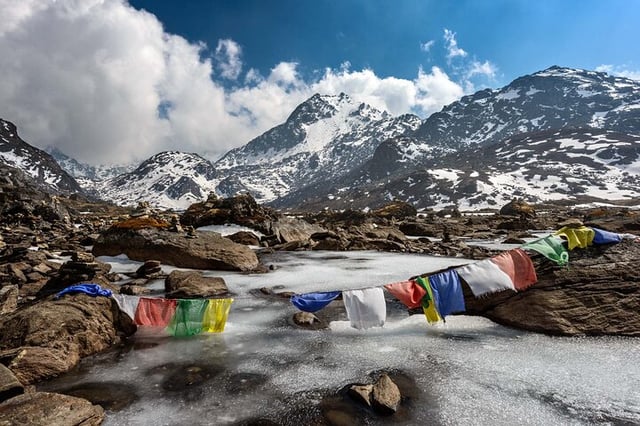
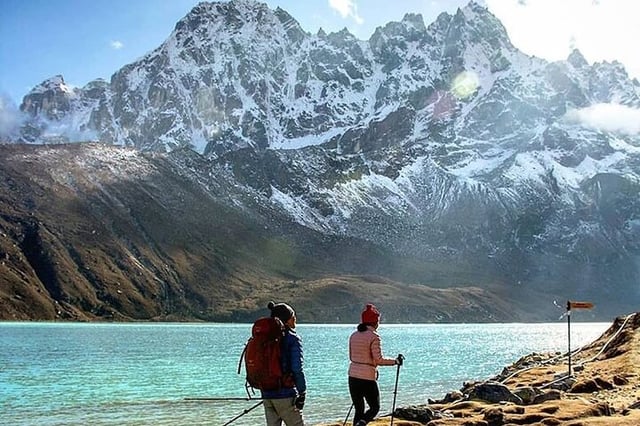
About the centre
Kathmandu
Operated by Happyland Treks, a partner of adventuro.