
We partner with Rewilding Britain to help protect our natural spaces for future adventures.
All centres are vetted for safety and quality. Your adventure is in good hands with adventuro.
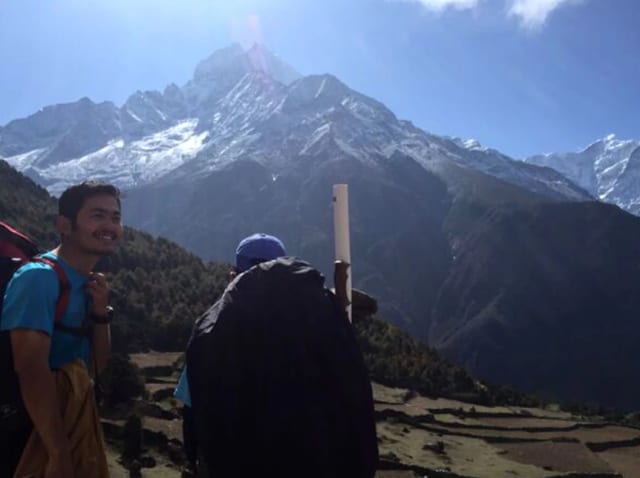
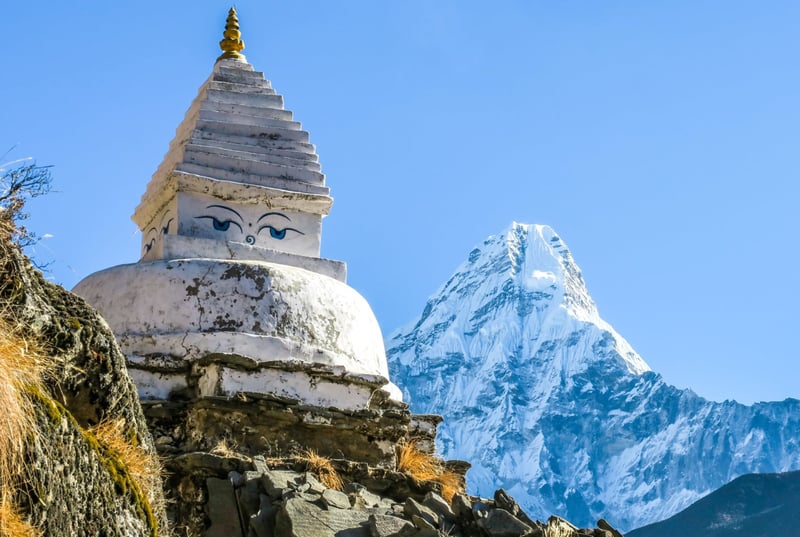
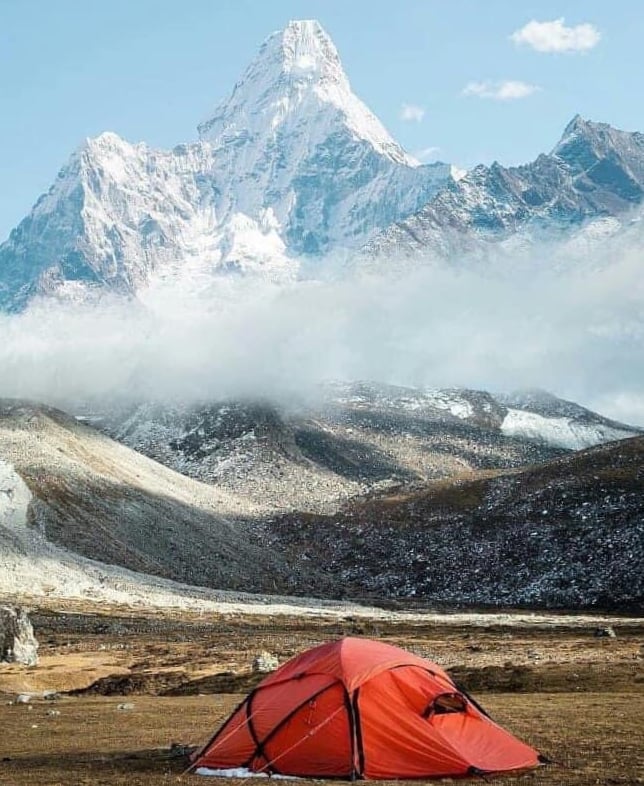
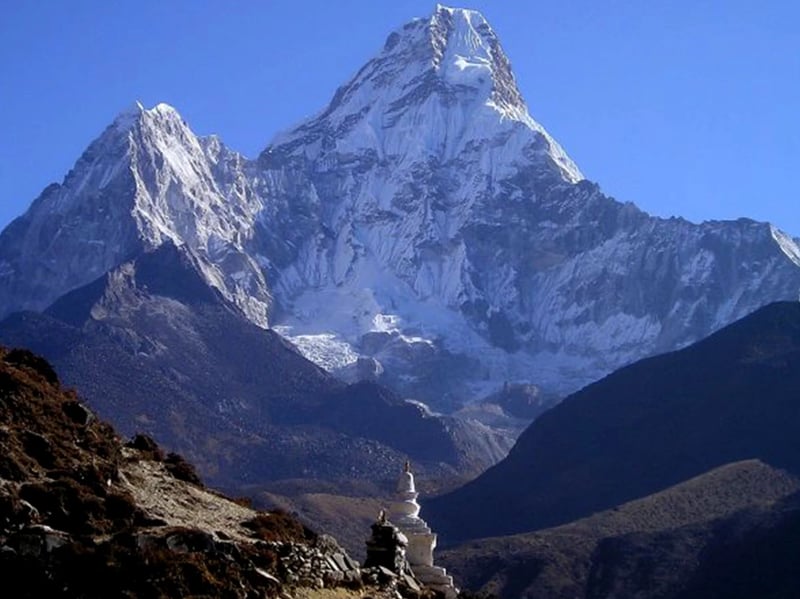
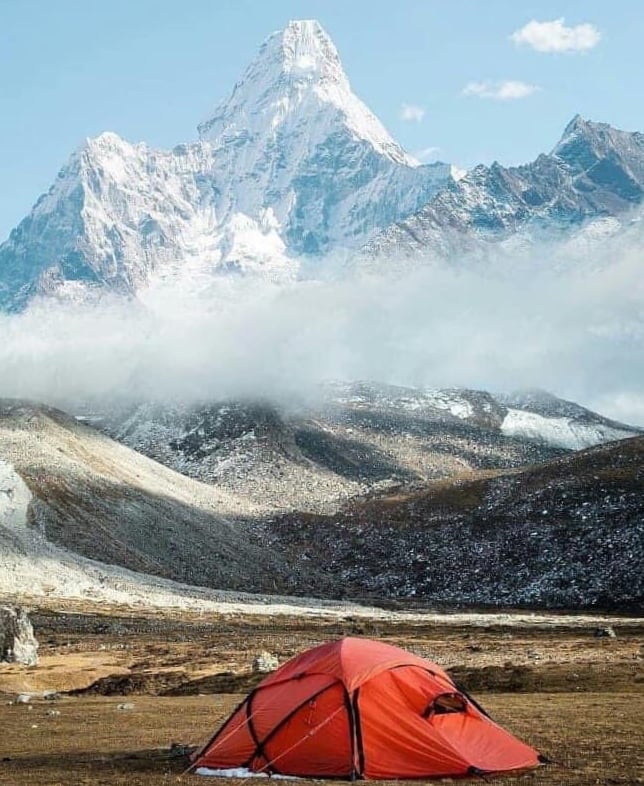
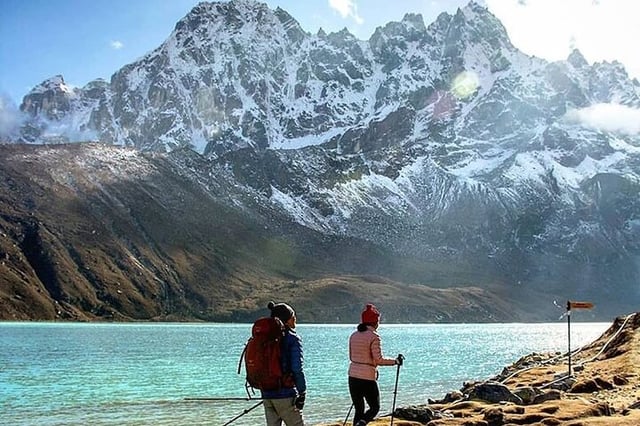
Als einer der am besten erhaltenen Wege in der Khumbu-Region führt diese 11-tägige Trekkingtour zum Ama-Dablam-Basislager auf 4600m und bietet Ihnen einen Logenplatz mit Blick auf einige der höchsten Gipfel der Welt. Sie passieren ruhige Sherpa-Dörfer, Wälder, mit Gebetsfahnen gesäumte Wege und jahrhundertealte Klöster. Mit weniger Menschen als auf der klassischen Route zum Everest-Basislager ist dies eine großartige Wahl für alle, die eine ebenso malerische, aber ruhigere Route suchen.
Tag 1: Ankunft in Kathmandu (1400m)
Treffen Sie sich im Kathmandu-Büro in Thamel. Sie werden zu Ihrem Hotel gebracht, über die Reise informiert und haben Zeit, Ihre Ausrüstung für die Trekkingtour vorzubereiten.
Tag 2: Flug nach Lukla, Trekking nach Phakding (2610m)
Ein 50-minütiger Panoramaflug bringt Sie nach Lukla (2840m). Nach dem Frühstück in Lukla beginnen Sie Ihre Trekkingtour durch Kiefernwälder und Dorfwege nach Phakding. Ca. 3,5 Stunden Gehzeit.
Tag 3: Trekking nach Namche Bazaar (3440m)
Heute folgen Sie dem Fluss Dudh Koshi über mehrere Hängebrücken. Ein längerer Tag mit stetigen Anstiegen nach Namche. Ca. 6–7 Stunden Gehzeit.
Tag 4: Akklimatisierungstag in Namche
Lassen Sie es heute ruhig angehen und unternehmen Sie kurze Spaziergänge zu nahe gelegenen Aussichtspunkten oder Museen. Eine Gelegenheit, sich an die Höhe zu gewöhnen und gleichzeitig die Aussicht zu genießen.
Tag 5: Trekking nach Tengboche (3868m)
Ein allmählicher Aufstieg aus Namche führt nach Tengboche, dem Standort des berühmten Klosters mit Blick auf den Everest und Ama Dablam. Ca. 5,5 Stunden Gehzeit.
Tag 6: Trekking nach Pangboche (3930m)
Sie wandern auf bewaldeten Wegen und überqueren kleine Bäche, bis Sie Pangboche erreichen, eines der ältesten Sherpa-Dörfer der Region. Ca. 3–4 Stunden Gehzeit.
Tag 7: Trekking zum Ama-Dablam-Basislager (4600m), Rückkehr nach Pangboche
Lassen Sie Ihre Hauptgepäckstücke in Pangboche und machen Sie sich auf den Weg zum Ama-Dablam-Basislager. Der Aufstieg ist steil, wird jedoch mit einem Panoramablick am Gipfel belohnt. Rückkehr auf demselben Weg. Ca. 6–7 Stunden Gehzeit.
Tag 8: Trekking nach Namche Bazaar
Folgen Sie dem Weg zurück, vorbei an Tengboche und hinein nach Namche. Dies ist ein guter Tag, um die Beine zu vertreten und einige bekannte Stationen erneut zu besuchen. Ca. 6–7 Stunden Gehzeit.
Tag 9: Trekking nach Lukla
Am letzten Trekkingtag folgen Sie dem Weg entlang des Flusses zurück nach Lukla. Ein langer, aber erfüllender Tag. Ca. 7–8 Stunden Gehzeit.
Tag 10: Rückflug nach Kathmandu (1400m)
Nehmen Sie einen frühen Flug nach Kathmandu. Am Nachmittag haben Sie freie Zeit zum Ausruhen, Einkaufen oder für optionale Besichtigungen.
Tag 11: Abreise
Sie werden zum internationalen Flughafen gebracht oder können Ihren Aufenthalt bei Bedarf um zusätzliche Tage in Kathmandu verlängern.
Die Trekkingtour beginnt in Kathmandu, der Hauptstadt Nepals. Ihr Treffpunkt ist das Thamel-Büro am Paknajol Chowk. Diese Gegend ist das Tor für Trekker und bietet eine große Auswahl an Geschäften für Trekkingausrüstung, Cafés und Dienstleistungen. Von Kathmandu aus nehmen Sie einen kurzen Inlandsflug nach Lukla, wo die Bergroute beginnt.
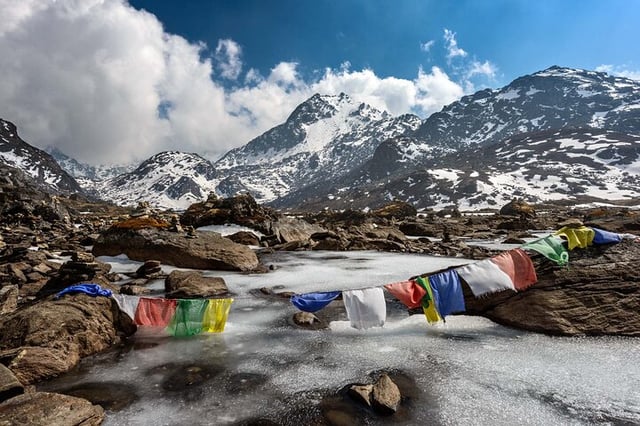
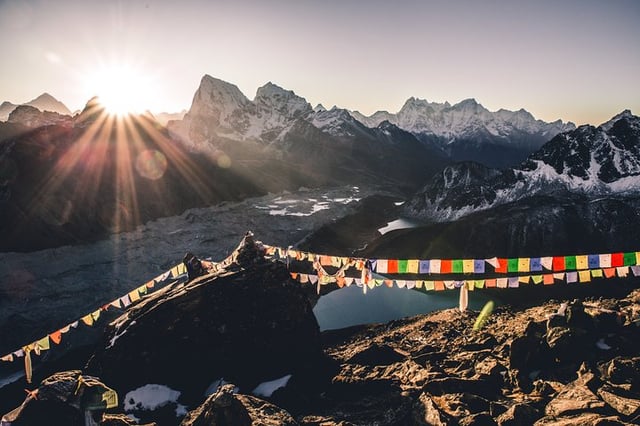
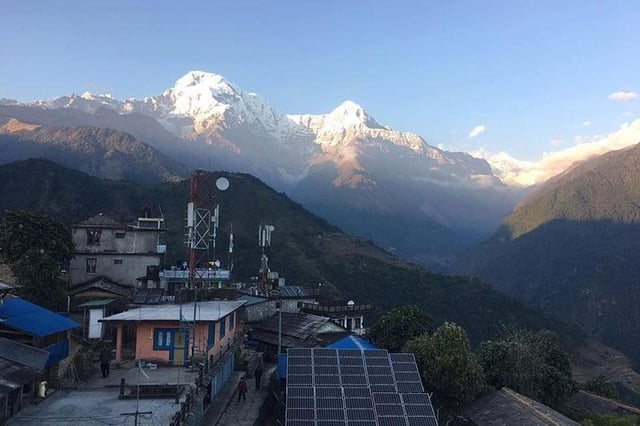
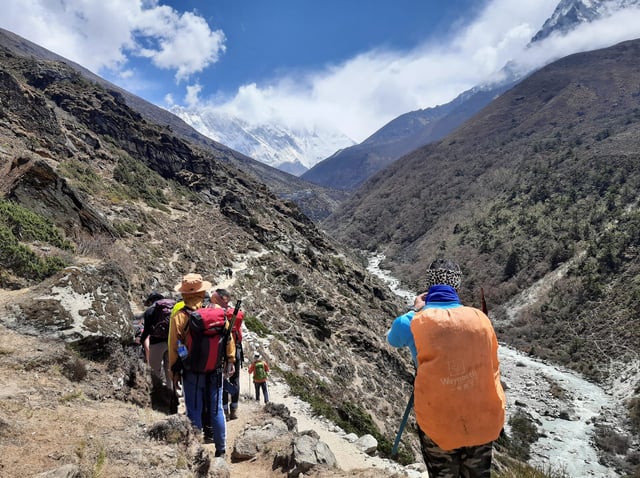
In der Khumbu-Region führt der Weg durch Sherpa-Dörfer, Wälder und Flusstäler sowie zu wichtigen Orten wie Namche Bazaar, Tengboche und Pangboche, bevor Sie das Ama-Dablam-Basislager erreichen. Die Region ist kulturell reich und tief mit buddhistischen Traditionen verbunden. Bunte Gebetsfahnen, Mani-Mauern und jahrhundertealte Klöster säumen die Route.
Während der Trekkingtour übernachten Sie in lokal geführten Teehäusern, die eine gemütliche und gesellige Atmosphäre bieten. Dies sind einfache Lodges mit Zweibettzimmern, grundlegender Bettwäsche und Gemeinschaftstoiletten. Die Mahlzeiten werden von der Familie zubereitet und umfassen eine Mischung aus nepalesischen und westlichen Gerichten.
Die meisten Teehäuser bieten außerdem abgekochtes Trinkwasser an. Gegen eine geringe Gebühr können Sie eine heiße Dusche aus dem Eimer nehmen oder Ihr Telefon und Ihre Kameraakkus aufladen. Obwohl die Ausstattung mit zunehmender Höhe einfacher wird, machen die herzliche Gastfreundschaft und die Bergkulisse dies mehr als wett.
Sie müssen kein Bergsteiger sein, um an dieser Trekkingtour teilzunehmen, sollten aber in einer reasonably guten körperlichen Verfassung sein. Rechnen Sie damit, jeden Tag zwischen 4 und 8 Stunden zu wandern, teilweise über steiles, unebenes Gelände und Treppen. Wenn Sie zu Hause mit langen Tageswanderungen vertraut sind, sollte diese Tour für Sie gut zu bewältigen sein.
Die Höhe spielt eine Rolle, daher ist ein allmählicher Aufstieg mit einem Akklimatisierungstag in Namche in den Reiseplan integriert. Die Guides sind erfahren darin, Anzeichen der Höhenkrankheit zu erkennen, und stehen Ihnen jederzeit unterstützend zur Seite. Ausreichend zu trinken und sich Zeit zu lassen, ist der Schlüssel, um auf dem Weg gesund zu bleiben.
Die Unterkunft in Kathmandu ist nicht inbegriffen, aber je nach Ihren Vorlieben können Empfehlungen und Beratung angeboten werden. Trinkwasser ist in den Teehäusern gegen Gebühr erhältlich, und heiße Eimerduschen oder das Aufladen von Akkus können vor Ort kostenpflichtig sein. Die Preise variieren je nach Höhe. Bringen Sie nach Möglichkeit Ersatzbatterien mit und stellen Sie sich auf eine einfachere Ausstattung in größeren Höhen ein.
Die Trekkingtour eignet sich am besten für den Frühling (März–Mai) und den Herbst (Oktober–Anfang Dezember). Packen Sie geeignete Kleidungsschichten für wechselnde Bedingungen ein und nehmen Sie persönliche medizinische Utensilien mit, einschließlich eines Medikaments gegen Höhenkrankheit, falls erforderlich. Sie erhalten eine Reisetasche und ein T-Shirt. Langsames Gehen und reichliches Trinken helfen, sicher mit der Höhe umzugehen.
Mit jahrzehntelanger Erfahrung im Himalaya besteht das Team aus echten Einheimischen der Berge—Guides, Trägern und Organisatoren—, die diese Region besser kennen als jeder andere. Sie sind nicht nur Profis, sondern auch Mitglieder der Gemeinschaft und freuen sich darauf, die Kultur, Geschichte und Wege zu teilen, mit denen sie aufgewachsen sind.
Mehr als 2500 Menschen waren bereits mit diesem Team auf Trekkingtour, und begeistertes Feedback sowie 190+ TripAdvisor-Bewertungen sprechen für sich. Ein Teil der Gewinne fließt direkt in die Gemeinschaft zurück und finanziert Schulmaterial, Lebensmittelhilfe für ältere Menschen und Projekte für sauberes Wasser. Sie werden nicht nur von Anfang bis Ende bestens betreut—Sie leisten außerdem einen Beitrag zu etwas Sinnvollem.
Die Unterkunft während dieser Trekkingtour erfolgt hauptsächlich in Teehäusern, kleinen familiengeführten Lodges entlang der gesamten Route. Diese bieten einfache Zimmer mit grundlegender Ausstattung und meist Gemeinschaftsbädern. Die Zimmer unterscheiden sich zwar, die meisten verfügen jedoch über ein Bett mit Matratze, Decken und Kissen. Die Atmosphäre ist freundlich und gemeinschaftlich, oft gibt es gemeinsame Essbereiche, in denen Sie hausgemachte Mahlzeiten genießen können.
Neben der nepalesischen Küche bieten viele Teehäuser auch westliche Gerichte wie Pasta, Suppen und Omeletts an. Warme Duschen sind manchmal verfügbar, kosten jedoch meist extra und können aufgrund der Höhenlage und der begrenzten Ressourcen nur eingeschränkt angeboten werden. Es ist ratsam, eigene Toilettenartikel mitzubringen und auf einfache Bedingungen vorbereitet zu sein.
Die Mahlzeiten während der Trekkingtour umfassen Frühstück, Mittag- und Abendessen und werden normalerweise frisch in den Teehäusern zubereitet. Sie finden eine Mischung aus nepalesischen Gerichten wie Dal Bhat (Linsensuppe mit Reis), Momos (Teigtaschen) und Gemüse-Currys sowie westlichen Optionen wie Pasta und Toast. Jeden Tag werden drei Tassen Tee oder Kaffee kostenlos bereitgestellt, damit Sie warm und hydriert bleiben.
Vegetarische und andere Ernährungswünsche können normalerweise berücksichtigt werden, wenn Sie Ihren Guide im Voraus informieren. Snacks wie Snickers-Riegel, Oreos und Erdnusskekse werden bereitgestellt, damit Ihre Energie zwischen den Mahlzeiten erhalten bleibt. Es ist eine gute Idee, persönliche Snacks mitzunehmen, besonders wenn Sie bestimmte Vorlieben oder Ernährungsbedürfnisse haben.
Die Gruppen für diese Trekkingtour reichen in der Regel von kleinen privaten Gruppen bis zu 20 Personen, wobei die maximale Gruppengröße je nach Buchung flexibel sein kann. Kleinere Gruppen oder Alleinreisende entscheiden sich oft für private Trekkingtouren mit einem eigenen Guide und Trägerservice, was ein individuelleres Tempo und Erlebnis ermöglicht.
Private Trekkingtouren sind ideal, wenn Sie eine ruhigere, maßgeschneiderte Reise bevorzugen oder mit Familie oder Freunden unterwegs sind. Gruppentouren bieten die Gelegenheit, andere Reisende kennenzulernen und Erlebnisse zu teilen, doch beide Optionen gewährleisten Sicherheit und Unterstützung während der gesamten Tour.
Diese Trekkingtour wird als mittelschwer eingestuft und erfordert täglich 4 bis 8 Stunden gleichmäßiges Trekking, einschließlich bergauf und bergab führender Abschnitte sowie einiger Treppenaufstiege. Die höchste erreichte Höhe beträgt 4600m am Ama-Dablam-Basislager. Dafür sind eine gute kardiovaskuläre Fitness und Akklimatisierung erforderlich, um der Höhenkrankheit vorzubeugen.
Sie sollten sich vorbereiten, indem Sie mehrere Wochen vor der Trekkingtour regelmäßig Ausdauertraining wie Joggen, Radfahren oder Schwimmen betreiben. Frühere Trekkingerfahrung ist zwar hilfreich, aber nicht unbedingt erforderlich, sofern Sie in angemessener körperlicher Verfassung sind und ein gleichmäßiges Gehtempo halten können.
Sie benötigen Kleidung im Zwiebellook, die für wechselnde Temperaturen geeignet ist, darunter thermische Basisschichten, Fleecejacken und wasserdichte Oberbekleidung. Hochwertige Wanderschuhe mit Knöchelstütze und mehrere Paar warme Socken sind unverzichtbar. Vergessen Sie Zubehör wie Sonnenhüte, Handschuhe, Stirnlampen mit Ersatzbatterien und Trekkingstöcke für zusätzlichen Halt nicht.
Persönliche Hygieneartikel wie biologisch abbaubare Seife, Sonnencreme, Lippenbalsam mit UV-Schutz und Handdesinfektionsmittel werden empfohlen. Nehmen Sie eine Wasserflasche oder einen Trinkbeutel sowie einen Geldgürtel für Wertsachen mit. Ein Schlafsack-Inlett wird empfohlen, da die Bettwäsche in den Teehäusern in größeren Höhen möglicherweise nicht ausreicht.
Abgekochtes oder gereinigtes Wasser ist in den Teehäusern entlang der Route weit verbreitet verfügbar. In der Regel müssen Sie jedoch abgefülltes Wasser kaufen oder für gereinigtes Wasser bezahlen, das je nach Ort zwischen 100 und 500 nepalesischen Rupien pro Liter kostet. Es ist wichtig, ausreichend hydriert zu bleiben. Trinken Sie täglich 4 bis 5 Liter Wasser, um der Höhenkrankheit vorzubeugen.
Einige Trekker bringen für zusätzliche Sicherheit lieber Wasserreinigungstabletten oder Filter mit. Leitungswasser ist nicht trinkbar. Verwenden Sie daher immer behandeltes oder abgefülltes Wasser. Viele Teehäuser stellen auf Anfrage auch heißes Wasser bereit, das zur Zubereitung von Tee oder zum Aufwärmen von Mahlzeiten verwendet werden kann.
Ihr Guide führt eine einfache medizinische Ausrüstung mit, um kleinere Verletzungen und Beschwerden während der Trekkingtour zu versorgen. Bei schwerer Erkrankung, einschließlich Symptomen der Höhenkrankheit, hat Ihre Sicherheit höchste Priorität. Das Team organisiert bei Bedarf umgehend den Abstieg oder eine Evakuierung.
Es ist ratsam, vor der Trekkingtour Ihren Arzt zu konsultieren und persönliche Medikamente mitzunehmen, einschließlich eines Medikaments gegen Höhenkrankheit wie Diamox, falls empfohlen. Außerdem sollten Sie eine Reisekrankenversicherung abschließen, die Notfallevakuierungen und medizinische Behandlungen in Nepal abdeckt.
Die besten Trekkingzeiten sind der Frühling (März bis Mai) und der Herbst (Oktober bis Anfang Dezember), wenn das Wetter stabil, der Himmel klarer und die Temperaturen gemäßigter sind. Diese Zeiträume bieten die besten Bedingungen für die Aussicht und angenehmes Trekking.
Die Wintermonate können besonders in höheren Lagen sehr kalt sein, und die Monsunzeit (Juni bis August) bringt starken Regen und rutschige Wege mit sich, wodurch das Trekking schwieriger und weniger angenehm wird. Dennoch unternehmen manche Menschen mit entsprechender Vorbereitung das ganze Jahr über Trekkingtouren.
Höhenkrankheit kann jeden Menschen oberhalb von 3000 Metern unabhängig von Alter oder Fitness betreffen. Zu den Symptomen gehören Kopfschmerzen, Übelkeit, Schwindel und Erschöpfung. Um das Risiko zu verringern, umfasst der Reiseplan Akklimatisierungstage und einen allmählichen Höhengewinn, damit sich der Körper anpassen kann.
Ihr Guide wird auf Symptome achten und bei Bedarf zu Ruhe oder Abstieg raten. Viel zu trinken, Alkohol zu vermeiden und langsam aufzusteigen hilft, der Höhenkrankheit vorzubeugen. Wenn sich die Symptome verschlimmern, wird umgehend eine Evakuierung in niedrigere Höhen organisiert.
Es werden zwei wichtige Genehmigungen benötigt: die TIMS Card (Trekkers Information Management System) und die Trekking-Eintrittsgenehmigung für den Everest-Nationalpark. Diese werden vor der Trekkingtour organisiert und sind im Paketpreis enthalten.
Ihr Guide führt während der Trekkingtour alle Genehmigungen mit sich und stellt die Einhaltung der örtlichen Vorschriften sicher. Das Mitführen der Genehmigungen ist verpflichtend, und sie werden an verschiedenen Kontrollpunkten entlang der Route überprüft.
Über das Zentrum
Kathmandu
Betrieben von Happyland Treks, einem Partner von adventuro.
Arunachal Himalaya (Tawang & Siang Region), Nepal
Ab $1450
Himachal Pradesh (Shimla, Manali, Spiti), Nepal
Ab $1500
Arunachal Himalaya (Tawang & Siang Region), Nepal
Ab $1700
Himachal Pradesh (Shimla, Manali, Spiti), Nepal
Ab $1750
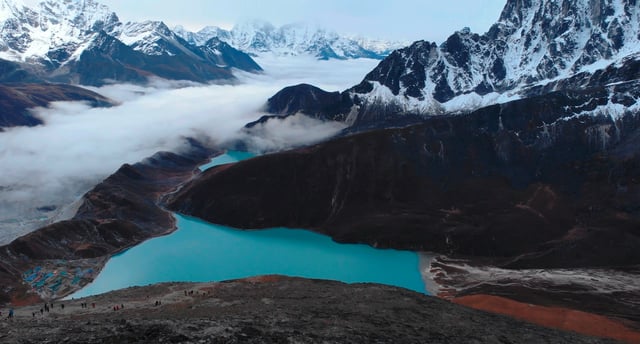
Bagmati Province, Nepal
Ab $1358
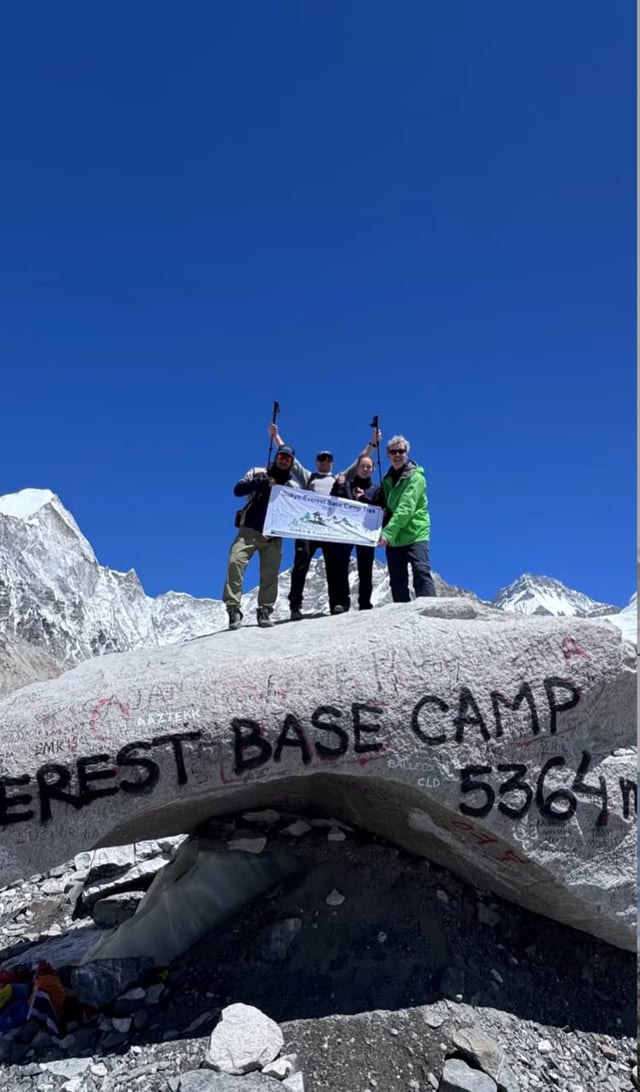
Bagmati Province, Nepal
Ab $1360
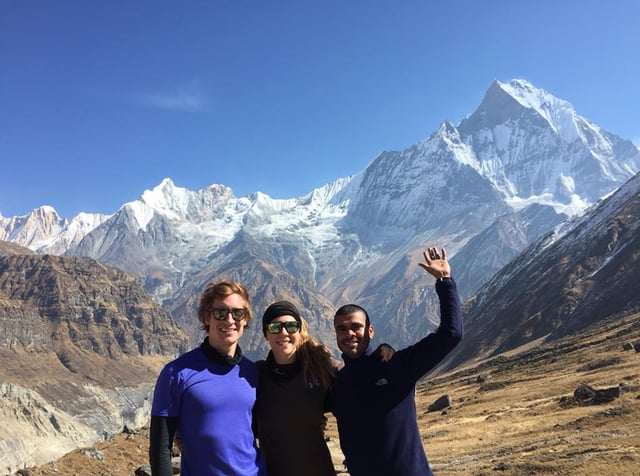
Bagmati Province, Nepal
Ab $1387
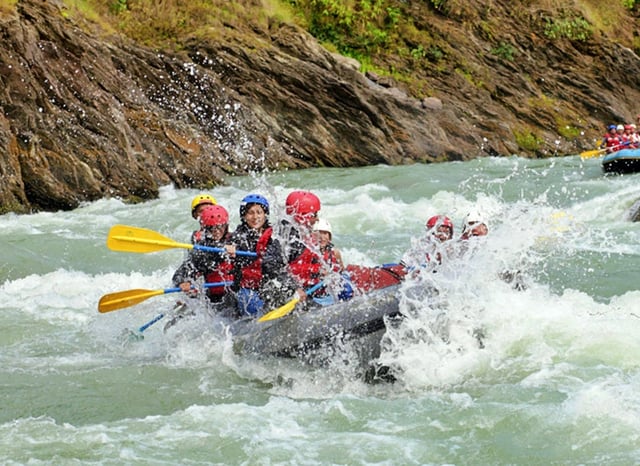
Bagmati Province, Nepal
Ab $3093
Bagmati Province, Nepal
Ab $2897
Bagmati Province, Nepal
Ab $1899
Bagmati Province, Nepal
Ab $1500