We partner with Rewilding Britain to help protect our natural spaces for future adventures.
All centres are vetted for safety and quality. Your adventure is in good hands with adventuro.
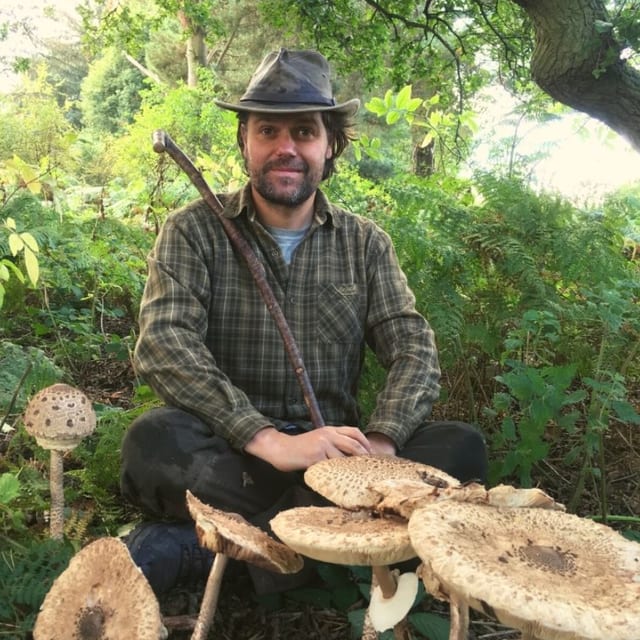
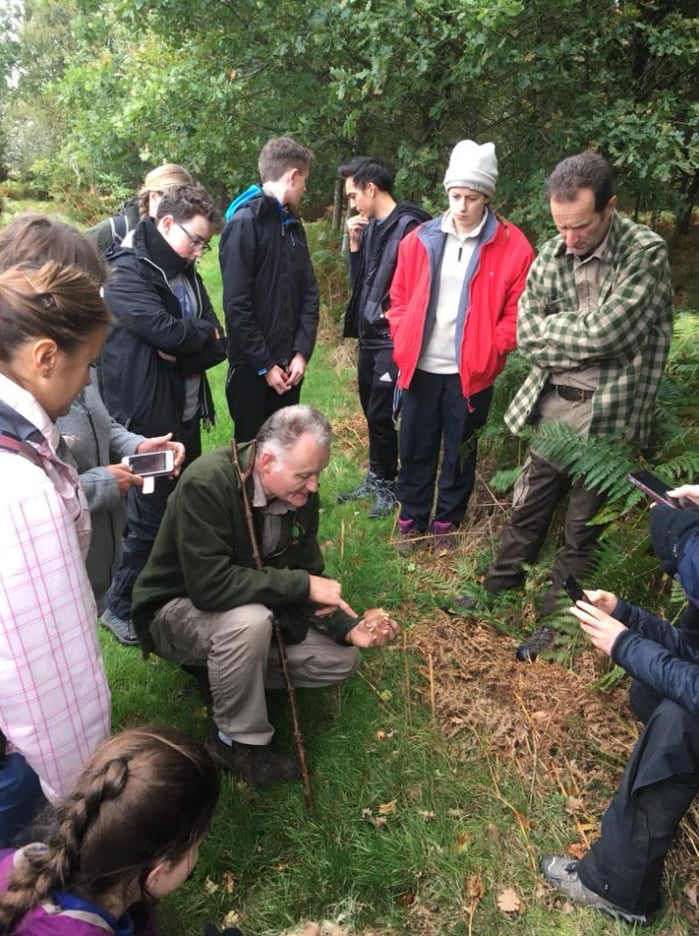
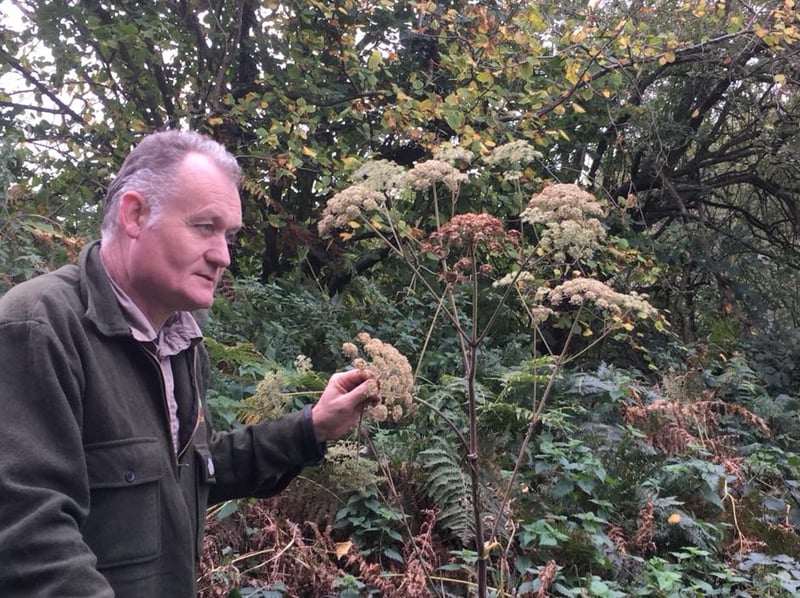
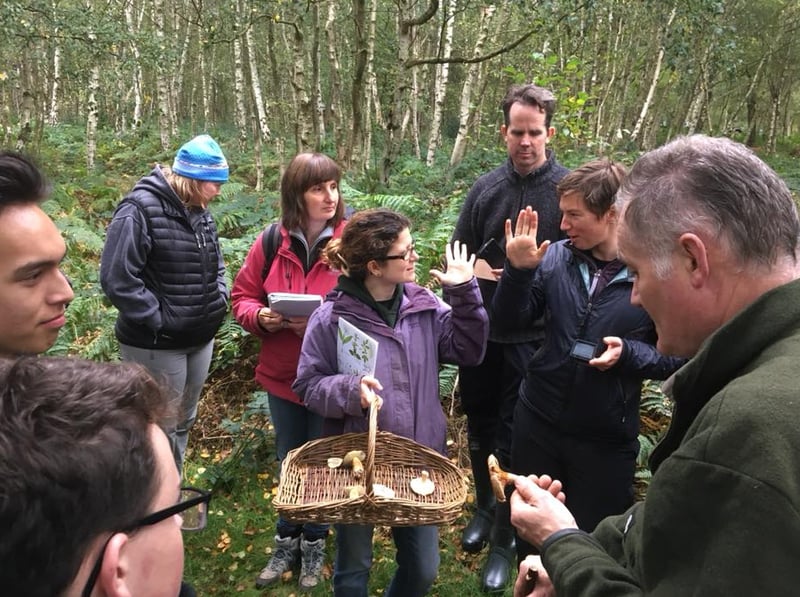
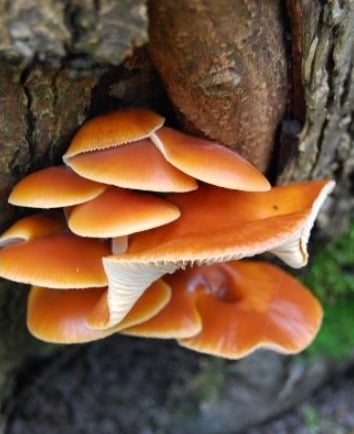
Descubre la cosecha silvestre del otoño en un paseo guiado de recolección por bosques, prados y terrenos ajardinados de Chirk Castle. Esta sesión de medio día es ideal para quienes sienten curiosidad por las plantas y hongos comestibles, y ofrece habilidades prácticas para identificar alimentos silvestres y utilizarlos de forma responsable. Durante el recorrido, disfrutarás de una degustación de té silvestre y aprenderás consejos sobre cocina, seguridad y recolección sostenible.
Comenzarás con una breve introducción al día antes de salir a pie por la antigua finca. El paseo recorre bosques mixtos, setos, terrenos ajardinados y prados – todos ellos ofrecen distintas oportunidades de encontrar alimentos comestibles según la estación. Aprenderás a identificar una amplia variedad de alimentos silvestres, como bayas, frutos secos, frutas y hongos, además de conocer los usos tradicionales y el folclore asociados a algunas plantas.
A medida que avance el paseo, el instructor explicará las pautas de seguridad y señalará las especies parecidas que conviene evitar. Explorarás las normas y responsabilidades asociadas a la recolección, incluido lo que establece la ley y cómo adoptar un enfoque sostenible que respete tanto el terreno como su fauna. La sesión termina con una degustación de té silvestre, elaborado con ingredientes recién recolectados, y tiempo para plantear preguntas. Los participantes pueden llevar su propia cesta o bolsa de recolección para recoger pequeñas cantidades de alimentos comestibles para uso personal.
La sesión tiene lugar en la finca de Chirk Castle, un espacio de National Trust cerca de Wrexham. La finca alberga bosques centenarios, amplias zonas abiertas y una variedad de hábitats que la convierten en un lugar ideal para la recolección otoñal. Caminarás por un entorno rural accesible, aunque los senderos pueden ser irregulares o estar embarrados en algunos puntos, según el tiempo. Hay aparcamiento disponible cerca y recibirás con antelación instrucciones específicas para el punto de encuentro.
No se requiere experiencia previa en recolección y el curso es adecuado tanto para principiantes como para personas con algunos conocimientos de actividades al aire libre. Es recomendable tener un nivel de forma física razonable, ya que la sesión incluye varias horas caminando y de pie al aire libre.
Los participantes deben tener 18 años o más. Necesitarás ropa adecuada para el tiempo, calzado resistente o botas, y tu propia taza o termo reutilizable si quieres probar el té silvestre.
Este proveedor se centra en conectar a las personas con el mundo natural mediante experiencias prácticas al aire libre. Con años de experiencia en conservación y educación sobre bushcraft, ofrece sesiones cuidadosamente diseñadas para desarrollar la confianza y profundizar en el conocimiento de la naturaleza. Los cursos se basan en los cambios estacionales y la comprensión ecológica, ofreciendo una forma práctica de relacionarse con el entorno local.
El equipo está formado por instructores cualificados de bushcraft con una sólida experiencia en gestión del territorio y enseñanza al aire libre. Su enfoque es práctico, seguro e inclusivo – anima a los participantes a respetar el terreno mientras aprovechan plenamente sus recursos.
Durante el otoño, una gran variedad de alimentos silvestres de temporada alcanza su mejor momento. En este paseo, es probable que encuentres bayas como espino, saúco, escaramujo y endrinas, además de frutos secos como avellanas y hayucos. Según el tiempo, también podrás encontrar setas, como bejines o coprinos, y otros hongos.
Además, a menudo encontramos hojas aromáticas, semillas y raíces que pueden utilizarse en infusiones o añadirse a las comidas. Tu guía te explicará cómo identificarlas y utilizarlas con confianza. Algunos ingredientes son deliciosos crudos, mientras que otros necesitan cocinarse o procesarse – todo se explicará claramente.
Sí, la sesión incluye una degustación de té silvestre, que ofrece a todos la oportunidad de probar una infusión elaborada con ingredientes recolectados. A menudo se trata de una combinación de hojas, flores o bayas de temporada recolectadas de forma sostenible durante sesiones anteriores.
Es un momento relajado durante el paseo en el que el grupo puede hacer una pausa, plantear preguntas y entrar en calor si es necesario. Ten en cuenta que, por motivos de seguridad e higiene, no preparamos comidas completas con productos recién recolectados durante la sesión, pero sí hablamos de cómo utilizarlos en casa.
No necesitas ningún equipo especializado para participar. Solo tendrás que llevar una cesta, bolsa o recipiente pequeño si quieres recoger algunas muestras para llevártelas a casa. También recomendamos llevar un cuaderno si quieres anotar las especies que has identificado.
Es imprescindible llevar calzado adecuado, ya que el paseo transcurre por bosques, prados y terrenos irregulares. También son útiles una chaqueta impermeable y una botella de agua reutilizable. Si llevas guantes para manipular plantas, asegúrate de que permitan sujetar y moverse con facilidad.
Cuando se hace correctamente, recolectar alimentos silvestres es muy seguro y gratificante. La clave está en saber qué estás recogiendo. Esta sesión te ayudará a ganar confianza para identificar correctamente las especies comestibles y evitar cualquier elemento perjudicial o planta parecida.
Nunca animamos a los participantes a probar nada a menos que el instructor lo haya identificado claramente. El grupo recibe explicaciones detalladas de forma lenta y cuidadosa, priorizando la seguridad en cada etapa.
El paseo se realizará incluso con lluvia, por lo que recomendamos vestirse adecuadamente para las condiciones meteorológicas. Algunos de los mejores hongos y otros alimentos silvestres prosperan precisamente durante los húmedos días de otoño, así que los paseos lluviosos pueden ser igual de productivos.
Tendremos especial cuidado en los senderos resbaladizos y reduciremos ligeramente la distancia si es necesario. Solo en condiciones meteorológicas extremas, como vientos fuertes o avisos de tormenta, se reprogramaría o cancelaría la sesión; en ese caso, nos pondríamos en contacto contigo con antelación.
Por supuesto – se anima a hacer fotografías. Fotografiar plantas, hongos y el paisaje puede ayudarte a aprender y recordar detalles de lo que ves. A muchas personas les resulta útil llevar un registro visual para apoyar su práctica de recolección más adelante.
Sin embargo, te pedimos que mantengas el teléfono en silencio y lo utilices con respeto durante la sesión, especialmente durante los debates en grupo o la degustación de té silvestre. Evita molestar a la fauna o dañar las plantas solo para conseguir una fotografía.
Sí, este paseo es ideal para principiantes. Está diseñado como una introducción relajada e informativa a las plantas y hongos comestibles del paisaje otoñal. No necesitas conocimientos previos para participar.
El guía explica todo con palabras sencillas y responde encantado a las preguntas. Si ya conoces algunas plantas, aún aprenderás más sobre identificación segura, recolección sostenible y cómo incorporar ingredientes silvestres a tu vida.
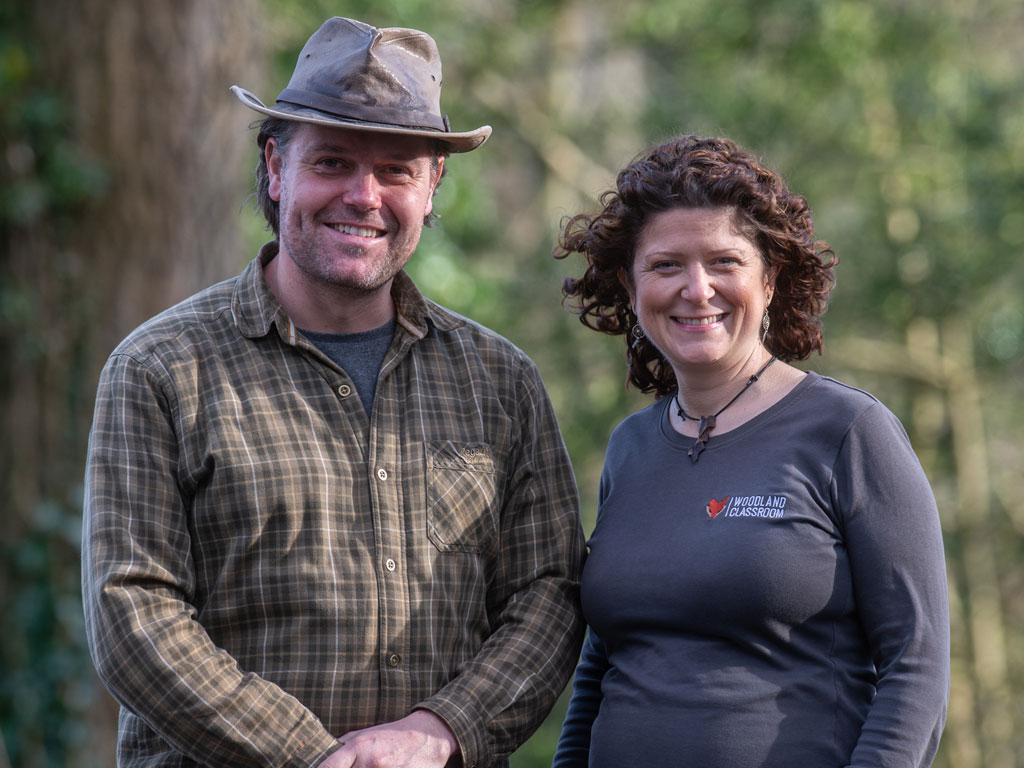
Sobre el centro
Wrexham
Operado por Woodland Classroom, un partner de adventuro.


Cumbria, United Kingdom
Desde £39
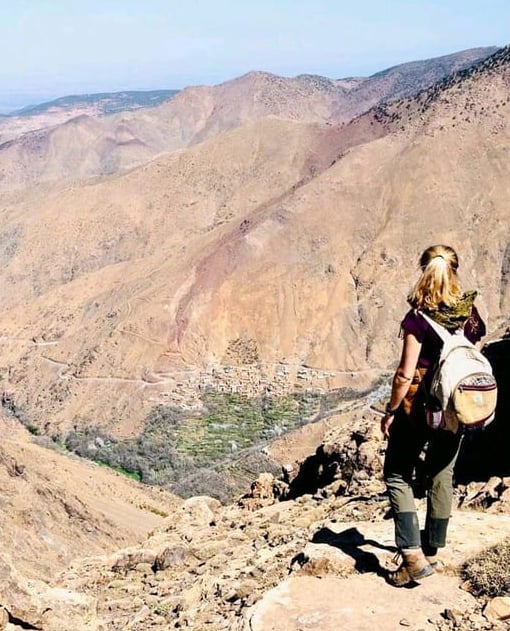
Central & Atlas Mountains, Morocco
Desde €40

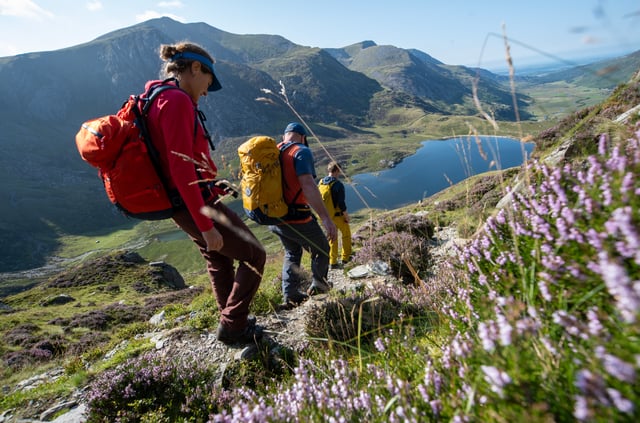

North Wales, United Kingdom
Desde £95
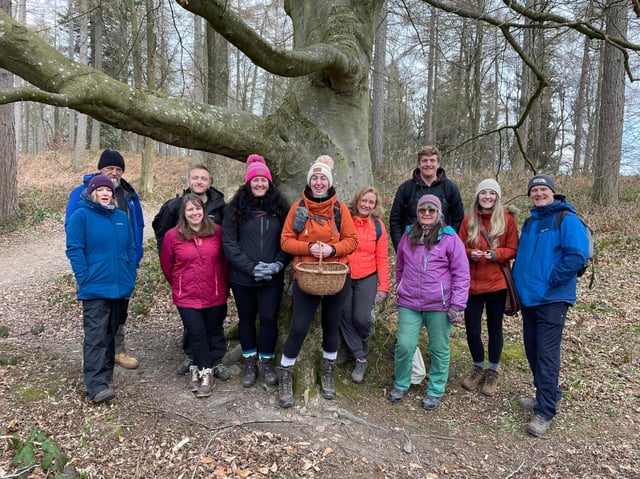
North Wales, United Kingdom
Desde £85