We partner with Rewilding Britain to help protect our natural spaces for future adventures.
All centres are vetted for safety and quality. Your adventure is in good hands with adventuro.
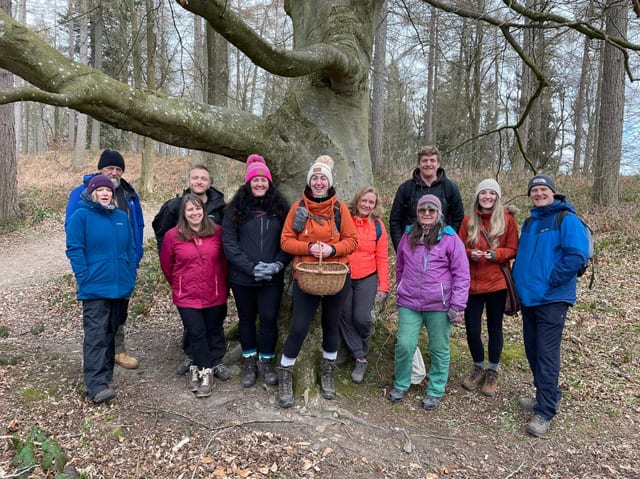
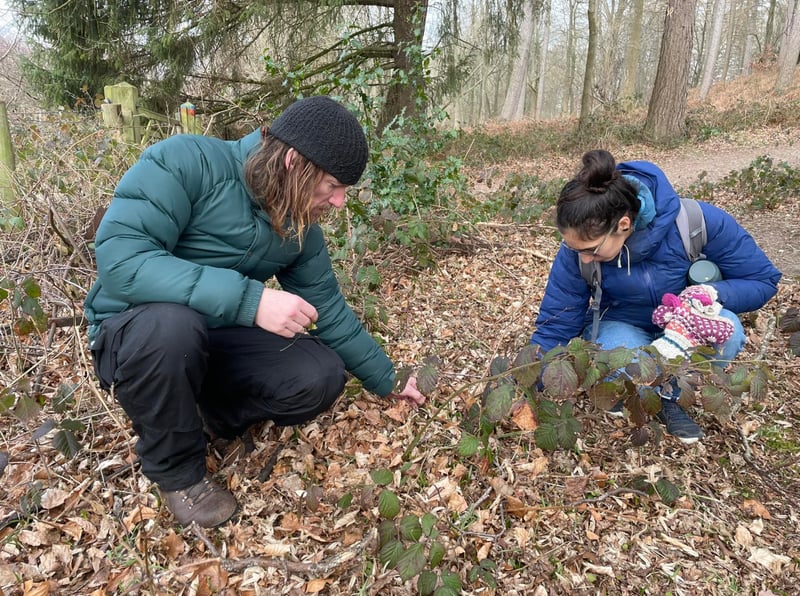
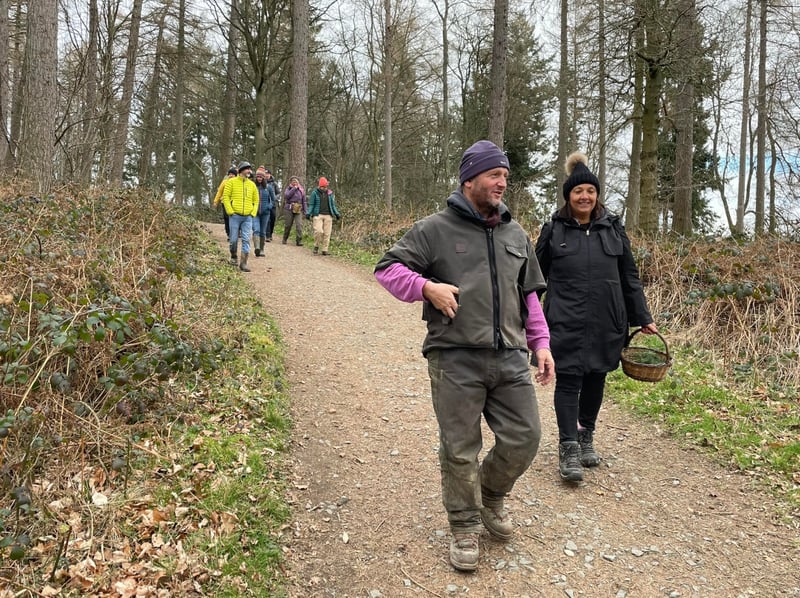
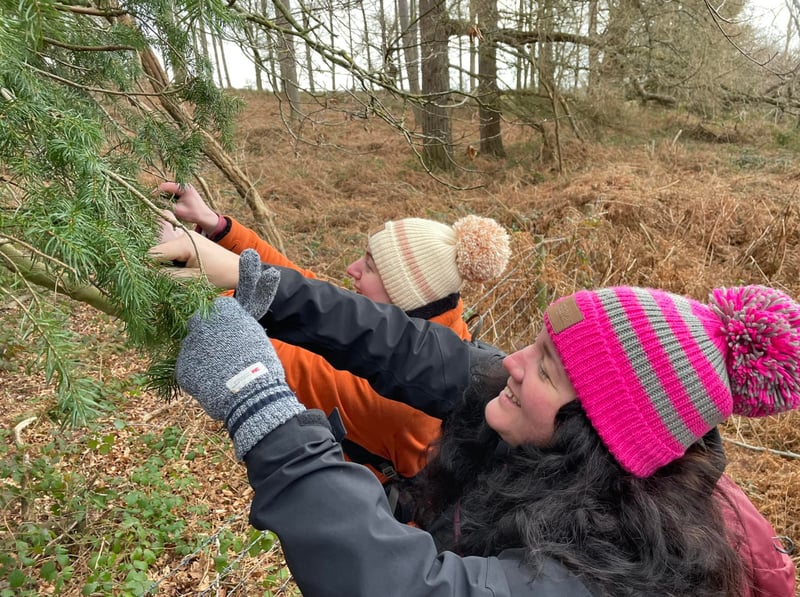
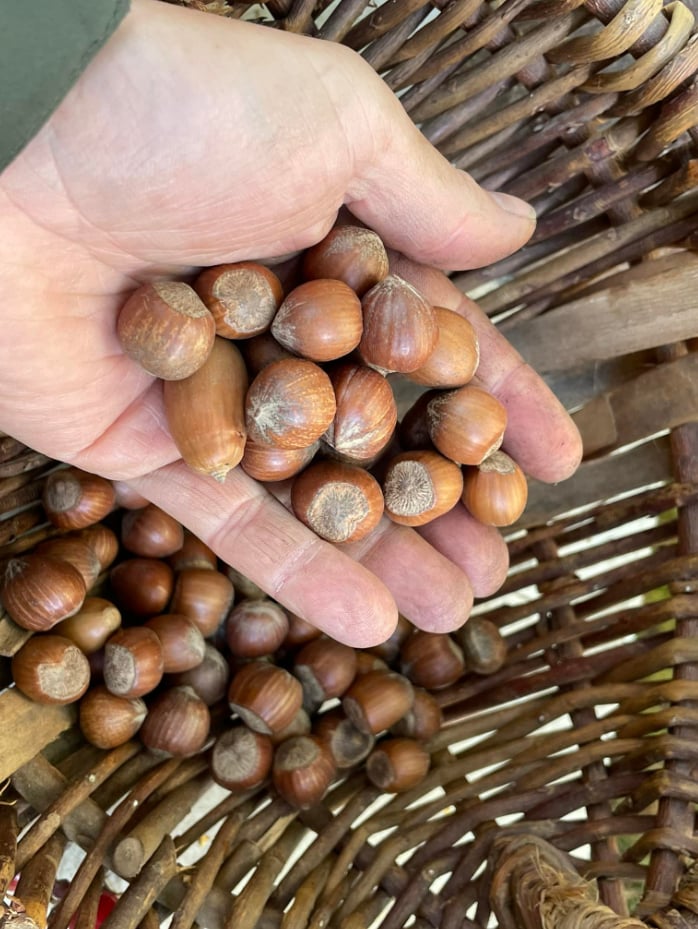
The day begins with an introduction to safe and respectful foraging, setting the scene for a practical day in the woods. You’ll start by exploring woodland paths and hedgerows, learning how to identify edible plants, fungi, nuts and berries. Seasonal highlights such as puffballs, rosehips, sweet chestnuts and sorrel may feature, depending on what nature provides. With every stop, you’ll build confidence in distinguishing useful edibles from harmful lookalikes and learn about sustainable harvesting techniques to ensure habitats are respected.
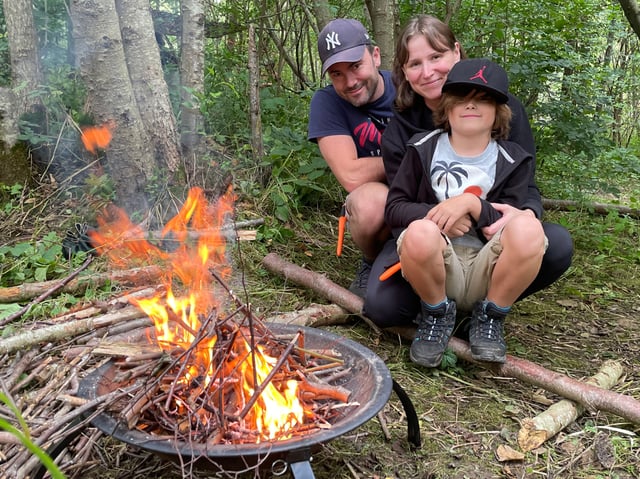
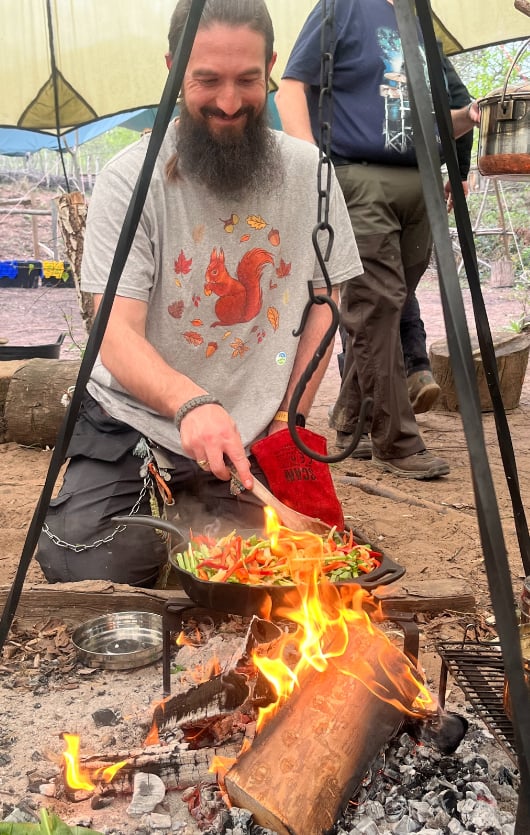
After the foraging walk, the focus shifts to outdoor cooking. Using your gathered ingredients, you’ll help prepare a shared lunch over a woodland campfire. You’ll learn how to clean and cook fish, bake fresh bread in a Dutch oven, and create nourishing wild food dishes with input from your tutors. The afternoon offers more opportunities to deepen your knowledge, with talks on preserving and using wild foods at home, plus hands-on involvement in every meal prepared at basecamp. By the end of the day, you’ll have learned a full cycle—from identifying and harvesting wild foods to cooking and enjoying them in a natural setting.
The session takes place on the Chirk Castle estate in Wrexham, North Wales. Set in historic National Trust-managed woodland, the site provides a varied landscape of ancient trees, open clearings and mature hedgerows—perfect for seasonal foraging. Easily accessed from the nearby A5, it offers a mix of peaceful forest and useful plant-rich borders.
The woods around Chirk offer a blend of native species and well-established flora, giving an ideal setting for beginners and improvers to practise real-world identification. Whether under the canopy of mature oak or beside hedgerows buzzing with autumn life, it’s a great place to learn and cook outdoors with others.
No previous experience is required to take part. This course is designed for adults with an interest in nature, food, or outdoor living—whether you’re a complete beginner or already dabble in wild food gathering.
Participants should feel comfortable walking on uneven ground and spending the day outdoors in autumn weather. All guidance, tools and instruction are provided, but a good waterproof and sturdy shoes are recommended.
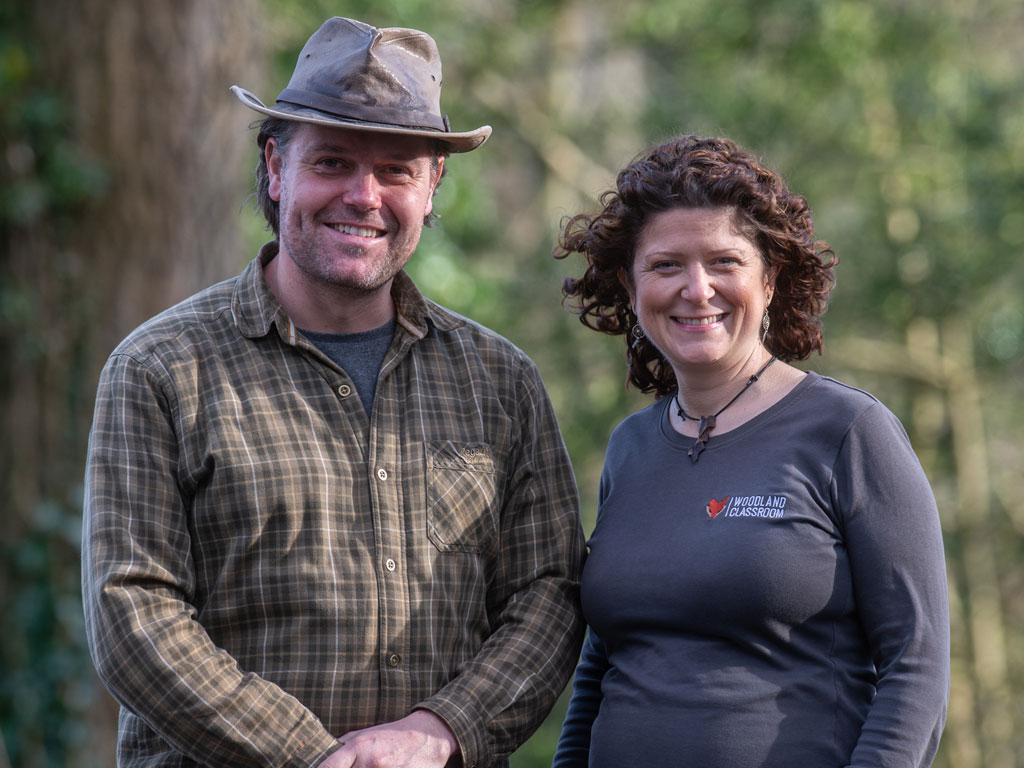
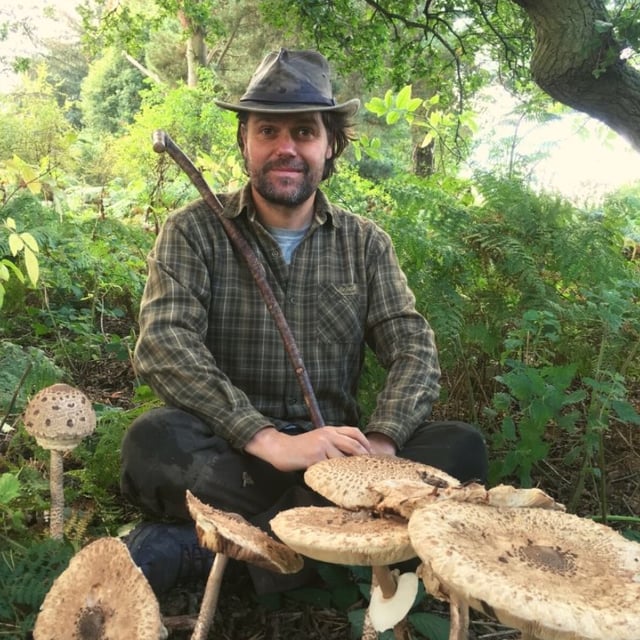
The team running this course bring a mix of professional expertise and genuine passion for wild food and outdoor teaching. The lead tutor has over a decade’s experience in conservation and environmental education, combining practical knowledge with a deep appreciation of nature.
Each session is designed to be relaxed, informative and hands-on. The focus is not just on facts, but helping people connect more closely with the land around them through useful skills and seasonal awareness. The centre’s teaching style is practical, inclusive and based on years of experience running outdoor courses for adults across the UK.
You’ll be introduced to a wide range of edible plants, nuts, berries, roots, and fungi that are commonly found during autumn in British woodlands. The focus is on species that are both safe to eat and relatively easy to identify, so you can build a reliable foundation for future foraging.
Alongside edible plants, you’ll also explore the flavours and uses of lesser-known species, including wild herbs and tree products like beech nuts or hawthorn berries. Tutors will also highlight poisonous lookalikes to avoid, helping you become more confident and informed in the field.
Yes, the course is designed with beginners in mind. You don’t need any previous experience with foraging or bushcraft. All identification, preparation and cooking techniques are explained clearly, and you’ll have time to ask questions throughout the day.
Even if you’ve never foraged before, you’ll leave with the practical skills needed to recognise edible species, harvest safely, and cook with confidence. The tutors support all levels of experience, adjusting the pace based on the group’s ability and interest.
Absolutely. Throughout the day, you’ll take part in preparing and cooking a variety of dishes using the wild ingredients gathered during the session. A basecamp cooking area is set up at Chirk Castle where food is cooked over the fire using traditional tools.
You’ll learn how to prepare fish, bake fresh bread in a Dutch oven, and create meals using your foraged items. It’s a full hands-on experience that blends identification with practical outdoor cooking. Expect to try multiple dishes during the day.
If you have dietary needs, it's important to let the organisers know in advance. Some aspects of the day can be tailored to avoid certain ingredients or allergens, although as the cooking involves wild ingredients, flexibility is important.
You may still be able to fully participate in the foraging and preparation parts of the session, and sample appropriate dishes that meet your dietary needs. There’s always an emphasis on awareness and safety when using unfamiliar plants and fungi.
The foraging routes will cover woodland paths, gentle slopes and uneven terrain, but there’s no high-level hiking involved. Breaks are factored into the day, and the pace is set to allow time for learning and observation.
If you’re comfortable walking outdoors for short distances and can stand for periods of time, you’ll manage fine. Most of the day is spent outside, so dressing appropriately for autumn weather will ensure you stay comfortable.
The course will go ahead in most weather conditions, including rain, and the basecamp includes covered areas where group activities and cooking can take place. You’ll need to dress for the forecast, including waterproofs and sturdy footwear.
In the event of severe weather that affects safety, the organisers may adjust the session or reschedule if needed. You’ll be contacted in advance if any changes occur. The tutors are used to running sessions year-round and adapt well to changing conditions.
Sustainable foraging is a key part of the course. You’ll learn ethical harvesting practices such as only taking what you need, avoiding over-harvested areas, and ensuring that rare or protected species are left undisturbed.
Tutors explain the ecological role of the plants and fungi you encounter, helping you understand how to forage in a way that respects the wider habitat. Seasonal abundance and long-term impact are discussed throughout the day.
Über das Zentrum
Wrexham
Betrieben von Woodland Classroom, einem Partner von adventuro.






Mid & South-West Wales, United Kingdom
Ab £40