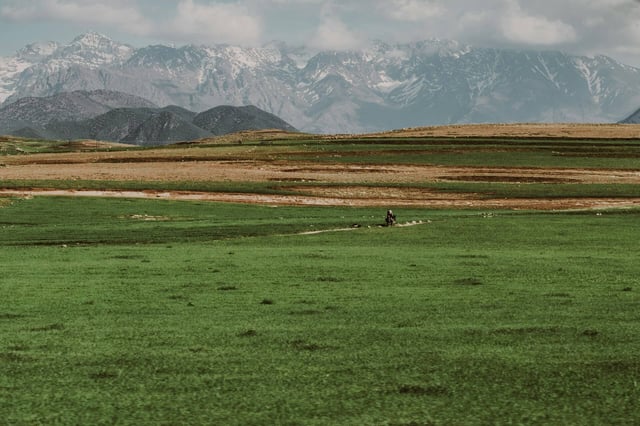
We partner with Rewilding Britain to help protect our natural spaces for future adventures.
All centres are vetted for safety and quality. Your adventure is in good hands with adventuro.
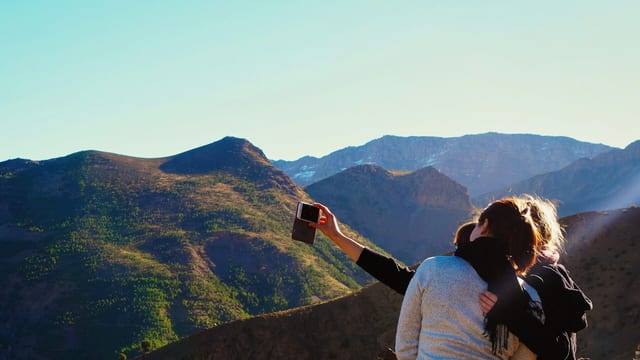
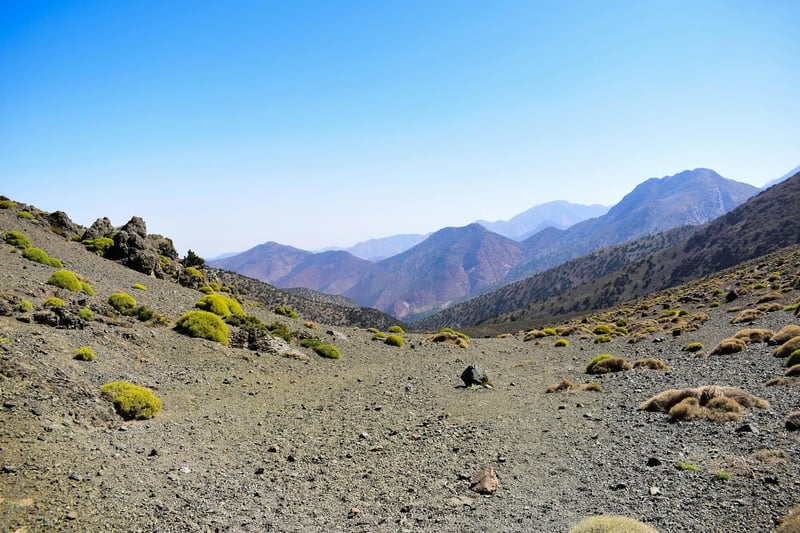
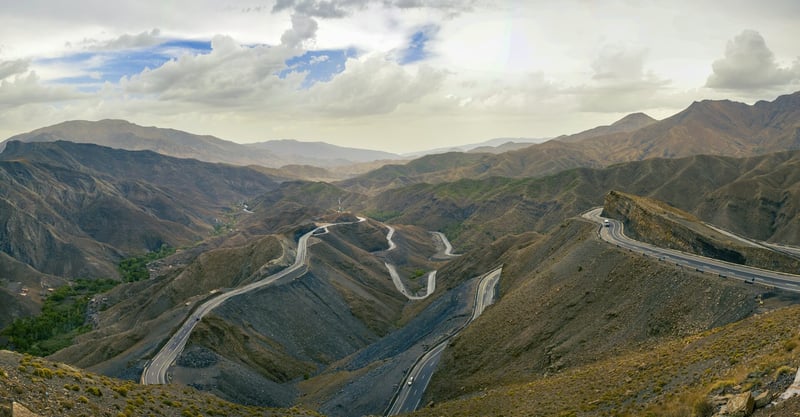
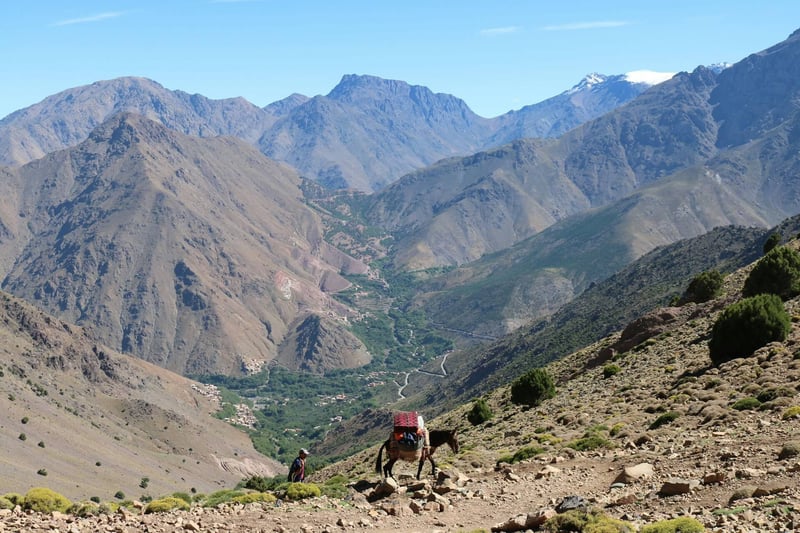
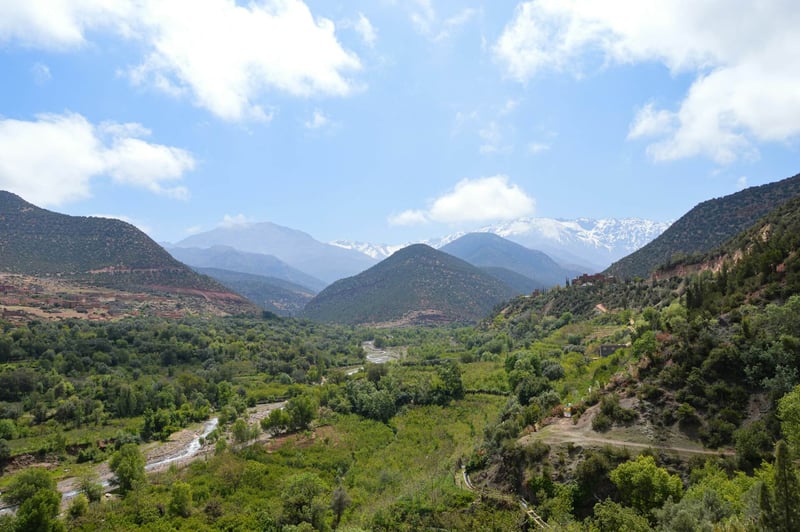
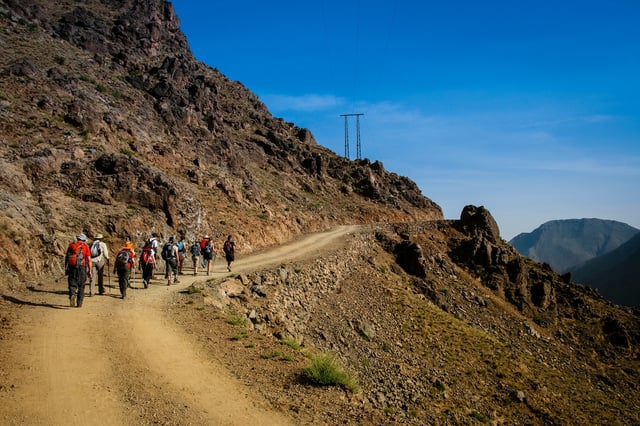
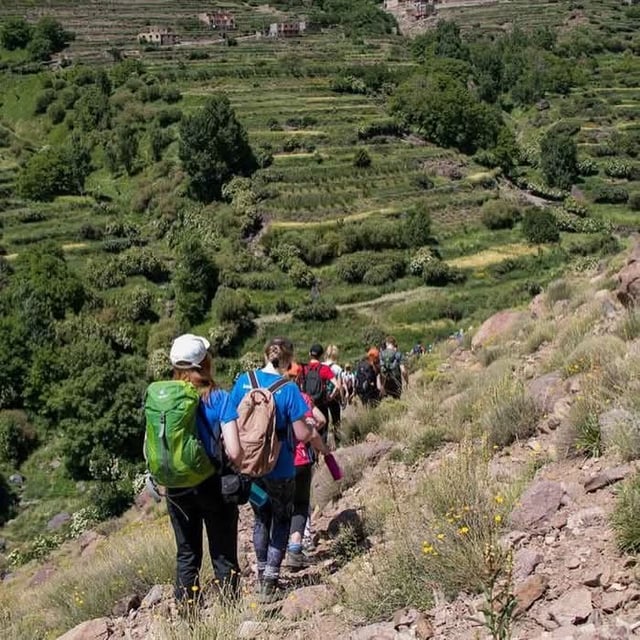
Comienza en Marrakech antes de viajar a las estribaciones de Amizmiz, donde las caminatas con apoyo de mulas revelan valles cultivados, olivares y pequeños asentamientos de montaña. Los senderos, recorridos a un ritmo cuidadosamente establecido, conectan Ait Zitoun, Tizgui, Ait Ahmed e Imin'Tala, con tiempo para apreciar el paisaje y la vida cotidiana de los pueblos.
El viaje combina días activos con la cálida hospitalidad local, una sesión tradicional de elaboración de pan y vistas variadas de la llanura de Haouz. Después de cruzar el puerto más alto y descender por el valle de Lamdinate, regresa a Marrakech para pasar una última noche en un riad y disfrutar de tiempo para explorar antes de la salida.
Los experimentados guías locales dan vida a la ruta gracias a sus conocimientos prácticos de montaña y a sus cuidadas presentaciones de las comunidades del camino. El apoyo de las mulas aligera los días de caminata, mientras que los cómodos alojamientos nocturnos crean una experiencia equilibrada tanto para quienes hacen trekking por primera vez como para los más habituales.
El itinerario va más allá de las principales rutas turísticas y deja espacio para auténticos encuentros culturales en lugar de visitas apresuradas. El transporte, el alojamiento y la logística de los senderos se coordinan durante todo el recorrido, para que puedas concentrarte en el paisaje, la caminata y los momentos compartidos.
Hay recogida disponible en tu hotel, riad o en el aeropuerto de Marrakech Menara. La hora y el lugar exactos de recogida se confirmarán antes de que comience el viaje.
La primera noche es en Marrakech, con transporte por carretera hasta Barrage Amizmiz el día dos. El tour regresa a Marrakech el día cinco e incluye un traslado al aeropuerto el día seis según el horario de tu vuelo.
La ruta está clasificada como de dificultad media, con varias horas de caminata durante la mayoría de los días de montaña. Los senderos incluyen campos ondulados, ascensos graduales, caminos forestales y un puerto a aproximadamente 1,800 metros.
No necesitas habilidades técnicas ni experiencia previa en trekking, pero es importante tener un nivel razonable de forma física. El guía marca un ritmo constante, y las mulas transportan el equipaje principal entre los alojamientos nocturnos.
El alojamiento incluye un riad confortable en Marrakech y casas de huéspedes tradicionales o viviendas bereberes en los pueblos de montaña. Estos alojamientos se eligen por su ubicación, hospitalidad y conexión con la ruta.
El alojamiento en la montaña suele ser más sencillo que un hotel urbano, por lo que las instalaciones pueden variar entre pueblos. El contraste forma parte de la experiencia, combinando la hospitalidad local con noches de descanso después de cada caminata.
La ruta puede ajustarse si el tiempo o las condiciones locales afectan a un sendero previsto. El guía elegirá la alternativa práctica más segura, conservando el carácter de la ruta siempre que sea posible.
Las condiciones pueden ser diferentes entre Marrakech y los senderos de mayor altitud, así que lleva varias capas y protección impermeable. El equipo se pondrá en contacto contigo si antes de la salida fuera necesario realizar un cambio importante en el itinerario.
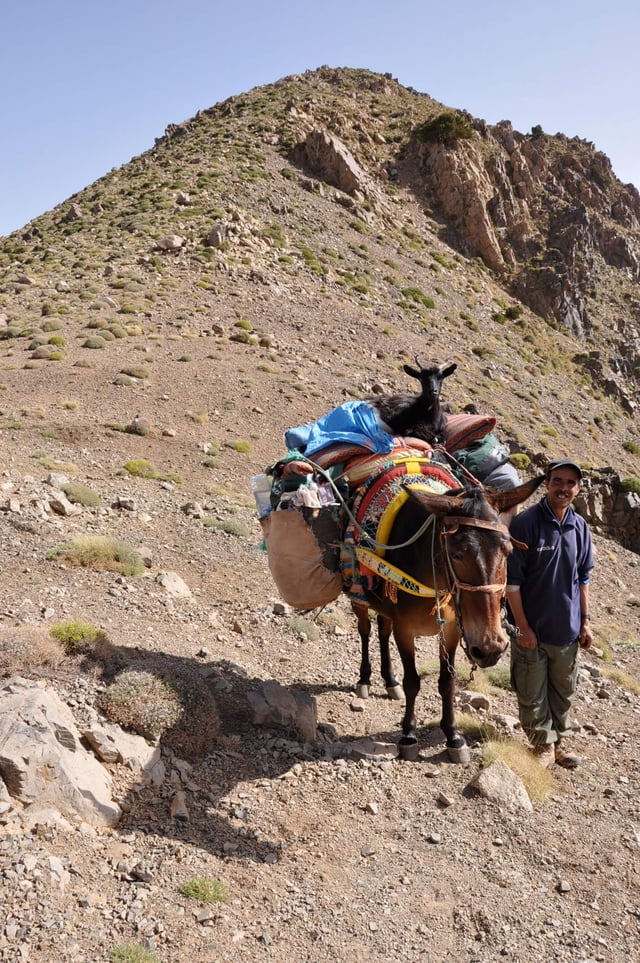
Las mulas y sus cuidadores apoyan la sección de trekking transportando el equipaje principal entre los alojamientos nocturnos de montaña. Esto te permite caminar con una mochila pequeña en lugar de llevarlo todo por el sendero.
Lleva contigo agua, protección solar, varias capas y tus artículos personales esenciales durante cada jornada. Prepara la bolsa principal de forma segura y evita llevar artículos frágiles que no sean adecuados para el transporte en mula.
Las comidas durante el trekking están incluidas según se describe en el itinerario, con alimentos preparados teniendo en cuenta las condiciones prácticas de cada alojamiento nocturno. Los sabores tradicionales marroquíes y los platos contundentes aportan energía durante los días de caminata.
Informa al equipo sobre cualquier alergia o necesidad dietética antes de la salida para que puedan evaluar las opciones adecuadas. Lleva los tentempiés especiales de los que dependas, ya que las tiendas de los pueblos y la variedad de productos pueden ser limitadas.
Usa botas de senderismo ya adaptadas y varias capas ligeras que puedas ajustar a medida que cambien las temperaturas. Una chaqueta impermeable, un sombrero para el sol y protección solar de factor alto son útiles durante toda la sección de montaña.
Las noches pueden parecer más frescas que en Marrakech, especialmente en los pueblos y puertos de mayor altitud. Lleva una capa abrigada y elige ropa respetuosa y cómoda para el tiempo que pases en comunidades rurales.
La sesión de elaboración de pan es una actividad cultural relajada que presenta una parte importante de la vida cotidiana del pueblo. Es práctica, pero no se requiere experiencia previa en cocina ni ninguna técnica especial.
La participación puede adaptarse si prefieres observar algunas partes del proceso. Informa al guía sobre cualquier alergia alimentaria antes de la sesión, especialmente si el contacto con la harina pudiera suponer un problema.
El transporte por carretera conecta Marrakech con Barrage Amizmiz al comienzo de la ruta y recoge al grupo en Azgour el día cinco. La sección de montaña se realiza principalmente a pie entre los pueblos.
Los tiempos de traslado pueden variar según el tráfico, las condiciones de la carretera y las paradas previstas. Las vistas panorámicas y la transición gradual de la ciudad a las estribaciones forman parte del viaje.
La edad mínima es de diez años, y los participantes jóvenes ya deberían sentirse cómodos realizando varios días consecutivos de senderismo por colinas. Los padres o tutores deben tener en cuenta la resistencia, la seguridad al caminar por senderos irregulares y el alojamiento de montaña más sencillo.
El guía gestiona el ritmo del grupo, pero cada participante debe poder completar las distancias previstas de forma segura. Comenta con el equipo cualquier duda sobre la experiencia y la forma física de un menor antes del viaje.
Vístete respetuosamente en los pueblos y pide permiso antes de fotografiar a personas o viviendas privadas. Un saludo cordial y la paciencia son muy valorados al conocer a anfitriones y miembros de la comunidad a lo largo de la ruta.
Tu guía explicará las costumbres locales y ayudará con las presentaciones durante las estancias en casas de huéspedes y las actividades. Sigue sus consejos para que los encuentros culturales sean cómodos y respetuosos para todos.
Sobre el centro
Marrakech
Operado por Active Treks Morocco, un partner de adventuro.
Central & Atlas Mountains, Morocco
Desde €600

Central & Atlas Mountains, Morocco
Desde £455
Central & Atlas Mountains, Morocco
Desde €480
Central & Atlas Mountains, Morocco
Desde £407
Central & Atlas Mountains, Morocco
Desde €400

Central & Atlas Mountains, Morocco
Desde £398
Central & Atlas Mountains, Morocco
Desde $450
Central & Atlas Mountains, Morocco
Desde $400