We partner with Rewilding Britain to help protect our natural spaces for future adventures.
All centres are vetted for safety and quality. Your adventure is in good hands with adventuro.
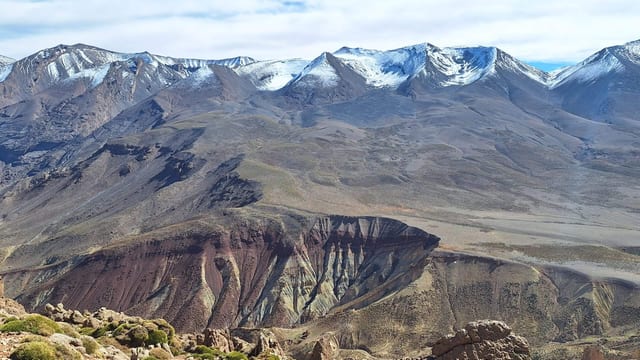
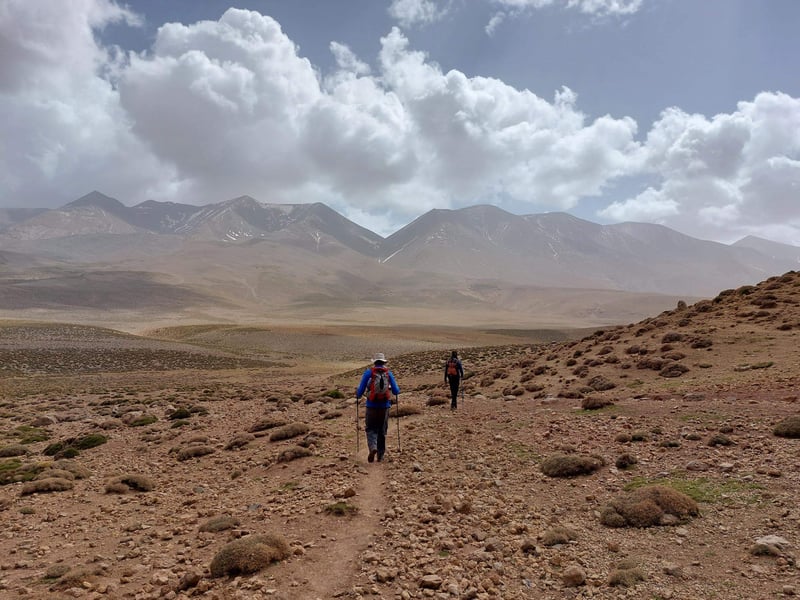
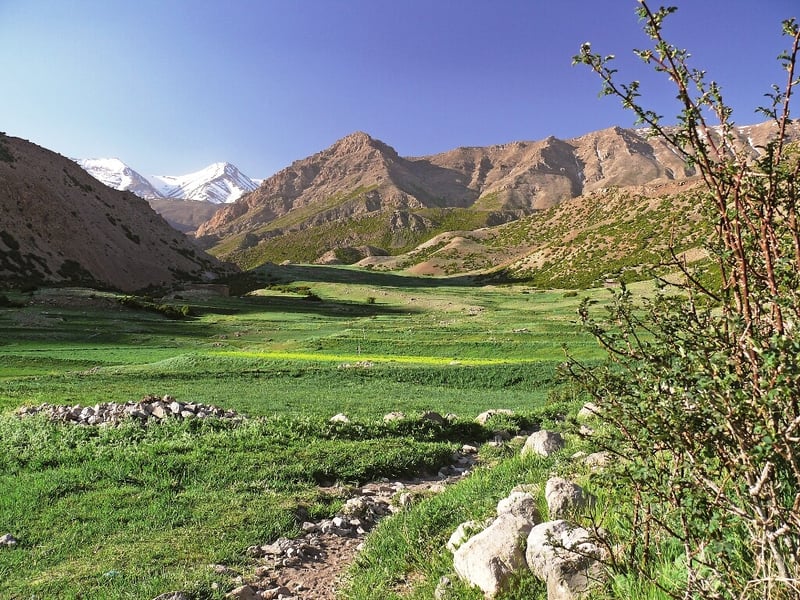
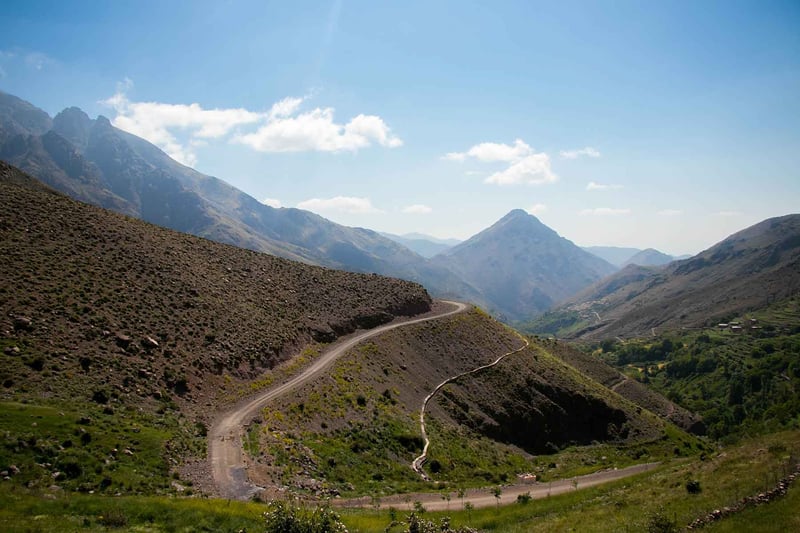
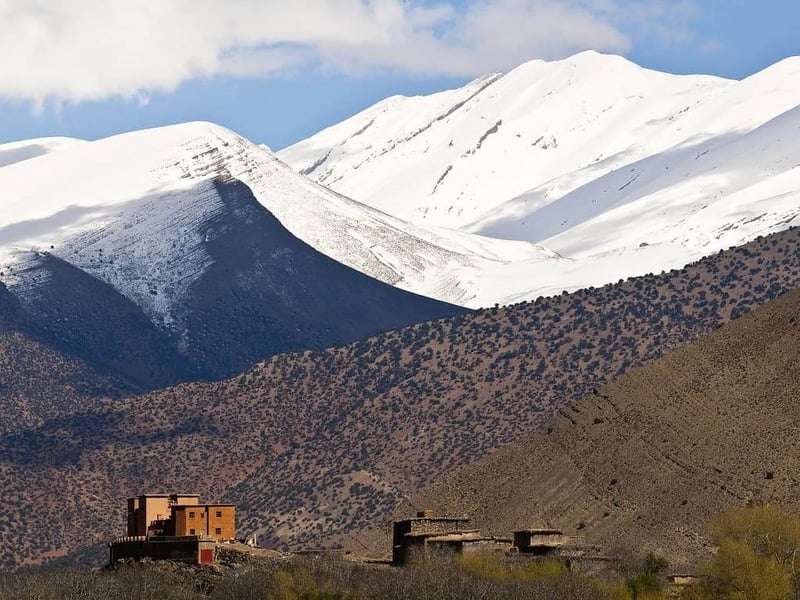
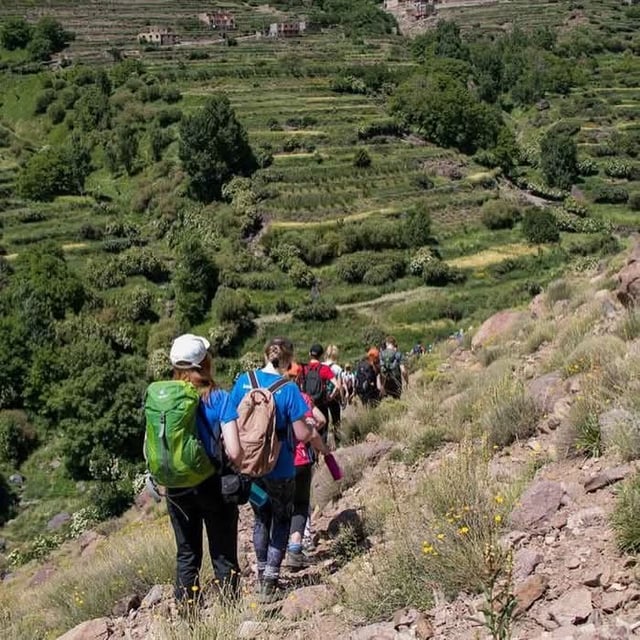
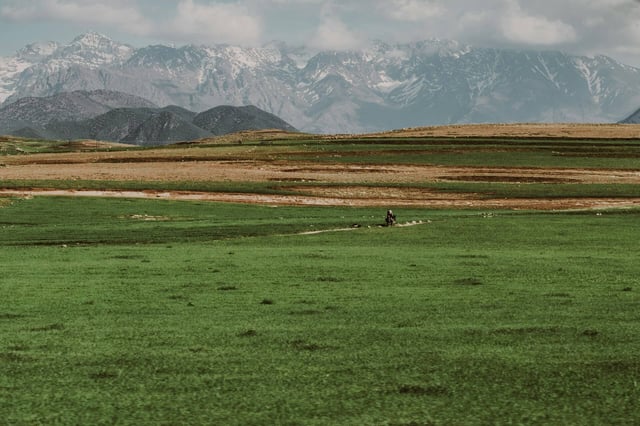
Le mont M’Goun est l’une des destinations de trekking les plus spectaculaires et les moins fréquentées du Maroc, culminant à 4,068 mètres dans le Haut Atlas central. Le trek commence dans la vallée verdoyante d’Aït Bougoumez, traverse des vallées fertiles et des villages berbères traditionnels avant d’atteindre le camp d’Arous puis, le troisième jour, les hauteurs sauvages du col d’Aghouri et du plateau de Tarkedit.
La journée d’ascension suit une longue crête exaltante plutôt que les interminables pentes d’éboulis de certains autres sommets de l’Atlas, avec des vues panoramiques sur la vallée du Drâa et, par temps clair, en direction du Sahara. Les derniers jours, vous redescendez par des vallées plus tranquilles et des campements de bergers avant de rejoindre Aït Bougoumez, puis Marrakech.
Ce trek convient aux randonneurs expérimentés en quête de solitude, d’altitude et de nature sauvage, car la région du M’Goun reçoit bien moins de visiteurs que le massif du Toubkal et dispose d’infrastructures plus rudimentaires en conséquence.
Un guide de montagne anglophone encadre le trek tout au long du parcours, tandis que des camps et des maisons d’hôtes assurent l’hébergement pendant les six jours.
Le mont M’Goun est le deuxième sommet le plus élevé du Maroc, culminant à 4,068 mètres, légèrement plus bas que le Toubkal, mais la région est bien moins fréquentée et dispose d’infrastructures plus rudimentaires. Le trek offre donc une expérience plus sauvage et isolée, avec une approche du sommet plus longue et plus variée.
Les randonneurs en quête de solitude préfèrent généralement le M’Goun au massif du Toubkal, plus fréquenté.
Ce trek est considéré comme difficile, avec une journée d’ascension exigeante de 8 à 9 heures et des camps situés au-dessus de 3,000 mètres. Une expérience préalable du trekking en haute altitude et une bonne condition physique sont donc vivement recommandées.
L’isolement de la région accentue les exigences générales du voyage.
L’hébergement combine des maisons d’hôtes dans des villages tels qu’Agouti et des camps de montagne à Arous, sous le M’Goun occidental, ainsi qu’à Azib Izabine et Tighermet n'Ait Ahmed, offrant un camping simple mais bien organisé dans des lieux isolés.
Les camps sont montés et démontés chaque jour par l’équipe d’assistance.
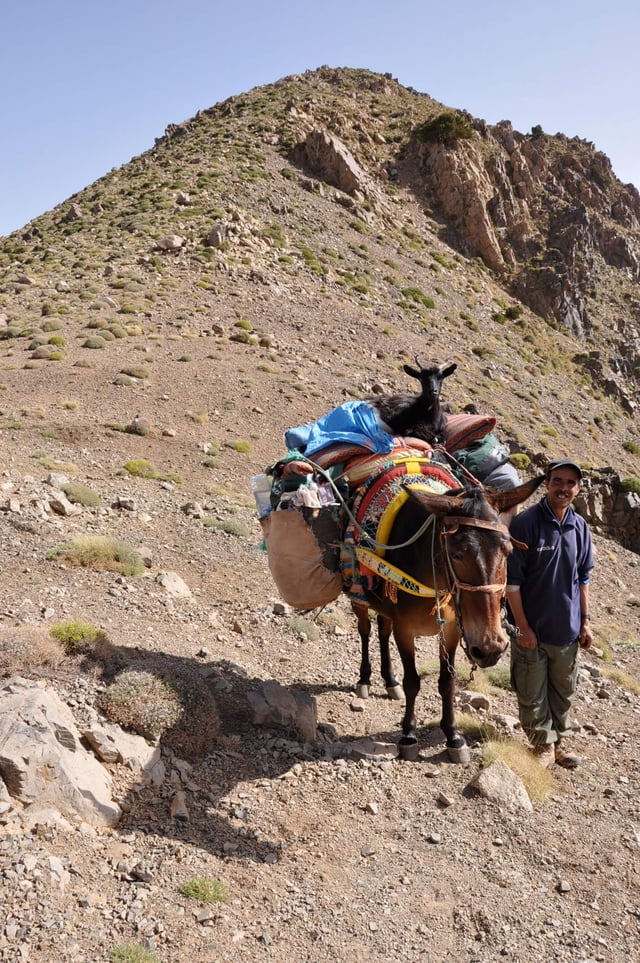
Oui, les mules transportent les bagages principaux pendant toute la durée du trek. Vous n’avez donc besoin que d’un petit sac à dos avec de l’eau, des vêtements superposables et vos effets personnels essentiels pendant les journées de marche.
Cela s’applique aux six jours de l’itinéraire.
Le massif du M’Goun est plus isolé et dispose d’infrastructures plus rudimentaires que la région du Toubkal. La fréquentation y est donc bien plus faible, ce qui donne au trek une véritable sensation de nature sauvage et de solitude pendant les six jours.
Cela signifie également que les installations sont plus rudimentaires que sur les itinéraires du Toubkal, plus fréquentés.
Par temps clair, le sommet du Djebel M’Goun offre des vues panoramiques sur la vallée du Drâa et en direction du désert du Sahara, en plus des crêtes spectaculaires et des paysages alpins traversés pendant l’approche.
La longue crête sommitale est considérée comme l’une des sections les plus gratifiantes de tous les treks de l’Atlas.
L’âge minimum est de 10 ans, mais la difficulté et l’isolement de ce trek le rendent particulièrement adapté aux adolescents plus âgés expérimentés et aux adultes.
Les groupes peuvent compter jusqu’à 20 personnes, et des départs privés peuvent être organisés sur demande.
Des chaussures de trekking robustes déjà faites à votre pied, des couches isolantes chaudes pour les nuits froides au-dessus de 3,000 mètres, ainsi que des vêtements extérieurs imperméables et coupe-vent sont indispensables.
Des bâtons de trekking sont recommandés pour la crête sommitale, ainsi qu’une protection solaire et une lampe frontale.
Une expérience préalable du trekking en haute altitude et une bonne condition physique sont vivement recommandées, compte tenu de l’isolement et des infrastructures rudimentaires de la région du M’Goun.
Il s’agit d’un voyage plus exigeant que nos itinéraires classiques du Toubkal, qui convient particulièrement aux randonneurs expérimentés.
Les annulations effectuées plus de 90 jours avant le départ donnent droit à un remboursement intégral. Les annulations effectuées entre 80 et 90 jours avant le départ donnent droit à un remboursement de 50 %, tandis que les annulations intervenant dans les 70 jours précédant le départ ne sont pas remboursables.
Un avis écrit est requis et il est vivement recommandé de souscrire une assurance annulation voyage.
À propos du centre
Marrakech
Géré par Active Treks Morocco, partenaire de adventuro.
Central & Atlas Mountains, Morocco
À partir de €600
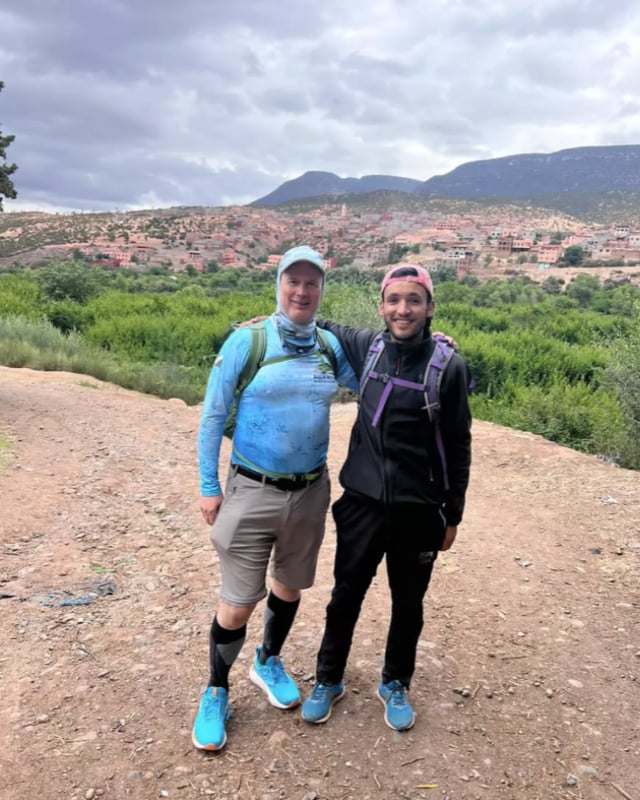
Central & Atlas Mountains, Morocco
À partir de £615
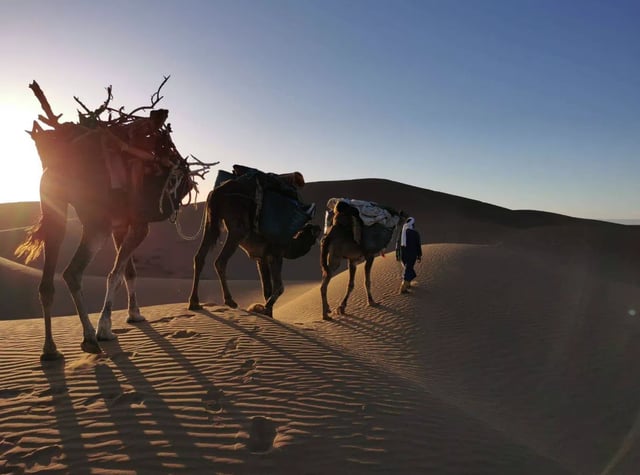
Central & Atlas Mountains, Morocco
À partir de €660
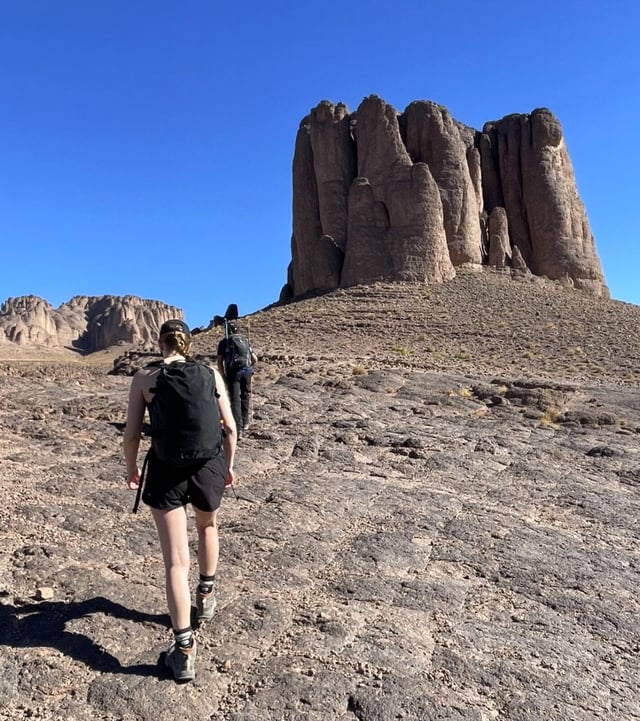
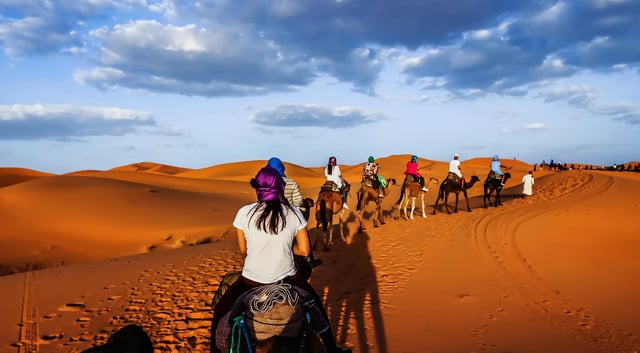
Central & Atlas Mountains, Morocco
À partir de €680
Central & Atlas Mountains, Morocco
À partir de $800
Central & Atlas Mountains, Morocco
À partir de $700
Central & Atlas Mountains, Morocco
À partir de $450
Central & Atlas Mountains, Morocco
À partir de $400
Central & Atlas Mountains, Morocco
À partir de $400
Central & Atlas Mountains, Morocco
À partir de $400