Certification

Certification
Ready to find a course or session?
Your first boat dive is a choreography problem disguised as a holiday. Where do you sit with kit on? Who enters first? How do you get back on board in swell without removing your fins at the wrong moment? Shore divers who only ever walked in from a beach can feel clumsy the first time a rib bounces and someone shouts terminology you half recognise.
PADI Boat Diver is a short specialty: eLearning is typically two to four hours, then two open water dives from a boat with your instructor. The course covers entries, exits, line handling, boat etiquette and the vocabulary deck crew actually use.
Most UK coastal diving is boat-based. If you trained inland in a quarry, this specialty closes a real gap before you join club trips or liveaboards where everyone else seems to know the unwritten rules.
Boat Diver is assessed on two open water boat dives. There is no separate written exam.
Quick answers about this qualification. For anything else, use live chat or browse bookable activities below.
Find activitiesIt is a PADI specialty with two open water dives from a boat. You learn boat terminology, diving etiquette, entry and exit techniques, and basic line handling so you fit smoothly into real charter operations.
Shore-trained divers often call this the course that stopped them feeling like they were in everyone's way on their first club boat day.
Open Water Diver or equivalent is the minimum. You do not need Advanced Open Water or prior boat experience.
Leave a comment when you book if you trained only in quarries and want a centre used to first-time boat divers.
eLearning is typically two to four hours. The two training dives often fit into one or two days depending on boat schedules and tides.
Coastal UK centres may spread dives across a weekend when harbour times are tight.
Weather and sea state cancellations are normal in boat diving. Reputable centres reschedule training dives rather than certifying you from shore-only sessions.
Check the listing or leave a comment when you book about backup dates and refund policy if the boat cannot sail.
That depends on the vessel your centre uses. Common methods include giant stride from a stable deck and backward roll from a rigid inflatable. Your instructor chooses techniques suited to the boat and conditions on the day.
The goal is a controlled entry with reg in and mask on, not a dramatic splash for the gallery.
Not necessarily for certification. Some centres include surface marker buoy practice; others focus purely on boat procedures. Many boat divers carry an SMB for ascents in tide.
Ask what the course covers when you book if SMB deployment is important to you.
It can be, especially on small ribs in chop. Eat lightly, stay hydrated, look at the horizon on the way out, and tell the crew early if you feel unwell.
Boat Diver training is easier when you are functional on deck. Medication works for some divers; ask a pharmacist if you are unsure what is safe with diving.
If you completed a boat Adventure Dive during Advanced Open Water, that may credit toward this specialty when you finish the remaining PADI Boat Diver requirements.
Bring your training record so your instructor can verify Adventure Dive credit.
Join club boat trips, book coastal charters and liveaboards with the procedures already familiar. Pair naturally with Deep Diver, Night Diver or Enriched Air Nitrox on boat-heavy itineraries.
Ten years old with junior diver limits. Very young divers may find ladder exits challenging on large swell; centres may suggest calmer days for junior training.
adventuro lists PADI centres running Boat Diver on UK coasts, Scottish sea lochs, and tropical charter hubs. Compare whether harbour fees, kit hire and boat fuel surcharges are included.
Training on the boats you will actually dive from locally beats a one-off resort tick-box if you plan regular UK sea diving.

Add PADI specialty certifications such as Nitrox, Deep, Wreck or Night Diver with local training dives in Cabo de Palos. From €95 per specialty.
From € 95
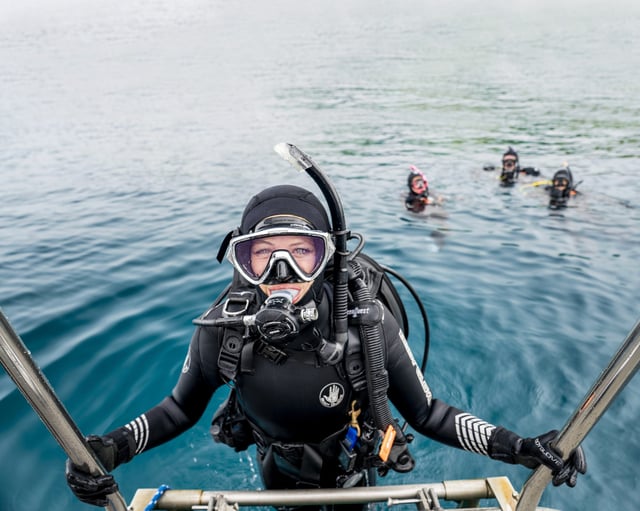
Learn boat-diving skills, SMB use, and safe entry/exit techniques across two dives from Dubai. Ideal for divers wanting confidence on varied boat types. From 780 AED.
From Dhs 780
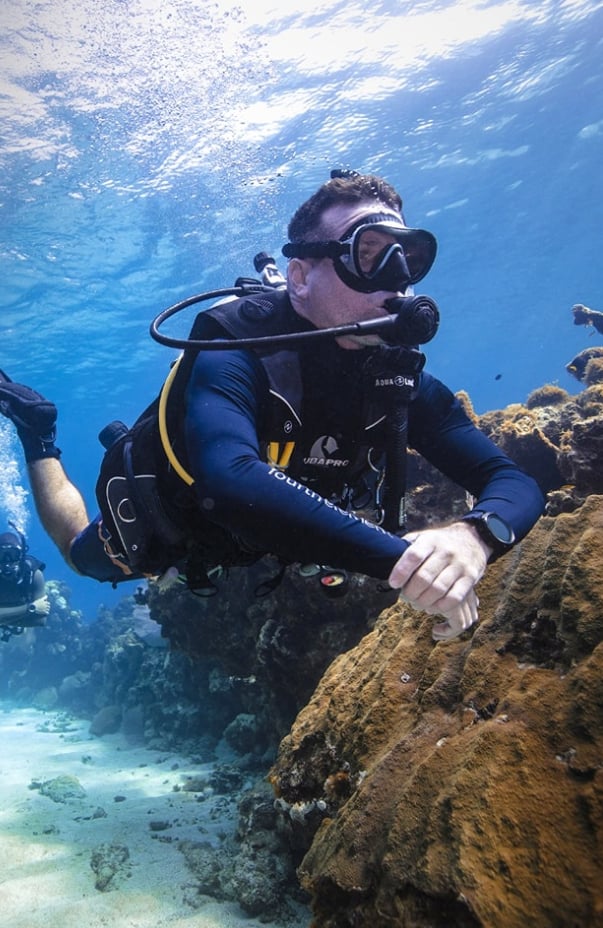
Develop your boat diving skills with our PADI Boat Diver course in Littlehampton Marina. From £350pp, includes training, equipment, and certification.
From £ 350