Certification

Certification
Ready to find a course or session?
Underwater Navigator is the PADI specialty that stops you surfacing twenty metres from the boat wondering where everyone went. You learn compass headings, natural navigation and distance estimation on three supervised open water dives, usually after short eLearning at home.
Navigation feels abstract on land. Underwater it is the difference between a relaxed dive and a long surface swim of shame. Your instructor drills reciprocal headings, square patterns and relocating a marker until the compass work becomes boring. That is the point.
Open Water Diver is the minimum. Comfort with basic buoyancy helps when you are counting kick cycles on a sandy bottom. Leave a comment when you book if you struggle with compass literacy ashore.
Underwater Navigator is assessed on three open water dives, not in a separate written exam.
Quick answers about this qualification. For anything else, use live chat or browse bookable activities below.
Find activitiesIt is a PADI specialty with three open water dives focused on compass and natural navigation underwater. You learn to find your way back to the boat or shore without surfacing to check GPS.
Low visibility makes these skills valuable on UK quarries and night dives alike. Your instructor sets simple patterns first, then adds complexity as your headings stabilise.
Many students book this specialty after getting lost on a fun dive once. That embarrassment is cheaper than a long surface swim.
Open Water Diver or equivalent is the minimum. Advanced Open Water is not required.
If you have not dived in months, ReActivate before adding navigation tasks. Leave a comment when you book if you are rusty.
Bring your certification cards if you trained abroad. Centres verify prerequisites before kit issue.
eLearning is typically two to four hours at home. Three training dives usually fit into one to two days.
Some centres spread navigation dives across two quarry visits to use different site layouts and build confidence.
Holiday courses may run three dives over a relaxed reef week when viz is kind.
Many centres rent compass boards for training. Owning a reliable dive compass helps afterward.
Ask whether your centre teaches with wrist compasses, slate-mounted units or both.
That is exactly when compass discipline matters most. Natural references disappear in silt; headings do not.
Students who struggle ashore often improve fastest with three focused dives and patient coaching.
No separate written exam. eLearning knowledge reviews plus practical navigation on three open water dives.
Your instructor signs off when patterns and relocations meet PADI standards reliably.
Yes. Open Water divers need Underwater Navigator before Search and Recovery Diver unless they hold Advanced Open Water.
Many club divers take both specialties in the same season.
The course focuses on compass and natural skills that work when electronics flood or batteries die. Computers complement navigation; they do not replace headings.
Your instructor may mention modern tools but assesses core compass work.
Navigate club dives with more confidence, pursue Search and Recovery, and pair with Night Diver where compass work is essential.
Navigation is a skill you maintain by practising, not a one-time card.
Ten years old with junior diver limits. Navigation demands attention; some centres prefer older juniors for compass-heavy dives.
Ask when you book if certifying a child.
adventuro lists PADI centres offering Underwater Navigator on quarries and coastal sites. Compare site layout, compass hire and whether dives are shore or boat based.
Simple quarry maps suit first navigation dives before jumping to complex reefs.

Add PADI specialty certifications such as Nitrox, Deep, Wreck or Night Diver with local training dives in Cabo de Palos. From €95 per specialty.
From € 95
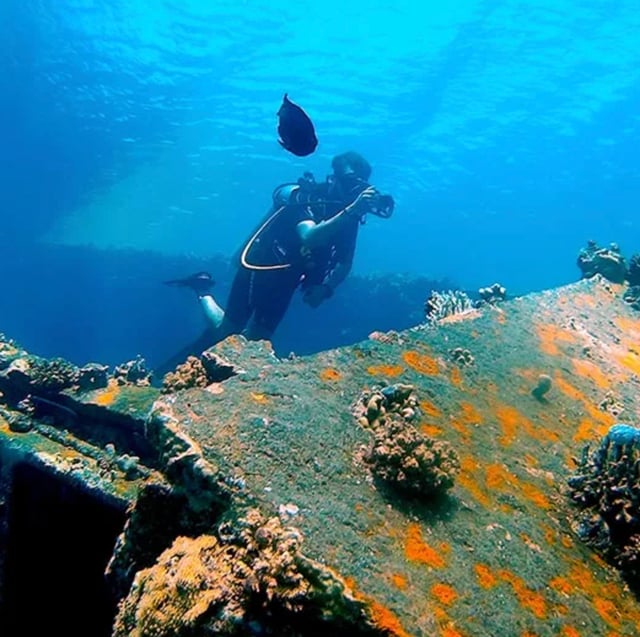
Develop precise compass control, natural navigation, and distance skills across three dives in Dubai. Ideal for divers wanting confidence finding routes underwater.
From Dhs 950
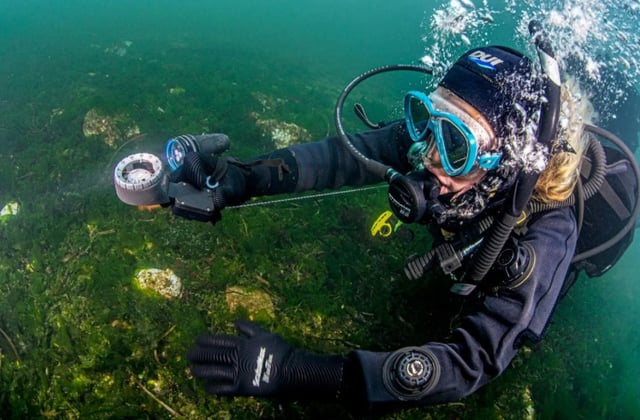
Improve underwater navigation and confidence with the PADI Underwater Navigator course at Littlehampton Marina, suitable for divers ages 10+. £275.
From £ 275