Destination Guides12 sept 2025-6 min de lectura
La historia del acueducto de Pontcysyllte
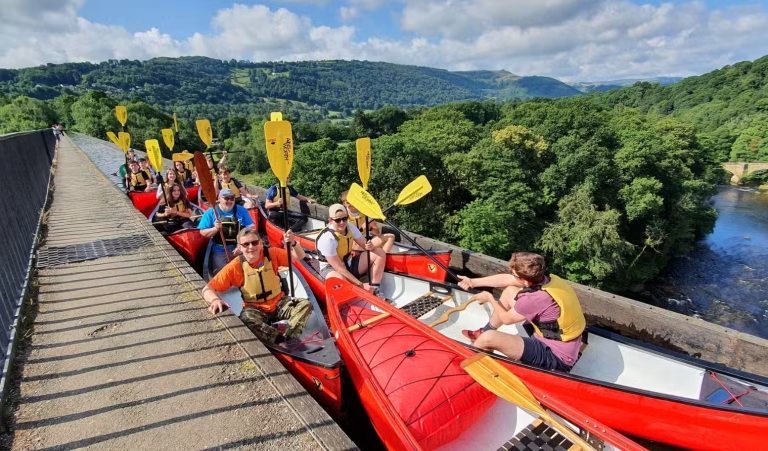
Descubre la historia del acueducto de Pontcysyllte, en el norte de Gales, y rema por el «arroyo en el cielo» con recorridos en canoa y kayak por adventuro.


Devon offers two stunning coastlines plus Dartmoor, with sea kayaking, paddleboarding, coastal hiking and climbing across South West England. Paddle the estuaries and the South West Coast Path's beaches, kayak around sheltered bays, hike Dartmoor's tors with a guide, and climb on sea cliffs and indoor walls. From relaxed family paddles to wild moorland expeditions, Devon's operators cater to every age and ability.
Devon is one of those places that takes kayaking seriously without making a fuss about it. Two contrasting coasts, Dartmoor's river network draining half of south-west England, and a string of sheltered estuaries that suit everyone from nervous first-timers to paddlers working towards their sea kayak leader qualification. It's not the most marketed kayaking destination in the country. It might be the best.
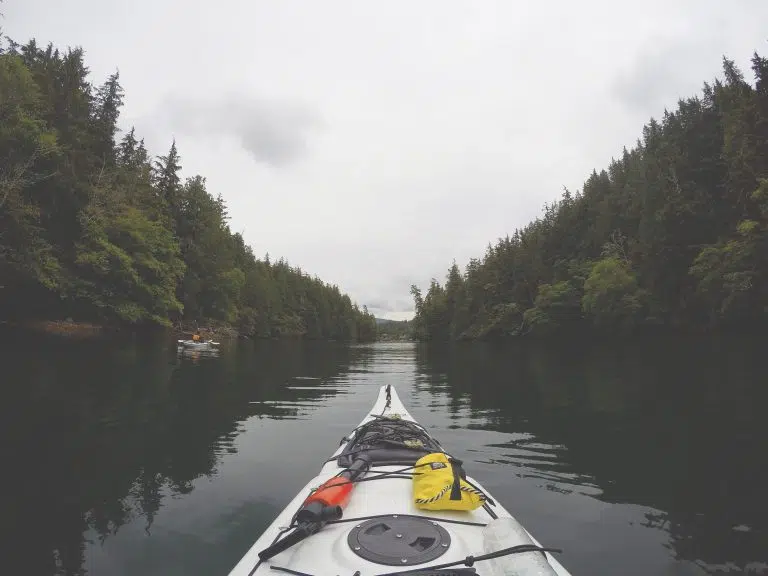
The south coast estuaries are the obvious starting point. The Dart between Totnes and Dartmouth is one of England's finest estuary paddles — wooded banks, river otters on a good day, and road noise absent in the best sections. The Exe between Exeter and Exmouth is broader, more open and backed by a nature reserve that's reliably good for birds. Salcombe Harbour and the Kingsbridge estuary are calmer still, sheltered from all but the most determined sou'westerly. For sea kayaking, the stretch of south Devon coast between Dartmouth and Salcombe is genuinely outstanding — remote coves, sea caves and sections of cliff that you simply cannot reach on foot. The north coast is a different matter: more exposed, more demanding, with the Taw–Torridge estuary near Barnstaple providing shelter when the Atlantic cliffs are unmanageable. Inland, the rivers Dart and Exe drop off Dartmoor through gorges and farmland — less dramatic than Wales or the Peak District, but reliably worthwhile.
If you're new to kayaking, start on an estuary. You'll learn more, faster, in conditions that don't punish mistakes. Sea kayaking — on the open coast, dealing with tides, swell and wind — requires a different set of skills and an understanding of the sea that takes time to develop. The good news is that Devon's instructors are well placed to take you from one to the other; the estuaries are the natural training ground for the coast. Most people who turn up for a beginner estuary session are paddling sea caves within a couple of seasons.
Several Devon operators run guided day tours on the south coast — typically launching from a sheltered cove and working along the headlands to a beach lunch spot before returning. These are ideal for competent paddlers who want to explore without the commitment of a navigation course. Multi-day coastal camping trips — paddling from cove to cove, camping above the tideline — are available with a handful of specialist providers and represent the best way to experience Devon's coast at its most remote. You'll need a decent level of fitness and some prior paddling experience; your guide will advise.
A typical beginner kayaking session in Devon runs two to three hours on a sheltered estuary or beach, covering basic forward paddle technique, turning strokes, launching, landing and what to do if you capsize. Most centres provide all equipment — kayak, paddle, buoyancy aid, spraydeck and wetsuit. Bring a swimsuit, old trainers (you will get wet feet), a towel and a change of clothes. Coaching sessions for improvers and beyond are available at most centres, covering tidal awareness, navigation, rough water technique and rescue skills.
May to September is the prime season for coastal and estuary kayaking — calmest seas, warmest water (14–17°C by August) and the longest days. Autumn often has excellent settled spells with sharper light and significantly fewer other paddlers. River kayaking on Dartmoor is often better in autumn and winter when rainfall keeps levels up; the rivers can be disappointingly low in a dry summer. If you're paddling in cold water, dress for immersion rather than the air temperature — wetsuits are fine above 10°C; drysuits are the sensible choice below it.
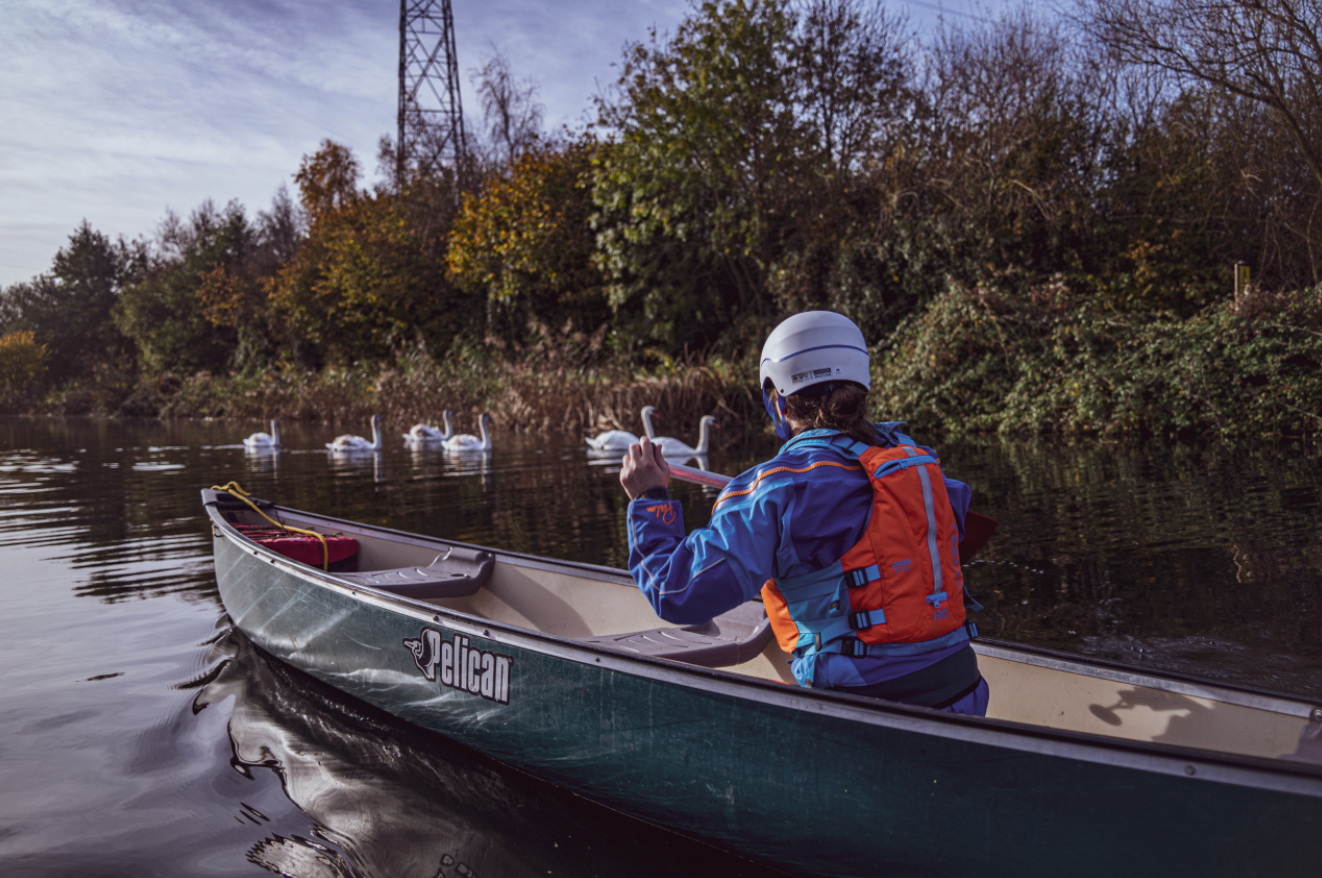
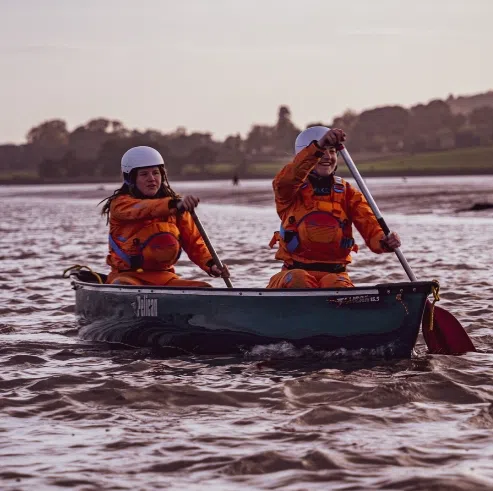
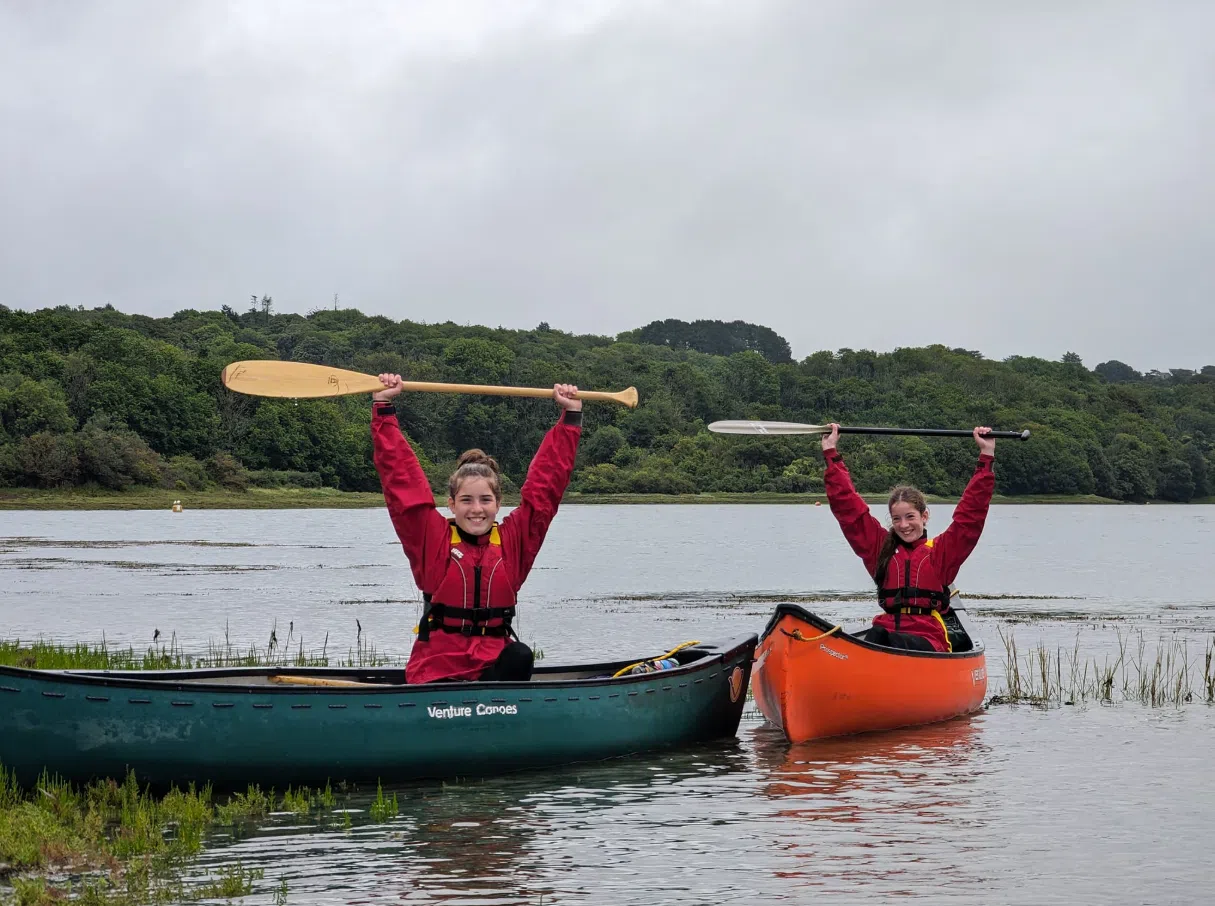
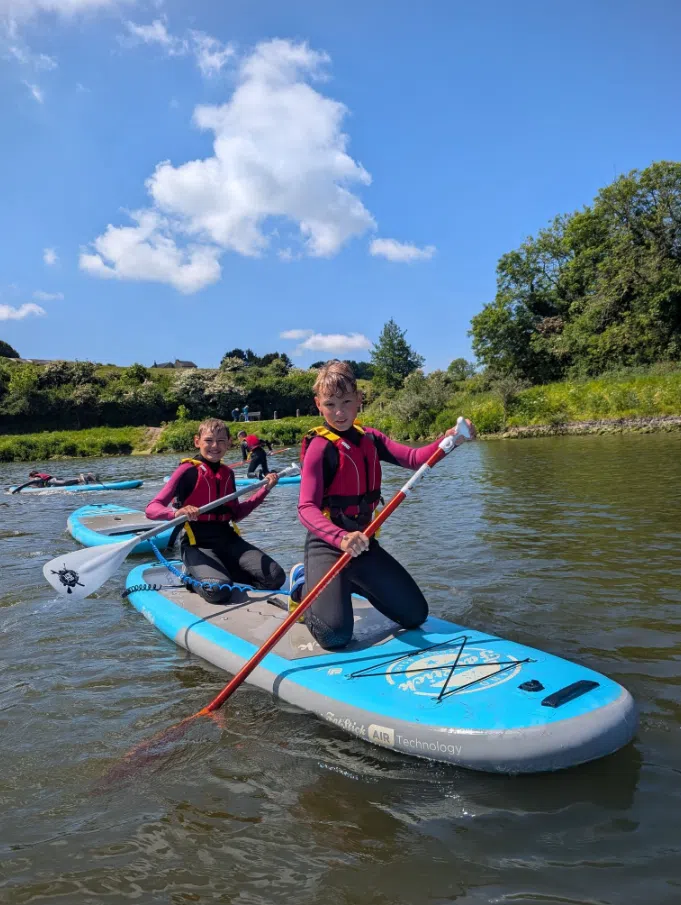
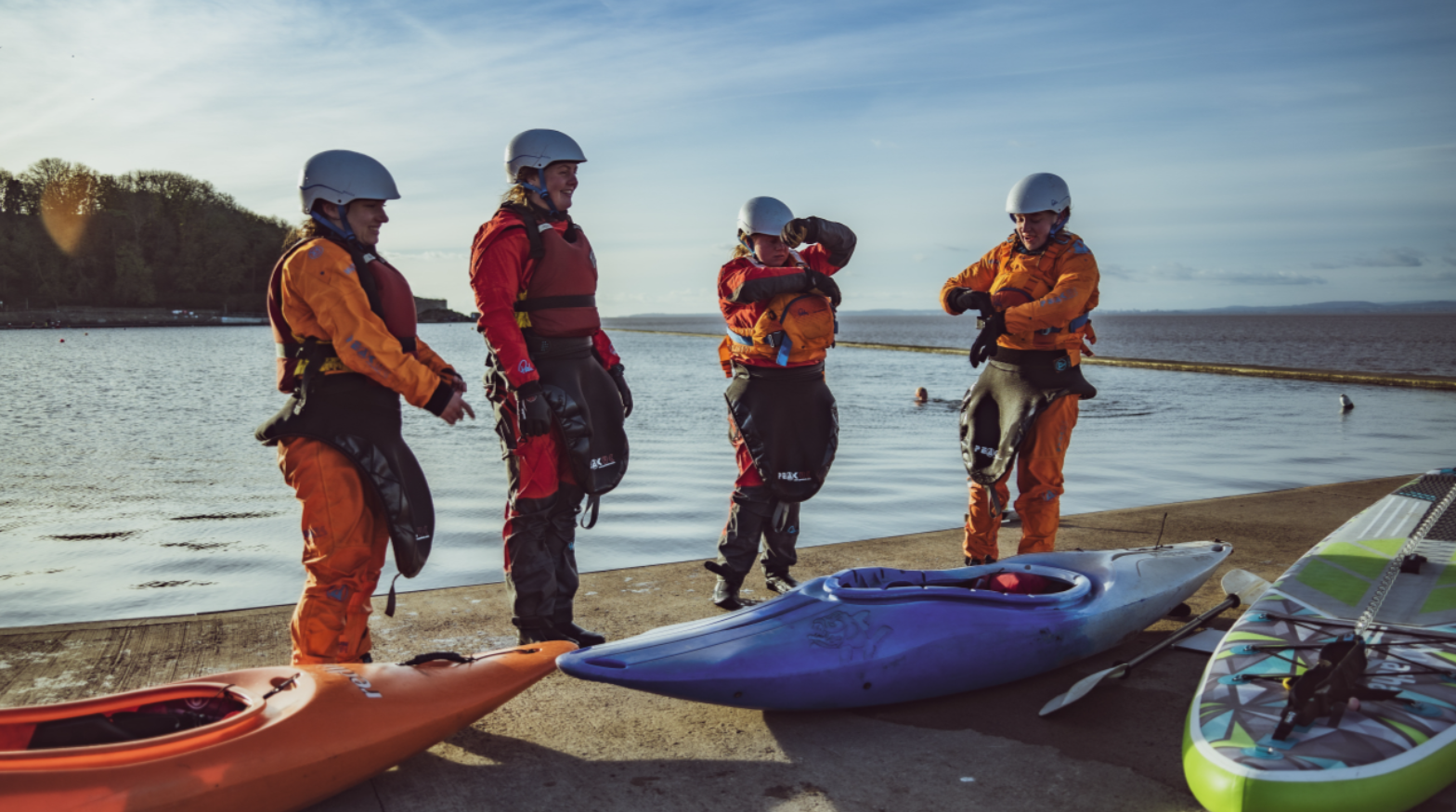
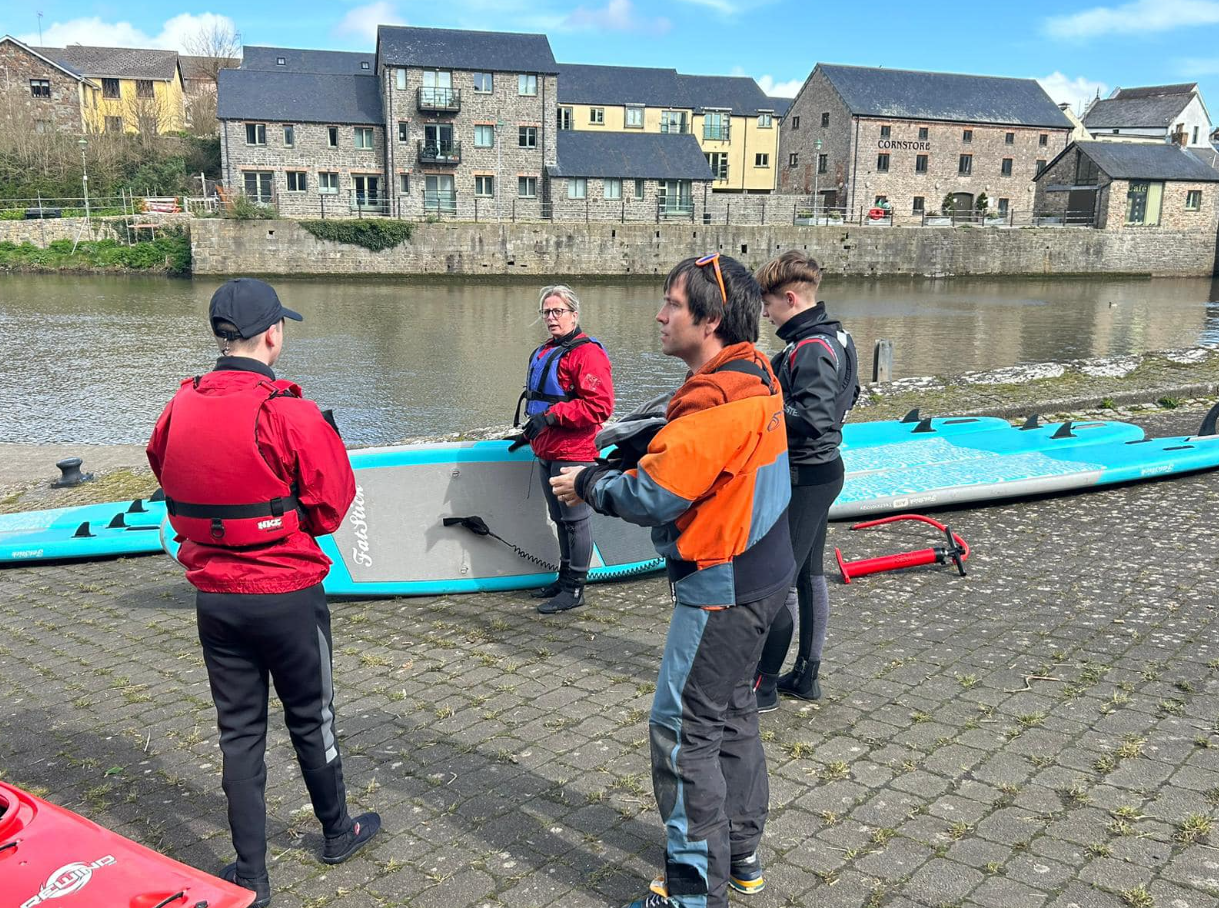
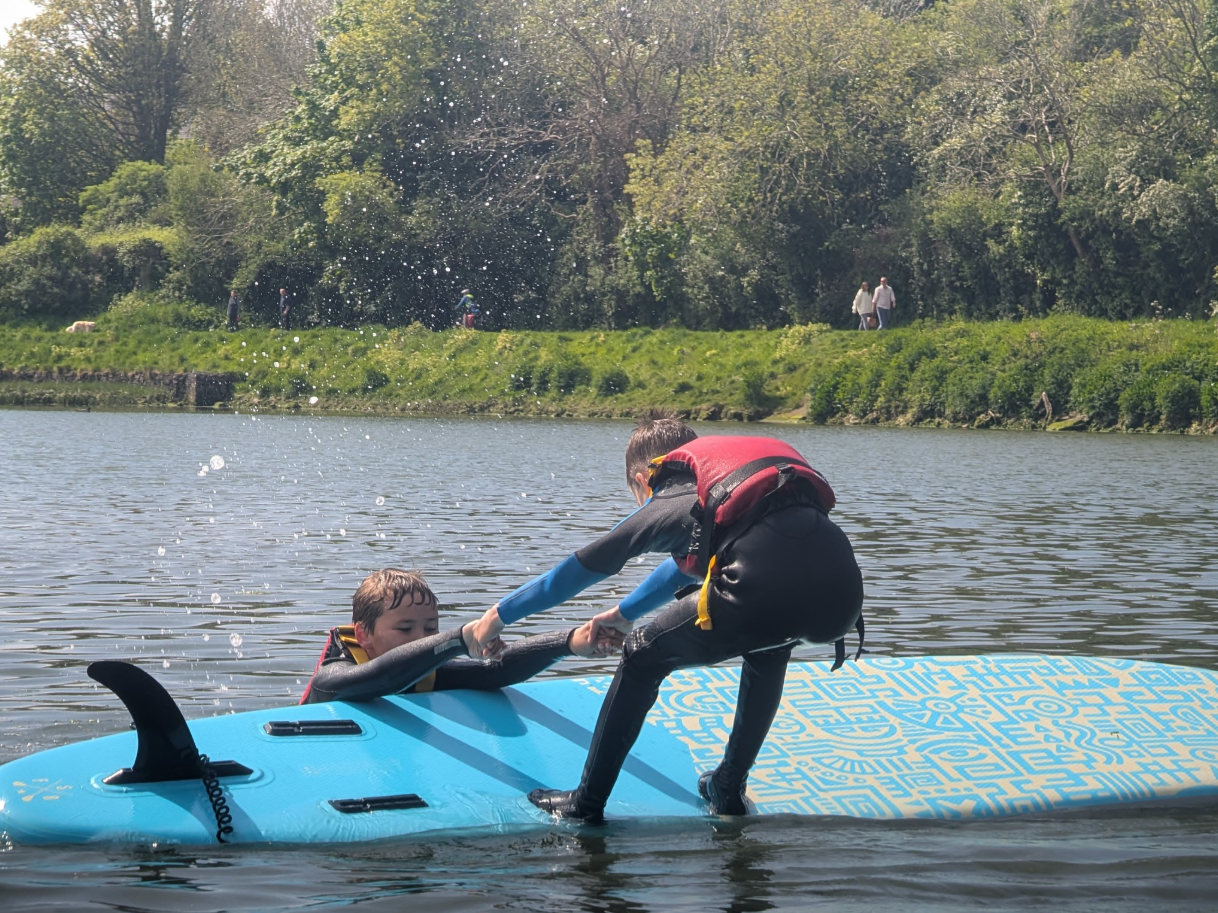
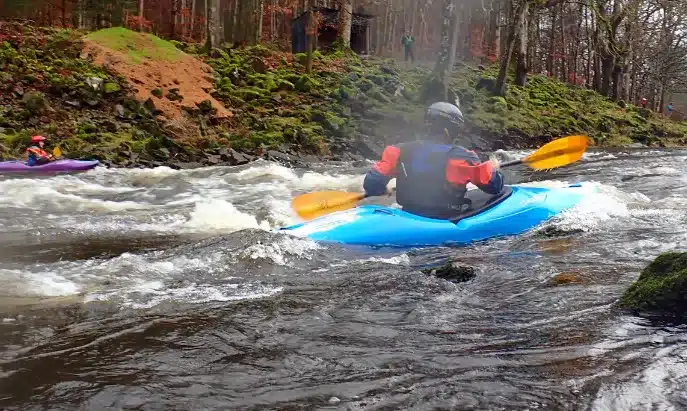
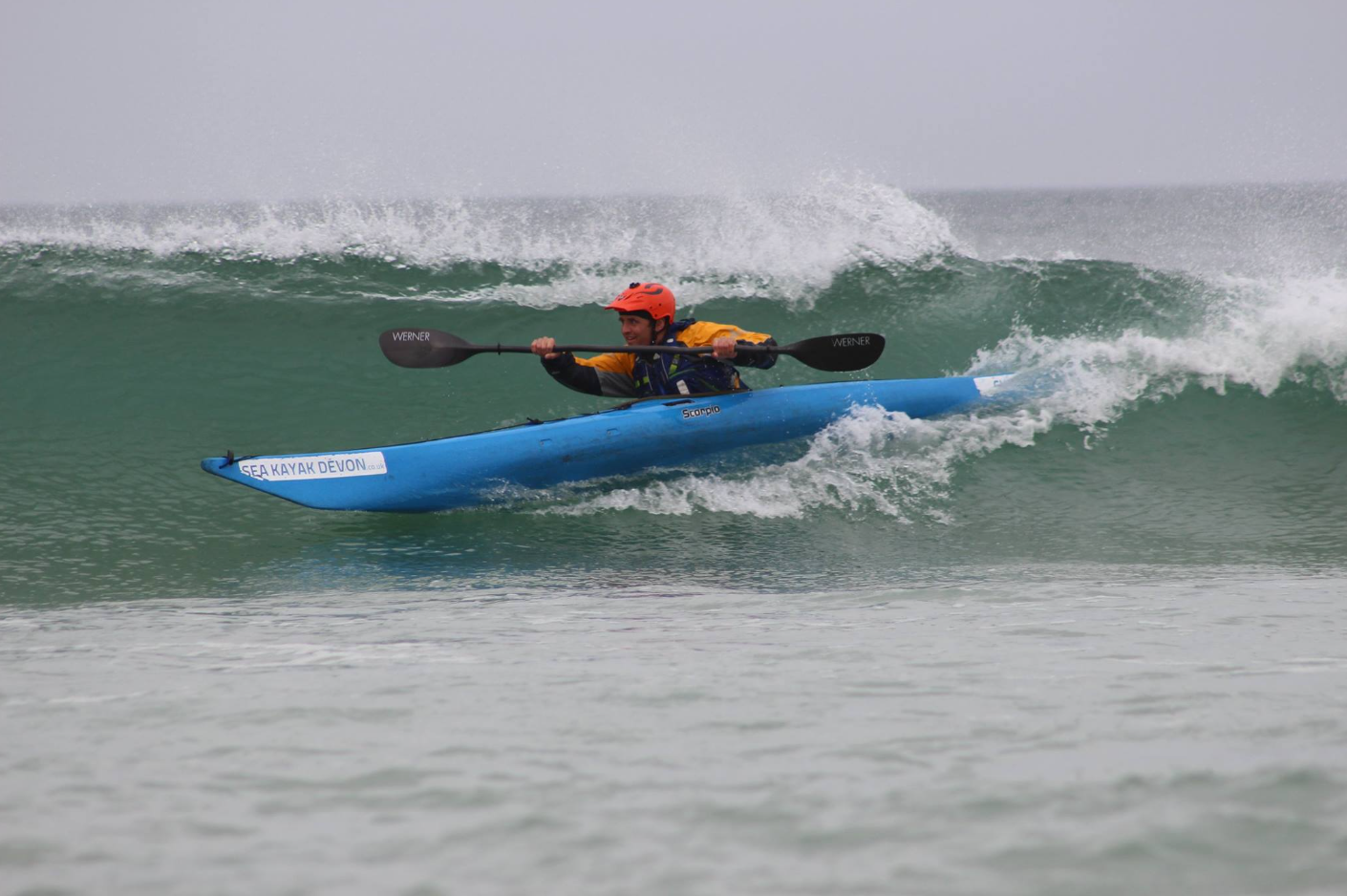
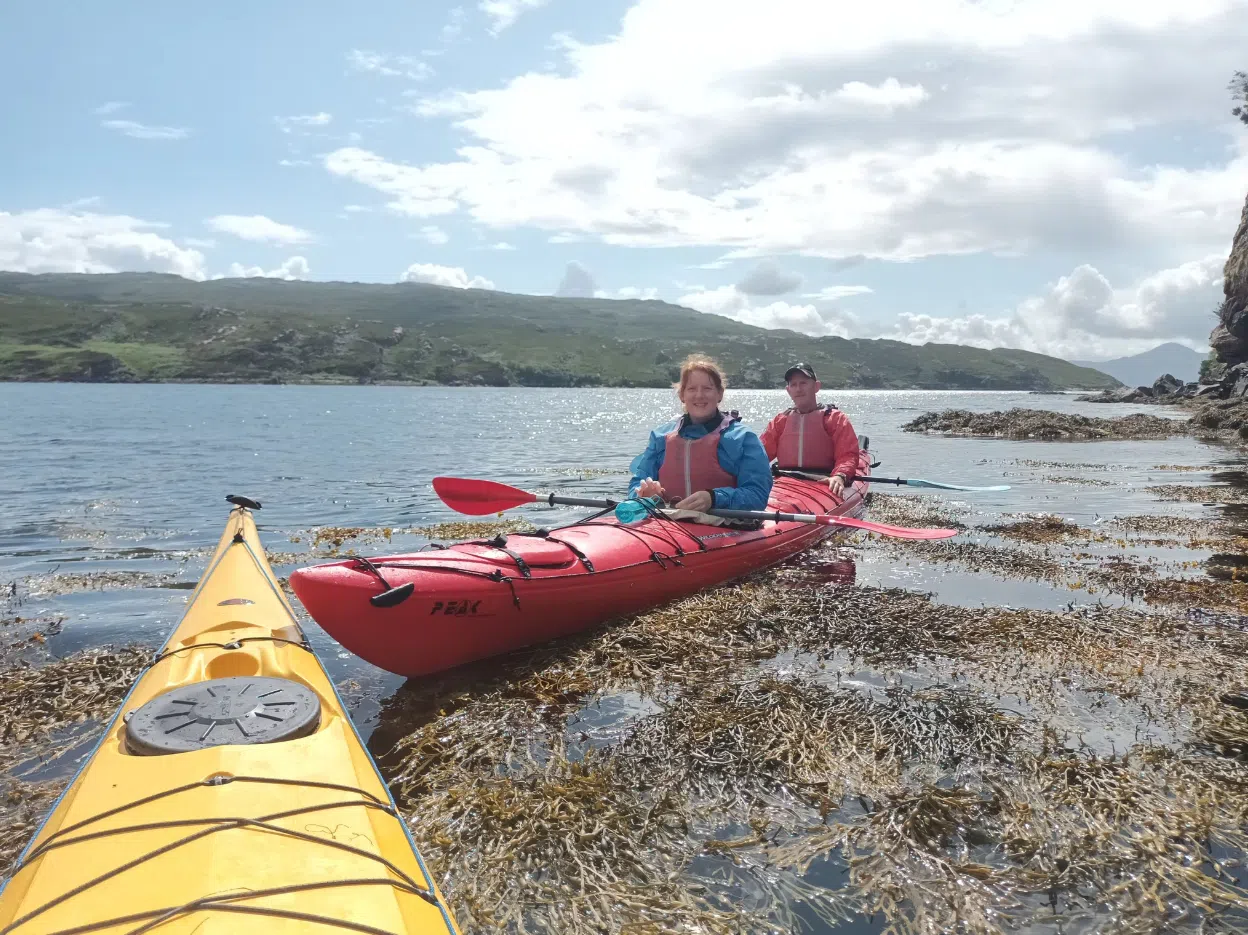
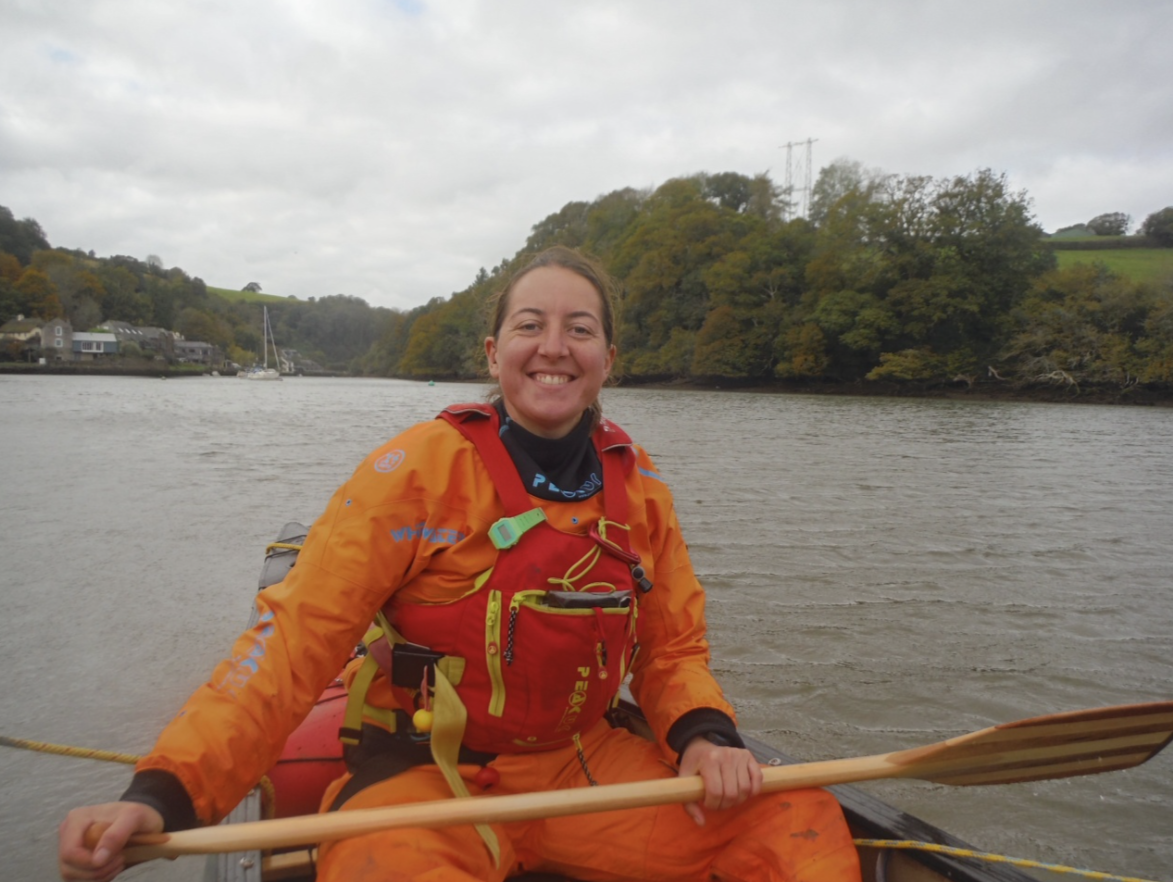
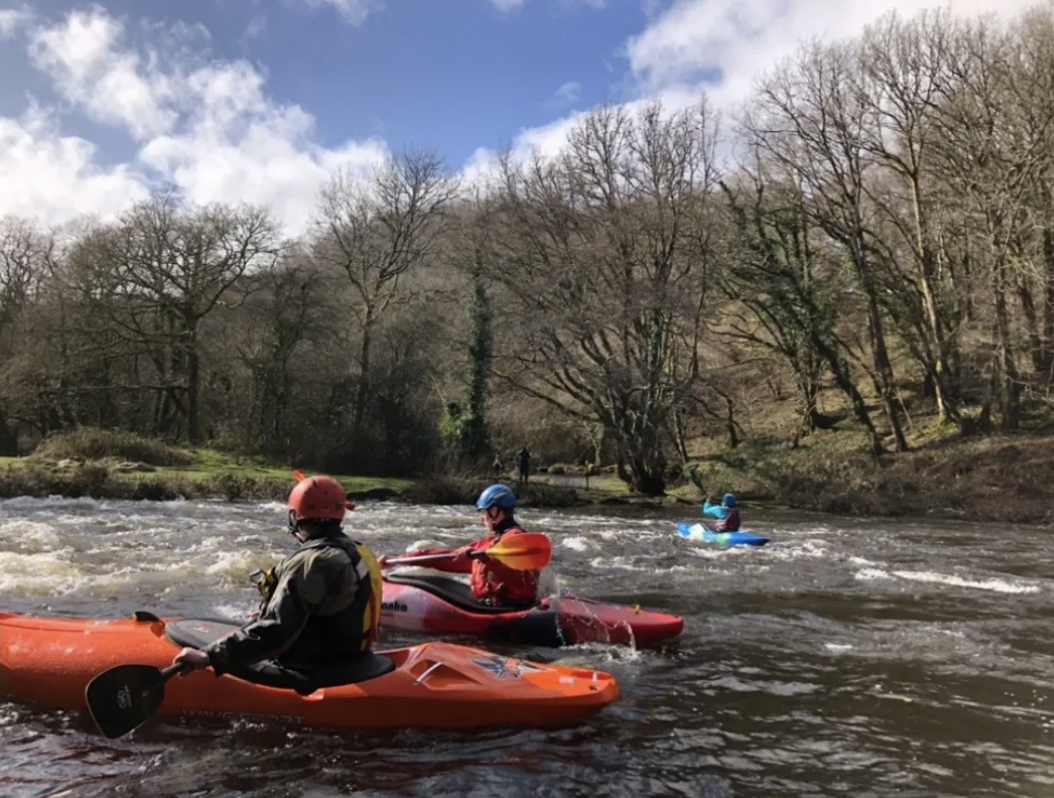
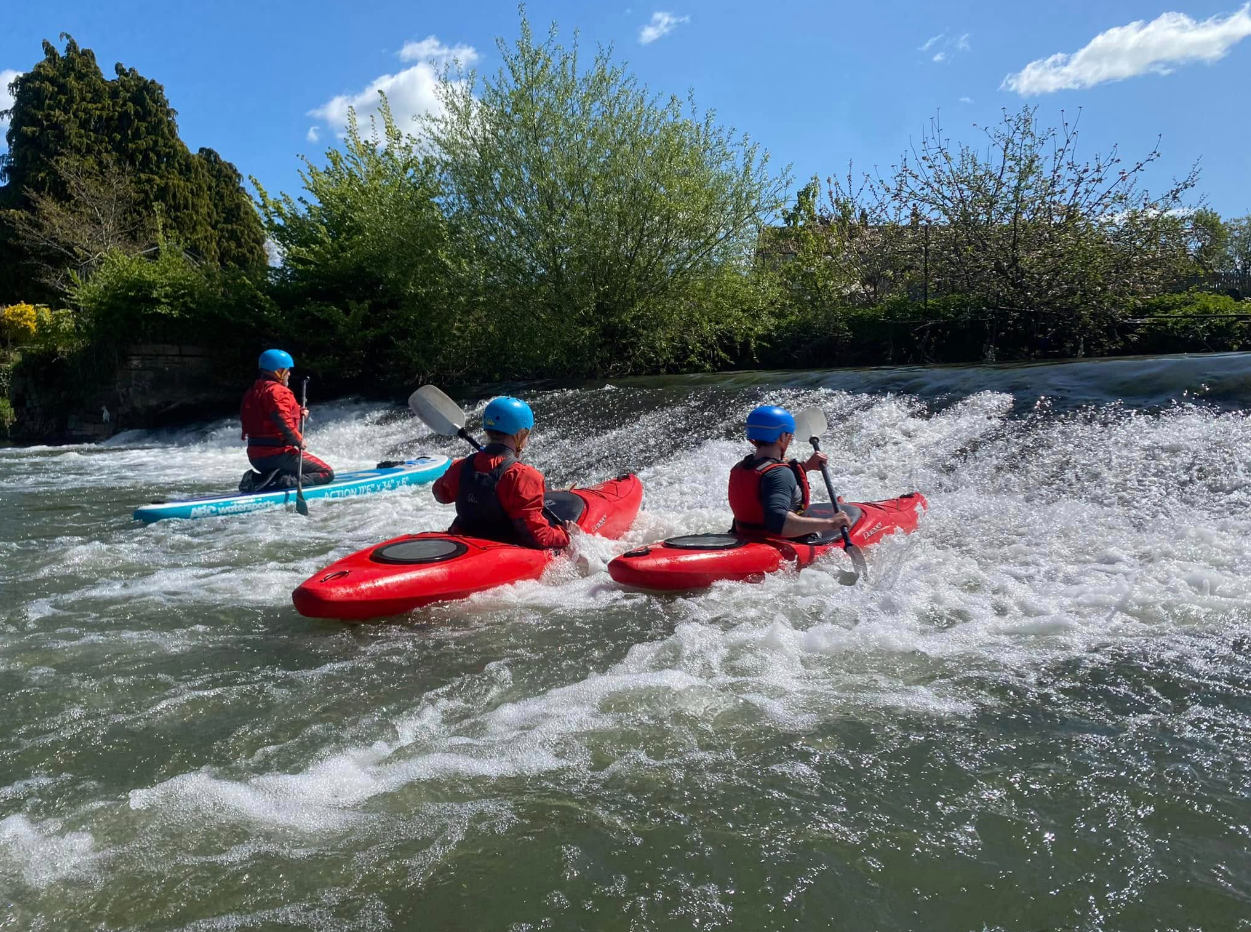
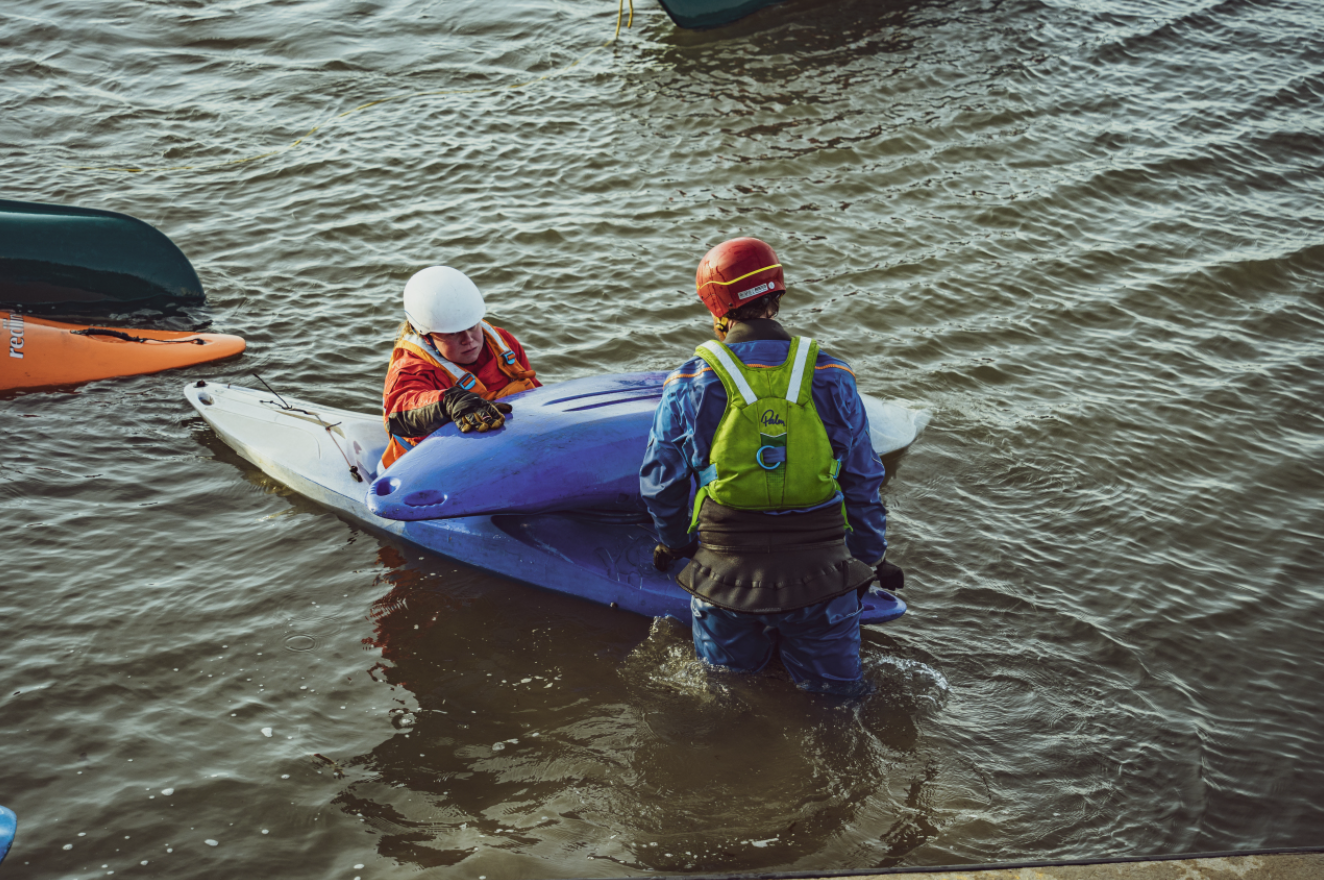
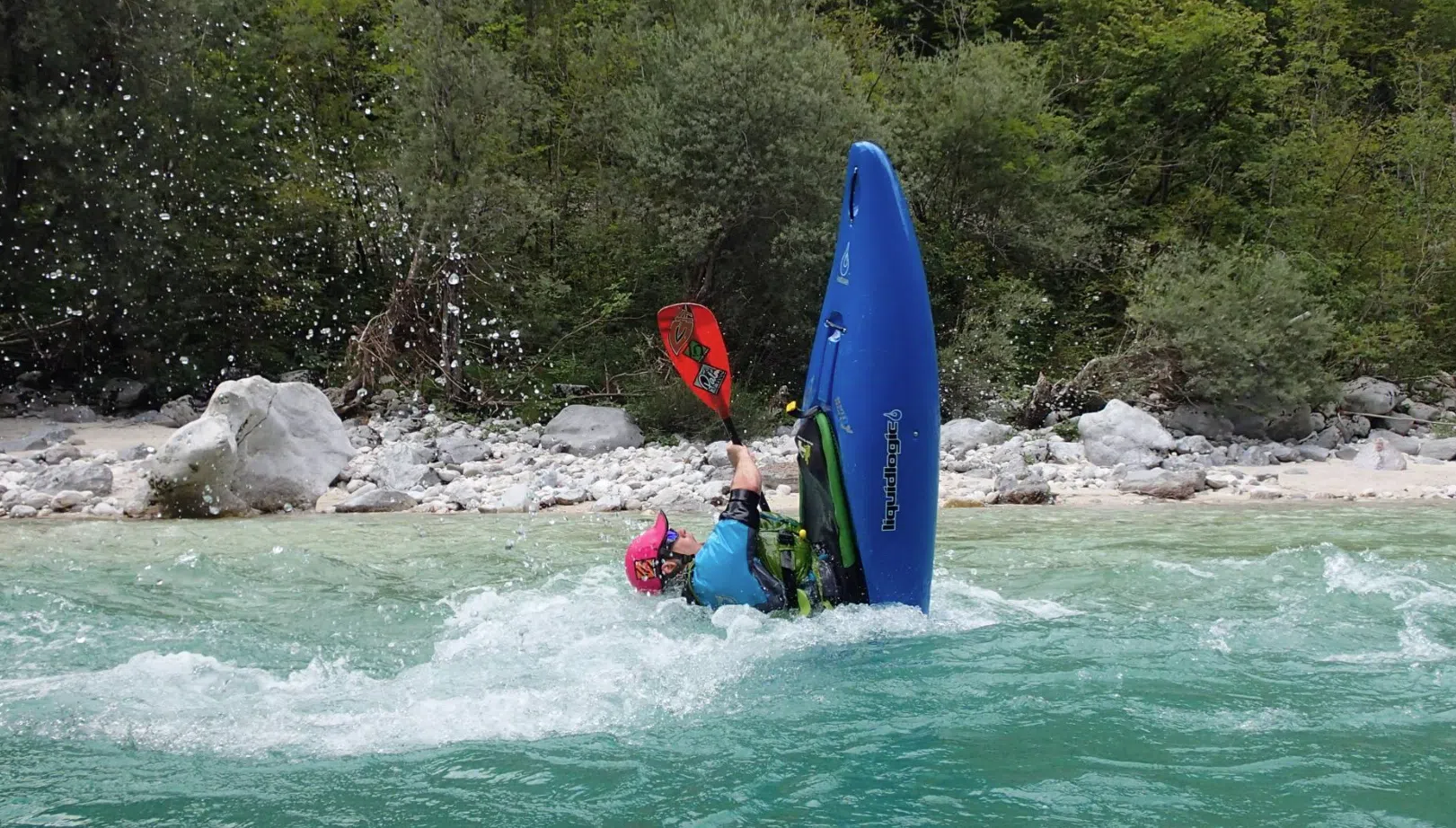
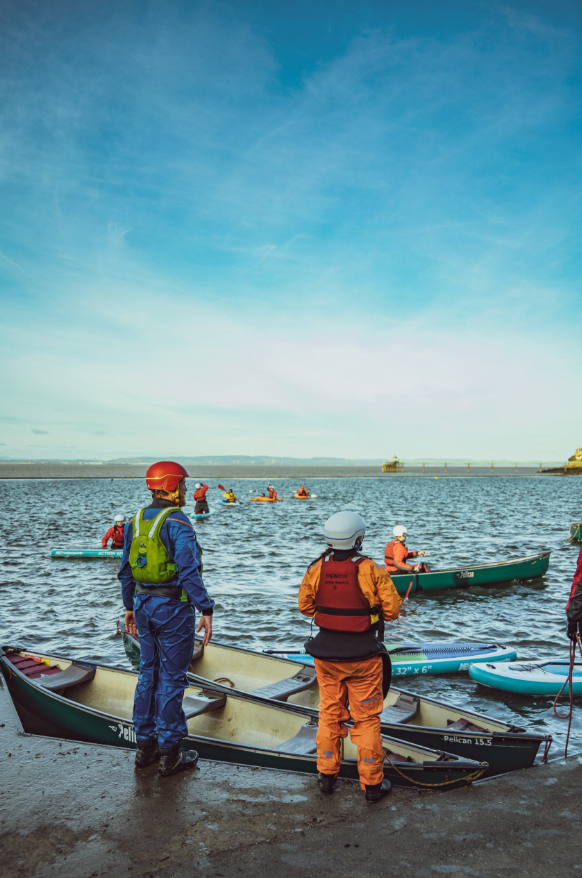

Guided sea kayak trip in Dartmouth for ages 12+. lasting 09:30-13:00 or 13:30-17:00. Explore secret coves and sandy beaches. No experience needed.
Desde £ 59

Experience a half-day sea kayaking adventure in Dartmouth, Devon. Suitable for ages 5+, explore coastal wonders with expert guides. Book online for a memorable family outing!
Desde £ 59
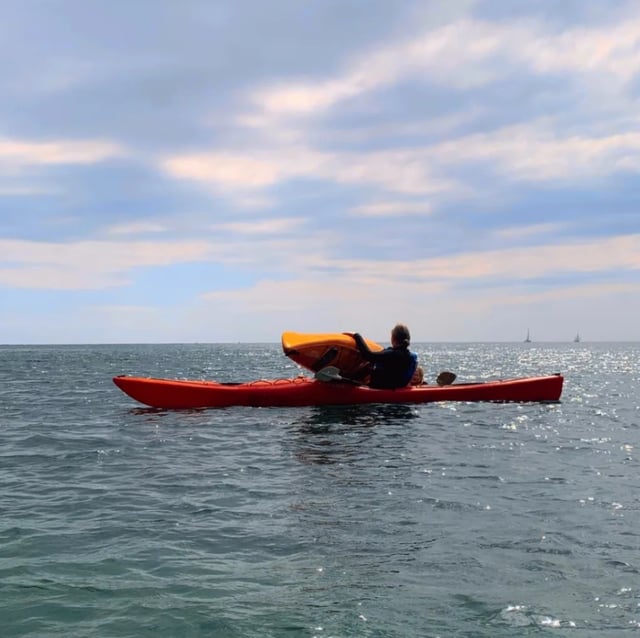
Beginner-friendly kayaking course in Dartmouth, Devon. 2 days, ages 17+, 9:30 AM - 4:30 PM. All equipment provided. Explore, learn, and enjoy!
Desde £ 225
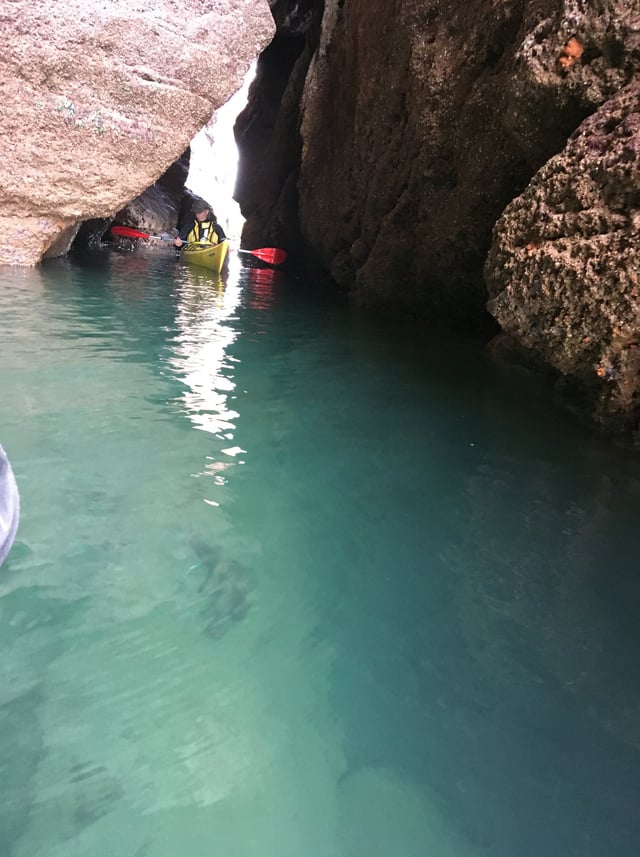
From £55, paddle a guided evening wildlife sea kayak from Oddicombe, with kit and time in the caves as the light drops.
Desde £ 55

Discover hassle-free paddleboard & kayak hire in South Devon. Choose from Pro, Premium & Standard boards. Delivery included. Book online now!
Desde £ 38
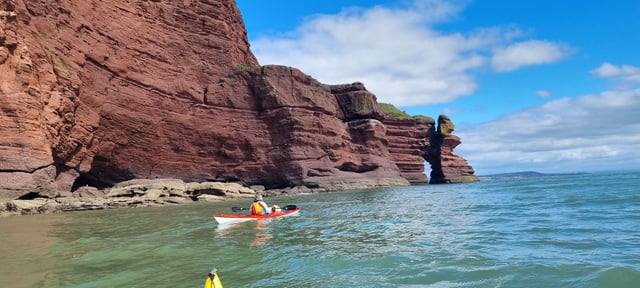
Sumérgete en la Riviera Inglesa y conoce a sus habitantes marinos y a los cetáceos que la visitan.
Desde £ 130

Descubre las maravillas de la costa en una expedición de 2 días en kayak y camping. £150, todo el mundo es bienvenido (14+). Plazas limitadas. Varias ubicaciones. ¡Reserva ahora una aventura inolvidable!
Desde £ 150
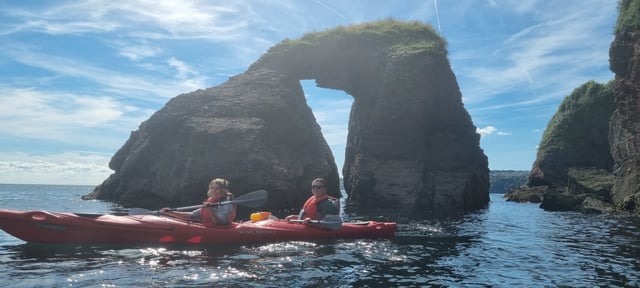
Desde £185, disfruta de dos días de formación intermedia en kayak de mar, con rescates, desembarcos en el oleaje y prácticas de gestión de incidentes en las aguas de South Devon.
Desde £ 185
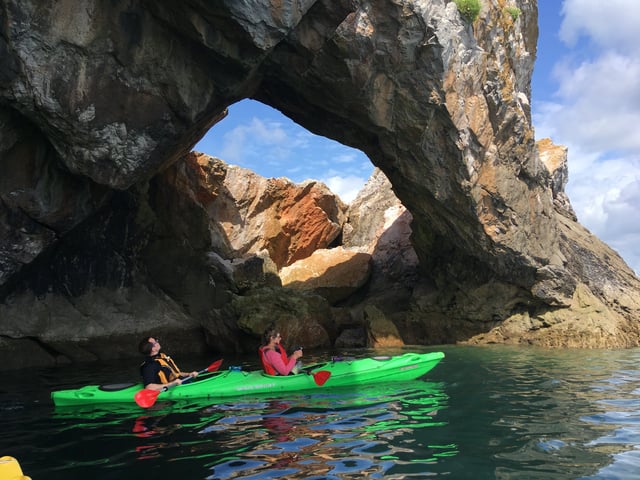
From £65, paddle a guided sunrise sea kayak from Oddicombe, with kit, a beach fire and hot drinks as the light comes up.
Desde £ 65
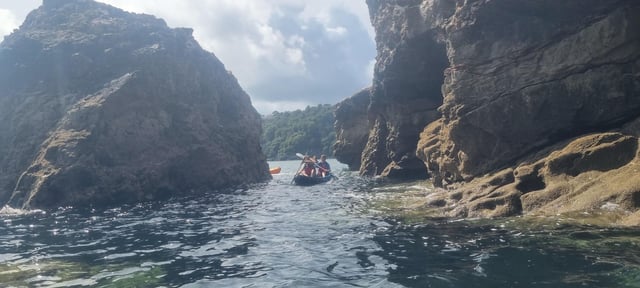
Desde £85, pasa un día completo iniciándote en el kayak de mar cerrado en Torbay, con embarcación, equipo y entrenamiento tanto en tierra como en el agua.
Desde £ 85
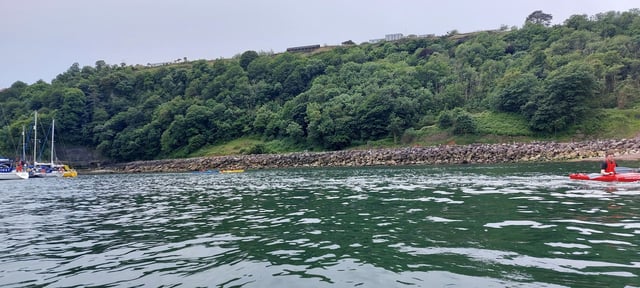
From £65, or £260 for a group of four, paddle a guided sunset forage around Thatcher Rock, with kit, wild food and a beach fire.
Desde £ 65
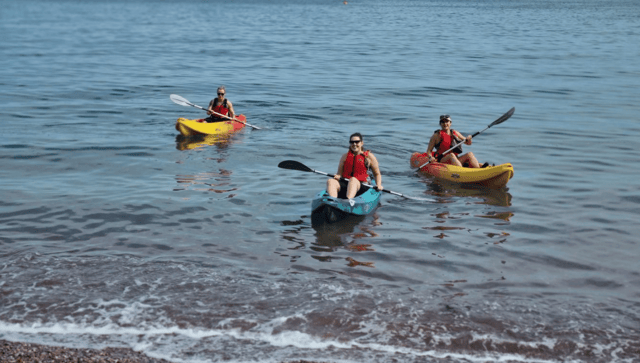
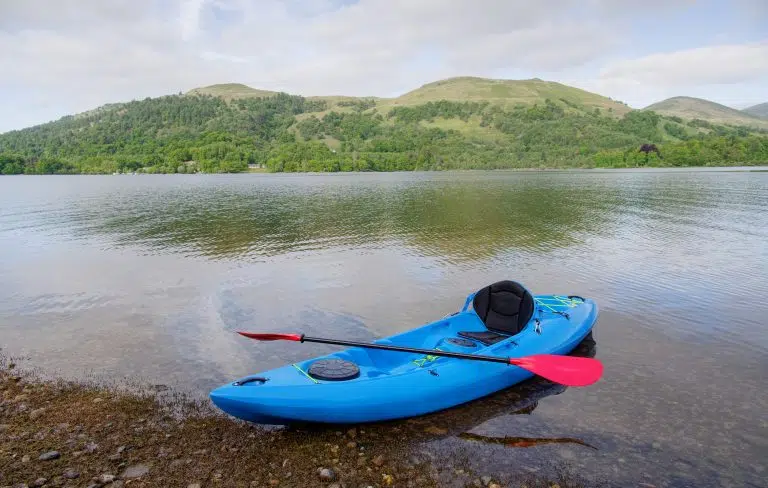
Our SOT kayaks are extremely stable and suitable for anyone from the age of 15 up. They come with a moulded back rest that is very comfortable....
Desde £ 15
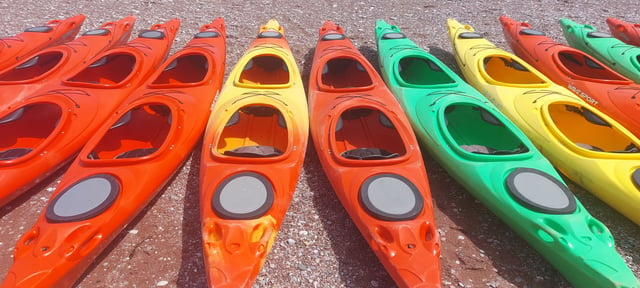
Desde £115, pasa un día de invierno en Lannacombe perfeccionando tu técnica de kayak de mar en olas, mar de fondo y aguas de marea.
Desde £ 115

Únete a nuestro curso de kayak de surf de 2 días en Bantham Beach, Devon, para mayores de 17 años. Todo el equipo está incluido. Perfecto para palistas con confianza que quieran mejorar sus habilidades.
Desde £ 225
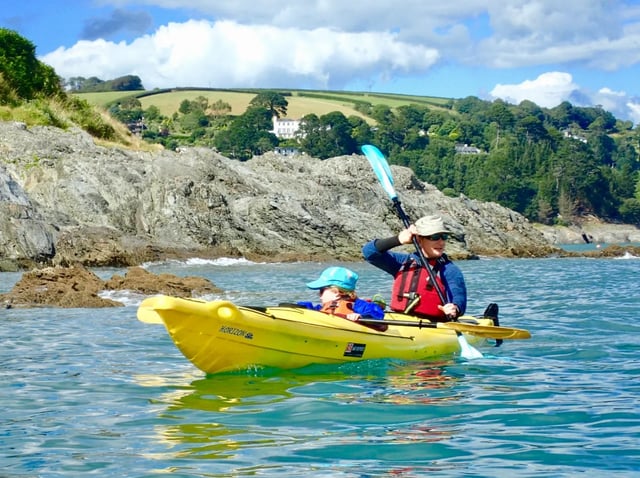
Explore sea kayaking in Dartmouth, Devon with our 2-day course. Ideal for ages 17+. Develop skills with expert coaches amidst beautiful coastal scenery.
Desde £ 225
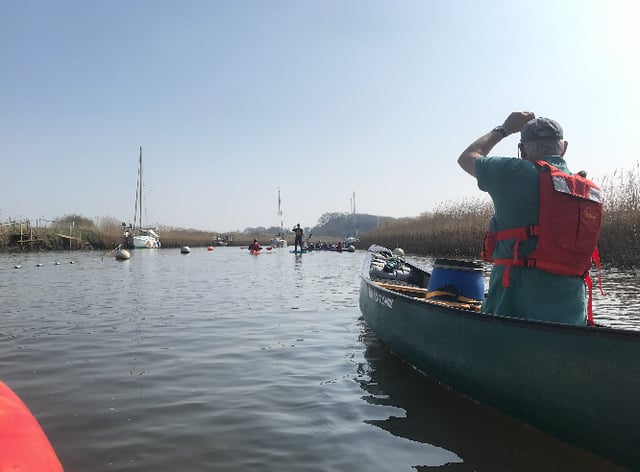
Become a certified Paddlesport Touring Leader! Join our 2-day training to lead mixed craft trips on moderate inland waters. Book online today!
Desde £ 220

Formación de 2 días para instructores de piragüismo de nivel intermedio por £220 en varias ubicaciones. Apto para adultos. Limitado a 6 participantes por sesión. Instructor: Dan.
Desde £ 220
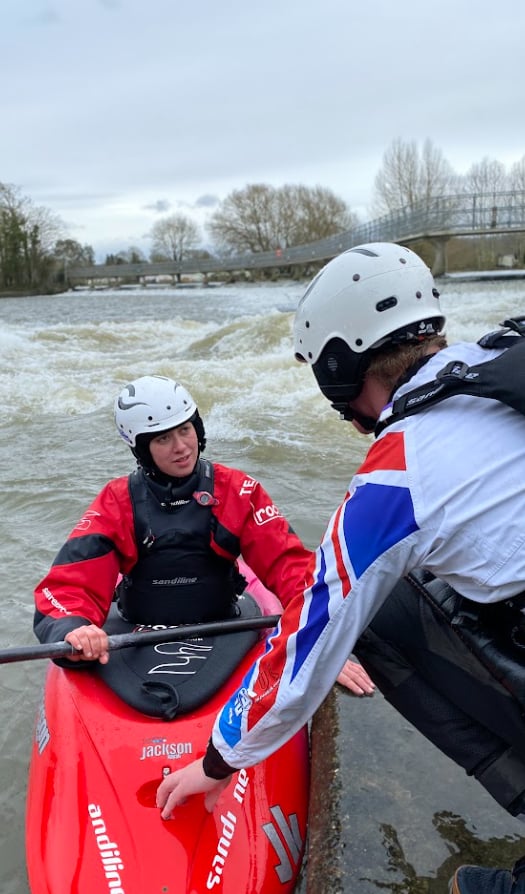
£220 | formación de 2 días | Varias ubicaciones | Edad: 16+ | Habilidades de nivel intermedio a avanzado | Aprende a entrenar piragüismo Freestyle con el instructor experto Dan.
Desde £ 220
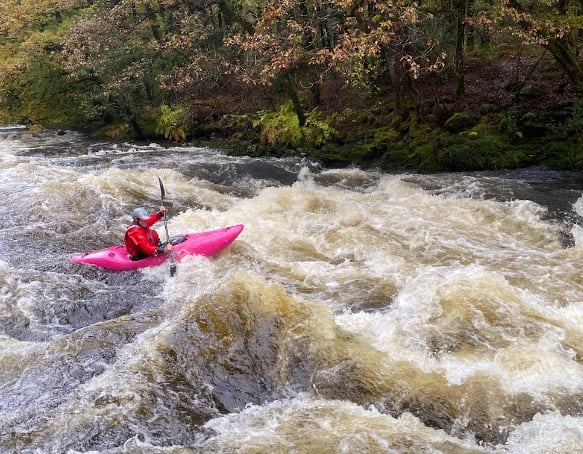
Join our 2-day adventure for £200. Explore multiple locations with expert guidance. Suitable for ages 16+. Limited spots available.
Desde £ 200

Showcase your expert white water kayaking leadership skills with our 1-day assessment. Led by Dan. Book now for certification and advanced training. £220 pp.
Desde £ 220