
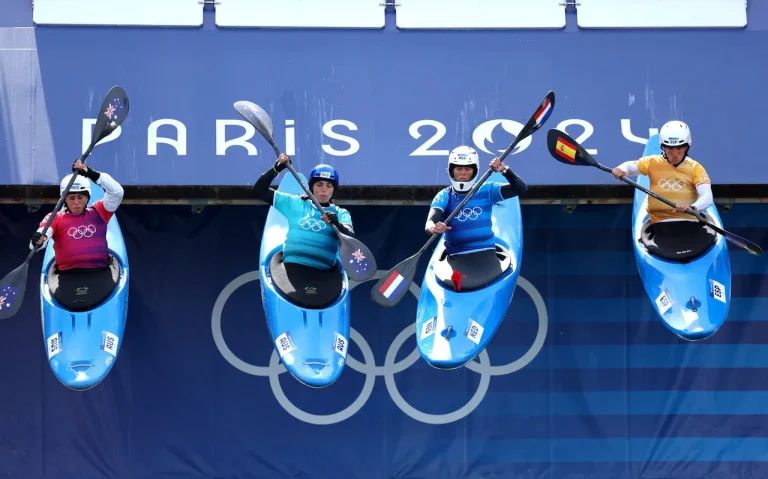
Kayak Cross Explained: Gear, Techniques, and How to Get Started
Kayak cross is a high-energy water sport that’s been making waves in the kayaking world. Multiple kayakers charging down a fast-paced river course, dodging obstacles, making tight turns, and competing head-to-head to be the first across the finish line, what’s not to love. It’s chaotic, it’s intense, and it’s quickly becoming one of the most exciting disciplines in competitive kayaking.
In recent years, kayak cross has grown in popularity, especially with its inclusion in major international events. It adds an extra layer of excitement to traditional slalom competitions and is now a crowd favourite at events like the ICF Canoe Slalom World Championships and most recently the Paris 2024 Olympics.
What is Kayak Cross?
At its core, kayak cross is all about speed and strategy. It’s a race where several paddlers (usually four at a time) compete on a whitewater course, navigating through rapids, gates, and various obstacles. Unlike traditional slalom races, where athletes compete one by one against the clock, kayak cross is a head-to-head battle. The first paddler to make it through the course and cross the finish line wins.
What makes kayak cross even more exciting is the unpredictable nature of the race. With multiple kayakers on the same course at once, there’s a constant risk of bumping into each other, missing gates, or even capsizing. The physicality of the sport, combined with the technical challenge of navigating fast water, makes every race a wild ride.
Kayak cross evolved from traditional slalom kayaking, but it adds a more aggressive and competitive twist. The sport’s roots can be traced back to informal races between kayakers on natural whitewater rivers, where competitors tested their speed and skill in a race setting. Over time, these informal races grew into a structured, competitive sport, and the courses became more controlled and packed with obstacles.
The sport has gained significant traction in recent years, particularly with the International Canoe Federation (ICF) adopting it as part of the ICF Canoe Slalom World Championships. Kayak cross has become a major highlight of these events, offering a thrilling spectacle that attracts both seasoned paddlers and casual viewers alike. Its inclusion in high-profile competitions has helped solidify kayak cross as a legitimate, fast-growing discipline in the world of water sports.
In short, if you’re looking for a sport that combines technical paddling skills with the excitement of a race and the unpredictability of whitewater, kayak cross might just be your new obsession.
Kayak cross may seem like a chaotic sprint through whitewater, but it’s governed by a clear set of rules designed to keep the competition fair and exciting. Whether you’re a seasoned paddler or just getting into the sport, understanding the basic structure and regulations can help you appreciate the strategy and skill that goes into each race.
Race Structure: Head-to-Head Racing
In kayak cross, racers don’t compete alone—they go head-to-head. Typically, four paddlers race simultaneously down a whitewater course, battling not only the rapids but also each other for the best position. Unlike traditional kayaking events, where paddlers race against the clock, kayak cross is all about being the first to the finish line. This adds a whole new level of intensity and unpredictability, as positioning, overtaking, and even avoiding collisions become crucial parts of the race.
Competitors start side by side, usually from a ramp that drops them straight into the rapids. From there, it’s a no-holds-barred dash to the finish, with paddlers manoeuvring through obstacles and gates while trying to outpace their opponents.
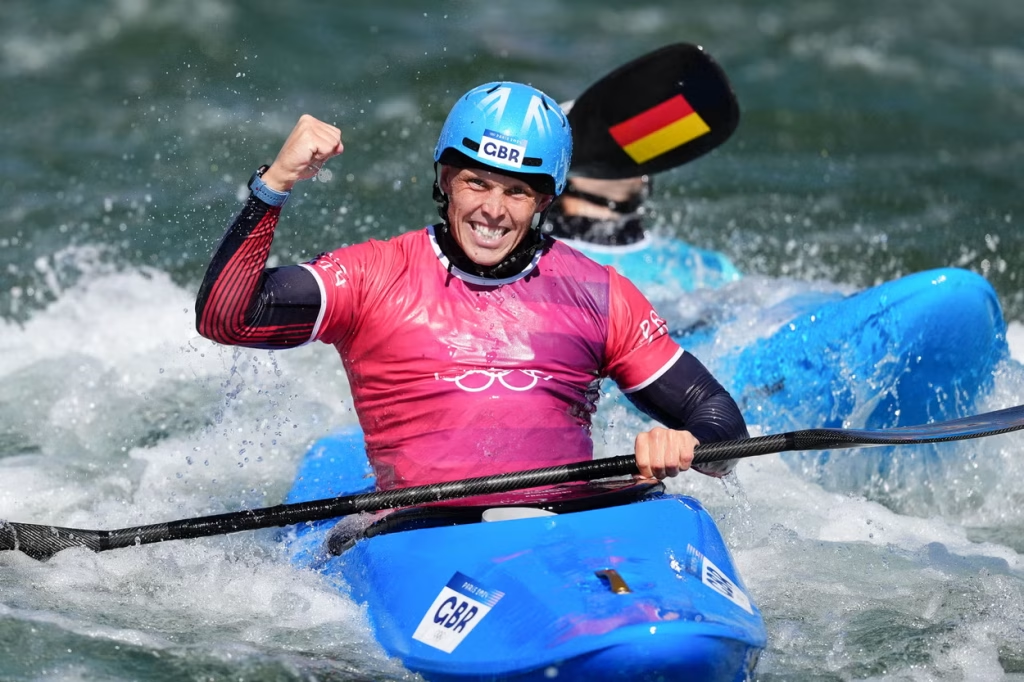
Course Layout: Rapids, Gates, and Obstacles
The course is designed to challenge not just speed but also precision and technique. Typically set on a whitewater course, the layout includes:
- Gates: These are poles suspended over the water that paddlers must pass through. Some gates are green and should be navigated downstream, while others are red, requiring an upstream turn. These gates test a paddler’s ability to make quick, sharp moves in fast water.
- Rapids: Naturally or artificially created, rapids add a layer of difficulty by making the water unpredictable and fast-moving.
- Obstacles: These can include eddies, rocks, or artificial barriers that force paddlers to navigate tight spaces or make sudden directional changes.
The combination of natural and artificial features makes each course unique, adding to the challenge of kayak cross. Courses can vary between regions—UK courses, for example, may be set on natural rivers like the Tryweryn in Wales, while international events might use artificial courses like those seen in the World Championships.
Key Rules and Penalties
Though kayak cross is fast-paced and physical, there are clear rules to ensure fairness:
- Touching or Missing Gates: Each paddler must pass through the gates cleanly. If you touch a gate, you’ll incur a time penalty (usually a few seconds added to your finish time). Missing a gate entirely can lead to disqualification or a more severe penalty, depending on the competition rules.
- Interfering with Other Paddlers: While kayak cross is a contact sport to some extent (paddlers are likely to bump into each other in tight spots), deliberately blocking or impeding another competitor can result in penalties. The rules allow for incidental contact, but aggressive behaviour or intentional interference is not tolerated.
- Obeying Race Officials: Race officials stationed along the course have the authority to impose penalties or disqualify paddlers for breaking the rules. This can include failure to navigate the course properly, unsportsmanlike conduct, or missing required gates.
- International Variations: While the basics of kayak cross remain consistent across competitions, there can be slight variations in rules depending on the country or event. For instance, European events tend to emphasise strict penalties for gate infractions, while some other international events might allow more leniency for minor touches. It’s always worth checking the specific rules of the competition you’re participating in.
Penalties
Penalties in kayak cross are primarily based on time. A time penalty is added for each gate touch (typically 2 seconds), which can easily push a paddler out of the lead in such a fast-paced race. Missing a gate might result in a 50-second penalty or outright disqualification, depending on the severity of the infraction.
To compete in kayak cross, having the right gear is essential. This sport demands equipment that can handle the intensity of fast-moving water, tight turns, and the occasional bump from other competitors. Here’s a breakdown of the gear you’ll need to get started.
Kayak
The kayak you choose for kayak cross needs to be specially designed for manoeuvrability and durability. Unlike touring or sea kayaks, which are built for longer distances, kayak cross boats are shorter and more compact, allowing for rapid turns and quick acceleration. They’re typically made from tough, impact-resistant materials, like polyethylene, which can withstand collisions with obstacles (and other paddlers!). Speed is important, but stability and the ability to react to the changing course are even more crucial.
Paddle
Your paddle plays a massive role in your control and efficiency. For kayak cross, you’ll want a lightweight paddle that can handle quick, powerful strokes. Carbon fibre paddles are often preferred due to their strength and minimal weight, which helps reduce fatigue during intense races. The paddle should also be short enough to offer the precise control needed for rapid turns and manoeuvres in tight spaces, but long enough to maintain good forward momentum in rough water.
Helmet, Life Jacket, and Safety Gear
Safety is key in kayak cross, so wearing the right protective gear is non-negotiable. A high-quality helmet is a must to protect your head from potential impacts with rocks, other kayaks, or obstacles on the course. Look for a helmet designed for whitewater sports that offers full coverage and impact resistance.
A buoyancy aid (or life jacket) is another essential. It should be lightweight and designed specifically for kayaking, allowing full range of motion without sacrificing safety. Choose one with multiple adjustment points so it fits snugly, as you don’t want it shifting during the race.
Don’t forget other safety gear like gloves (for grip and blister prevention) and spray skirts, which keep water out of your kayak while navigating through rapids.
The Importance of the Right Gear
In kayak cross, the right gear isn’t just about performance—it’s about safety and endurance. You’re navigating high-stakes environments, often at speed, and dealing with unpredictable water conditions. The more reliable and well-suited your gear, the better you’ll be able to focus on the race itself, confident that your equipment can handle whatever the course throws at you.
5. Techniques and Skills Required
Kayak cross isn’t just about powering through the water—it’s a sport that requires a mix of technical skill, physical fitness, and strategic thinking. Here’s what you’ll need to master to compete effectively.
Physical Strength and Agility
Kayak cross is physically demanding, so strength and endurance are crucial. You’ll need strong upper body and core muscles to maintain high-speed paddling and execute sharp turns. But it’s not just about brute force—agility plays a huge role too. The ability to react quickly to obstacles, sudden changes in the current, or the movements of other paddlers is key. A solid fitness routine focusing on strength, cardiovascular endurance, and flexibility will give you an edge in the water.
Kayaking Techniques
Kayak cross requires some specific paddling techniques to successfully navigate the course:
- Rapid Turns: Mastering quick, tight turns is essential for getting through gates and around obstacles. This involves a combination of precise paddle strokes and body control. The low-brace turn, for instance, is a common technique used in kayak cross to help execute fast, efficient turns.
- Obstacle Negotiation: You’ll need to be comfortable making quick adjustments to avoid obstacles like rocks or other kayaks. This includes using eddy currents to your advantage (moving into an eddy to take a break or reposition), as well as understanding how to read the water to anticipate the fastest lines.
- Bracing: Bracing techniques help prevent capsizing when you’re thrown off balance by rapids or collisions with other kayakers. High-brace and low-brace strokes are both essential for keeping you upright in rough waters.
Strategy and Positioning
While raw speed is important, kayak cross also requires a good deal of strategy. In a crowded course with multiple competitors, knowing how to position yourself is crucial:
- Starts Matter: The start of the race is often chaotic, with paddlers jostling for position. A fast, clean start can put you ahead and give you more control over your race.
- Course Navigation: Keeping a good line through the course is vital. You want to be fast, but also precise. Missing gates or crashing into obstacles can lead to time penalties or disqualification. Plan your approach to each gate in advance and anticipate where other paddlers might be.
- Managing Competitors: Kayak cross is a contact sport, and competitors will often try to out manoeuvre each other. Sometimes the best strategy is to avoid the crowd, while other times it’s worth fighting for position, especially near key gates.
In short, kayak cross demands a mix of physical power, paddling skills, and on-the-fly strategy. The more you practice, the better you’ll get at reading the course and managing the unpredictable nature of head-to-head racing.
6. Kayak Cross vs. Traditional Kayaking
Kayak cross offers a completely different experience from more traditional forms of kayaking. Here’s how it compares to other styles:
Kayak Cross vs. Slalom
While both kayak cross and slalom take place on whitewater courses and involve navigating through gates, the key difference is that kayak cross is a head-to-head race with multiple paddlers on the course at once. Slalom, on the other hand, is a time trial where each paddler races alone. Kayak cross adds the element of direct competition, which raises the stakes as you not only contend with the course but also with other paddlers vying for position.
Kayak Cross vs. Freestyle
Freestyle kayaking is all about performing tricks and manoeuvres on waves or in standing river features. It’s judged on style, skill, and difficulty. Kayak cross, in contrast, is purely about speed and strategy, with competitors focusing on crossing the finish line first while avoiding obstacles and gates. While freestyle rewards creativity, kayak cross values precision and quick decision-making in a high-stress race environment.
Kayak Cross vs. Touring
Touring kayaking is a leisurely, often long-distance form of the sport, where paddlers cover great distances on lakes, rivers, or open seas. It’s about enjoying the journey rather than racing to the finish. Kayak cross, by comparison, is a short, adrenaline-fueled sprint. The pace is frantic, and the technical demands of the course make it a much more intense and physically demanding activity than touring.
Adrenaline and Competition
The main appeal of kayak cross lies in its competitive nature. The adrenaline of racing against multiple paddlers in fast-flowing water makes it much more intense than traditional or leisure kayaking. It’s a sport where anything can happen—collisions, rapid changes in position, and sudden course challenges. For those seeking a high-octane version of kayaking, kayak cross provides that competitive rush.
7. Where Can You Participate in Kayak Cross?
If you’re eager to try kayak cross, there are several places where you can get involved, whether you’re looking for competitions or training grounds.
Popular Locations for Kayak Cross
- UK Locations: In the UK, you’ll find some great kayak cross spots at whitewater centres like the Lee Valley White Water Centre (used in the 2012 Olympics) and Canolfan Tryweryn in Wales. These artificial courses provide a controlled but challenging environment for racers.
- International Locations: If you’re travelling abroad, places like the Augsburg Eiskanal in Germany and the Pau-Pyrenees Whitewater Stadium in France are renowned spots for both training and competition.
Notable Competitions
- The ICF Canoe Slalom World Championships now feature kayak cross as a major event, attracting elite paddlers from around the world. The inclusion of kayak cross at this level has given the sport international exposure.
- Local and regional events are also becoming more common, with clubs around the UK and Europe hosting smaller kayak cross races. These are perfect for beginners looking to dip their toes into the competitive side of the sport.
8. Why is Kayak Cross Becoming So Popular?
Kayak cross has seen a surge in popularity in recent years, and it’s easy to see why.
Appeal to Adventure Sports Enthusiasts
For those who love adventure sports, kayak cross offers the perfect combination of speed, skill, and unpredictability. The head-to-head racing format is exciting, and the whitewater courses add an element of danger and thrill that you don’t get from other types of kayaking. The physicality, mixed with the mental challenge of navigating the course while competing with others, makes it a favourite for adrenaline junkies.
The Excitement of Competitive Racing
Unlike traditional solo kayaking events, kayak cross is all about direct competition. The fact that paddlers are racing side by side adds an element of excitement and drama. Whether you’re watching or competing, the fast pace and close-quarters action keep you on the edge of your seat.
International Exposure
Kayak cross’s inclusion in international sporting events, like the ICF Canoe Slalom World Championships, has helped the sport grow. With more viewership and coverage, the sport has gained a following both among paddling enthusiasts and the wider adventure sports community. It’s accessible to both seasoned paddlers and newcomers, which has broadened its appeal.
9. Getting Started: Tips for Beginners
If kayak cross sounds like your kind of sport, getting started is easier than you might think. Here are some tips to help you dive into this fast-paced world.
Lessons and Local Clubs
Most whitewater centres and kayaking clubs offer courses designed to introduce you to the skills needed for kayak cross. Start with beginner-level whitewater kayaking lessons to get a feel for paddling in moving water. Once you’re confident with the basics, look for clubs that offer kayak cross training or competitions. The UK is home to many local clubs that have embraced the sport, making it easy to find a place to practise.
Building Skills and Confidence
Before jumping into kayak cross, you’ll need to build up your kayaking skills:
- Whitewater Experience: You should be comfortable navigating rapids and manoeuvring through obstacles. Practise on slalom courses or other whitewater environments to sharpen your skills.
- Bracing and Rolling: Learn how to brace effectively and perform an Eskimo roll. In the fast-paced environment of kayak cross, capsizing is common, and being able to roll back up quickly can save you precious time.
- Speed and Endurance: Work on your paddling technique to build the strength and speed needed to compete. Remember, kayak cross is a sprint, and having both power and control is essential.
You can book whitewater courses here:
- Kayak Advanced – 2-Day River Skills Course – Newton Abbot
- White Water Safety Course – Cumbria
- Advanced White Water Kayaking – Cumbria
- 1-Day Private Coached Paddling Session – Newton Abbot
- 2-Day Intermediate Whitewater Kayaking Skills – Loughborough
- White Water Kayak Leader Training – Cumbria
- Paddle UK 2-Day Advanced White Water Safety – Newton Abbot
- Advanced Paddling Development Day – River Dart, Dartmoor
- Surf Kayak Coaching in South West Cornwall
Safety Tips for New Participants
- Wear Proper Safety Gear: Always wear a helmet and buoyancy aid (life jacket), and ensure your equipment is up to scratch.
- Start Slow: Don’t rush into competition. Get comfortable with whitewater kayaking first, then ease into the competitive environment.
- Know the Rules: Familiarise yourself with the rules of kayak cross to avoid penalties and stay safe during races.
- Stay Calm: In kayak cross, things can get chaotic quickly. Keeping a cool head and staying focused on your technique is key to performing well.