
The Ultimate Guide to Kayaking Waterway Etiquette
Sharing the water responsibly, being mindful of others, and minimizing our environmental impact are all part of being a “kayak strong” paddler.
Paddling and swimming through serene lakes, meandering rivers, or even the vast ocean is undeniably awesome. However, sharing these waterways requires a common understanding of the guidelines, ensuring safety, preventing conflicts, and protecting the fragile ecosystems we cherish.
Let’s delve into the essential principles of responsible navigation.
Essential Principles of Responsible Navigation
The Rules of the Road (or Water!)
When you’re out on the water, following the established rules not only helps avoid accidents but also ensures a smooth experience for everyone. These “waterway rules” are like traffic laws for boats, and knowing them will make you a safer, more confident paddler. Interestingly, the right of way on the water isn’t about who’s bigger, but about how maneuverable each vessel is and the activities they’re engaged in.
Let me break it down:
- Sailboats vs. Powerboats: When it comes to sailboats, if they’re using wind power alone (not their engine), they have the right of way over powerboats. Why? Because sailboats are less able to change direction or speed quickly compared to powerboats. A powerboat can more easily adjust course to avoid a sailboat.
- Non-motorised Craft (That’s Us!): As a kayaker, you’re in a non-motorised vessel, which means you typically have the right of way over both sailboats and powerboats. Kayaks, canoes, and paddleboards are more vulnerable and don’t have the speed or agility to dodge larger, faster boats, so it’s generally expected that motorised craft give us space. But that doesn’t mean you can let your guard down—you still need to stay aware and paddle defensively.
- Commercial vs. Recreational Vessels: Always give way to commercial vessels, like fishing boats or tour boats. These boats usually have specific routes and often can’t manoeuvre as easily as smaller, recreational boats. Plus, many commercial operations are subject to strict schedules, so it’s better (and safer) to stay out of their way.
- Crossing Paths: Here’s a simple but crucial rule—when two motorboats are crossing paths, the boat on the right (that’s the starboard side) has the right of way. If you’re paddling in a kayak and find yourself in this situation, even though you’re non-motorised, it’s a good idea to yield and ensure you’re not getting in the way.
Navigational Signals: The Silent Language of the Water
Boaters have a non-verbal way of communicating with each other, primarily through sound and gestures. These signals help prevent confusion and ensure safe passage in shared waters. Here are some common signals every paddler should understand:
Whistle Blasts
- One short blast: This signals that you intend to pass another vessel on the starboard (right) side.
- Two short blasts: This indicates your intention to pass on the port (left) side.
- Three short blasts: This signals that you are operating in reverse, known as astern propulsion.
These signals are especially common in busy or narrow waterways and help clarify intentions when visibility or verbal communication is limited.
Hand Signals
While whistle blasts are common among larger vessels, paddlers often rely on hand signals to communicate their intentions:
- Pointing in the direction you intend to turn (left or right) is a simple and effective way to signal your movements to others.
- Raising an arm or a paddle straight up is a common way to signal a stop or attract attention.
Mastering these basic signals ensures that you’re able to communicate with other boaters, improving safety and coordination on the water.
Additional Navigational Signals: Expanding Your Knowledge on the Water
Understanding more advanced navigational signals can enhance your safety and awareness when kayaking or boating, particularly in areas with larger vessels or challenging conditions. Here are some additional signals you may encounter:
Lights
Navigation lights are crucial for identifying the type, size, and movement of vessels, particularly in low visibility or night-time conditions. Knowing how to interpret these lights helps you understand the traffic around you:
- Red and green sidelights: Indicate the port (left) and starboard (right) sides of a vessel. When you see both lights, the vessel is coming towards you.
- White stern light: Shown from the back of the vessel, this indicates that the boat is moving away from you.
- Masthead light: A white light visible from the front or sides, which is required for powered vessels.
- Flashing or special-purpose lights: For example, a flashing yellow light may indicate a tugboat or vessel involved in towing.
Understanding these lights can help you determine a vessel’s size, direction of travel, and even whether it’s a commercial or recreational boat.
Shapes
Day shapes are visual signals displayed during daylight to communicate a vessel’s operational status. While these are most often used by larger vessels, kayakers and paddlers can benefit from recognising them:
- Black ball: This indicates that the vessel is anchored and not moving.
- Two black balls (or a vertical line of shapes): This means the vessel is “not under command,” meaning it can’t maneuver as expected due to some mechanical issue.
- Cone or diamond shapes: Often used to indicate vessels that are restricted in their ability to maneuver, such as fishing vessels, tugboats, or vessels towing other boats.
Familiarising yourself with these signals can help you make better decisions about when to give way or adjust your course.
Flags
Flags are versatile and used for a variety of purposes on the water:
- Diver Down Flag: A red flag with a white diagonal stripe, or a blue and white Alpha flag, signals that divers are in the water nearby. Stay well clear of these areas to avoid accidents.
- Distress Flags: The international code flags for distress (such as the orange signal flag with a black square and circle) indicate a vessel in trouble. Respond appropriately by offering help or notifying the relevant authorities.
- Country and Activity Flags: Vessels may display flags to show nationality or special activities, such as commercial fishing or piloting services. Understanding these can help you gauge the purpose of a vessel and whether special rules apply.
Sound Signals in Fog
In poor visibility conditions, such as fog, sound signals become the primary means of communication between vessels:
- One prolonged blast: Signals a vessel underway (moving) in the fog.
- Two prolonged blasts: Indicates a vessel that is not moving, like a boat stopped in the water.
- Five or more short blasts: Used as a danger signal, meaning something is wrong, or a vessel is unsure of your intentions.
These signals, which include horns, bells, or gongs, are often used by larger boats but can be essential for kayakers to recognise and react to in low-visibility situations.
It’s important for all boaters, including kayakers, to familiarize themselves with these signals to ensure safe and responsible navigation on the waterways.
Collision Avoidance 101
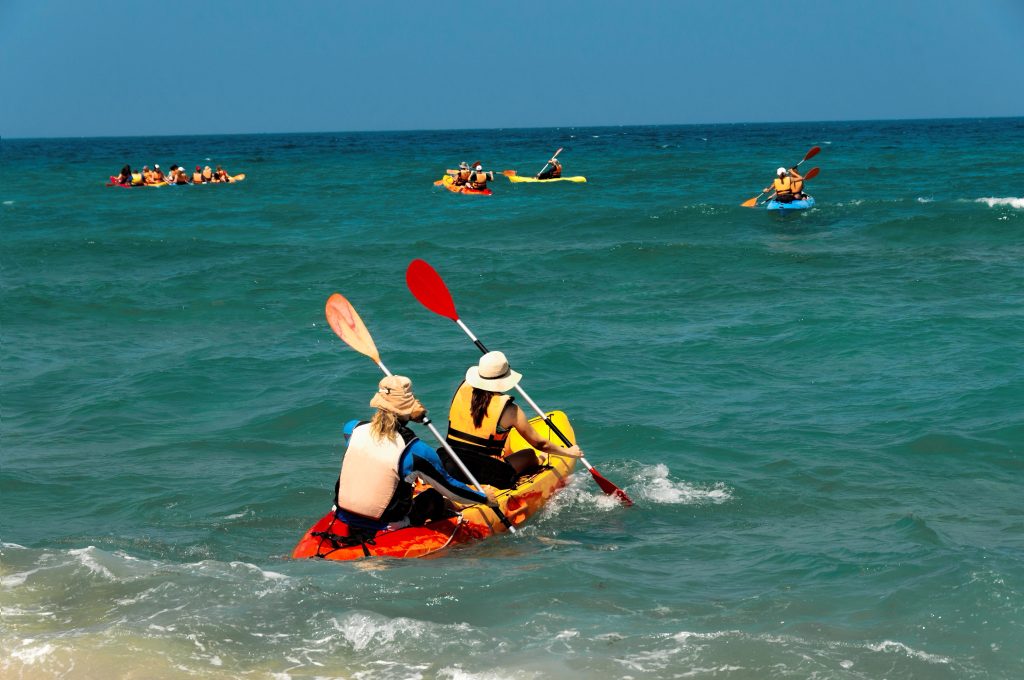
Tips to help you minimize risks:
- Situational Awareness: Be vigilant. Constantly scan your surroundings for other vessels, obstacles (like submerged rocks or floating debris), and changes in weather conditions.
- Maintain Safe Distance: Don’t crowd other vessels, especially in narrow channels or congested areas. Give yourself ample room to maneuver.
- Slow Down: Reducing speed gives you more time to react and lessens the impact of a potential collision. Be especially cautious in areas with limited visibility or unpredictable currents.
- Communicate Early and Often: If you’re unsure of another vessel’s intentions, don’t hesitate to use hand signals, whistles, or even verbal communication to establish understanding. This proactive approach can prevent misunderstandings and potential accidents.
Paddling in Harmony with Nature
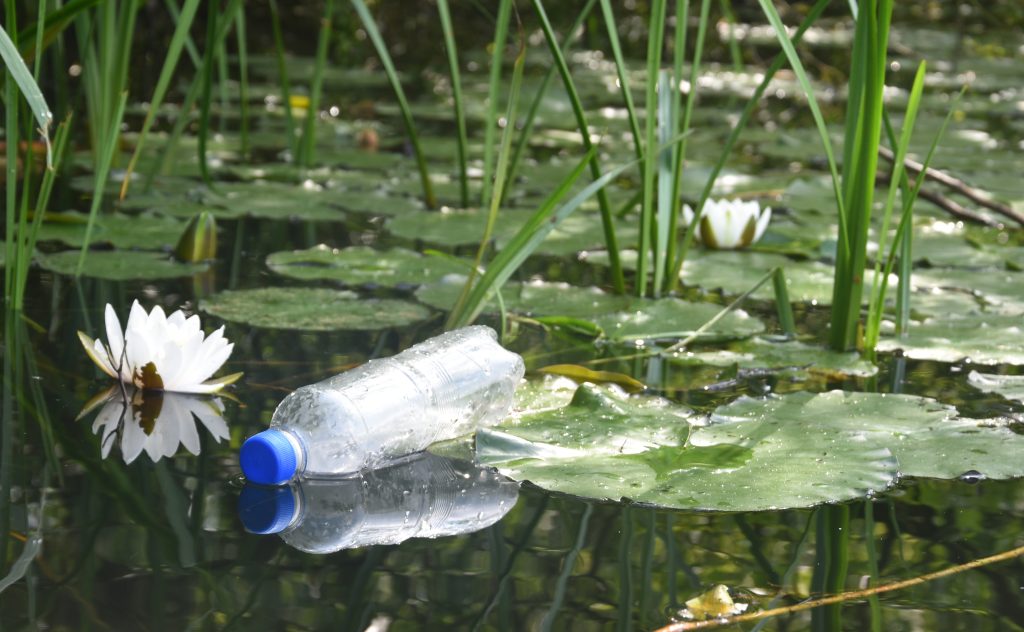
A Commitment to Protecting Our Waterways
Natural spaces are more than just recreational areas; they’re vibrant ecosystems that deserve our respect. Here’s how you can minimize your impact and contribute to their preservation:
- Leave No Trace: Pack out everything you pack in. That includes food scraps, wrappers, and even biodegradable items like apple cores or banana peels.
- Respect Wildlife: Observe animals from a distance and avoid disturbing their natural behaviours. Please resist the urge to feed them, as this can alter their habits and create unhealthy dependencies.
- Mindful Paddling: Avoid sensitive areas like spawning grounds, nesting sites, or shallow waters where your vessel could damage vegetation or disturb aquatic biodiversity.
- Clean Gear: Before entering a new waterway, clean your vessel to prevent the spread of invasive species.
Kaiaking in Groups
Clearly Communicate Your Group Structure:
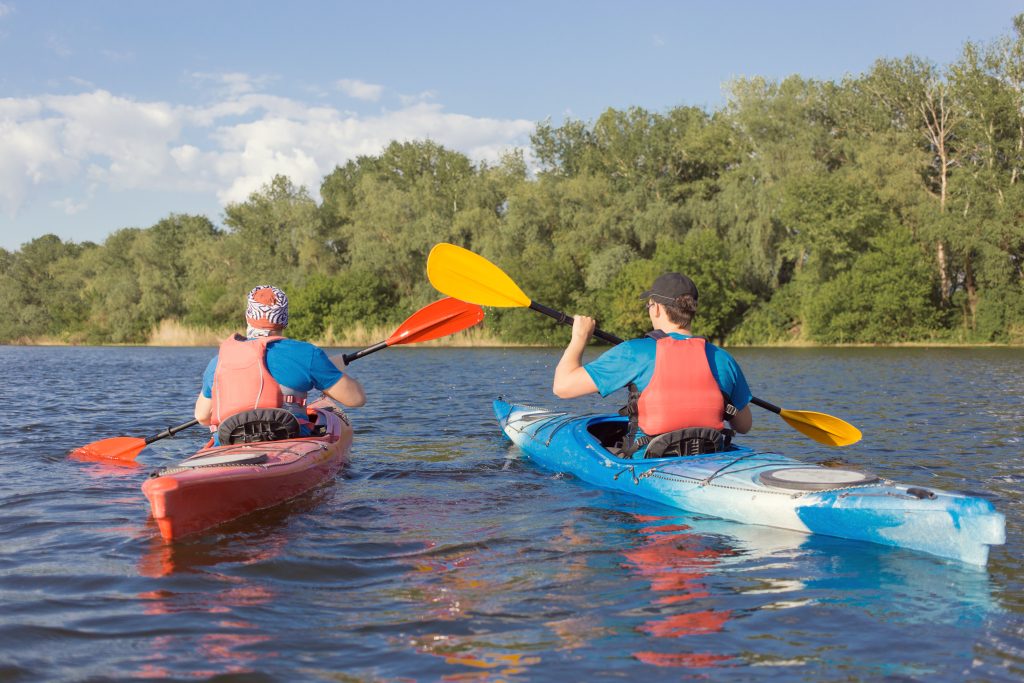
In a group kayaking expedition, each member plays a crucial role in ensuring the success and safety of the adventure.
The Leader sets the pace, navigates the route, and communicates vital instructions, making decisions to keep the group cohesive and safe.
The Sweep, or Tail-End Charlie, stays at the back to ensure no one is left behind and assists paddlers who may be struggling.
Assistant Leaders are dispersed throughout the group to relay the leader’s instructions and provide support where needed.
Experienced Paddlers are strategically placed to offer guidance and help to less experienced members, fostering a supportive environment. Meanwhile, Less Experienced Paddlers follow the guidance of more seasoned members, staying with the group and communicating any difficulties they encounter.
This structured approach ensures everyone enjoys the experience while prioritizing safety and effective communication.
Formation and Positioning
- Line Formation: Paddle in a single file when navigating narrow passages or when conditions are rough.
- Buddy System: Pair less experienced paddlers with more experienced ones. Each pair should keep an eye on each other.
- Compact Group: Stay close enough to communicate easily but not so close that kayaks collide, especially in open water.
- Regular Checks: The leader should regularly check on the group’s status, ensuring everyone is keeping up and safe.
- Communication Chain: Messages from the leader should be passed along by assistant leaders to ensure everyone is informed.
Navigation and Pacing
- Set a Comfortable Pace: To ensure the group stays together, the leader should set a pace that is comfortable for the slowest paddler.
- Frequent Stops: Plan regular breaks for rest, hydration, and regrouping, especially on longer trips.
- Regrouping Points: Designate specific points along the route where the group will stop and regroup.
Emergency Protocols
- Pre-Trip Briefing: Discuss the route, conditions, roles, and emergency procedures before setting out.
- Emergency Signals: Agree on hand signals, whistle blasts, or other means of emergency communication.
- Capable Responders: Ensure that assistant leaders and experienced paddlers can handle emergencies such as capsizing, injuries, or sudden weather changes.
Additional Tips for Smooth Paddling
- Check the Forecast: Weather conditions can change rapidly on the water. Before heading out, check the forecast for wind, waves, and potential storms.
- File a Float Plan: Let someone on shore know your planned route and estimated return time. This information is invaluable in case of an emergency.
- Dress for Success: Wear appropriate clothing for the weather and water temperature. A life jacket or personal flotation device (PFD) is non-negotiable.
- Know Your Limits: Choose waterways that match your skill level and experience. Don’t hesitate to turn back if conditions worsen.
- Carry a First Aid Kit: Have a basic understanding of first aid and know how to deal with common kayaking injuries and incidents.
The Takeaway: Paddling with Purpose
By adhering to waterway etiquette, you’re contributing to a culture of respect among paddlers and protecting the natural beauty of our waterways. Whether you’re exploring a hidden cove or navigating a bustling harbour, remember that we’re all guests in these spaces. Let’s paddle with purpose and leave nothing but ripples in our wake.