
We partner with Rewilding Britain to help protect our natural spaces for future adventures.
All centres are vetted for safety and quality. Your adventure is in good hands with adventuro.
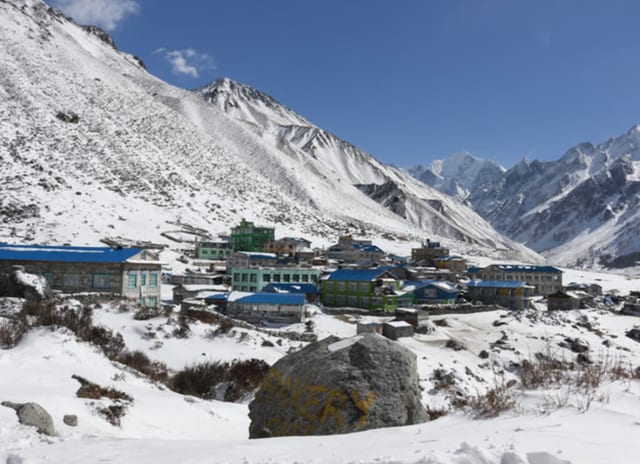
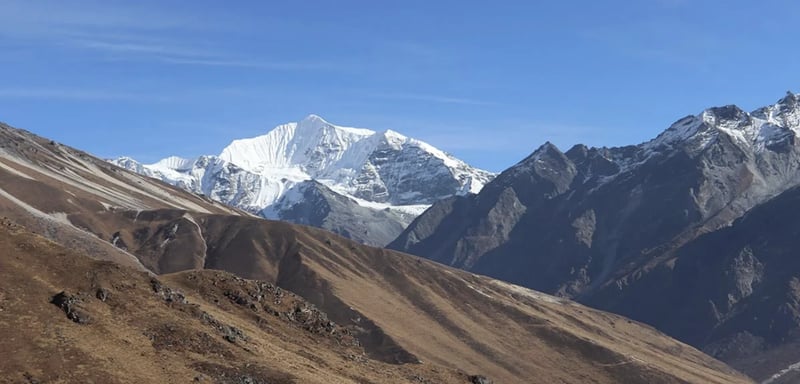

Langtang Valley Trek lies in Langtang Region the north-central Himalayas straight north of Kathmandu Valley that borders the Tibet region. This trek follows in a narrow gorge surrounded by the Himalayas to the wide valleys. The 2015 Earthquake destroyed the beautiful Langtang Village – swept by an avalanche from the Langtang Lirung Himal. Now the village is ready to welcome you again.
Throughout this trek, you will be engaged with full of adventure, scenery, and exhilarating destination experiences. The trek does not only provide a close look at the mountains but also into the Tibetan, Sherpa and Tamang lifestyles, and ethnic communities living in the Himalayan region of Nepal. You can enjoy and experience the life of locals, beautiful forests on the way, and mesmerizing mountains. Some of the famous peaks you can witness in the region are Langtang Lirung 7,234 m/ 23,734 ft, Langtang Ri 7,205 m/ 23,638 ft, Langsisa Peak 6,427 m/ 21,086 ft, Yala Peak 5,520 m/ 18,110 ft, Ganjala Peak, Ganja La pass and so on.
This trek is considered as an easy-to-moderate trek, making an excellent choice for both beginners and experienced trekkers who wants to experience the Himalayas within a short distance from Kathmandu.
Day 01: Arrival in Kathmandu (1300 m/4265ft)
Arrival in Kathmandu. Meet with our friendly representative at the arrival terminal of only International airport. And, then you will be transferred to your hotel. You check-in at your Hotel and then after short rest you can go to explore market area of Thamel – where you can eat your supper, change money, buy some stuffs from supermarket, or buy trekking gears – if you need to do. Later we take you to our office for the trip briefing. Overnight at your hotel. Delay of any kind will postpone the events for next day according to feasibility.
You drive in the mountainous landscape of Nepal. View of the Himalayan peaks, beautiful river valley, terraced farming fields, small dotted settlements, and villages are all aweinspiring.
To reach Syabrubensi you pass through historical places like Trishuli Bazar, Betrawati where Nepal and Tibet under the Qing Dynasty signed a treaty in 1792 – and Dhunche, the capital of the Rasuwa district. The road to the Tibetan town Kyrong/Gyrong and the NepalChina border passes this small town. Once you reach Syabrubesi, you can explore the town, it provides an interesting fusion of modernity and village life. You spend the night at a local lodge.
Day 03: Trek Syabrubensi - Lama Hotel (2,560 m/8,399 ft): Walking Duration: 6 Hrs.
After breakfast in your lodge, you will continue today’s journey. As you start to walk, you cross the river Bhote Koshi that flows from China, and cross Langtang Khola that flows down from Langtang valley and then walk through the Langtang Khola Gorge and forest. You reach Bamboo and have lunch before you start to walk a steep uphill to reach Lama Hotel – your night stop. The altitude is manageable and attainable on this day. You spend the overnight at a local lodge.
Day 04: Trek Lama Hotel – Langtang Village (3,455 m/11,335 ft.): 5 hrs. Walk:
After breakfast, you start your trek toward Langtang Valley. The trail to the valley leads west from east. The elevation will increase which might make the trail harder to walk than usual. You will pass plenty of Buddhist mani walls, and Chhortens and walk in the deep forests on your way to the valley. You enjoy lunch in a small place called Ghora Tabela – which literally means horse stable. Langtang village was the most severely hit and destroyed place of the Earthquake in April 2015. But now new lodges are built for your accommodation. Various Geological surveys were carried out before the village was reestablished again. You will enjoy the fresh air and spend the night at the local lodge here.
Day 05: Trek Langtang Village – Kyanjin Gompa (3,870 m/ 12,697 ft) - 3.5 hrs walk:
You are now in the open and incredible Langtang Valley. You start the day with a mountain breakfast. As you start from Langtang village and climb a small hillock, you pass one of the longest Mani walls in the world. The walk of the day takes us past beautiful mountain surroundings with amazing views and cultural as well as spiritual richness. The trail that winds up and up in the barren landscape tests your endurance. You reach Kyanjin Gompa, which means Kyanjin monastery, Enjoy the lunch and you have a half-day to explore around. You may visit Kyanjing Gompa, a sacred Buddhist monastery – and the cheese factory established under the technical assistance of a Swiss man in the early 1950s. Overnight local lodge.
Day 06: Climb Kyanjin Ri (4240m / 13910ft or 4,773m / 15,655 ft.) Trek back to Kyanjin Gompa. 2.5 to 3.5 hrs walk :
You achieve the highest elevation of your trek today with the climb to Kyanjin Ri. There are two viewpoints of Kyanjin ri 4773 and 4250 m. So you can go one of those depending on your fitness and interest. This is worth hiking in the early morning .The view of the mountains surrounding this peak is magnificent. Peaks Langtang Lirung 7,234 m/ 23,734 ft, Langtang Ri 7,205 m/ 23,638 ft, Langsisa Peak 6,427 m/ 21,086 ft, Yala Peak 5,520 m/ 18,110 ft, Ganjala Peak, Ganja La pass and so on. You reach there for sunrise, and after enjoying the panoramic view you return to the Kyanjin gumpa. You will then have time to rest or roam around the area. Overnight at Kyanjin Gompa.
Day 07: Kyanjin Gompa to Lama Hotel (2,560 m/8,399 ft) 5 .30 hrs walk.
After breakfast, we follow the same trail back down towards lama hotel .The walk is mostly downhill so it is very easy and gentle. The last part of the walk is a short uphill climb which takes you to the lama hotel. Overnight stay at a lodge.
Day 08: Lama hotel to Syabru Village (Thulo Syabru) (2,200 m/ 7,218 ft) 5.30 hrs walk:
After breakfast, we descend to Bamboo and then take the upper trail to reach Syabru Village called Thulo Syabru. This is quite a big settlement on the ridge with a beautiful view of the terraced field below, the jungle above, and the beautiful mountains in front. The tamang people and their unique culture makes the experience even more special. Enjoy your evening and the night stay here in the lodge.
Day 09: Syabru Village – Dhunche (2,030 m/ 6,660 ft) – Kathmandu 7 hrs Drive.
Today we drive from Syabru Village to Dhunche via Barkhu, following a mix of bumpy mountain roads and blacktopped highways. We drive through enchanting forests and captivating natural marvels, culminating at your arrival at Dhunche. This picturesque town not only serves as a vibrant market hub but also boasts administrative significance for the district. Prepare to be enthralled by the breathtaking scenery and immerse yourself in the unique wonders that lie ahead as you traverse toward Dhunche and enjoy the long drive with beautiful landscapes and the lifestyle of the mountain people. Reach Kathmandu check into the hotel for Overnight
Day 10: Departure Day
As per your flight schedule, you will be transferred to the international airport. Your memorable Nepal adventure ends here.
No technical climbing skills are required, and the trek is run at a pace suited to capable walkers. That said, this itinerary includes a high day hike to 4,773 m and long trekking days, so you should be comfortable walking for 5–7+ hours on uneven terrain over consecutive days.
You must be prepared for basic teahouse accommodation, variable weather, and the effects of altitude. Travel insurance that covers trekking and emergency helicopter evacuation is required.
This itinerary combines a classic Langtang teahouse route with a high viewpoint hike, delivering both cultural depth and strong mountain scenery without the complexity of internal flights. The pacing includes shorter days where it matters and a dedicated focus on reaching Kyanjin Gompa and Kyanjin Ri safely.
Experienced local guides, careful logistics, and a private trip format mean the trek can be managed around your group’s pace while keeping safety central. The route also supports communities in a region that has rebuilt since 2015, with trekking income contributing directly to local livelihoods.
✔ Award-Winning Expertise
More than 2 decades of experience and a trusted trusted company with accolades for exceptional services.
✔ Local Culture & Eco Values
Experience authentic Nepal while supporting environmental sustainability and local traditions.
✔ Sustainable Development
Committed to fostering responsible tourism with a focus on long-term growth and originality.
✔ Premium Services
We offer the best in comfort, safety, and quality for every travel adventure.
✔ Best Price Guarantee
Enjoy top-notch experiences at the most competitive prices in the industry.
Arrival in Kathmandu. Meet with our friendly representative at the arrival terminal of only International airport. And, then you will be transferred to your hotel. You check-in at your Hotel and then after short rest you can go to explore market area of Thamel – where you can eat your supper, change money, buy some stuffs from supermarket, or buy trekking gears – if you need to do. Later we take you to our office for the trip briefing. Overnight at your hotel. Delay of any kind will postpone the events for next day according to feasibility.
You drive in the mountainous landscape of Nepal. View of the Himalayan peaks, beautiful river valley, terraced farming fields, small dotted settlements, and villages are all aweinspiring.
To reach Syabrubensi you pass through historical places like Trishuli Bazar, Betrawati where Nepal and Tibet under the Qing Dynasty signed a treaty in 1792 – and Dhunche, the capital of the Rasuwa district. The road to the Tibetan town Kyrong/Gyrong and the NepalChina border passes this small town. Once you reach Syabrubesi, you can explore the town, it provides an interesting fusion of modernity and village life. You spend the night at a local lodge.
After breakfast in your lodge, you will continue today’s journey. As you start to walk, you cross the river Bhote Koshi that flows from China, and cross Langtang Khola that flows down from Langtang valley and then walk through the Langtang Khola Gorge and forest. You reach Bamboo and have lunch before you start to walk a steep uphill to reach Lama Hotel – your night stop. The altitude is manageable and attainable on this day. You spend the overnight at a local lodge.
After breakfast, you start your trek toward Langtang Valley. The trail to the valley leads west from east. The elevation will increase which might make the trail harder to walk than usual. You will pass plenty of Buddhist mani walls, and Chhortens and walk in the deep forests on your way to the valley. You enjoy lunch in a small place called Ghora Tabela – which literally means horse stable. Langtang village was the most severely hit and destroyed place of the Earthquake in April 2015. But now new lodges are built for your accommodation. Various Geological surveys were carried out before the village was reestablished again. You will enjoy the fresh air and spend the night at the local lodge here.
You are now in the open and incredible Langtang Valley. You start the day with a mountain breakfast. As you start from Langtang village and climb a small hillock, you pass one of the longest Mani walls in the world. The walk of the day takes us past beautiful mountain surroundings with amazing views and cultural as well as spiritual richness. The trail that winds up and up in the barren landscape tests your endurance. You reach Kyanjin Gompa, which means Kyanjin monastery, Enjoy the lunch and you have a half-day to explore around. You may visit Kyanjing Gompa, a sacred Buddhist monastery – and the cheese factory established under the technical assistance of a Swiss man in the early 1950s. Overnight local lodge.
You achieve the highest elevation of your trek today with the climb to Kyanjin Ri. There are two viewpoints of Kyanjin ri 4773 and 4250 m. So you can go one of those depending on your fitness and interest. This is worth hiking in the early morning .The view of the mountains surrounding this peak is magnificent. Peaks Langtang Lirung 7,234 m/ 23,734 ft, Langtang Ri 7,205 m/ 23,638 ft, Langsisa Peak 6,427 m/ 21,086 ft, Yala Peak 5,520 m/ 18,110 ft, Ganjala Peak, Ganja La pass and so on. You reach there for sunrise, and after enjoying the panoramic view you return to the Kyanjin gumpa. You will then have time to rest or roam around the area. Overnight at Kyanjin Gompa.
After breakfast, we follow the same trail back down towards lama hotel .The walk is mostly downhill so it is very easy and gentle. The last part of the walk is a short uphill climb which takes you to the lama hotel. Overnight stay at a lodge.
After breakfast, we descend to Bamboo and then take the upper trail to reach Syabru Village called Thulo Syabru. This is quite a big settlement on the ridge with a beautiful view of the terraced field below, the jungle above, and the beautiful mountains in front. The tamang people and their unique culture makes the experience even more special. Enjoy your evening and the night stay here in the lodge.
Today we drive from Syabru Village to Dhunche via Barkhu, following a mix of bumpy mountain roads and blacktopped highways. We drive through enchanting forests and captivating natural marvels, culminating at your arrival at Dhunche. This picturesque town not only serves as a vibrant market hub but also boasts administrative significance for the district. Prepare to be enthralled by the breathtaking scenery and immerse yourself in the unique wonders that lie ahead as you traverse toward Dhunche and enjoy the long drive with beautiful landscapes and the lifestyle of the mountain people. Reach Kathmandu check into the hotel for Overnight.
As per your flight schedule, you will be transferred to the international airport. Your memorable Nepal adventure ends here.
• International Airport Pickup and Drop off
• Accommodation at a 3-star standard (Nepal’s standard) hotel with breakfast in Kathmandu
• An experienced, English-speaking, government-certified Mountain Delights trekking guide
• Porter (Helper) to carry the bags ( 1 porter for 2 clients),
• All meals in the trekking (Breakfast, Lunch and dinner.)
• Accommodation in the tea house (lodges) during the trek
• Private transport (Kathmandu - Syabrubensi )
• PrivateTransport (Syabrugau - Kathmandu)
• TIMS (Trekkers Information Management System)
• Langtang National Park entry Permit.
• All food, drinks, Lodge, salary, Insurance, Medical, Equipment, land transport etc for trekking staff.
• Down jacket, Down Sleeping bag, Fleece Liner and a Duffel bag.
• First aid medicine box with oximeter.
• Seasonal Fruits During the trek
• Certificates after completion of the trek
• All taxes and Service Charges
• International Airfare and Visa fee
• Any bar bills (alcoholic drinks, mineral water, and cold drinks), cigarettes, client’s personal insurance, any kind of unforeseen expenses, etc .
• Gratuities to guide, porters, and driver
• Anything not mentioned in the inclusion.
What to bring
This list outlines the required things to bring during the trekking tours. There are various selections and brands that you can choose as per your interest. All required trekking equipment can be bought or even hired easily at a reasonable price in Kathmandu.
General
• Down sleeping bag (you can borrow with us if required).
• Duffel or Rucksack bag (you can borrow with us if required).
• Daypack
• Down Jacket (you can borrow with us if required).
• Fleece liner (you can borrow with us if required).
• Walking poles (Walking poles are optional but recommended, and you can borrow with us if required).
• Water bottle with purification tablets.
• Hand wash liquids.
• Lip guard.
• Sun-block cream.
• Toiletry kit. Be sure to include toilet paper stored in a plastic bag, hand wipes, and liquid hand sanitizer, towel, soap, etc.
Upper Body - Head / Ears / Eyes
• Cap and ears covering hat. Sun glasses Head torch.
• Ear muffs and neck warmer are other pieces of gear for extra warmth (optional)
Hand
• Hand gloves (One light pair and One warmer pair)
Body
• T-shirts – few.
• Light and weight thermal tops and warm thermal tops.
• Light jacket and vest.
• Wind and rain jacket.
• Shirts and warm shirts.
Lower Body – Legs
• Long and short hiking pants.
• Lightweight and warm long underwear.
• Rain and windproof trousers and warm trekking trousers.
Feet
• Thin and thick socks.
• Trekking boots, light shoes, and sandals.
• Trekking Gaiters.
Medicines and First Aid Kits
(Our guide will carry a first aid kit bag during the trek. If you have any preferred medicines from home then you can bring it
• Headache and fever medicine.
• Ibuprofen for general aches and pains.
• Burnt cream.
• Immodium or Pepto Bismol capsules for upset stomach and diarrhea.
• Diamox (commonly prescribed as Acetazolamide). Please discuss this with us before starting to take this medicine.
• Antibiotics.
• Blister treatments such as moleskin, hand plants, and aids, some waterproof tape, anti-infection ointments, etc.
Miscellaneous
• Passport and extra passport photos (2 copies).
• Durable wallet/pouch for travel documents, money and passport.
• Pocket knife.
• Bandanas.
• Favorite snack foods and energy bars
• Paperback books, Avoid players with moving hardware as it may not function. Remember, keep these items lightweight
• Camera.
• Binoculars.
All garments should be kept dry using waterproof stuff sacks or large puncture resistant plastic bags.
The trek includes long days and a high viewpoint hike to 4,773 m, which makes it more demanding than a low-altitude trek. The trails are generally well established, but you’ll be walking on uneven ground and climbing steadily for several days.
If you’re a fit walker who can manage consecutive days of hiking, it’s achievable. If you are new to multi-day trekking, it’s still possible, but you should take training seriously and expect some tough days, especially on the Kyanjin Ri hike.
The highest point is Kyanjin Ri at 4,773 m, reached on a day hike. Overnight altitude is lower, with Kyanjin Gompa at 3,870 m, which helps reduce risk compared to sleeping very high.
The itinerary builds altitude gradually through Lama Hotel and Langtang valley before reaching Kyanjin. Your guide will monitor symptoms, encourage hydration and pacing, and adjust plans if needed.
Teahouse lodges are simple mountain accommodation, typically offering a private room with twin beds and shared bathroom facilities. Higher up, hot showers and electricity may be limited or charged separately by the lodge.
Food is generally served in a communal dining area and tends to be warm, filling, and designed for trekking days. Expect fewer menu choices as you gain altitude.
Langtang village was destroyed by an avalanche triggered during the 2015 earthquake, and the region experienced significant loss. The trail and settlements have since been rebuilt, and lodges now operate again to support trekking.
Visiting the region contributes directly to local income and recovery through lodge stays, meals, and services provided by residents and trekking staff.
You’ll pass Buddhist mani walls, chortens, and monasteries, and spend time in Tamang and Sherpa-influenced communities. Kyanjin Gompa includes a monastery and a cheese factory established with Swiss technical support.
Syabru village adds another perspective, with a ridge-settlement feel, terraced fields, and strong local identity compared to the more trek-focused stopping points.
Most walking days are around 5–7 hours, with one very long day on Day 7 combining the Kyanjin Ri hike and a descent back to Lama Hotel. The day hike itself is a sustained climb and should be treated as a big effort.
Your guide will pace the group, factor in breaks, and aim to manage the day around weather and visibility conditions.
The listing does not specify age limits, but the altitude and long days mean it’s best suited to participants who are fit and comfortable hiking for multiple days. The Kyanjin Ri day is the key test, both physically and in terms of altitude.
If travelling with younger or older participants, it may be possible to skip the Kyanjin Ri hike and focus on Kyanjin Gompa and valley exploration, depending on the group.
The itinerary includes a 4WD jeep transfer from Kathmandu to Syabrubesi and a return drive from Dhunche to Kathmandu. These are long mountain road journeys.
Road conditions can vary by season, and travel time may change with weather or roadworks.
Yes. Insurance must cover trekking at altitude and include emergency helicopter evacuation. This is a standard requirement for remote trekking regions in Nepal.
You should also ensure your policy covers medical treatment in Nepal and trip interruption, as weather and road conditions can affect travel plans.
About the centre
Thamel, Kathmandu
Operated by Mountain Delights Treks & Expedition, a partner of adventuro.
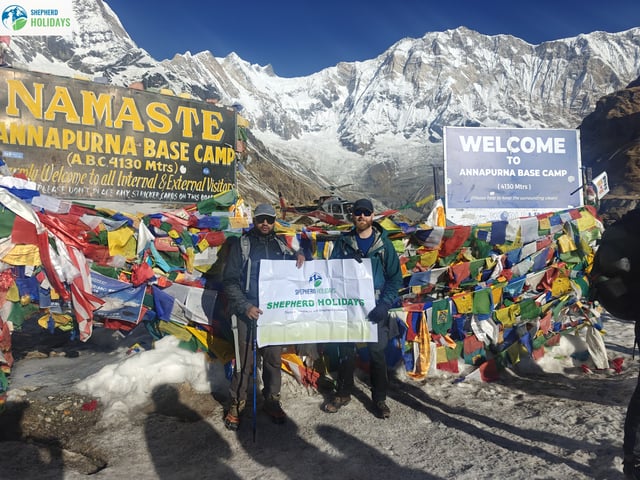
Himachal Pradesh (Shimla, Manali, Spiti), Nepal
From $813
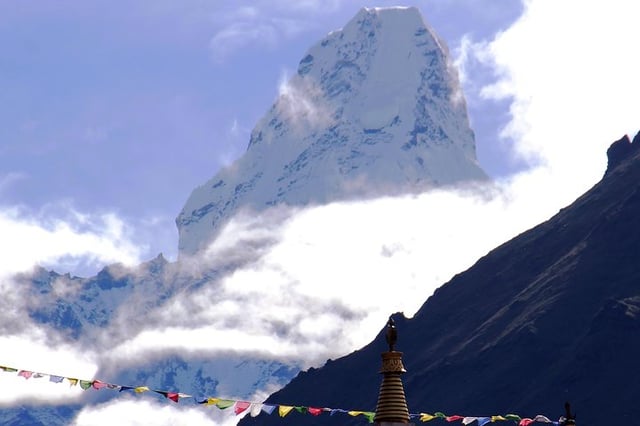
Arunachal Himalaya (Tawang & Siang Region), Nepal
From $1450
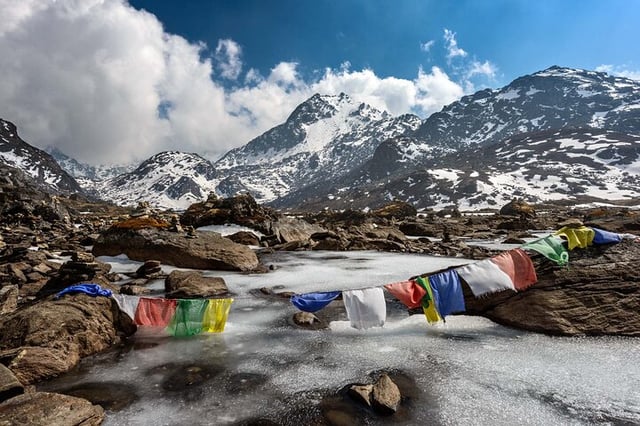
Arunachal Himalaya (Tawang & Siang Region), Nepal
From $1700
Himachal Pradesh (Shimla, Manali, Spiti), Nepal
From $1750
Arunachal Himalaya (Tawang & Siang Region), Nepal
From $2000
Bagmati Province, Nepal
From $2500
Bagmati Province, Nepal
From $1358
Bagmati Province, Nepal
From $760