We partner with Rewilding Britain to help protect our natural spaces for future adventures.
All centres are vetted for safety and quality. Your adventure is in good hands with adventuro.
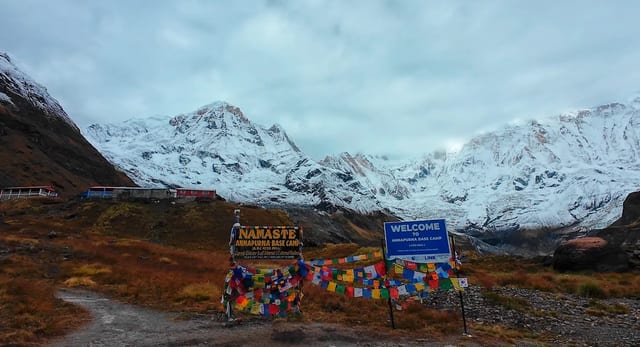
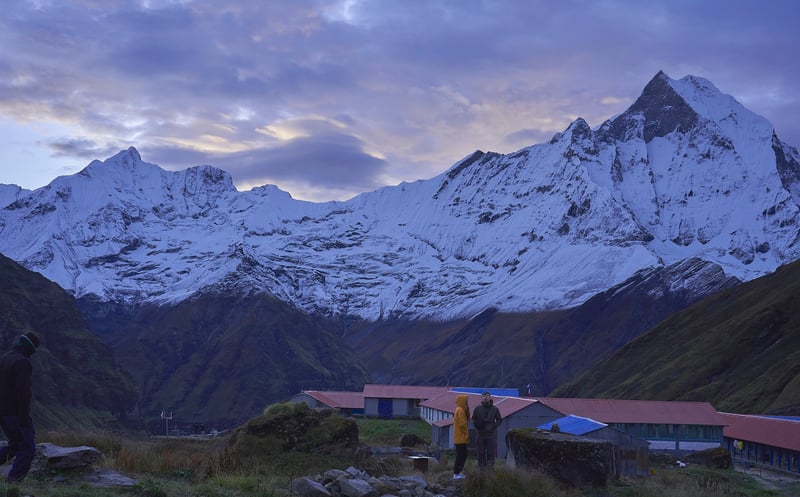
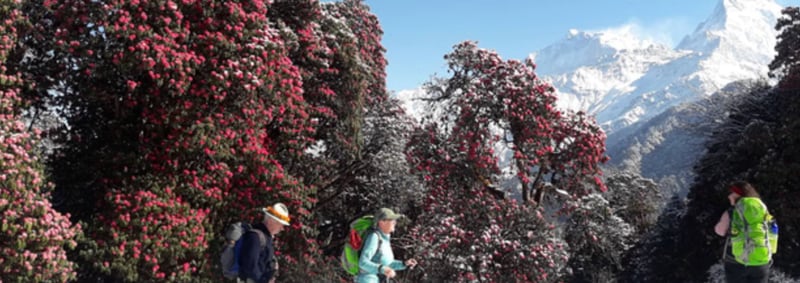
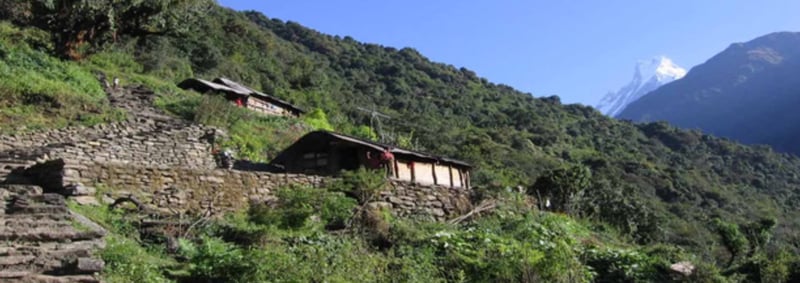
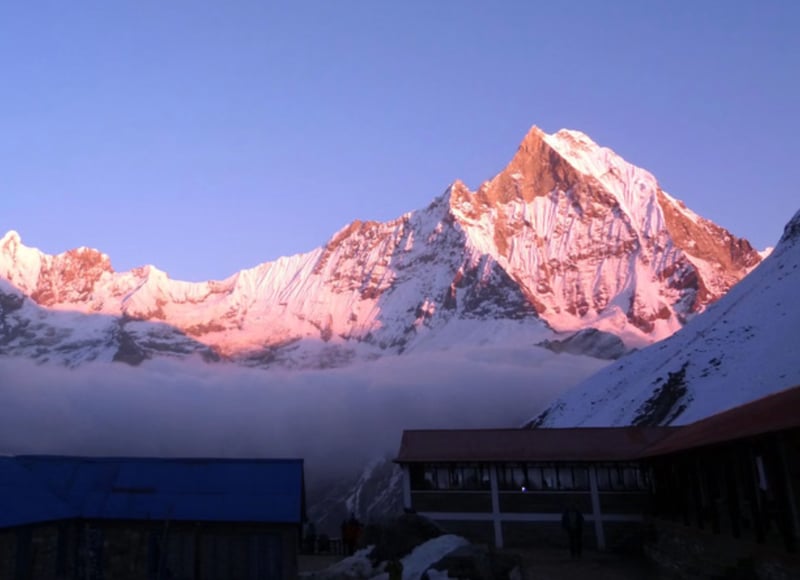
Annapurna Base Camp Trekking – one of the most popular trekking trips includes varied landscapes and the largest nature conservation areas in the Annapurna region of the central Himalayas. Also known as the Annapurna Sanctuary. The trek offers splendid views of the mighty Himalayan peaks and showcases the distinct cultural heritages of local people. The trek leads you through the rhododendron forests and terraced farms, proffering the charming scenery of the ethnic villages and their lifestyle. The beautiful views of the Himalayas you can sight include: Annapurna massif’s Annapurna I (8,091 m/ 26,545 ft), Annapurna South (7,219 m/ 23,684 ft), Annapurna III (7,555 m/ 24,786 ft),
Gangapurna (7,455 m/ 24,457 ft); Dhaulagiri Range’s Dhaulagiri I (8,167 m /26,795 ft), Dhaulagiri II (7,751m/ 25,430ft), Dhaulagiri III (7,715 m/ 25,311ft); and others such as
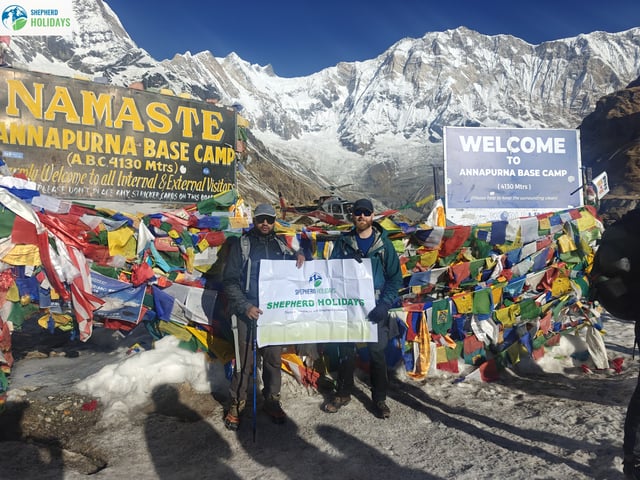
Himchuli (6,441 m/ 21,131 ft) and Machapuchhre (6,993 m/ 22,942 ft). The bowl-shaped Annapurna Base Camp – surrounded by mighty mountain peaks – is located at 4,130 m/ 13,549 ft above sea level just after Machhapuchhre Base Camp. it is considered a moderate-level trek.
Day 01: Arrival in Kathmandu (1300 m/4265ft)
Arrival in Kathmandu. Meet with our friendly representative at the arrival terminal of only International airport. And, then you will be transferred to your hotel. You check-in at your Hotel and then after short rest you can go to explore market area of Thamel – where you can eat your supper, change money, buy some stuffs from supermarket, or buy trekking gears if you need to do. Later we take you to our office for the trip briefing. Overnight at your hotel. Delay of any kind will postpone the events for next day according to feasibility.
Day 02: Kathmandu – Pokhara( 25min flight ) drive - Tikhedhunga (1,750m/ 5,741 ft) 2.5hrs drive and walk to Ulleri ( 1480m/ 4855.643) 1.5 hrs walk
You will enjoy your breakfast in the hotel and drive to the airport and flight to Pokhara. From Pokhara we drive to Nayapul with black top road and we continue drive with bumpy road to Tikhedhunga take lunch here then start by climbing all the way steep up to Ulleri, which is nice village from where you get the view of mountain peaks including Annapurna South, Himchuli, and the tip of Fishtail Top. Overnight stay in the Lodge.
Day 03: Trek from Ulleri – Ghorepani (2,810 m/ 9,216 ft) 4.30 hrs walk:
From Ulleri you start your walk gentle up hill to Banthanti and then walk through a forest to Nagethanthi for lunch and follow the trail to Ghorepani. Just below Poonhill, Ghorepani is located in the middle of the Rhododendron Forest. We get to view Annapurna and Dhaulagiri Mountain from this beautiful village. We spend the night at the local lodge.
Day 04: Hike Ghorepani – Poon Hill (3,210 m/ 10,531 ft)) – Tadapani (2,650 m.ft) 6 hrs walk:
We start walking early morning to the top of Poonhill to view the sunrise – the most anticipated location for the same. After a fourty five min of climb, you reach the top of Poonhill before sunrise and wait for it. The panoramic view more than 10 mountain including Annapurna Range and Dhaulagiri is unbeatable and fulfilling in many ways. You will drink hot coffee/tea with sunrise and return back to your lodge for breakfast. After breakfast, set off for the day, and trek your way through the beautiful forest to Tadapani. It is a long up and down trail today yet enjoying in the forest. You enjoy your lunch in a small sunny place called Banthanti. From here another stretch of down and up remains. Arrive in Tadapani and overnight stay here.
Day 05: Trek Tadapani – Chhomrong (2,170 m/ 7,119 ft)/ 5 hrs walk:
After breakfast with a view of mighty Himalayan peaks: Annapurna South, Fishtail, and Hiunchuli, we start our walk. The day begins with a downhill trek to a river, from then on after we cross the suspension bridge, we walk uphill to Chhomrong. We pass through beautiful forests and small settlements of Gurung people on our way, giving us a new perspective on the Himalayan lifestyle. We spend the night at a local lodge in Chhomrong.
Day 06: Chhomrong – Dovan (2,580 m/ 8.464 ft) 5 hrs walk:
After breakfast, you follow the trail down to a river, which brings us to an uphill track again after crossing the bridge above Chhomrong Khola. You pass the small villages of Sinuwa and Bhanuwa on your way uphill to Sinuwa. After you walk in the beautiful stretch in the forest and past Khuldighar, walk a small downhill to reach Bamboo for lunch. After lunch, you walk about an hour a half to reach Dovan – a small place located in a deep gorge with few guest houses to stay overnight. Overnight stay at local lodge in Dovan.
Day 07: Trek Dovan – Deurali (3,290 m/ 10,794 ft) 4 hrs walk:
Start your day in the morning upward from Dovan. You will start to walk at a slow pace throughout the day as you are gaining height and altitude begins to work on your body. The trail to Deurali goes through a beautiful forest of Rhododendron and bamboo with views of mesmerizing waterfalls on both sides of the river. Overnight at a local lodge in Deurali.
Day 08: Trek Deurali – Annapurna Base Camp (4,130 m/ 13,549 ft) 4 hrs walk:
You start today’s hike early in the morning given the landscape you will be traveling. In winter months and early spring months, this section is a bit dangerous with avalanches. With the increase in altitude, the alpine landscape starts to appear. You walk along the river to reach Machapuchare Base Camp (3,700 m/12,139 ft). You can stop in this place for tea. You then walk at a slow pace keeping in mind the height you are gaining, and you are now in an altitude sickness-prone zone. You need to acclimatize your body by walking slowly at this height. Reach Annapurna Base Camp where you stay the night enjoy your lunch and walk around the place.
Day 09: Annapurna Base Camp – Bamboo (2,300 m/ 7,545 ft) 6 hrs walk down:
Wake up early in the morning to view the spectacular sunrise over the mountain ranges of Annapurna – especially in Annapurna I. Sun peeking through White Mountains is a highlight of your trip. The view of the peaks from Base Camp Annapurna is splendid where you are encircled by peaks namely Machhapuchhre, Gandarva Chuli, Flute Peak, Annapurna I, Annapurna Fang, Annapurna South, and Himchuli. Enjoy the exploration around the camp where numerous memorial chorterns are dedicated to those brave climbers who lost their life in this Annapurna while climbing. Annapurna I was the first climbed 8000er peak in the world by French climber Maurice Herzog and colleagues in 1950. They climbed from the north face, and you are now standing in the south face. After breakfast, you begin your way back to the city. Once we reach Bamboo we spend the night at the local lodge.
Day 10: Trek Bamboo – Jhinu Danda (Hot Spring) (1,500 m/ 4,921 ft) 4 hrs walk:
After breakfast, we start our day trekking on a downward trail. Although you are coming down still the steep uphill to Chhomrong is waiting for you. You pass Sinuwa and Chhomrong villages and then walk steep downhill to Jhinu Danda. According to the time available, you can enjoy a natural hot spring bath 20 minutes down from the lodge to the river. Spend the night in Jhinnu Danda.
Day 11: Trek from Jhinu – Landrung village ( 1500m/ 4900 feet) ( 3 hrs walk) and Drive to Pokhara 2.15min.
After breakfast, we walk down the stream river through beautiful forests, and waterfalls, reaching New Bridge then walking uphill to Landruk, a beautiful village inhabited by mostly Gurung ethnic community and a few Brahmins we take lunch here than drive to Lumle to Pokhara. After rest, you can explore around lake side. Overnight at hotel.
Day 12 .Drive back to Kathmandu, 7 hrs
This morning, we departure to Kathmandu after breakfast. One gets to view good scenery along the drive. It is an around 7 hrs drive including break. The time depends on traffic. After arriving Kathmandu check in hotel and free and easy.
Day 13: Departure Day:
As per your flight schedule, you will be transferred to the international airport and your tour ends here.
No technical climbing skills are required, but this is still a multi-day trek with sustained uphill sections, stone steps, and long descents. You should be comfortable walking for 4–7 hours per day over consecutive days, with some steeper climbs on the Ghorepani and sanctuary approach sections.
Altitude is a factor, particularly from Machhapuchare Base Camp onwards. You’ll need to manage pacing, hydration, and sleep, and follow guide instructions closely. Travel insurance that includes emergency helicopter evacuation is required.
This route combines two standout viewpoints in one itinerary: Poon Hill for sunrise and the full sanctuary approach to Annapurna Base Camp. The lodge-based structure makes logistics straightforward day to day, while still offering a genuine multi-day trek experience through varied terrain and village communities.
With a private trip format, guides can manage pacing around your group, particularly on higher days where altitude response varies. The inclusion of city cultural visits and organised transfers keeps the trip cohesive from arrival through to departure.
✔ Award-Winning Expertise
More than 2 decades of experience and a trusted trusted company with accolades for exceptional services.
✔ Local Culture & Eco Values
Experience authentic Nepal while supporting environmental sustainability and local traditions.
✔ Sustainable Development
Committed to fostering responsible tourism with a focus on long-term growth and originality.
✔ Premium Services
We offer the best in comfort, safety, and quality for every travel adventure.
✔ Best Price Guarantee
Enjoy top-notch experiences at the most competitive prices in the industry.
Arrival in Kathmandu. Meet with our friendly representative at the arrival terminal of only International airport. And, then you will be transferred to your hotel. You check-in at your Hotel and then after short rest you can go to explore market area of Thamel – where you can eat your supper, change money, buy some stuffs from supermarket, or buy trekking gears if you need to do. Later we take you to our office for the trip briefing. Overnight at your hotel. Delay of any kind will postpone the events for next day according to feasibility.
You will enjoy your breakfast in the hotel and drive to the airport and flight to Pokhara. From Pokhara we drive to Nayapul with black top road and we continue drive with bumpy road to Tikhedhunga take lunch here then start by climbing all the way steep up to Ulleri, which is nice village from where you get the view of mountain peaks including Annapurna South, Himchuli, and the tip of Fishtail Top. Overnight stay in the Lodge.
From Ulleri you start your walk gentle up hill to Banthanti and then walk through a forest to Nagethanthi for lunch and follow the trail to Ghorepani. Just below Poonhill, Ghorepani is located in the middle of the Rhododendron Forest. We get to view Annapurna and Dhaulagiri Mountain from this beautiful village. We spend the night at the local lodge.
We start walking early morning to the top of Poonhill to view the sunrise – the most anticipated location for the same. After a fourty five min of climb, you reach the top of Poonhill before sunrise and wait for it. The panoramic view more than 10 mountain including Annapurna Range and Dhaulagiri is unbeatable and fulfilling in many ways. You will drink hot coffee/tea with sunrise and return back to your lodge for breakfast. After breakfast, set off for the day, and trek your way through the beautiful forest to Tadapani. It is a long up and down trail today yet enjoying in the forest. You enjoy your lunch in a small sunny place called Banthanti. From here another stretch of down and up remains. Arrive in Tadapani and overnight stay here.
After breakfast with a view of mighty Himalayan peaks: Annapurna South, Fishtail, and Hiunchuli, we start our walk. The day begins with a downhill trek to a river, from then on after we cross the suspension bridge, we walk uphill to Chhomrong. We pass through beautiful forests and small settlements of Gurung people on our way, giving us a new perspective on the Himalayan lifestyle. We spend the night at a local lodge in Chhomrong.
After breakfast, you follow the trail down to a river, which brings us to an uphill track again after crossing the bridge above Chhomrong Khola. You pass the small villages of Sinuwa and Bhanuwa on your way uphill to Sinuwa. After you walk in the beautiful stretch in the forest and past Khuldighar, walk a small downhill to reach Bamboo for lunch. After lunch, you walk about an hour a half to reach Dovan – a small place located in a deep gorge with few guest houses to stay overnight. Overnight stay at local lodge in Dovan.
Start your day in the morning upward from Dovan. You will start to walk at a slow pace throughout the day as you are gaining height and altitude begins to work on your body. The trail to Deurali goes through a beautiful forest of Rhododendron and bamboo with views of mesmerizing waterfalls on both sides of the river. Overnight at a local lodge in Deurali.
You start today’s hike early in the morning given the landscape you will be traveling. In winter months and early spring months, this section is a bit dangerous with avalanches. With the increase in altitude, the alpine landscape starts to appear. You walk along the river to reach Machapuchare Base Camp (3,700 m/12,139 ft). You can stop in this place for tea. You then walk at a slow pace keeping in mind the height you are gaining, and you are now in an altitude sickness-prone zone. You need to acclimatize your body by walking slowly at this height. Reach Annapurna Base Camp where you stay the night enjoy your lunch and walk around the place.
Wake up early in the morning to view the spectacular sunrise over the mountain ranges of Annapurna – especially in Annapurna I. Sun peeking through White Mountains is a highlight of your trip. The view of the peaks from Base Camp Annapurna is splendid where you are encircled by peaks namely Machhapuchhre, Gandarva Chuli, Flute Peak, Annapurna I, Annapurna Fang, Annapurna South, and Himchuli. Enjoy the exploration around the camp where numerous memorial chorterns are dedicated to those brave climbers who lost their life in this Annapurna while climbing. Annapurna I was the first climbed 8000er peak in the world by French climber Maurice Herzog and colleagues in 1950. They climbed from the north face, and you are now standing in the south face. After breakfast, you begin your way back to the city. Once we reach Bamboo we spend the night at the local lodge.
After breakfast, we start our day trekking on a downward trail. Although you are coming down still the steep uphill to Chhomrong is waiting for you. You pass Sinuwa and Chhomrong villages and then walk steep downhill to Jhinu Danda. According to the time available, you can enjoy a natural hot spring bath 20 minutes down from the lodge to the river. Spend the night in Jhinnu Danda.
After breakfast, we walk down the stream river through beautiful forests, and waterfalls, reaching New Bridge then walking uphill to Landruk, a beautiful village inhabited by mostly Gurung ethnic community and a few Brahmins we take lunch here than drive to Lumle to Pokhara. After rest, you can explore around lake side. Overnight at hotel.
As per your flight schedule, you will be transferred to the international airport and your tour ends here.
• International airfare and Nepal Visa Fee
• Any bar bills (alcoholic drinks, mineral water, and cold drinks) cigarettes, client’s personal insurance, and any kind of unforeseen expenses.
• Lunch and Dinner in Pokhara
• Tips for guide, Porter, and driver
This list outlines the required things to bring during the trekking hours. There are various selections and brands that you can have your own choice. Those equipment can also be bought and hired easily at a reasonable price in Kathmandu.
General
• Down sleeping bag (you can borrow with us if required).
• Duffel bag (you can take with us)
• Daypack
• Down Jacket (you can borrow with us if required).
• Flesh liner (you can borrow with us if required).
• Walking poles (optional, you can borrow them with us if required).
• Water bottle with purification tablets.
• Hand wash liquids.
• Lip guard.
• Sun block cream.
• Toiletry kit. Be sure to include toilet paper stored in a plastic bag, hand wipes, and liquid hand sanitizer, towel, soap, etc.
Upper Body - Head / Ears / Eyes
• Cap and ears covering hat.
• Sunglasses
• Head torch.
• Ear muffs and neck warmer (optional)
Hand
• Hand gloves
Core Body
• T-shirts.
• Light and weight thermal tops.
• Light jacket.
• Wind /rain jacket.
• Shirts
Lower Body – Legs
• Long and short hiking pants.
• Lightweight long underwear. • Rain and windproof trousers.
Feet
• Thin and thick socks.
• Trekking boots, light shoes or sandals.
Medicines and First Aid Kits
(Our guide will carry the first aid kit bag during the trek for you as well. You can still bring your personal first aid kit as you feel it necessary).
• Headache and fever medicine.
• Ibuprofen for general aches and pains.
• Burnt cream.
• Imodium or Pepto bismol capsules for upset stomach and diarrhea.
• Diamox (commonly prescribed as Acetazolamide). Please discuss this with us before starting to take this medicine.
• Antibiotics.
• Blister treatments such as mole skin, hand plats Band-Aids, some waterproof tape, anti-infection ointments, etc.
Miscellaneous
• Passport and extra passport photos (2 copies).
• Favorite snack foods and energy bars
• Paperback books
• Binoculars.
• Camera.
All garments should be kept dry using waterproof sacks or large puncture-resistant plastic bags.
It’s often marketed as “easy” because it’s non-technical and uses established trails and lodges, but it is still physically demanding. There are sustained ascents (including long stone stair sections) and long descents that can be hard on knees and ankles.
Altitude adds another layer of difficulty from Machhapuchare Base Camp onwards. Fit beginners can do it with preparation, but it’s more accurate to think of it as moderate trekking effort rather than casual hiking.
The highest point is Annapurna Base Camp at 4,130 metres. At this altitude, it’s common to feel shortness of breath on climbs, reduced appetite, and lighter sleep.
The approach day via Machhapuchare Base Camp is where you should slow down and follow your guide’s pacing. Hydration, steady effort, and early recognition of symptoms are key.
Poon Hill (3,210 m) is included as a pre-dawn hike for sunrise views across the Annapurna and Dhaulagiri ranges. It’s a well-known viewpoint and a strong payoff early in the trek.
Including Poon Hill also helps you ease into trekking rhythm before the deeper sanctuary section, though it does add an extra ascent day.
The trip fact notes typical walking days of 4–7 hours and roughly 12–21 km. The exact feel varies: some days are shorter but steeper, others are longer but on more gradual terrain.
The base camp approach day and the descent day can feel the most demanding because of altitude and cumulative fatigue.
This is a teahouse (lodge-based) trek, meaning you stay in simple lodges with communal dining areas. Rooms are typically twin-share, and bathrooms are often shared.
At higher elevations, heating and hot showers may be limited, and charging devices may be available for a fee depending on the lodge.
The itinerary notes potential avalanche danger on the section between Deurali, Machhapuchare Base Camp, and Annapurna Base Camp in winter and early spring. Risk varies by conditions, snowfall, and temperature.
Your guide will manage timing and route decisions based on safety. Early starts and careful pacing are typical in these conditions.
You should be comfortable walking multiple days in a row, including sustained uphill sections and long descents. Preparing with hill walking, stair training, and longer weekend hikes will make the trip far more enjoyable.
If you have knee issues, it’s worth training for descents and bringing poles, as downhills are often harder than climbing.
All meals during trekking days are included: breakfast, lunch, and dinner. Tea or coffee is included up to three times a day.
Food choice in teahouses is usually a mix of local dishes and simple international options, with fewer choices as you gain altitude.
TIMS and the Annapurna Conservation Area Permit (ACAP) are included. These are required for trekking in the region and are arranged as part of the trip.
Bring your passport details, and keep permits accessible during the trek as there are checkpoints.
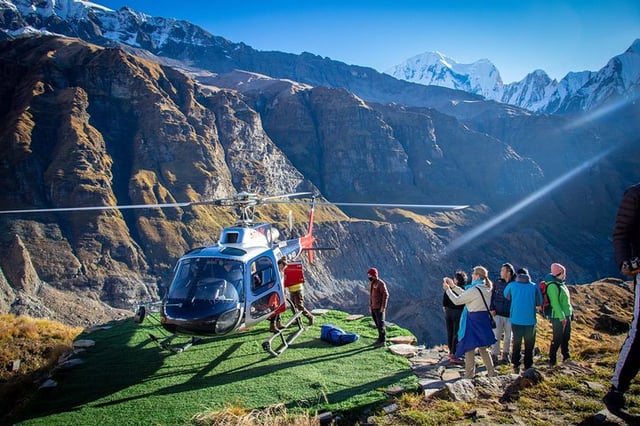
Insurance must cover trekking at altitude and include emergency helicopter evacuation. You should check your policy’s maximum altitude and ensure it comfortably covers 4,130 m.
It’s also wise to ensure cover includes trip disruption, as weather can affect flights and road transfers.
About the centre
Thamel Marg, Kathmandu
Operated by Mountain Delights Treks & Expedition, a partner of adventuro.
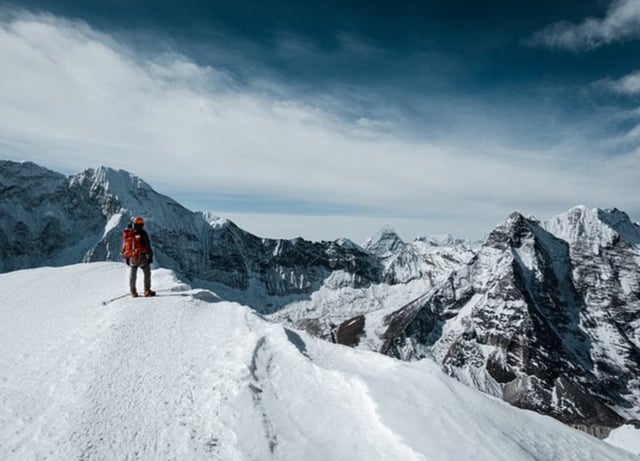
Bagmati Province, Nepal
From $2500
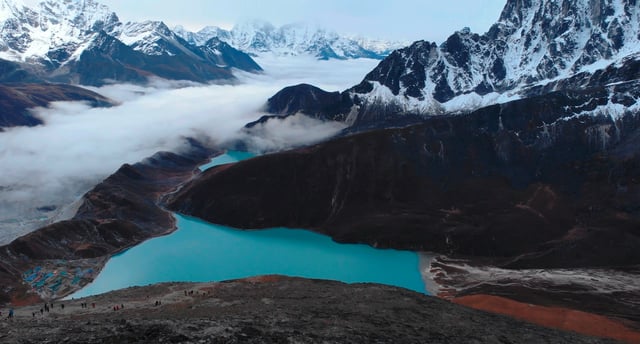
Bagmati Province, Nepal
From $1358
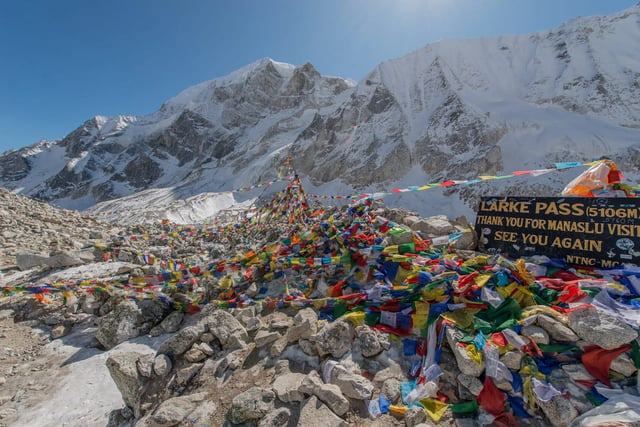
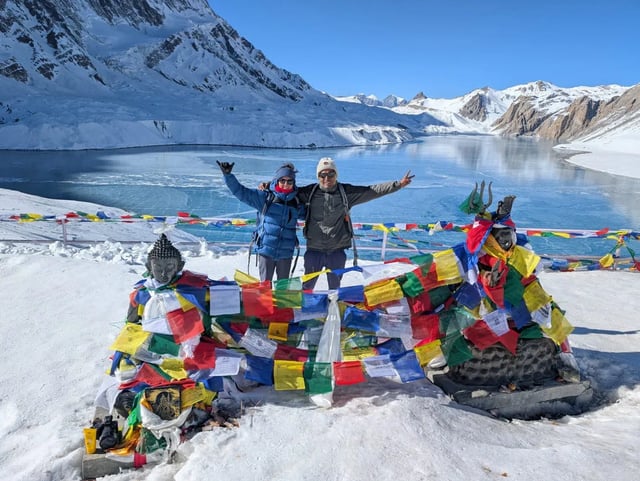
Bagmati Province, Nepal
From $760
Arunachal Himalaya (Tawang & Siang Region), Nepal
From $1450
Arunachal Himalaya (Tawang & Siang Region), Nepal
From $1700
Himachal Pradesh (Shimla, Manali, Spiti), Nepal
From $1750
Himachal Pradesh (Shimla, Manali, Spiti), Nepal
From $813
Arunachal Himalaya (Tawang & Siang Region), Nepal
From $2000