Walk deep into Morocco's Sahara on a seven-day route that mixes long desert days on foot with Berber culture, palm oases and golden dunes far from the busiest tourist tracks. Your camel caravan team carries camp kit while you trek across hamada, small dunes and quiet plateaus, sleeping under the stars in tents for most of the trip before a cultural finish at Atlas Studios and Ait Ben Haddou.
🎒 Key Details
- Duration: 7 days
- Format: Private tour, confirmed on request
- Walking: Around 5 to 6 hours trekking per day on desert trails
- Start and finish: Marrakech pickup; return to Marrakech on the final day via the High Atlas
- Overnights: Guesthouse or desert camp, wild camps in tents, and a night in Ouarzazate before the drive back
🧭 What to Expect
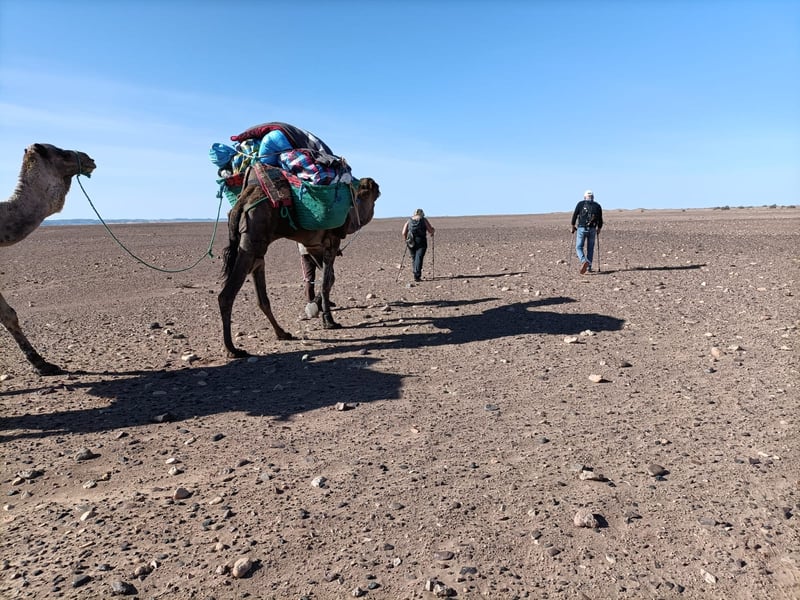
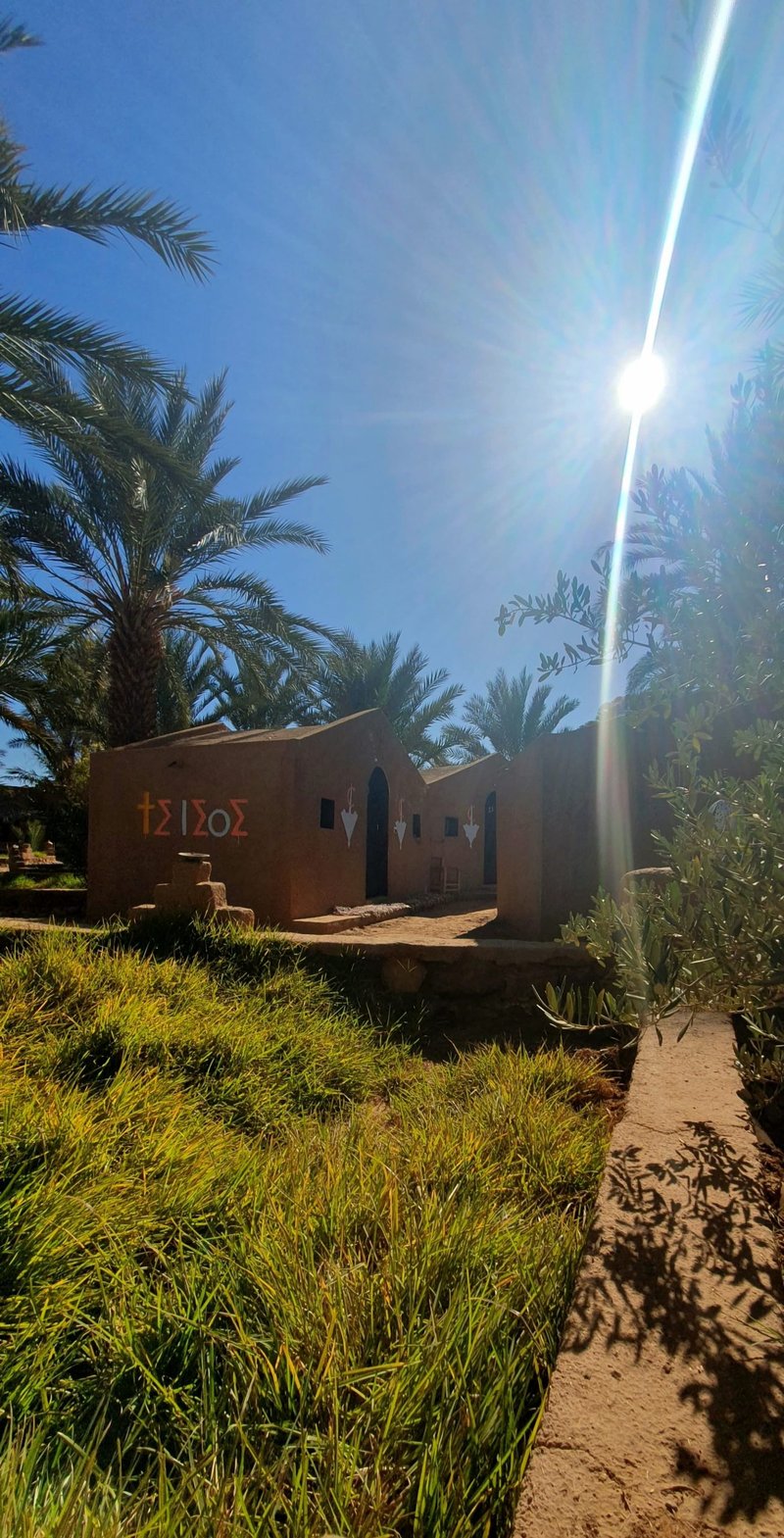
After breakfast in Marrakech you cross the High Atlas and follow the Draa Valley south toward the desert gateway at M'hamid, with your first night near Oulad Driss. From day two you walk with your guide and camel team through rocky hamada, sacred sites and open Sahara country toward Erg Smar, with camp set each evening away from roads and villages.
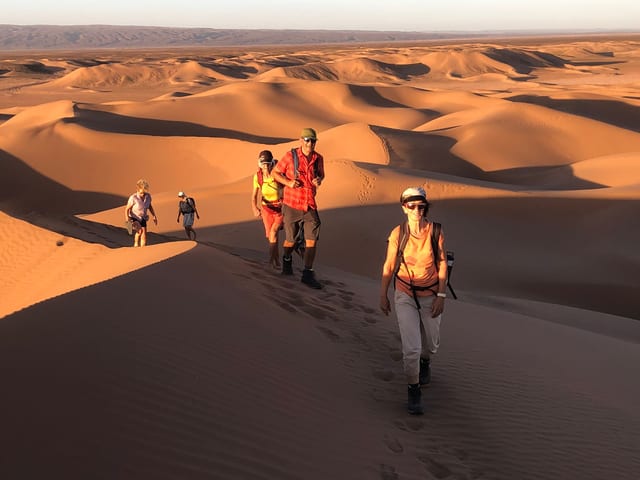
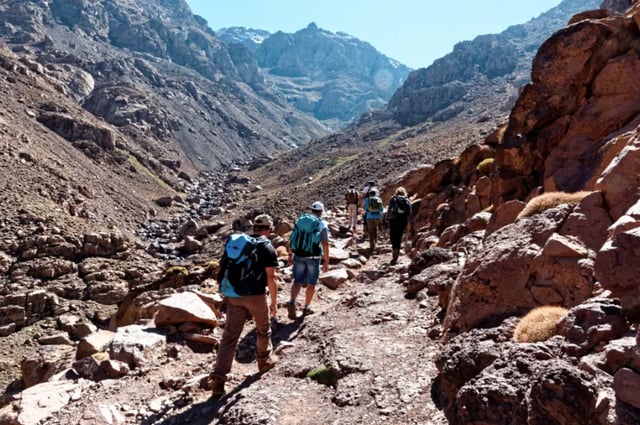
Each walking day runs for around five to six hours with regular stops for mint tea, lunch cooked on the trail and time to take in the silence of the hamada, small ergs and wide plateaus. Evenings are spent in tents under clear skies, with your crew handling camp setup and meals while you rest for the next day's march.
The pace is steady rather than rushed, with time to watch sunset on the dunes, share tea with your crew and notice oasis palms and nomad camps when routes cross their paths. The last trekking day reaches M'hamid El Ghizlane for the road transfer to Ouarzazate, where you visit Atlas Studios and the kasbah at Ait Ben Haddou before the scenic Tizi n'Tichka drive back to Marrakech.
📍 Location
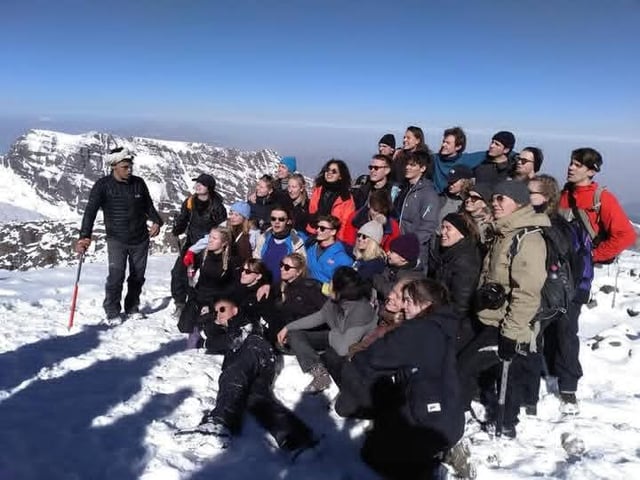
The trip links three distinct Moroccan landscapes: the snow-capped High Atlas passes above Marrakech, the long green corridor of the Draa Valley with its kasbahs and date palms, and the open Sahara south of M'hamid where hamada, ergs and dry riverbeds define the horizon.
Walking stages pass places such as Sidi Naji, the Zhair area, Erg Smar and Oued Naam, names that mean little on a map but mark quiet, remote country where the night sky and morning light on sand are the main spectacle. Ouarzazate adds a cinematic side to the finish, with studio sets and the fortified village of Ait Ben Haddou above the river.
✅ Prerequisites
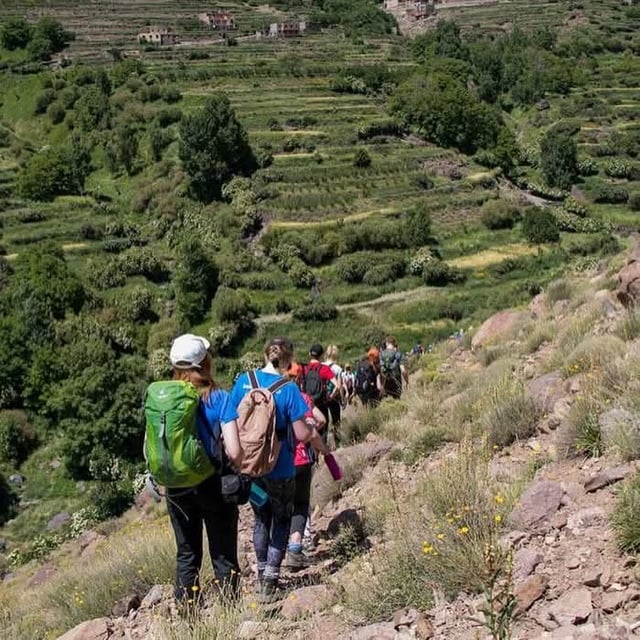
You do not need technical climbing skills or prior desert experience, but you should be comfortable walking five to six hours a day on sandy, rocky and sometimes uneven ground with a daypack. Hot sun, cool nights and dry air are normal, so pacing, hydration and sensible layers matter more than speed.
If you have questions about fitness, kit or how wild camping works on the route, message before you book so the team can advise on preparation. Nomad families move with their herds, so sightings are a bonus when paths cross, not a guaranteed part of every departure.
🌟 Why Choose Us
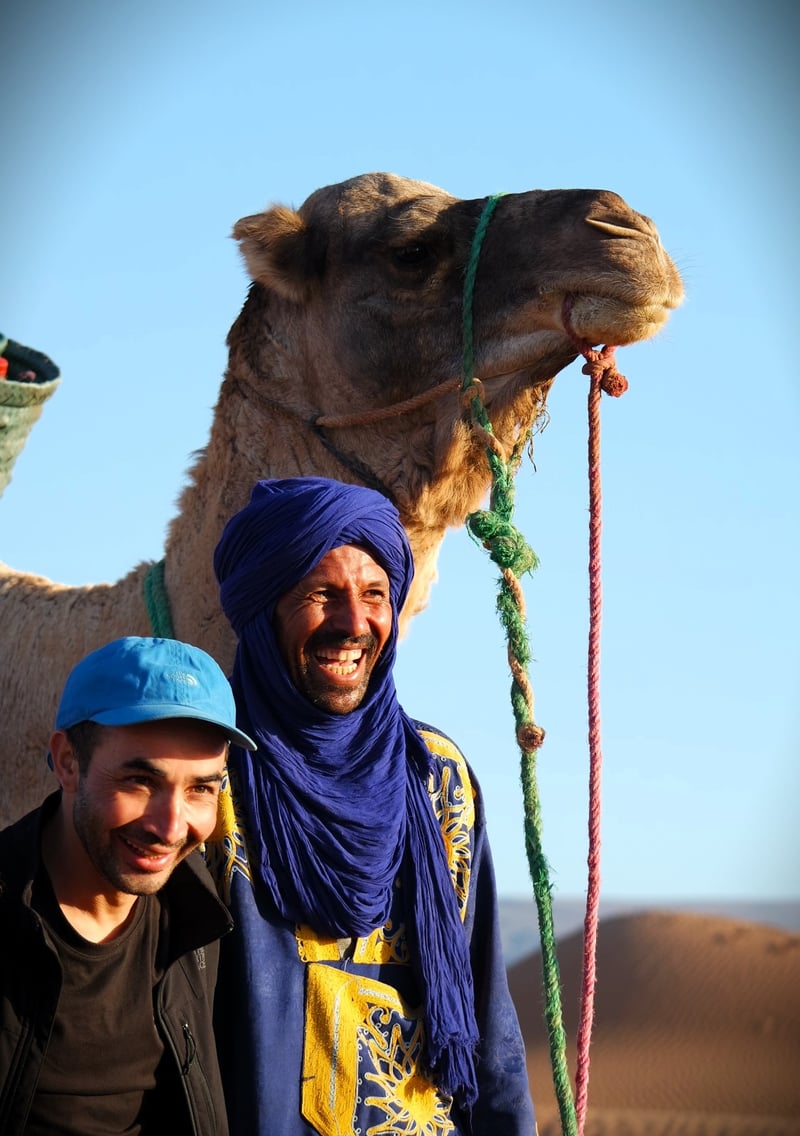
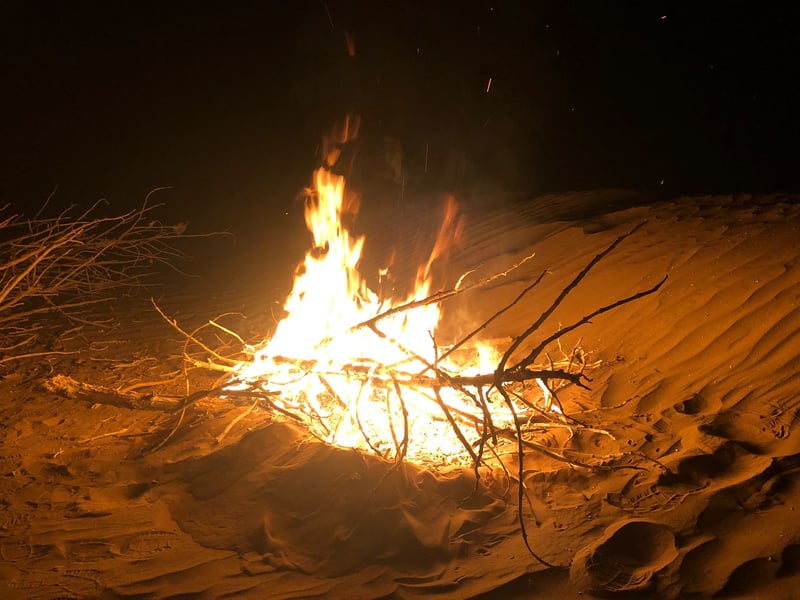
Desert weeks are run by local guides, cooks and camel handlers who know the M'hamid corridors and camp routines intimately, with English spoken alongside French and Arabic on the trail. Groups are kept to a human scale so the week feels personal rather than convoy-like, and the same crew travels with you from the first camp fire to the last dune sunrise.
Logistics from Marrakech pickup through meals, tents and the Ouarzazate sightseeing day are handled in one package, which past trekkers often mention when they talk about how smoothly long Moroccan trips run. You arrive with a clear day-by-day plan and a team focused on safety, comfort within simple camps, and sharing Berber hospitality along the way.