We partner with Rewilding Britain to help protect our natural spaces for future adventures.
All centres are vetted for safety and quality. Your adventure is in good hands with adventuro.
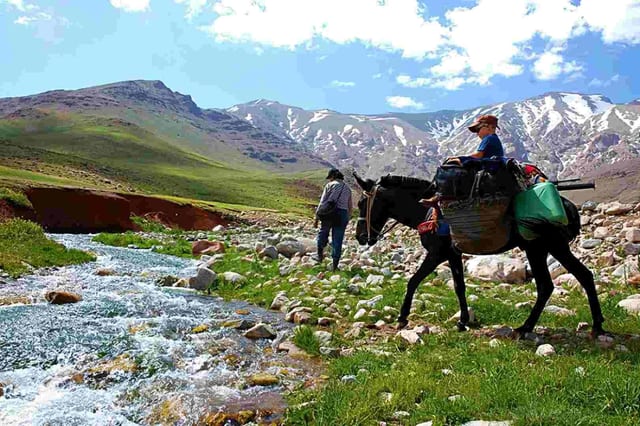
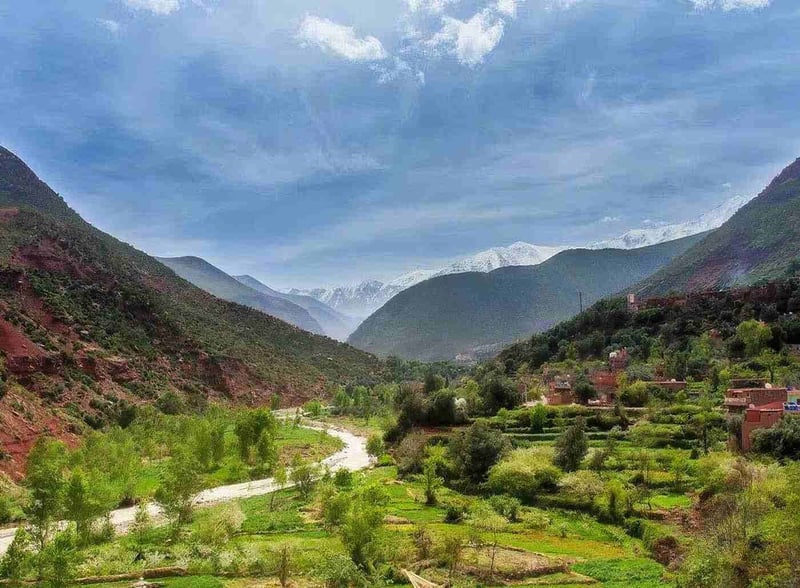
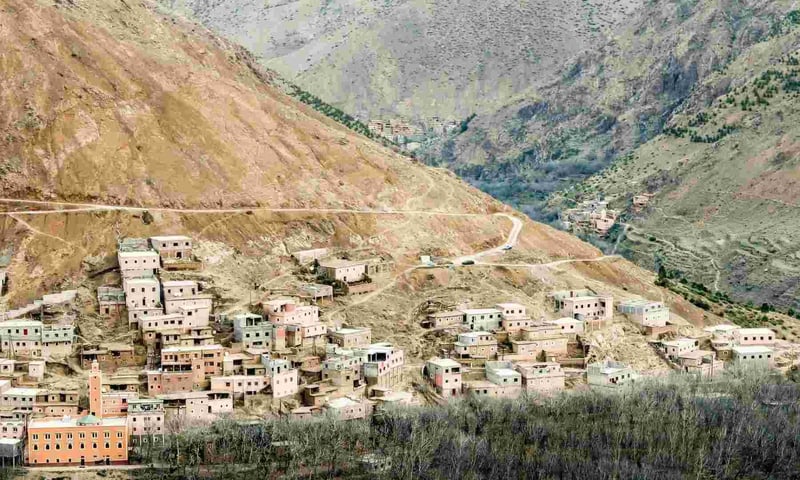
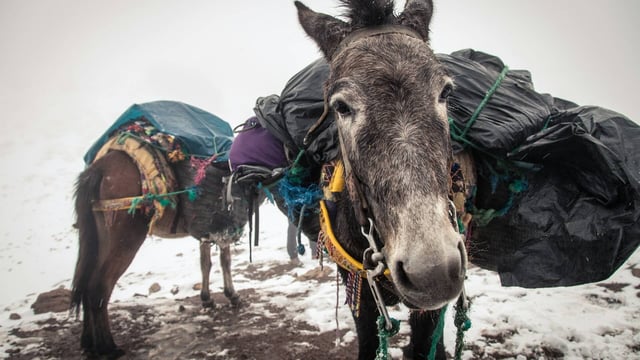
Over three days you leave Marrakech for the High Atlas foothills and follow well-used mule paths into the Imlil Valley. The first night is in a comfortable Berber guesthouse where you settle into mountain rhythm, share a home-cooked meal, and prepare kit for the days ahead. Day two climbs steadily through pine woodland and open slopes to the Toubkal Refuge, with porters and mules carrying shared equipment above the snowline when needed.
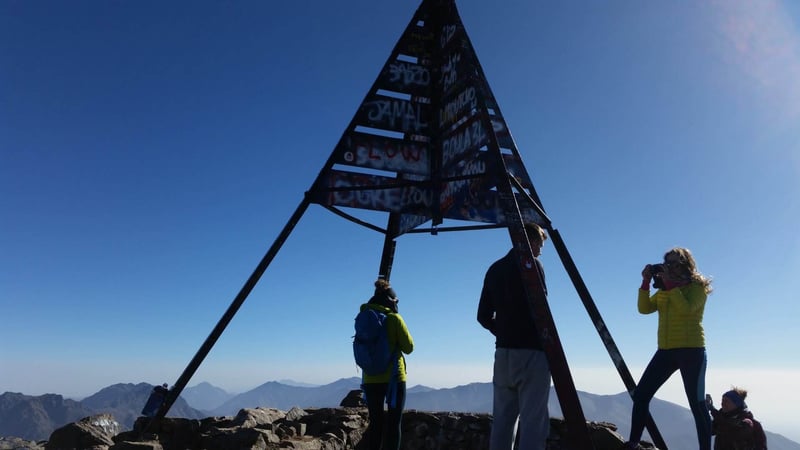
Summit day starts before dawn for the final push to the Toubkal crest. The route crosses scree and, in season, firm snow patches where crampons may be useful. After reaching the top and taking in the wide Atlas panorama, you descend to Imlil and return to Marrakech by road. Pacing, acclimatisation stops, and guide decisions on weather keep the climb achievable for fit hikers with some mountain walking behind them.
Your guides live and work in these mountains year-round, so route choices, camp logistics, and village connections reflect genuine local knowledge rather than a generic tour template. Mule teams, refuge bookings, and meal planning are handled in advance, which means you can focus on the walking and the views instead of carrying a heavy pack for three days.
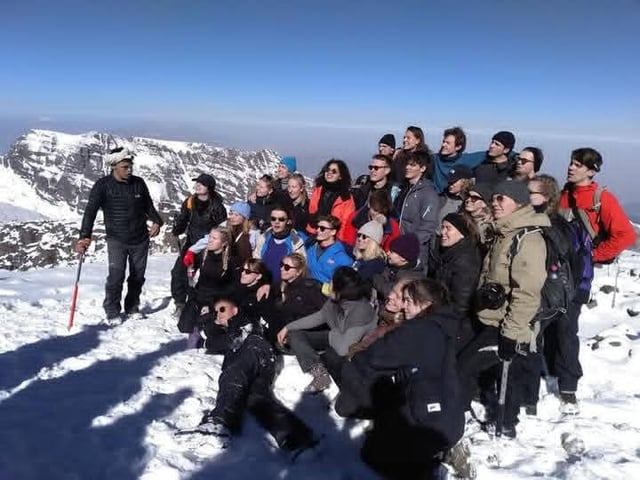
Groups are kept to a practical size with attentive leadership on exposed sections and at altitude. The team communicates clearly about pace, weather windows, and what to expect each morning, so you always know the plan before leaving the guesthouse or refuge.
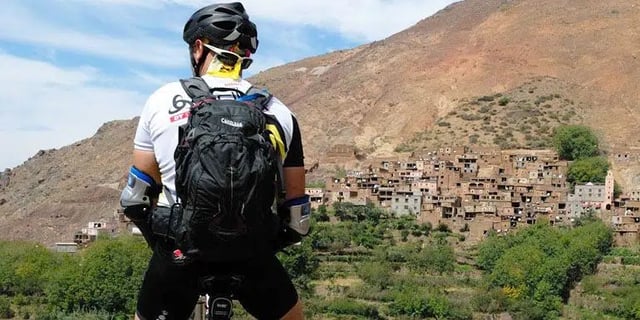
After pickup from your Marrakech hotel or riad, the drive climbs into the High Atlas to the village of Imlil, the main staging point for Toubkal routes. On arrival you meet the guide and mule team, review kit, and enjoy lunch or mint tea depending on timing. A short acclimatisation walk through the valley may follow, passing terraced fields and walnut groves with views toward the summit ridge.
The evening is spent in a Berber guesthouse with a shared dinner and briefing for the next day's climb to the refuge. Early night is encouraged because summit day starts before dawn on day three.
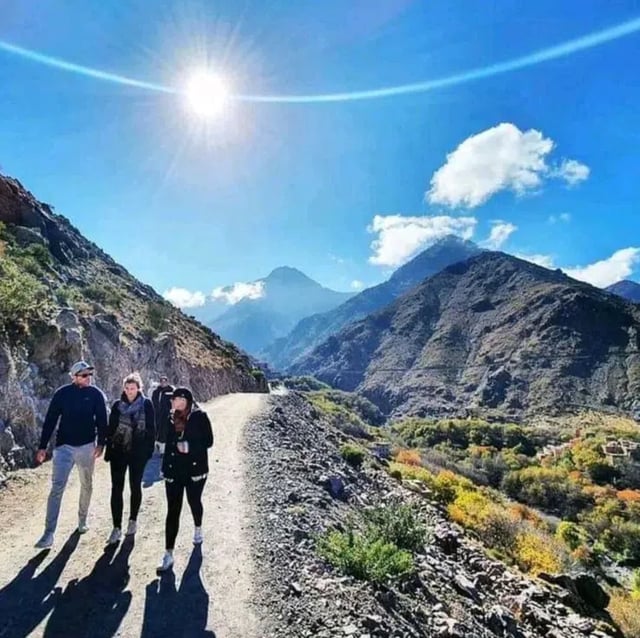
Today's trail gains height steadily from the valley through Aremd and open hillside paths toward the Toubkal Refuge. Mules carry heavier loads while you walk with a day pack, stopping for lunch and photos as the peaks close in around you. The pace is moderate with regular breaks to manage altitude and energy.
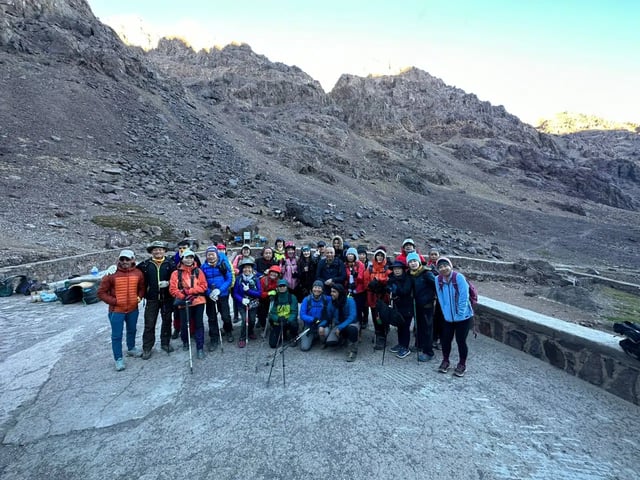
By late afternoon you reach the refuge area, settle into dormitory accommodation, and eat a hot meal before an early bedtime. The guide checks weather forecasts and confirms the summit plan, including wake-up time and what to wear in the cold pre-dawn hours.
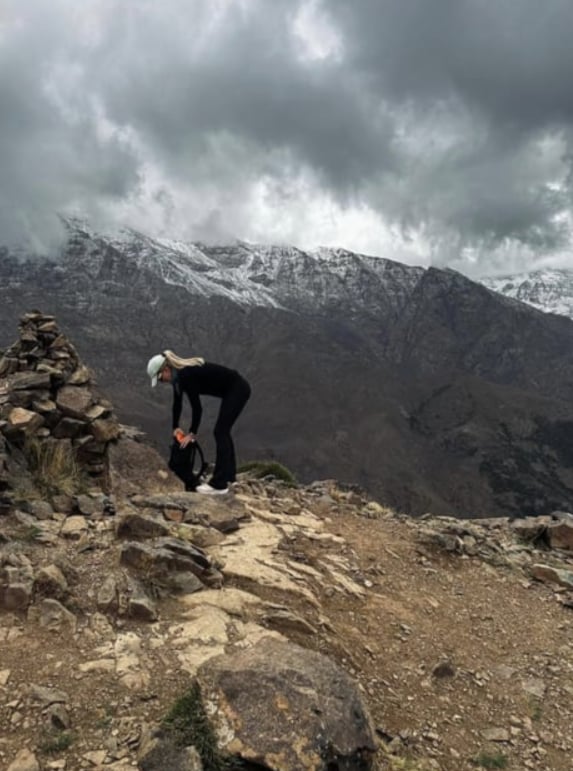
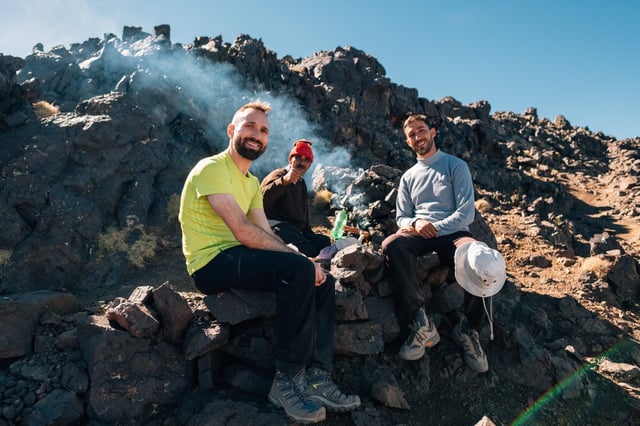
Head torches on, the group sets out while it is still dark for the final ascent to Jebel Toubkal at 4,167 m. The path crosses scree and, in season, short snow slopes where careful footing matters. At the summit, time is allowed for photos and rest before the long descent back to Imlil via the refuge.
Mule support and porters rejoin where needed on the way down. Once back in the valley, you collect any stored luggage and transfer by road to Marrakech, typically arriving mid to late afternoon depending on pace and traffic.
You will be picked up from your accommodation in Marrakech. Many riads do not have direct car access, so the driver parks nearby and meets you at a convenient point. Same-day pickup from Marrakech Menara Airport can be arranged when your arrival coincides with the tour start.
At the end of the activity you are dropped at the nearest accessible point to your hotel or riad. If needed, the driver can coordinate with your accommodation so someone is ready to meet you.
Essential kit: Sturdy broken-in hiking boots, day pack (30 to 40 litres), warm layers and waterproof jacket, hat and gloves, sun hat and sunglasses, head torch, water bottles or hydration system, personal toiletries, and a sleeping bag or liner for the refuge. Trekking poles are optional but helpful on descent.
Recommended extras: Sun cream, lip salve, blister kit, small personal first-aid supplies, and a dry bag for electronics. Crampons are not always required but check with the team before travel if you are booking in early spring or late autumn when hard snow is possible near the summit.
You should be able to walk uphill for several hours on consecutive days with a light day pack. Summit day often involves six to eight hours on the trail with steep sections and loose scree. Regular hill walking, jogging, or gym cardio in the weeks before travel makes the experience much more enjoyable.
Altitude is a factor above 3,000 m, so a sensible training plan and hydration on the mountain matter. The guides set a steady pace with rest stops, but this is still a demanding trek rather than a gentle valley stroll.
Spring (April to June) and autumn (September to November) usually offer stable weather and clearer paths below the snowline. Summer can be hot in the valleys though nights remain cool at the refuge. Winter ascents are possible for experienced winter walkers but expect cold, shorter daylight, and possible snow near the summit.
Your guides monitor conditions daily and may suggest crampons or adjust timing in shoulder seasons. If storms are forecast, the team may delay summit day or propose an alternative route that keeps the group safe.
Standard trekking kit is enough for most departures: broken-in boots, warm layers, waterproofs, hat, gloves, and a head torch. The refuge provides basic shelter; bring a sleeping bag or liner for comfort. Trekking poles help knees on the long descent from the summit.
In early spring or late autumn the team may advise light crampons or micro-spikes for short snow sections. Shared group equipment such as cooking gear and mule loads is organised by the crew, so you only carry personal items and water for each day.
Full board is included from arrival in Imlil through to your return transfer. Expect Moroccan staples such as tagines, bread, salads, and mint tea, with packed lunches or trail snacks on walking days. Vegetarian options can usually be arranged if you mention dietary needs when you enquire.
Drinks beyond water and tea with meals, such as soft drinks or alcohol, are not included. It is worth carrying a few personal snacks you know you tolerate well on long summit days.
The itinerary builds height gradually with a night in the valley and a night at the refuge before summit day, which helps most hikers acclimatise. Some people still feel mild headaches or breathlessness above 3,500 m, so drinking plenty of water and avoiding alcohol the night before help.
Guides watch for signs of altitude sickness and will turn back if someone is unwell. There is no shame in stopping below the top; safety and a good experience matter more than reaching the exact highest point.
Solo hikers are welcome and are usually matched with other bookings on the same dates when possible. If no group exists yet, the team can still run the trek for one person at the solo rate or suggest nearby dates with existing departures.
Sharing dormitory-style refuge space and guesthouse rooms is normal on this route. If you prefer a private room in Imlil, mention it when you enquire so the team can check availability and any supplement.
Comprehensive travel insurance that covers hiking to 4,500 m and emergency evacuation is strongly recommended. Medical facilities in the mountains are limited, and helicopter rescue, though rare, is expensive without cover.
Check that your policy includes mountain trekking rather than only general travel. Keep emergency contact details and policy numbers accessible and tell the guide about relevant medical conditions before you start walking.
Guides assess wind, visibility, snow stability, and group fitness before leaving the refuge in the dark. If conditions are unsafe, they may delay the attempt by a few hours, turn back partway, or skip the summit while still completing a scenic high route.
Severe storms occasionally require a rest day in Imlil or an earlier return to Marrakech. The team will propose alternative dates or routes where possible rather than pushing on in dangerous weather.
Tipping is customary in Morocco for guides, cooks, mule handlers, and porters who support the trek. Many guests set aside a shared pool at the end of the trip, though amounts are personal and depend on service quality and group size.
There is no fixed rule on tip levels; ask the lead guide discreetly if you are unsure how the crew prefers to receive thanks. Tips are not included in the activity price and should be planned separately in cash where possible.
Mules typically transport shared group equipment, food, and a limited personal kit bag per guest. You still carry a day pack with water, layers, snacks, and valuables while walking. Pack a soft duffel rather than a rigid suitcase for anything going on the mules.
Keep weight reasonable; around 10 to 12 kg per person for the mule load is a sensible guide unless the team confirms otherwise. Leave non-essential items at your Marrakech hotel if you can.
The road transfer between Marrakech and Imlil typically takes about 1.5 to 2 hours each way, depending on traffic and where you are picked up in the city.
Allow for this when planning your first and last days. Same-day airport pickup can be arranged when your flight timing matches the trek start.
About the centre
Marrakech
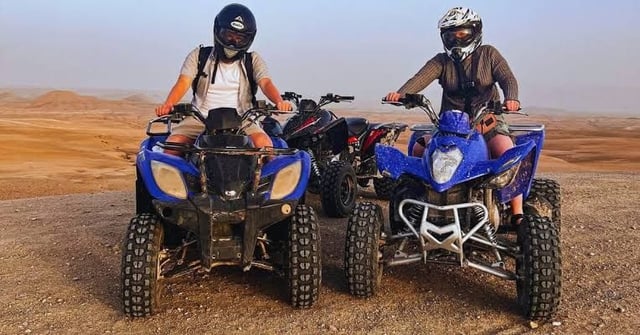
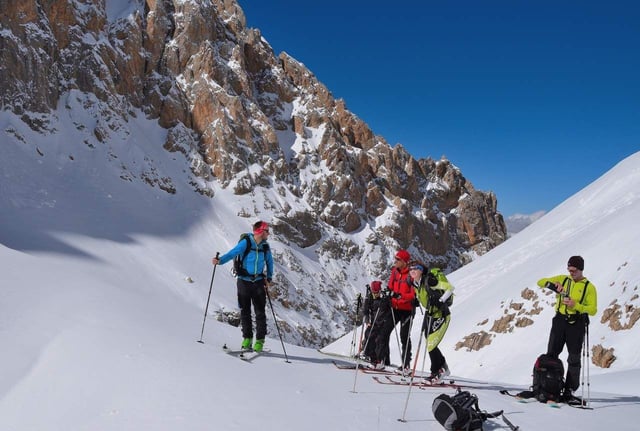
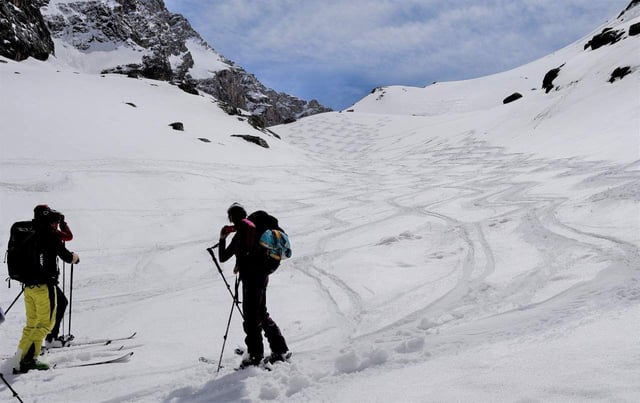
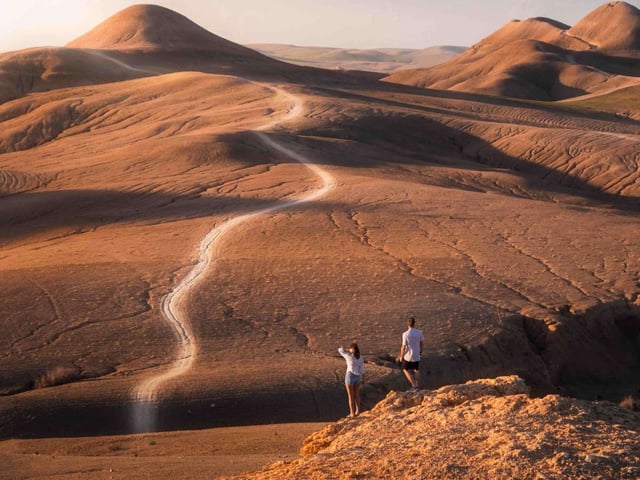
Based in Imlil at the gateway to the High Atlas, this licensed Berber mountain team specialises in guided treks, summit days, ski touring in season, and short adventures into the Agafay Desert. Routes run from gentle valley walks to North Africa's highest peak, with local guides, mule support where needed, and overnight stays in mountain refuges or village guesthouses.
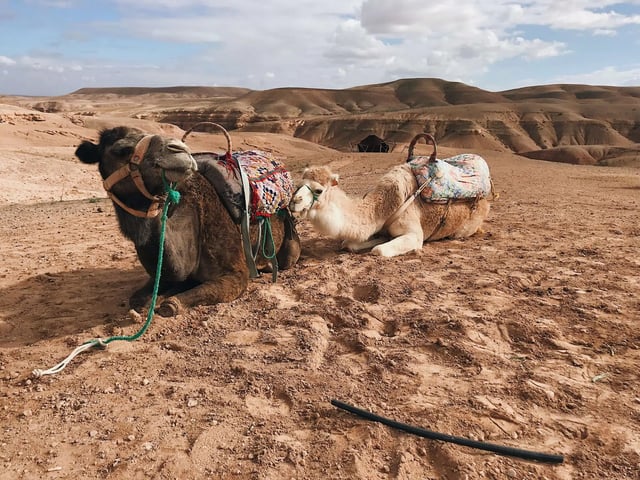
Experiences are shaped around authentic mountain culture and careful pacing, with Marrakech hotel and riad pickups as standard and optional same-day airport transfers when travel plans require them. Whether you are aiming for a weekend Toubkal ascent, a multi-day Atlas itinerary, or a half-day desert ride, the focus stays on safety, warm hospitality, and landscapes that stay with you long after the trail ends.
Operated by Toubkal Treks, a partner of adventuro.
Central & Atlas Mountains, Morocco
From €550
Central & Atlas Mountains, Morocco
From £450
Central & Atlas Mountains, Morocco
From £190
Central & Atlas Mountains, Morocco
From £180