We partner with Rewilding Britain to help protect our natural spaces for future adventures.
All centres are vetted for safety and quality. Your adventure is in good hands with adventuro.
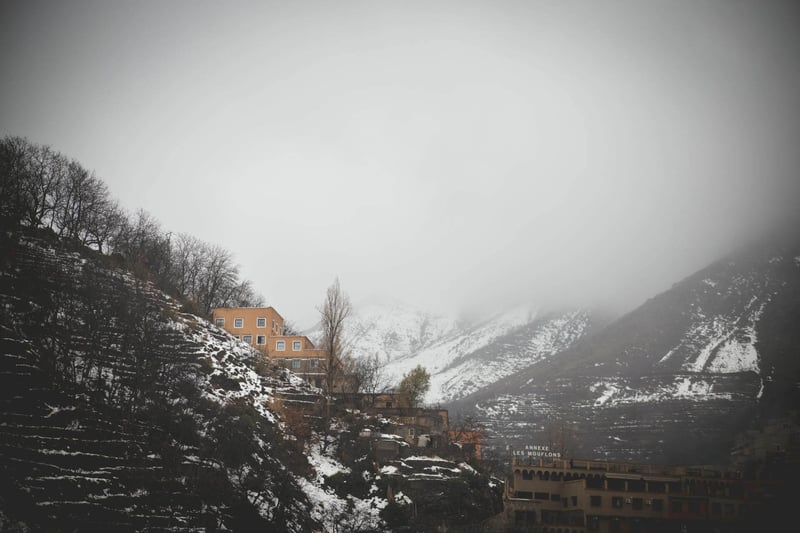
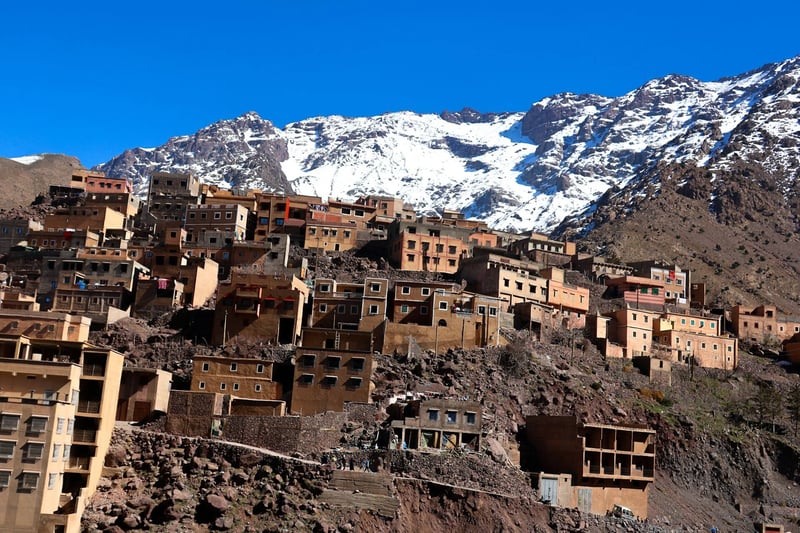
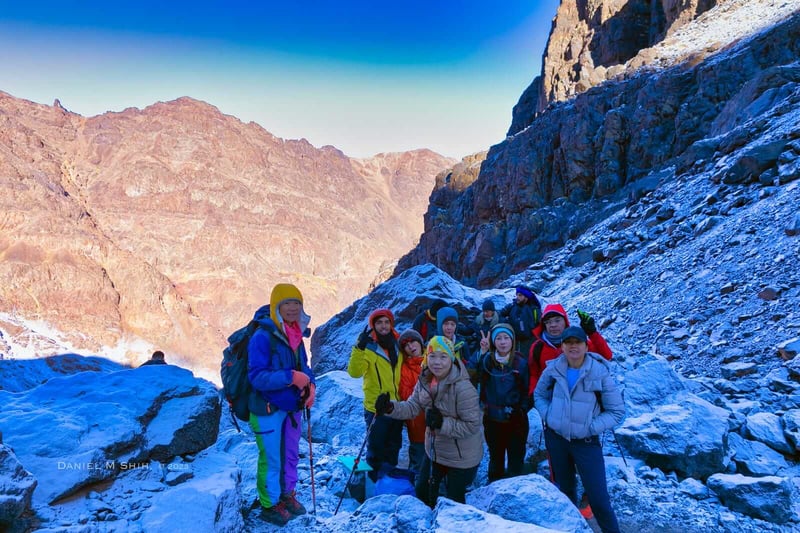
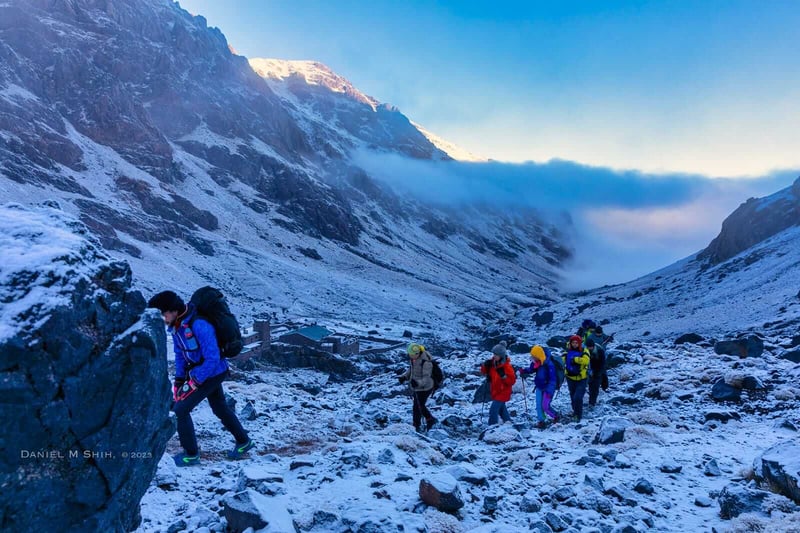
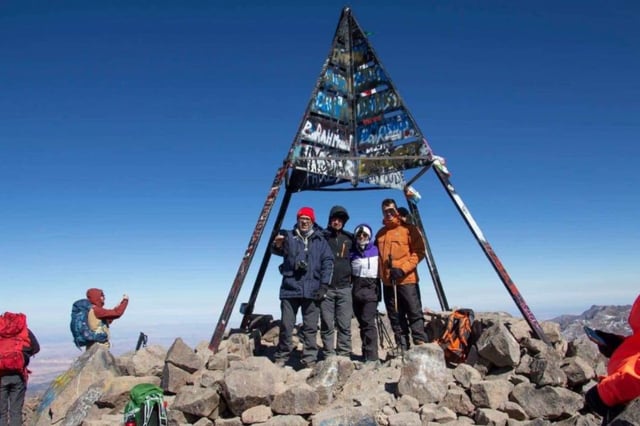
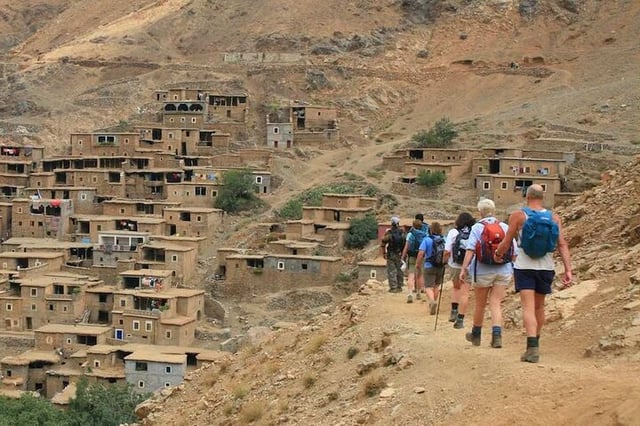
This winter version of the classic Toubkal route adds a second summit, the twin Ouanoukrim peaks at 4,089 metres, the second and third highest points in the High Atlas. Day one follows the Mizane Valley through Aremd and the Sidi Chamarouch shrine to the Toubkal Refuge at 3,207 metres, with a full Berber team of guide and cook in support.
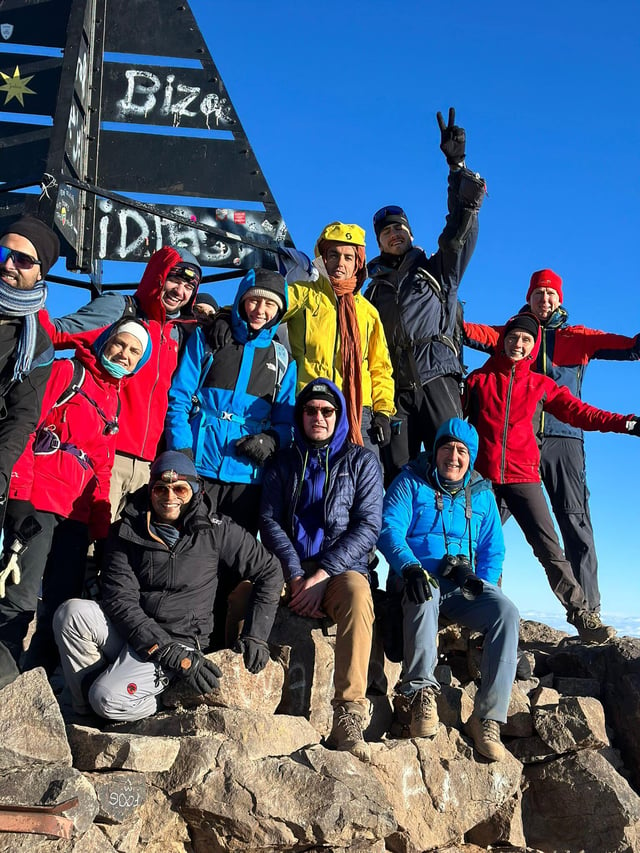
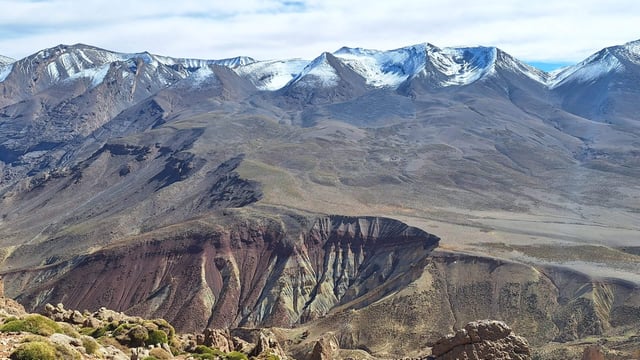
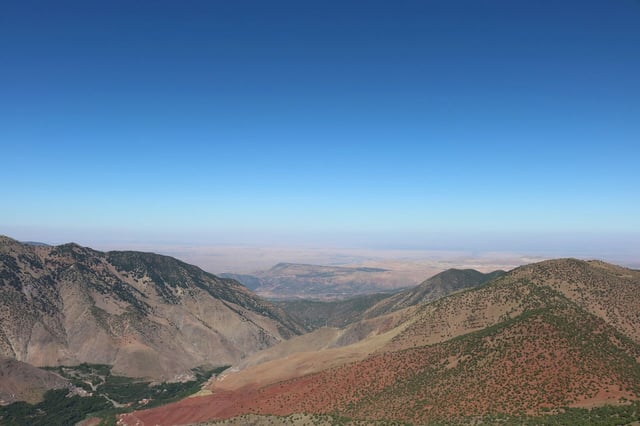
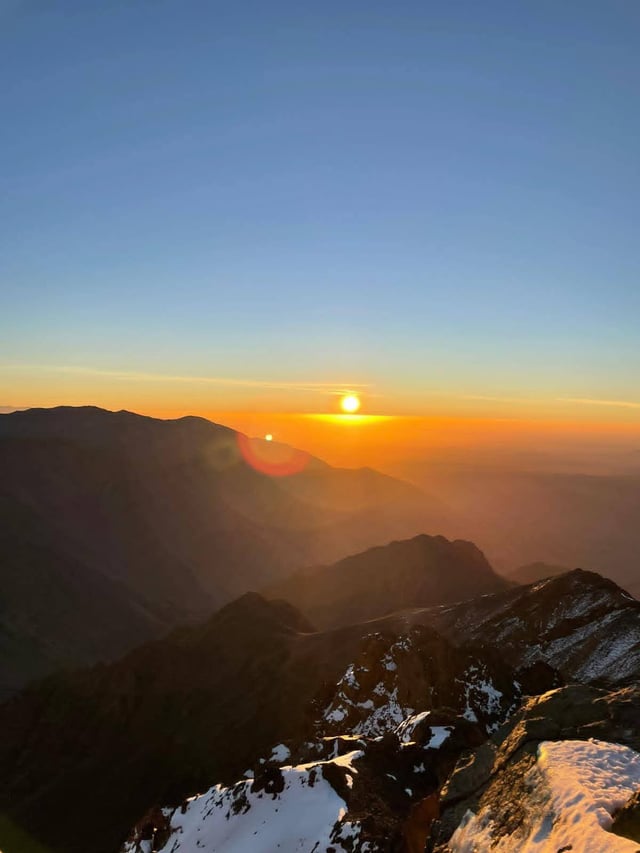
Day two is dedicated to the Ouanoukrim ascent, both for the summit itself and as acclimatisation for Toubkal the following day. Day three is the main event, an early start climbing snowfields and rocky terrain to the roof of North Africa, with 360 degree views stretching from the Marrakech Plain to the Anti-Atlas and Sahara. Day four descends back to Imlil and Marrakech.
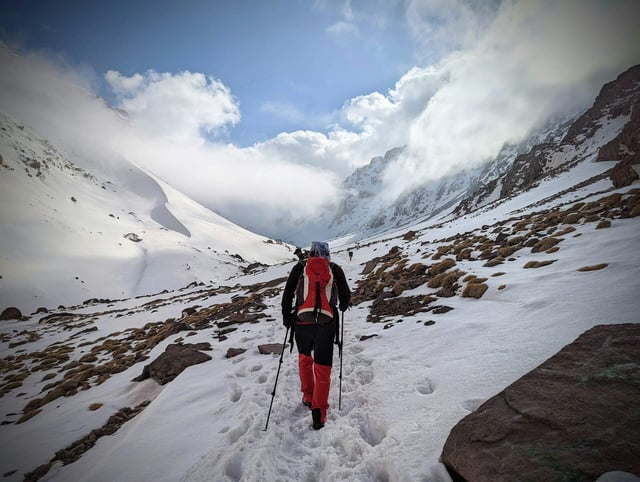
Winter trekking in the High Atlas requires proper mountaineering clothing and, depending on conditions, crampons, but rewards trekkers with a quieter mountain and dramatic snow-covered scenery. This trip suits adventurous travellers who already have some winter hiking experience and want more than a single summit.
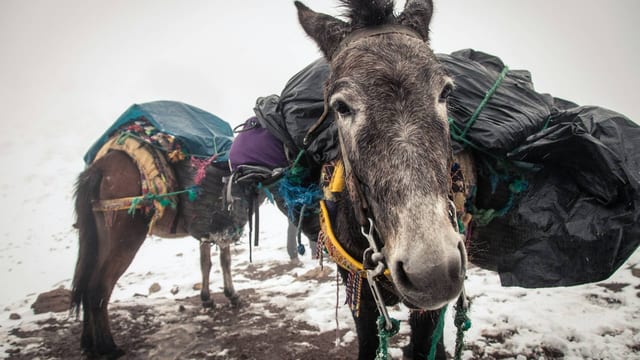
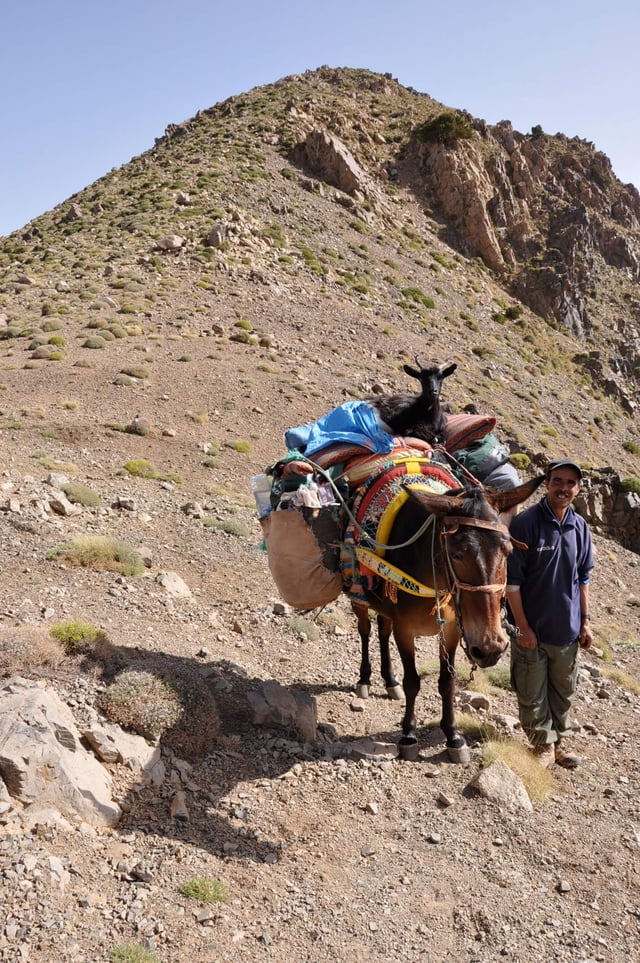
Mules or porters carry luggage where the terrain allows, with a professional Berber team supporting the group throughout.
This winter version adds a second summit, the twin Ouanoukrim peaks at 4,089 metres, and takes place in snow-covered winter conditions rather than the standard summer route, so it involves more technical terrain and additional acclimatisation time.
It is a more demanding trip overall and better suited to experienced winter hikers than the standard summer ascent.
Previous winter hiking or mountaineering experience is strongly recommended, since the route crosses snowfields and may require crampons depending on conditions. This is a more demanding trip than the standard summer Toubkal ascent.
Two summit days back to back also mean sustained fitness matters more than on a single-peak route.
Crampons may be needed depending on snow and ice conditions on the day, and equipment rental can be arranged if required. This is not included in the trip price and is confirmed closer to departure based on conditions.
Your guide will advise on exact requirements once conditions for your dates are known.
The Ouanoukrim ascent on day two both delivers a second worthwhile summit and acts as acclimatisation for the Toubkal attempt the following day, making the two summits work well together on a single trip.
It also adds variety to the route rather than repeating the same terrain on the way up and down.
Nights are spent in a mountain refuge or local guesthouse depending on the stage of the itinerary, with the Toubkal Refuge at 3,207 metres serving as the base for both summit days.
Refuge facilities are simple mountain-hut standard, in keeping with the remote winter setting.
Mules or porters carry luggage where the terrain allows, though winter conditions can sometimes limit this, so check with your guide about what to expect on the day.
Bring a daypack for essentials you'll want with you during the trekking sections regardless.
The minimum age is 10, though winter conditions and technical terrain mean this trip suits experienced older children and adults rather than complete beginners.
Group sizes range up to 20 people, and private departures can be arranged on request.
Mountaineering boots suitable for snow and crampons, warm insulated layers, a winter-rated jacket, gloves, a warm hat and gaiters are essential for this route.
Sun protection for high-altitude snow glare, a head torch and a reusable water bottle round out the essential kit.
Winter conditions in the High Atlas typically bring snow to the higher terrain, and exact conditions vary year to year, so your guide will advise on the likely conditions and equipment needs for your specific travel dates.
Snow cover generally makes the mountain quieter than the busier summer season.
Cancellations made more than 90 days before departure receive a full refund. Cancellations between 80 and 90 days before departure receive a 50% refund, and cancellations within 70 days of departure are non-refundable.
Written notice is required, and travel cancellation insurance is strongly recommended given the technical nature of this route.
About the centre
Marrakech
Operated by Active Treks Morocco, a partner of adventuro.

Central & Atlas Mountains, Morocco
From £407

Central & Atlas Mountains, Morocco
From £450

Central & Atlas Mountains, Morocco
From €450