We partner with Rewilding Britain to help protect our natural spaces for future adventures.
All centres are vetted for safety and quality. Your adventure is in good hands with adventuro.
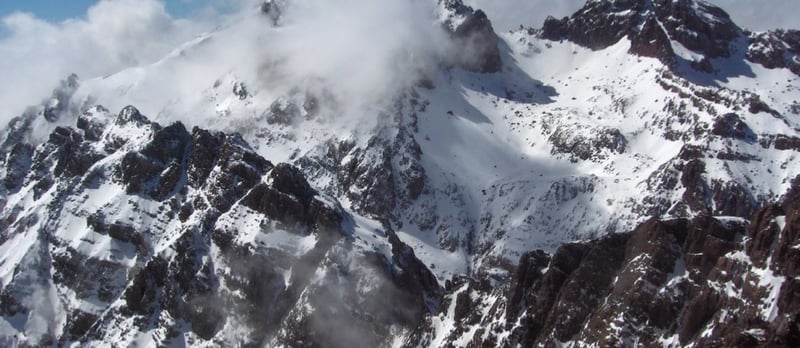
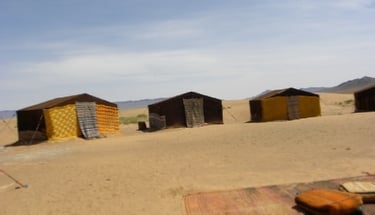
This two-day trip from Marrakech takes you into the High Atlas for a focused ascent of Mount Toubkal, North Africa's highest peak. You'll spend a night high in the mountains to acclimatise before an early summit push on rocky alpine terrain. The route returns to Marrakech with the achievement of standing at 4,167 metres behind you.
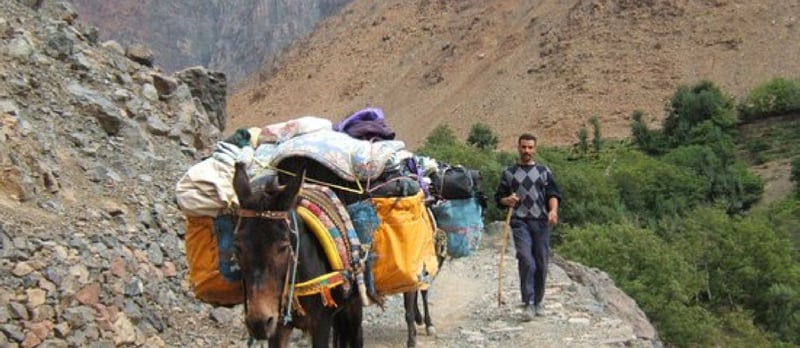
You'll leave Marrakech for a compact two-day High Atlas ascent with one night at the Toubkal Refuge and an early summit push toward 4,167 metres. The walking is steep and rocky at altitude, with long days on mule paths and scree rather than gentle valley strolls.
Your guide manages pace and weather on the mountain while pickup, refuge night and return transfer are handled as one trip. The full day-by-day schedule, including Imlil approach and summit timing, sits in the itinerary below rather than in this overview.
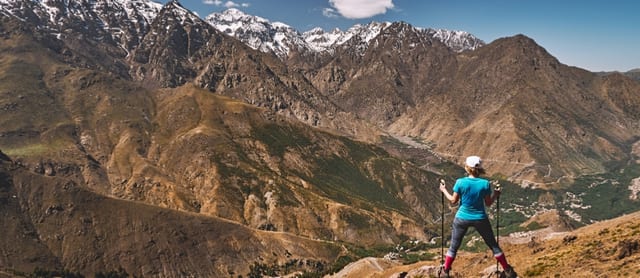
Imlil sits in the High Atlas south of Marrakech and is the gateway village for every Toubkal approach. Walnut groves and terraced fields line the lower valleys, while higher paths cross granite slabs and scree beneath peaks that stay snow-capped well into spring.
The summit zone sits above 4,000 metres with views across the range toward Jebel Siroua and the Marrakesh hinterland. Being close to the city keeps the trip compact once you leave the valley floor, yet you still sleep high in true alpine country before the final push.
You need to be comfortable walking steep, rocky trails for several hours with a daypack, including a long summit day with a big climb and a sustained descent. Previous hill walking experience helps, especially if you have tackled full days on uneven ground before.
Technical climbing skills are not required in normal dry conditions. Share your recent hiking experience when you enquire so we can confirm the pace suits your group and advise on summit timing for your fitness level.
Your guide knows these trails through the seasons and manages each day around weather, group pace and a safe summit window rather than a fixed timetable. That local knowledge matters on Toubkal, where afternoon clouds and wind can change plans quickly on the upper mountain.
Pickup, the refuge night and the return transfer are organised as one trip so you can concentrate on the walk rather than sorting drivers, muleteers and mountain permits in Imlil. We handle the logistics while you focus on the climb.
You'll be collected from your Marrakech hotel or riad and drive south into the High Atlas. The road climbs toward Imlil, the gateway village for Toubkal approaches, in about one and a half to two hours.
On arrival you meet your guide, check kit and start walking with a daypack. The city drops away quickly once you leave the road head.
The path leads through Aremd and on to the Sidi Chamarouch shrine, then climbs mule tracks toward the granite cliffs above the valley. You follow the Ait Mizane Valley as the ground turns more alpine.
You reach the Toubkal Refuge at about 3,206 metres after typically 4 to 5 hours of walking. Settle in, eat and rest for the early summit start.
You leave the refuge early and climb the south cirque toward Jebel Toubkal, the highest peak in North Africa at 4,167 metres. From the top there are open views toward the Marrakesh Plain, the High Atlas and, on clear days, the Anti-Atlas and the Sahara.
You retrace the path to the refuge, continue down to Imlil and transfer back to Marrakech. Walking time is typically a full mountain day including the descent.
You'll be collected from your hotel or riad in Marrakech around 8.30am. Many riads sit on pedestrian streets, so the driver parks nearby and meets you at a convenient point.
The road to Imlil takes about one and a half to two hours. On the second afternoon you transfer from Imlil back to Marrakech, usually arriving by early evening.
Night one is at the Toubkal Refuge around 3,206 metres. Expect shared mountain rooms, a communal dining space and a simple overnight before the summit.
Nights are cold and facilities are basic rather than hotel-like. Bring a sleeping bag suited to the season so you stay warm through the early start.
You'll be collected from your hotel or riad in Marrakech around 8.30am on day one. Many riads sit on pedestrian streets, so the driver parks nearby and meets you at a convenient point.
At the end of day two you transfer from Imlil back to Marrakech and are dropped at your hotel or a point you agree in advance, usually by early evening.
This is a demanding two-day walk at altitude. You should be happy on steep, rocky paths for several hours, including a long summit day with a large climb and a long descent.
You do not need technical climbing skills in normal dry conditions. Tell us about recent hiking experience when you enquire so we can advise on pace and summit timing.
You spend one night at the Toubkal Refuge around 3,206 metres. Rooms and dining are shared with other trekkers, and the stay is practical rather than hotel-like.
Bring a sleeping bag suited to a cold mountain night so you can rest before the early summit start. We will confirm the refuge arrangement with your dates.
Meals during the trek days are included so you stay fuelled for the approach and the summit. Food is prepared with the mountain team around the walking schedule.
Tell us about vegetarian needs or allergies when you enquire so the cook can plan ahead. Drinks are not included.
Walking boots, warm layers, waterproofs, a season-suitable sleeping bag, a daypack, water, a head torch, sunglasses and sunscreen are the essentials.
Keep water and spare layers in the bag you carry, as you will need them on the trail between Imlil and the refuge.
Summit day is a full mountain day with an early start, the climb to 4,167 metres and a long descent to Imlil. After that you transfer back to Marrakech.
Most groups arrive in the city by early evening, though the exact time depends on pace and conditions on the mountain.
This trek is built around long walking days at altitude. If you want to bring older children who already hike regularly, share their recent experience when you enquire.
We will advise honestly before you travel rather than guessing a minimum age for every family, as children vary widely in stamina at altitude.
High Atlas weather can change quickly. Your guide watches conditions and may adjust the plan for safety, including a later start or a turnaround on the upper mountain.
If the mountain is unsafe, we will be in touch about a revised plan. Your safety comes before reaching the summit on a fixed timetable.
We plan every trip around a realistic summit window, but mountain weather and group pace can change the day. Your guide makes the final call on the upper slopes.
Many groups reach the top in clear conditions, yet a safe turnaround below the summit is still a strong day in the High Atlas with views you will remember.
Standard trekking kit is enough in normal dry conditions. Crampons and ice axes are not usually required outside winter, though your guide will say if the season changes that.
Sturdy boots with ankle support matter more than fancy gear. We can suggest a kit list when you enquire if you are new to altitude walking.
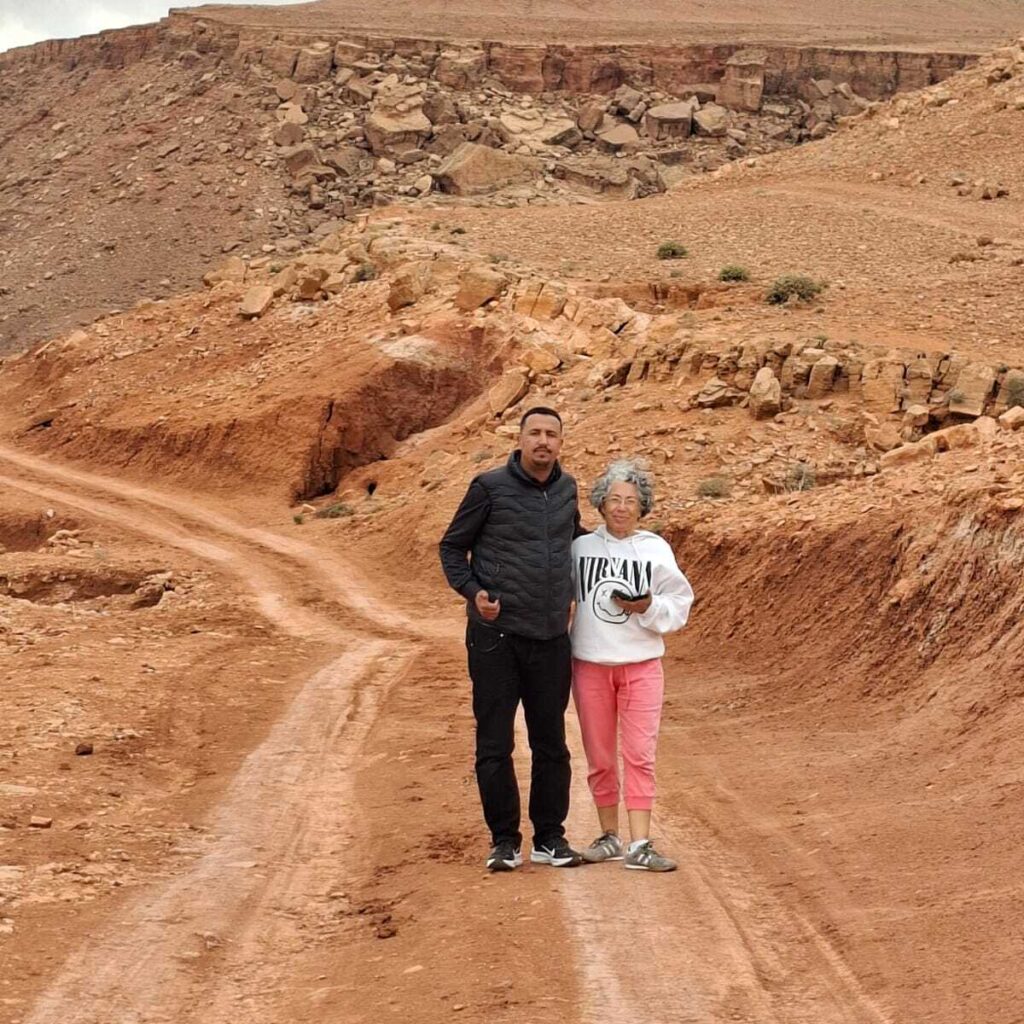
About the centre
Marrakech
Operated by Trek Morocco Desert, a partner of adventuro.
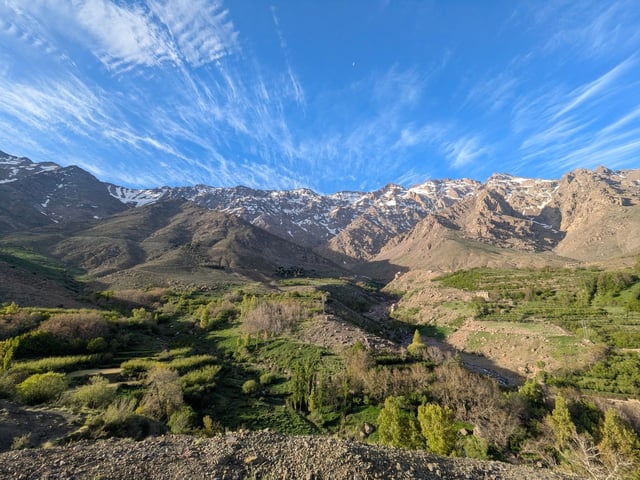
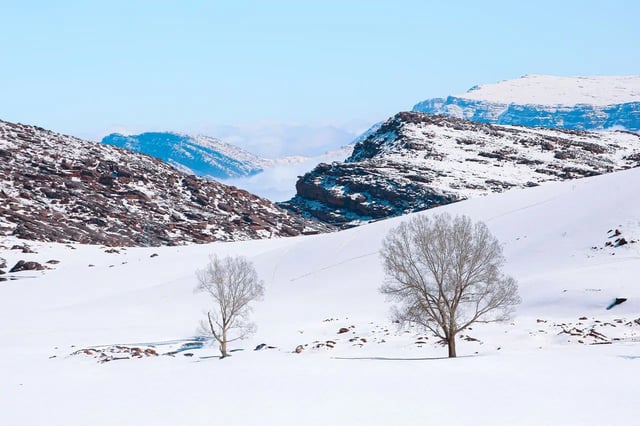
Central & Atlas Mountains, Morocco
From €2000
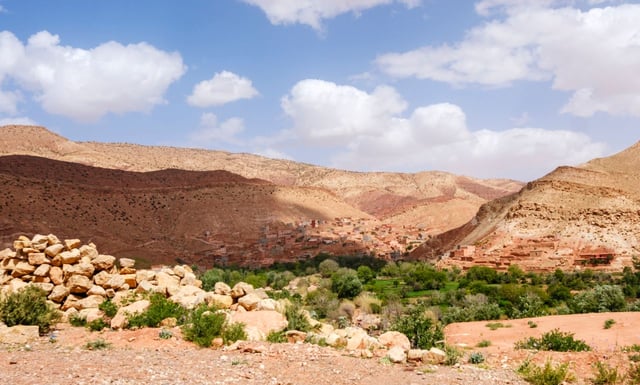
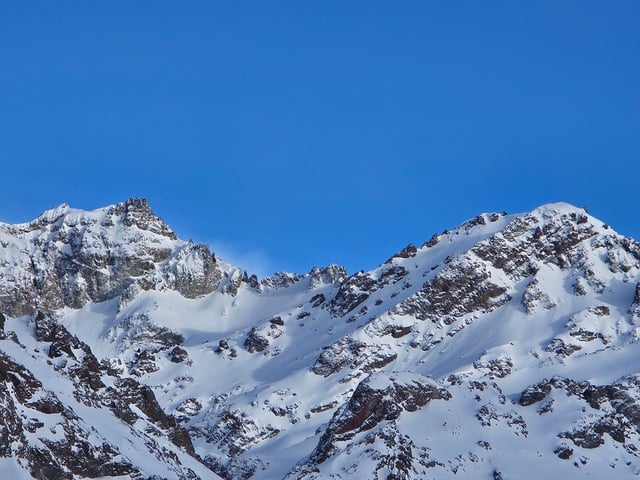
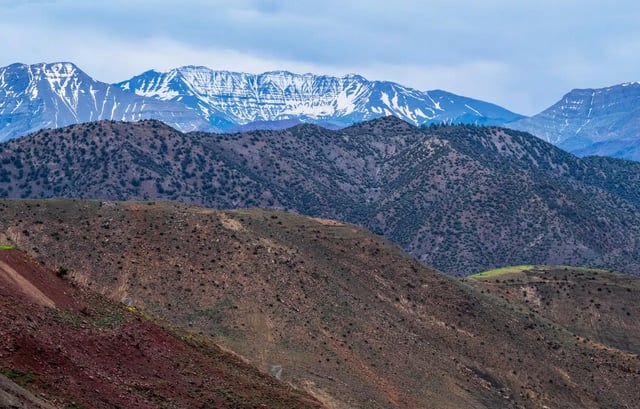
Saharan & Southern Provinces, Morocco
From €850