
We partner with Rewilding Britain to help protect our natural spaces for future adventures.
All centres are vetted for safety and quality. Your adventure is in good hands with adventuro.
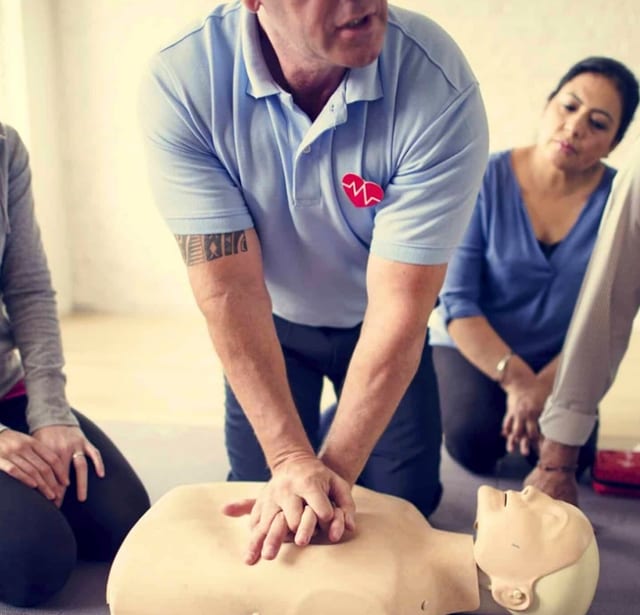
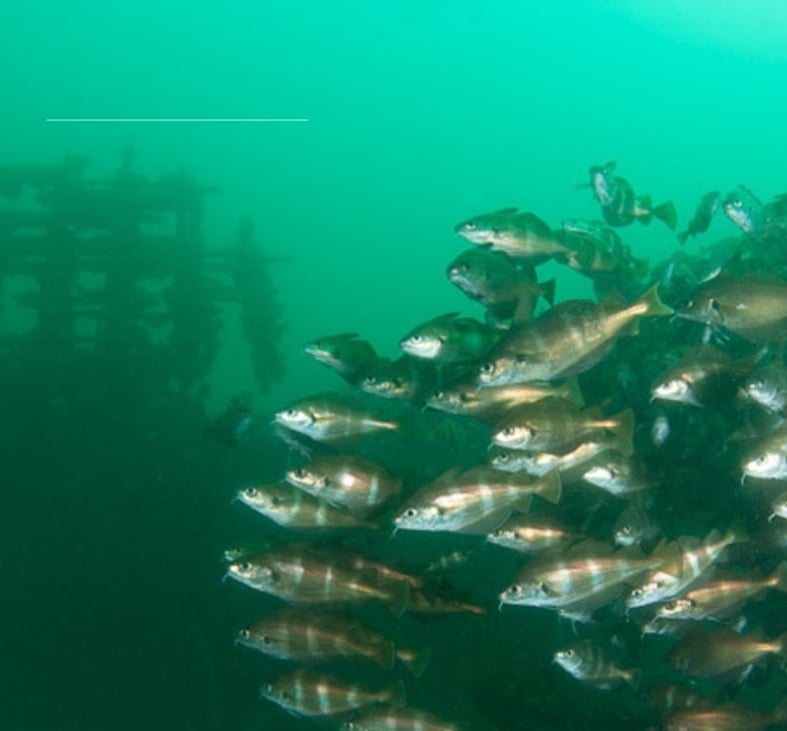


Prepare yourself to respond confidently to a wide range of medical emergencies with the Emergency First Response Primary and Secondary Care course. This training equips you with practical skills and knowledge to act effectively in critical situations. Ideal for divers, workplaces, and anyone wanting essential lifesaving skills, it combines theory and hands-on practice in a supportive environment.
Theory Sessions
You’ll start with self-paced eLearning modules covering both primary and secondary care. Topics include CPR, airway management, choking relief, injury assessment, and treatment for common emergencies. Interactive exercises and quizzes reinforce understanding and prepare you for practical skill application.
Practical Skill Development
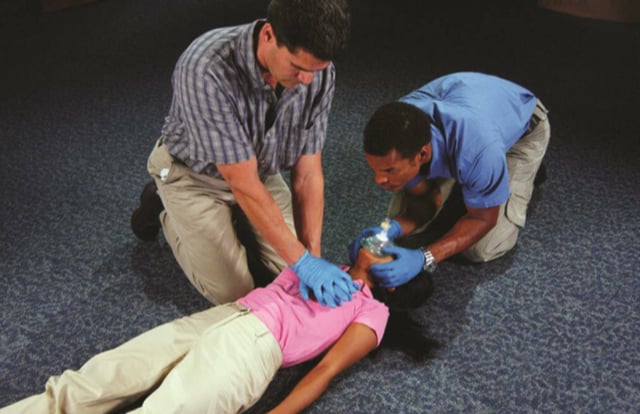
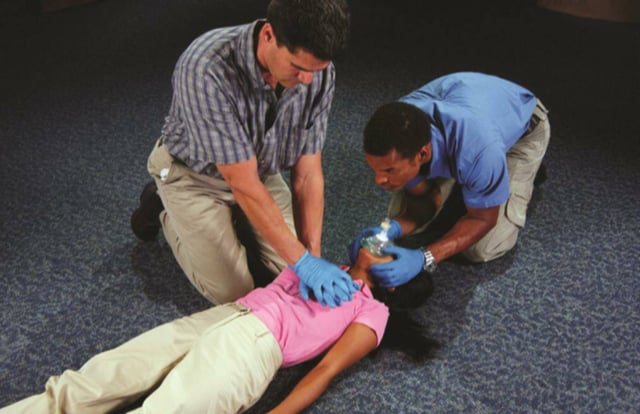
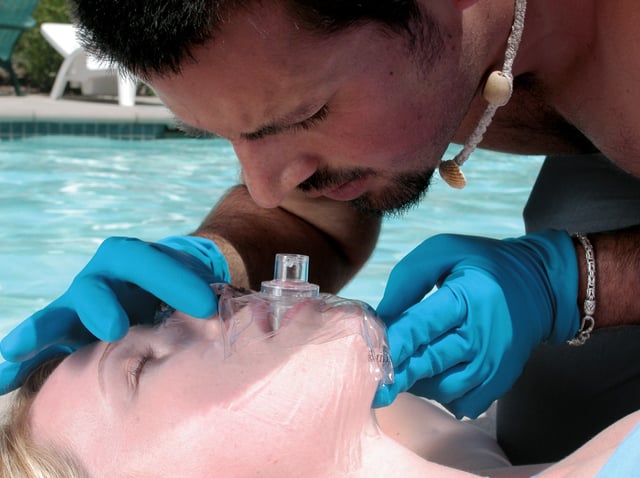
Hands-on sessions allow you to practise life-saving techniques under the guidance of certified instructors. Exercises include CPR on manikins, bandaging, splinting, and airway management, ensuring you gain confidence and proficiency in essential emergency skills.
Scenario-Based Training
Experience realistic scenario simulations designed to replicate actual emergencies. These exercises develop decision-making, problem-solving, and teamwork under supervision, helping you apply knowledge in real-life situations.
Situated at Littlehampton Marina in West Sussex, the centre provides modern, accessible facilities for theory and practical training. The classrooms and training spaces are fully equipped, supporting hands-on exercises and interactive learning.
Nearby amenities, including cafés and local transport links, make the centre convenient for multi-day courses. The surrounding area is safe and calm, providing an ideal environment for learning and practising emergency response techniques.
The course is open to anyone aged 10–99. No prior medical experience is required, though a basic level of physical fitness is needed to perform CPR and other hands-on exercises comfortably.
Medical conditions should be discussed with a qualified professional prior to enrolment. The combination of theory, guided practice, and realistic scenarios ensures that learners develop practical competence and confidence regardless of background.
The centre delivers small-group training for personalised attention and support. Experienced instructors offer step-by-step guidance, ensuring every skill is performed correctly and safely.
Practical exercises and scenario training are structured to build confidence and readiness for real emergencies. Learners leave with internationally recognised certification and the skills to respond effectively in diverse situations, whether at work, home, or in diving environments.
This course is suitable for anyone aged 10–99, whether you’re a beginner looking to gain lifesaving skills or a diver wanting to meet PADI prerequisites. There’s no prior medical experience required, though you should have basic mobility and be able to perform physical tasks like CPR.
All learners, regardless of background, will be guided step by step through both theory and practical skills, ensuring confidence and competence by the end of the course.
The course can be completed over one or two days, depending on your scheduling preferences and group size. eLearning can be completed at your own pace before the practical sessions, allowing more time to focus on hands-on training.
Practical skill development and scenario-based exercises are scheduled to give sufficient time for each learner to practise and receive personalised guidance. This ensures mastery of critical emergency skills.
Primary care training focuses on immediately life-threatening situations, including CPR, airway management, choking relief, and emergency oxygen use. You’ll also learn to assess and respond to cardiac arrest, severe bleeding, and other urgent medical conditions.
These practical exercises are complemented with scenario simulations to help you apply techniques in realistic situations. This approach ensures learners are prepared for emergencies in real life.
Secondary care training covers non-life-threatening medical situations, including injury assessment, wound care, and managing illness until professional help arrives. You’ll learn bandaging, splinting, and other techniques essential for everyday first aid.
Interactive practice ensures that you can confidently identify injuries, provide appropriate care, and assist until medical support is available. Instructors provide guidance throughout every scenario to reinforce learning.
Yes, the eLearning modules must be completed before practical sessions. They introduce core concepts in primary and secondary care and provide quizzes and interactive exercises to test your knowledge before hands-on training.
Completing eLearning ensures you arrive prepared to practise skills efficiently, maximising time with instructors for practical exercises and scenario simulations.
Yes, successful completion earns the internationally recognised EFR Primary and Secondary Care certification. This credential is widely accepted for workplaces, diving courses, and general first aid competence.
Certification includes both theoretical understanding and practical competence, allowing you to confidently respond to emergencies both in daily life and in diving or workplace environments.
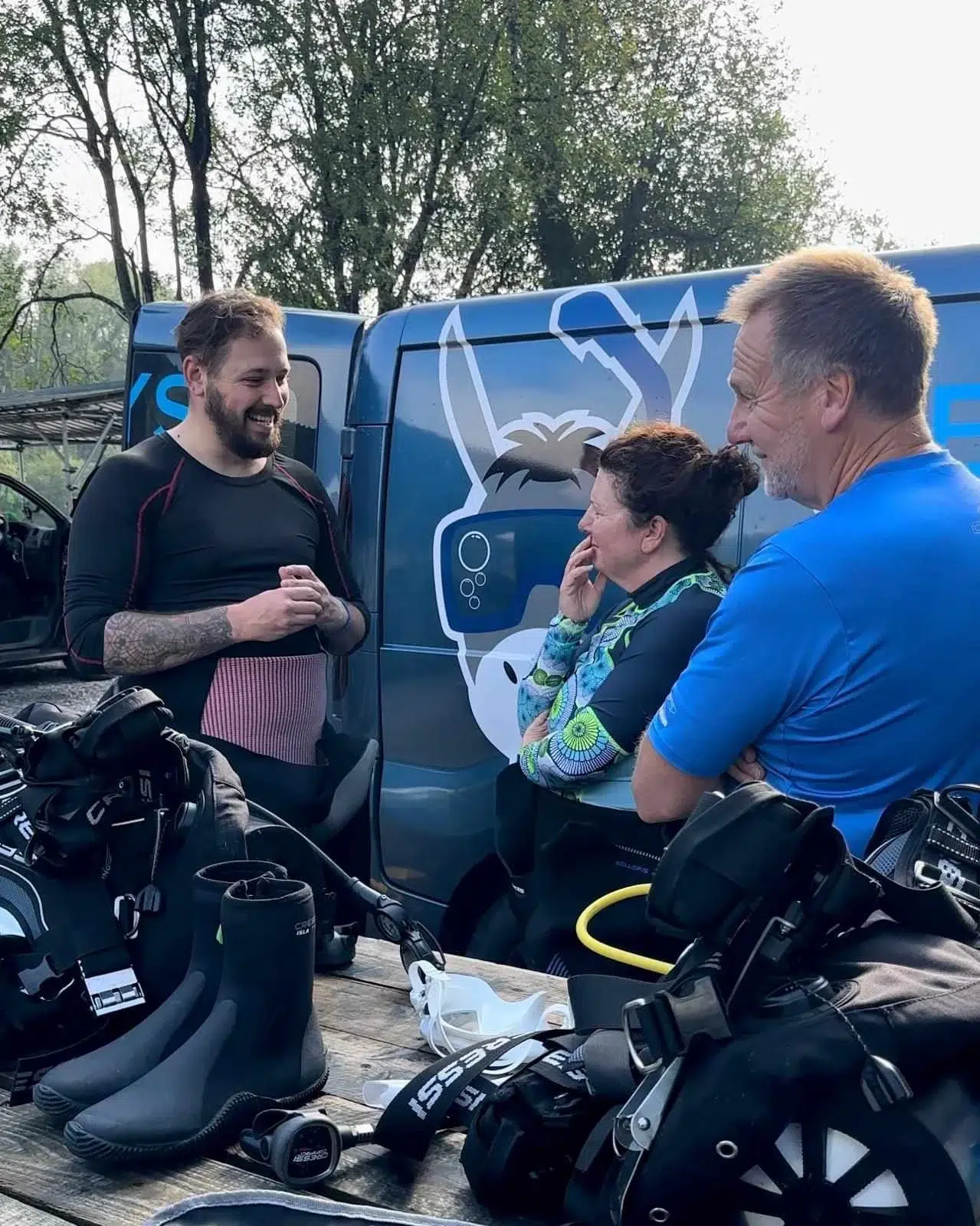
À propos du centre
Littlehampton
Géré par Abyss Scuba School, partenaire de adventuro.
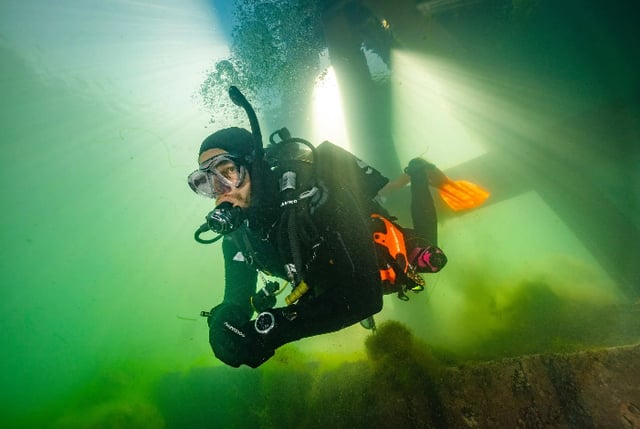
Surrey, East and West Sussex, United Kingdom
À partir de £600
Surrey, East and West Sussex, United Kingdom
À partir de £425
Surrey, East and West Sussex, United Kingdom
À partir de £1200
Surrey, East and West Sussex, United Kingdom
À partir de £1163.75
Surrey, East and West Sussex, United Kingdom
À partir de £900
Surrey, East and West Sussex, United Kingdom
À partir de £350
Surrey, East and West Sussex, United Kingdom
À partir de £125
Surrey, East and West Sussex, United Kingdom
À partir de £139
Surrey, East and West Sussex, United Kingdom
À partir de £235
Surrey, East and West Sussex, United Kingdom
À partir de £239
Minahasa Regency, North Sulawesi
À partir de $232

Murcia, Spain
À partir de €65