We partner with Rewilding Britain to help protect our natural spaces for future adventures.
All centres are vetted for safety and quality. Your adventure is in good hands with adventuro.
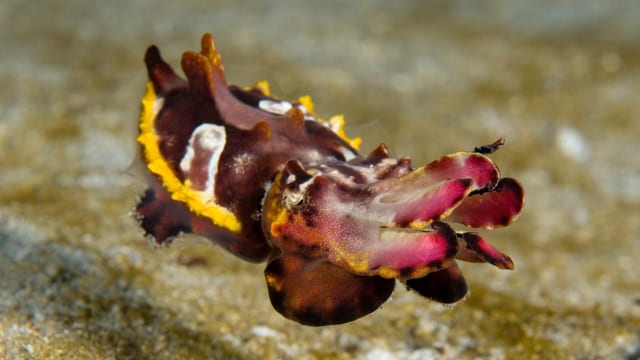
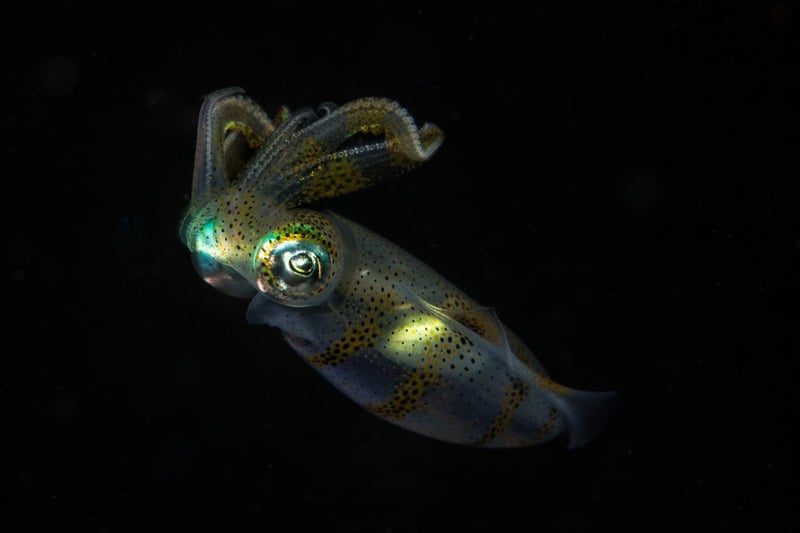
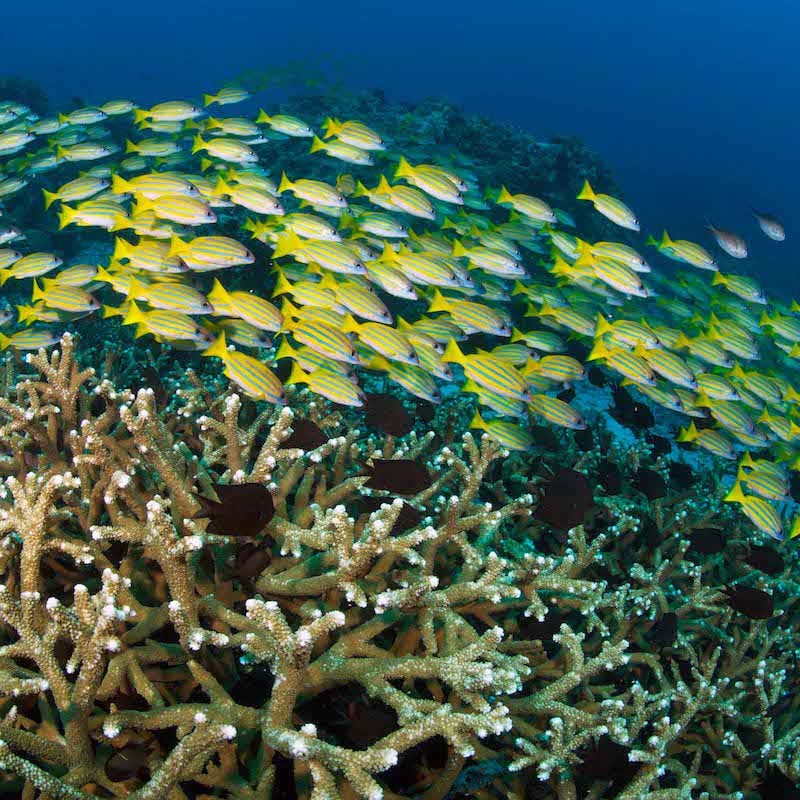
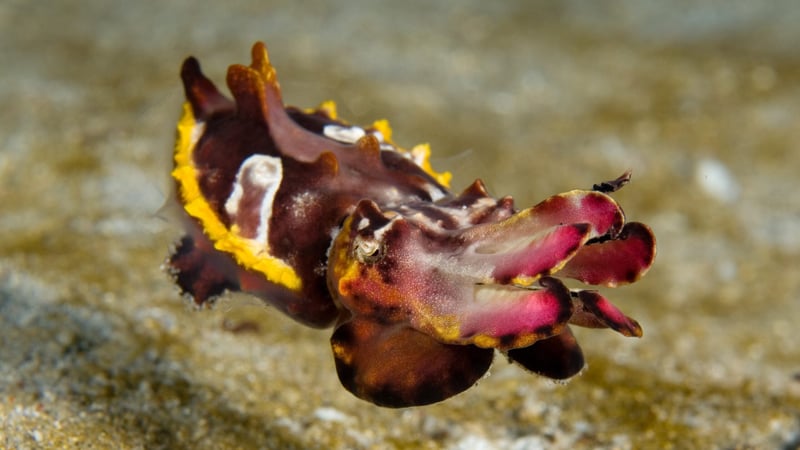
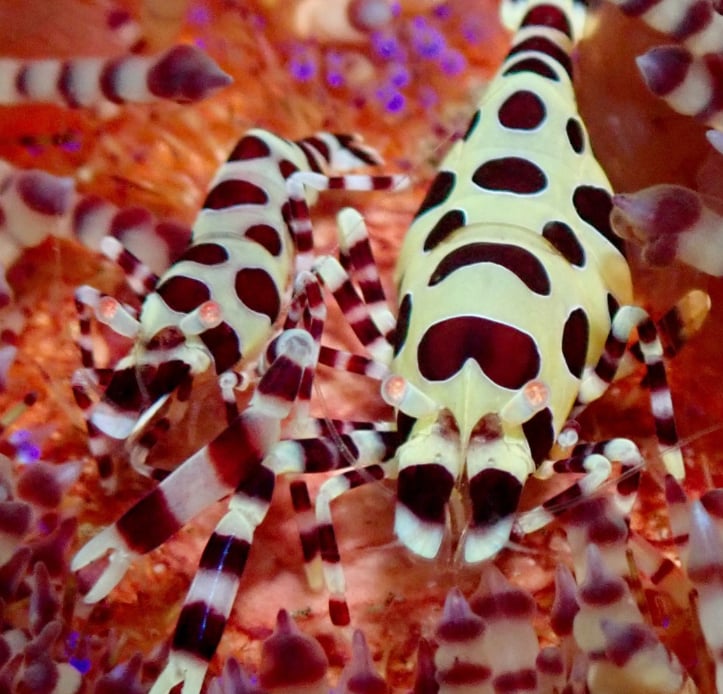
Taking underwater photos is a great way to add to your diving experience by capturing the underwater world in all its variety. This course is suitable for divers with no photography background, focusing on teaching you how to use your camera effectively beneath the surface. Over one day, you will complete two open water dives while learning key photographic techniques.
The course starts with a land-based session where your instructor will walk you through essential theory. You'll learn how underwater light behaves differently to surface light, how to minimise backscatter, and how to control colour loss and distortion. Your instructor will help you set up your camera, run through maintenance tips, and explain shooting modes, white balance, and manual settings. You’ll also be introduced to composition basics and subject selection, including how to safely and respectfully approach marine life for the best possible shots.
Once you’re comfortable with the theory and your gear is ready, you’ll head out for two open water dives. These dives will give you hands-on practice applying the techniques you’ve just learned, including adjusting for light and depth, getting close to your subject, and composing your shots for a strong visual impact. Your instructor will be by your side to offer guidance and tips during the dives, helping you build confidence with every shot.
After each dive, there will be time for debriefs and a review of your images. This part of the course is particularly useful, as you’ll receive feedback on how to improve your settings, angles, or composition. You’ll also be shown how to care for your equipment properly after each dive, especially when rinsing and drying housings and seals to avoid long-term damage. Many students leave the course with a portfolio of great shots and a solid foundation to keep progressing with their underwater photography skills.
This course takes place in North Sulawesi, Indonesia, an area known for its diverse marine life and vibrant coral reefs. Dive sites such as Bunaken, Bangka, Lembeh, and Manado offer excellent conditions for underwater photography, with clear water and a wide variety of subjects to shoot. The area’s warm tropical waters make it comfortable for diving throughout the year.
The dive centres are located at family-run resorts offering personalised service. Facilities include a purpose-built training pool and full equipment rental for advanced courses. The resorts provide a welcoming atmosphere and a professional team of instructors who speak English and Indonesian.
Participants should be certified divers with a minimum age of 15 years. It is recommended that divers have some experience with open water dives to get the most from the course.
Good buoyancy control is important for taking quality photos underwater, as it allows you to position yourself without disturbing marine life or stirring up sediment.
The dive centres offer a professional and friendly environment, with a family-run approach that prioritises personalised service. The team of instructors are experienced PADI professionals who ensure safety and quality throughout your course.
With well-maintained equipment and excellent facilities, including a training pool, the centres make learning easy and convenient. The focus on flexibility means the course schedule fits comfortably around your holiday plans, allowing plenty of time to relax and enjoy North Sulawesi.
No previous photography experience is required for this course. It’s designed specifically for certified divers who want to learn the basics of underwater photography, regardless of whether you’ve used a camera before or not. Your instructor will guide you through everything from camera set-up to capturing your first images underwater.
The focus is on building your confidence with your equipment and understanding how underwater conditions affect image quality. By the end of the course, you’ll be able to take well-composed shots and apply techniques that are specific to underwater environments.
Yes, you're encouraged to bring your own camera and underwater housing. This gives you a chance to become familiar with your own gear, understand its capabilities, and learn how to maintain it properly after dives. The instructor will help you fine-tune your settings based on your equipment.
If you don’t have a camera setup, you may be able to rent one locally, but availability can vary. It’s best to inform the centre in advance so they can confirm whether rental cameras are available and suitable for training purposes.
The course is completed in one day and includes two open water dives. Before diving, you’ll have a classroom-style session or briefing that covers theory, camera preparation, and photography techniques.
Both dives are focused on applying what you've learned in real conditions. You’ll practise framing shots, adjusting for light and distance, and shooting various subjects like coral, fish, and reef scenes. Debriefs after each dive help you improve your technique with feedback.
You’ll learn a variety of core techniques that are essential for taking clear and creative underwater images. These include adjusting white balance, using natural versus artificial light, approaching subjects carefully, and managing camera settings such as shutter speed and ISO.
You’ll also explore composition styles specific to the underwater world, such as using negative space, rule of thirds, and capturing motion. The instructor will help you adapt techniques to the unique conditions of each dive site.
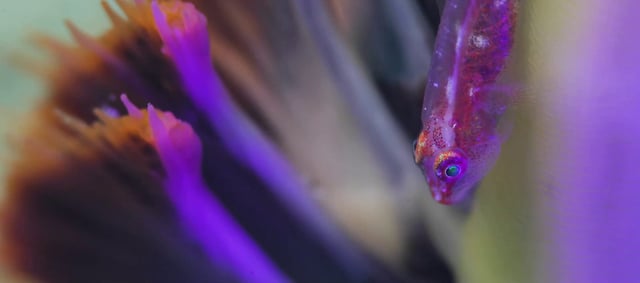
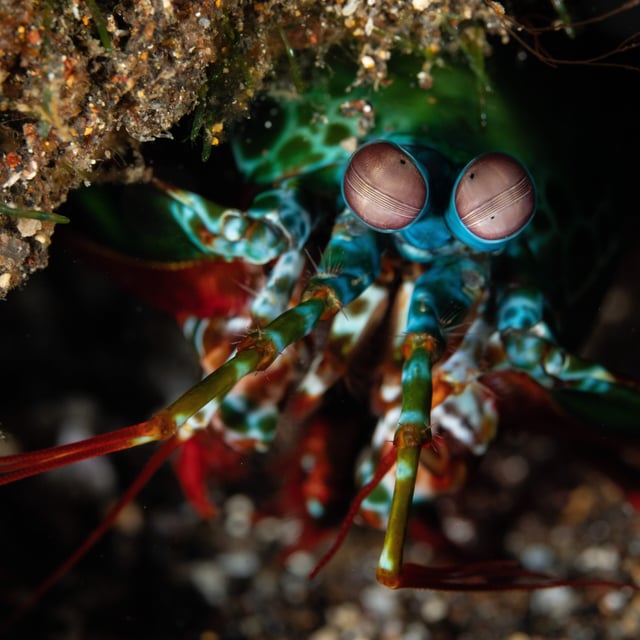
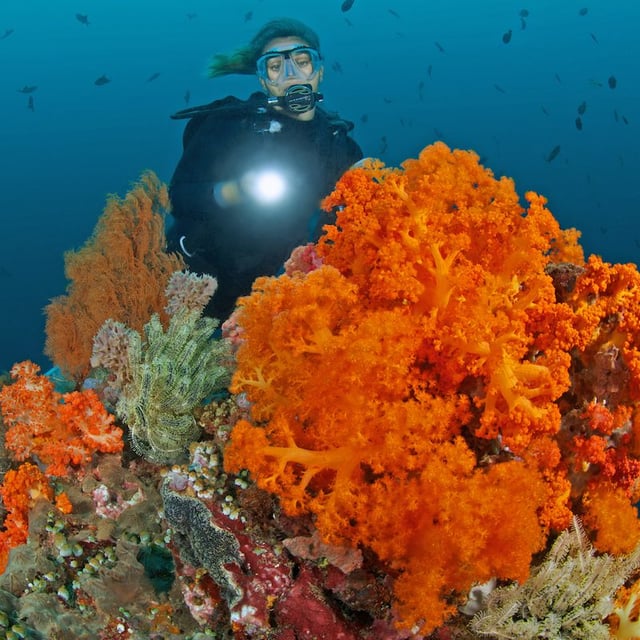
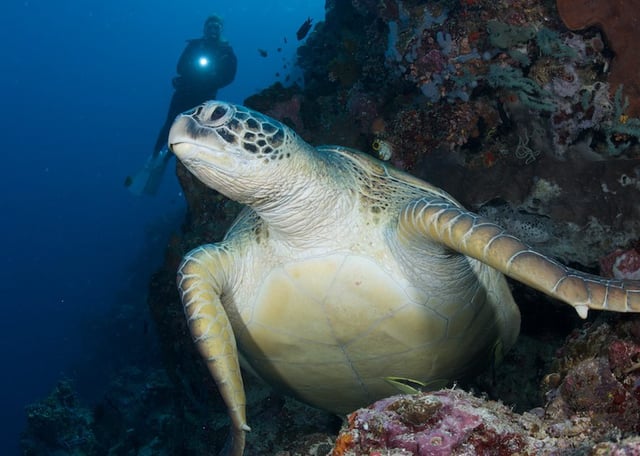
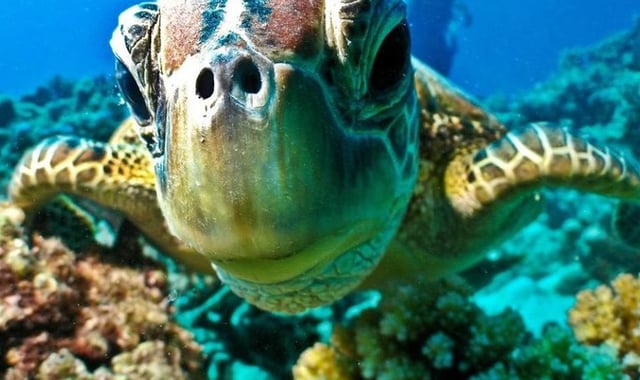
North Sulawesi offers warm water, excellent visibility, and a wide range of dive sites, making it ideal for photography. You can expect healthy coral reefs, macro subjects like nudibranchs and critters, and larger marine life such as turtles and schooling fish.
Conditions are generally calm, with minimal current in most training locations. This makes it easier to control your position in the water, which is essential for getting stable shots and good composition without disturbing the surroundings.
Yes, upon successful completion of the course and meeting all performance requirements, you’ll receive the PADI Underwater Photographer Specialty certification. This can be logged as a specialty dive towards your PADI Master Scuba Diver rating if you are working towards that.
Certification is valid for life and demonstrates that you’ve learned key photographic techniques and safety considerations specific to underwater environments. It can also be helpful if you want to take more advanced photography courses later on.
Surrey, East and West Sussex, United Kingdom
From £150
Surrey, East and West Sussex, United Kingdom
From £350
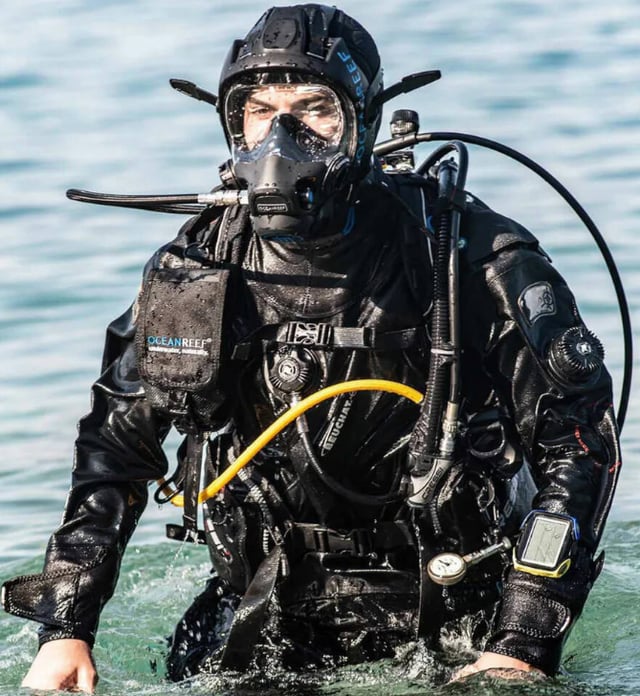
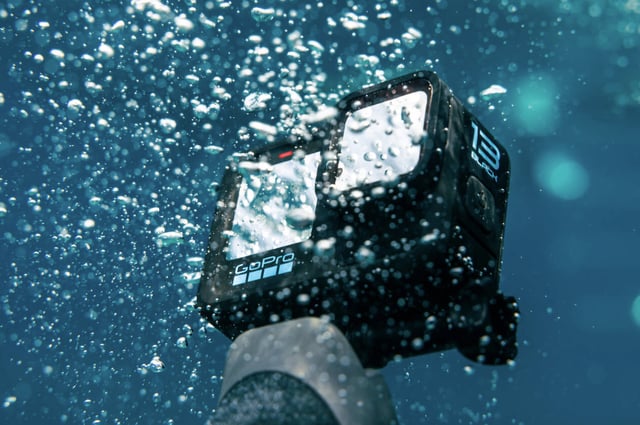

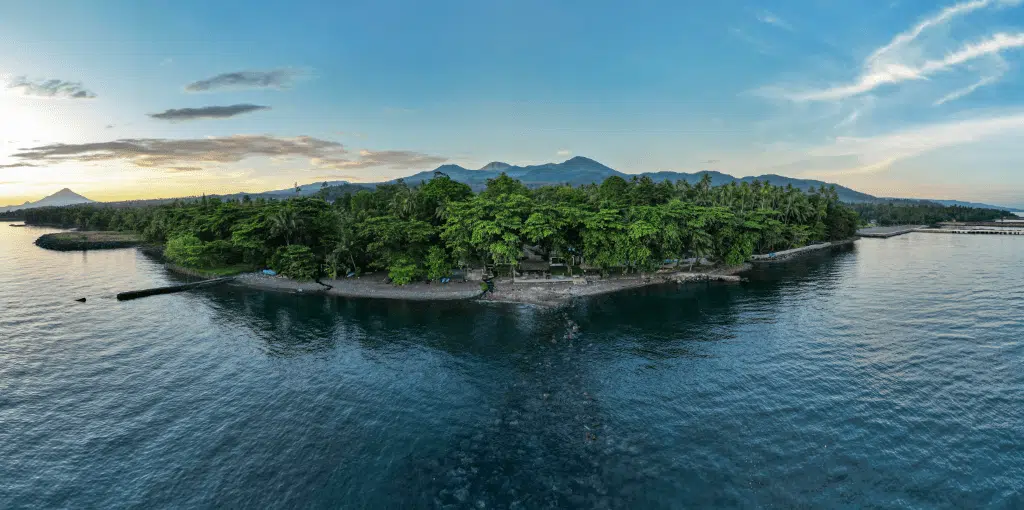
About the centre
Minahasa Regency, North Sulawesi
Operated by Murex Resorts, a partner of adventuro.
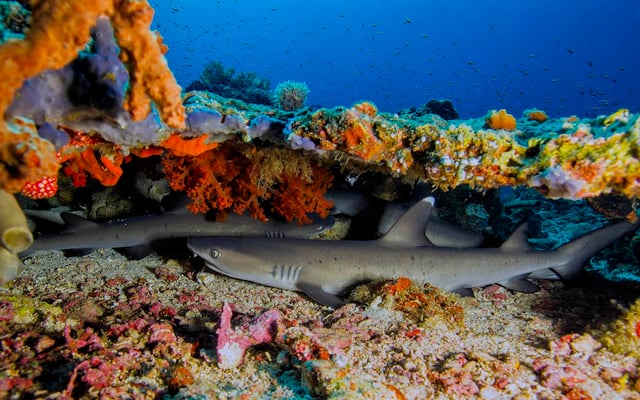
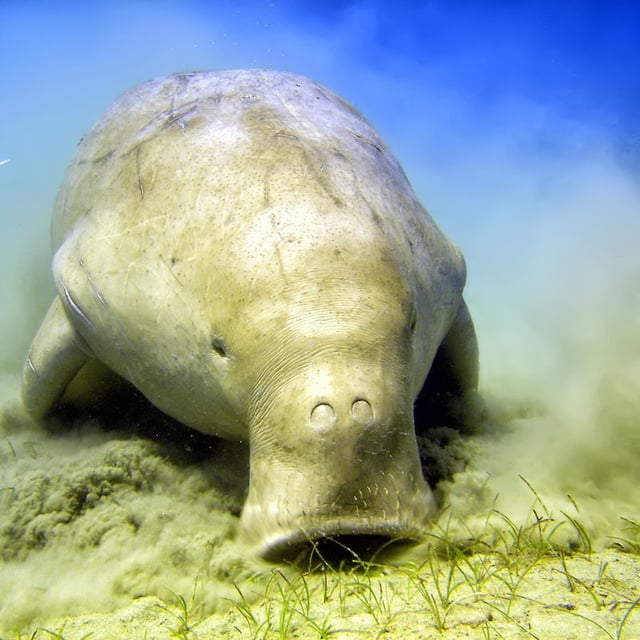

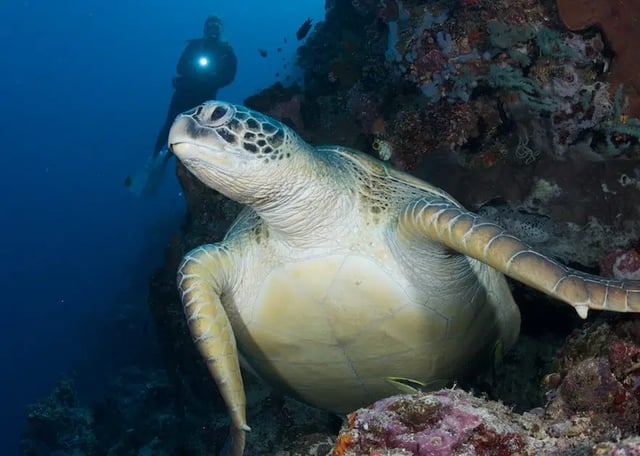
North Sulawesi, Indonesia
From $3794