We partner with Rewilding Britain to help protect our natural spaces for future adventures.
All centres are vetted for safety and quality. Your adventure is in good hands with adventuro.
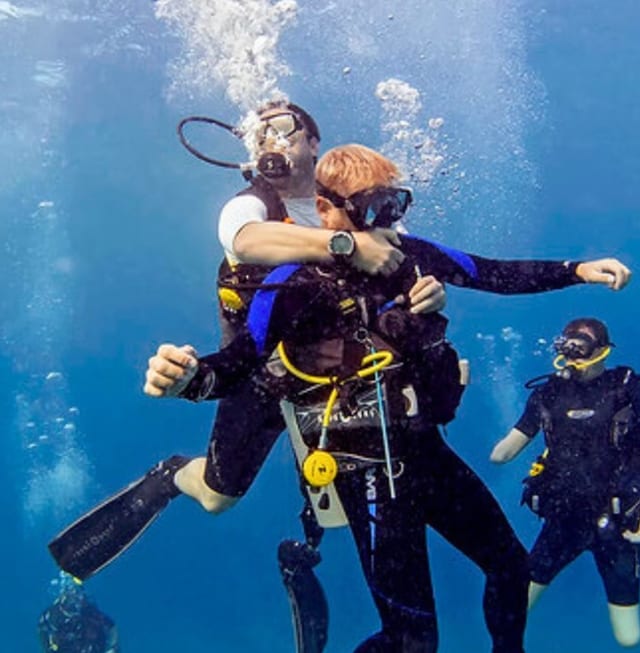
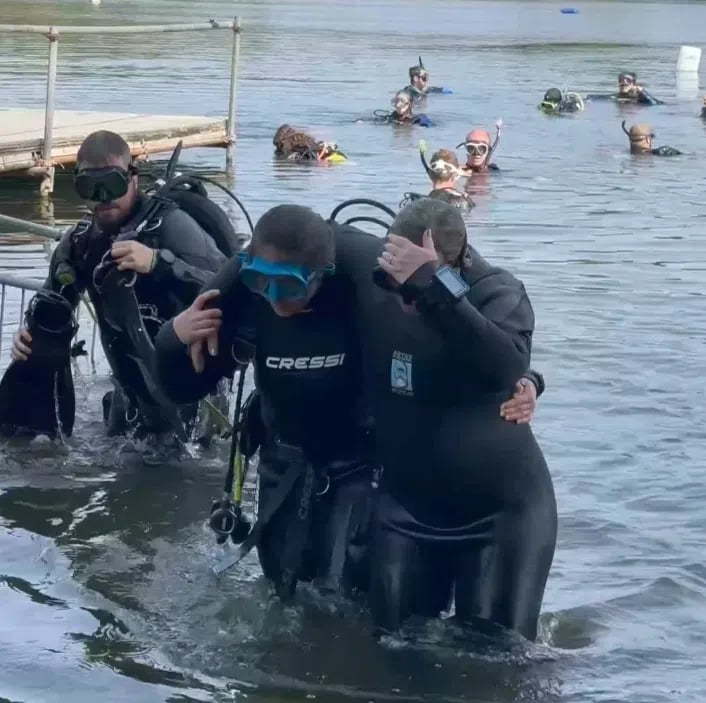
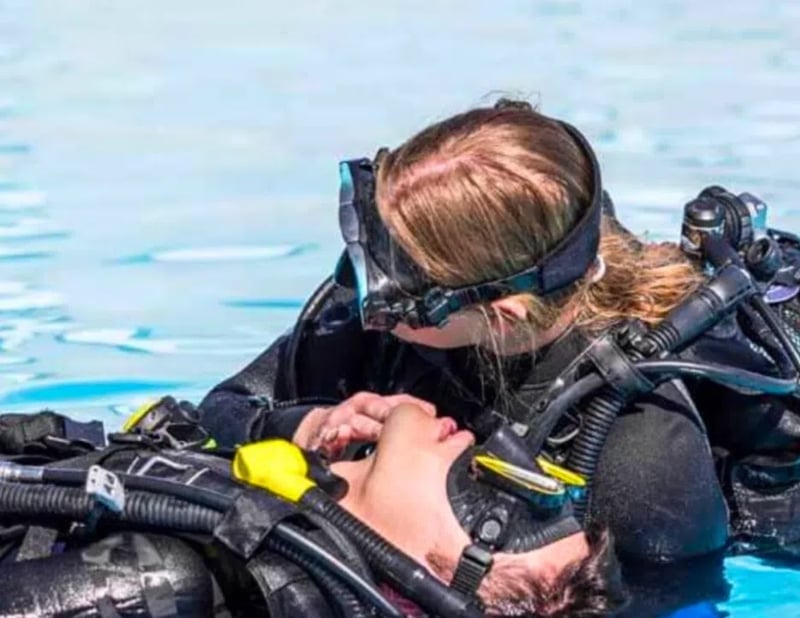
Gain the confidence and competence to manage dive emergencies with the PADI Rescue Diver Course. Designed for certified divers, this programme builds on your existing skills and teaches practical techniques for accident prevention, self-rescue, and assisting others in distress. You’ll emerge as a more capable and aware diver, prepared for both recreational and challenging diving environments.
Training begins with comprehensive knowledge development using official PADI eLearning materials. You’ll study accident prevention, risk management, and rescue principles before applying them in practical settings. Instructors provide guidance and feedback to ensure understanding and confidence in every technique.
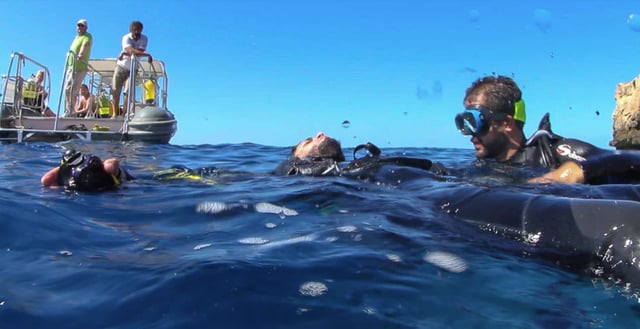
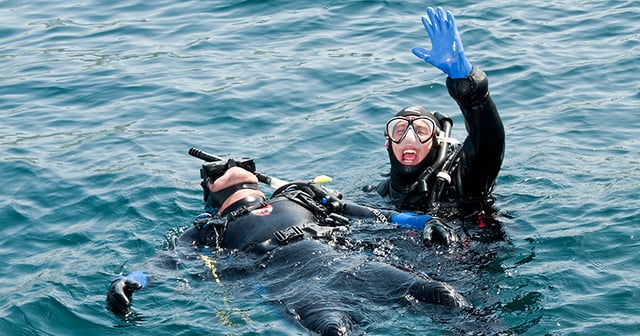
Next, pool sessions allow you to practice essential rescue skills in a controlled environment. You’ll simulate scenarios such as panicked diver response, underwater breathing emergencies, and controlled tows, gradually building competence and comfort before moving to open water.
Open water dives form the culmination of the course, where you’ll face realistic rescue scenarios under supervision. These exercises challenge you to perform rescues, administer first aid, and manage emergencies effectively. By the end of the course, you’ll have demonstrated your ability to respond calmly and competently to a range of situations.
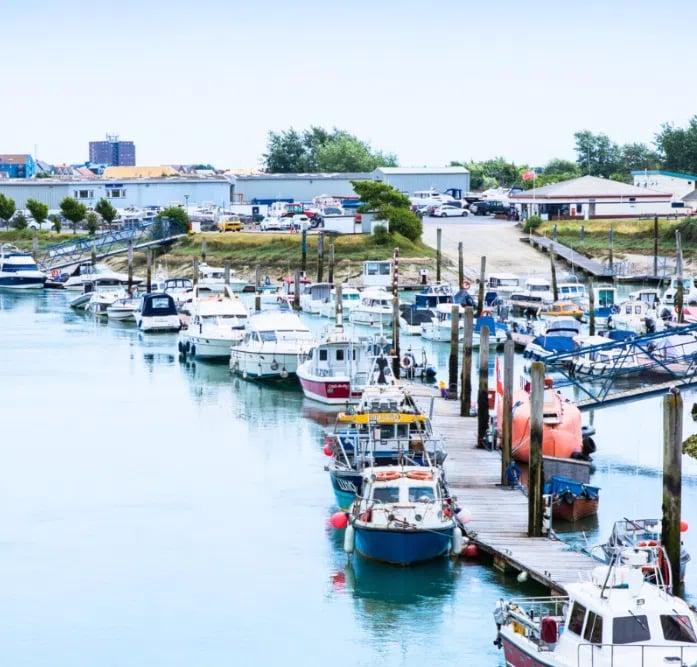
Practical training is conducted at Littlehampton Marina, with pool sessions and equipment preparation handled at the purpose-built centre. This ensures a safe and structured learning environment before moving to open water.
Open water exercises take place at nearby coastal sites selected for their accessibility and suitability for rescue drills. These locations provide a realistic setting for practicing skills such as diver recovery, surface management, and emergency procedures.
You must hold an Advanced Open Water Diver certification (or equivalent), be able to pass a basic medical screening, and complete Emergency First Response (EFR) training within the past 24 months. If EFR certification is not current, it can be completed alongside the Rescue Diver course.
Divers aged 12–14 will earn a Junior Rescue Diver certification. You should feel comfortable in the water and competent in basic diving skills to fully benefit from the course.
A strong focus on skill development, safety, and environmental responsibility guides every aspect of instruction. Certified instructors bring extensive experience and a passion for diving, offering personalised guidance that helps divers handle real-world rescue situations with confidence.
Partnerships with leading industry brands ensure access to high-quality equipment, while small group sizes allow tailored coaching and attention. Divers also benefit from an inclusive, supportive community that encourages exploration, teamwork, and ongoing engagement with the underwater environment.
The course typically spans two days if you already hold current EFR certification. If EFR training is included, the programme extends to three days to allow for classroom and practical instruction.
This flexible scheduling enables divers to plan around personal commitments while ensuring sufficient time to master the skills needed for safe rescue operations.
The eLearning includes accident prevention, self-rescue techniques, emergency planning, and assisting others in distress. You’ll also study dive physiology, environmental considerations, and safe decision-making underwater.
Instructors enhance this learning with practical advice, real-world examples, and guidance on applying theory during open water rescue scenarios.
Pool sessions allow you to safely practice skills such as diver recovery, controlled towing, and panicked diver management. These exercises build confidence and muscle memory in a controlled environment.
Instructors observe and provide feedback throughout, ensuring techniques are performed correctly and safely before moving to open water scenarios.
Yes, the open water component simulates real rescue situations. You’ll perform surface rescues, administer emergency aid, and coordinate responses under the supervision of certified instructors.
These sessions provide invaluable experience handling emergencies in real diving conditions, preparing you for situations you may encounter on future dives.
Divers aged 12–14 can participate and will receive a Junior Rescue Diver certification. Instructors tailor exercises to age and ability while maintaining the course’s integrity and safety standards.
All exercises are designed to build confidence, resilience, and problem-solving skills in younger divers, preparing them for more advanced courses as they grow.
All standard scuba equipment is included, such as mask, fins, BCD, regulator, gauges, and air cylinders. Equipment is well-maintained, properly fitted, and suitable for the participant’s size and experience level.
Hands-on guidance ensures you learn correct assembly, use, and maintenance of all gear, essential for safe and effective rescue procedures.
About the centre
Littlehampton
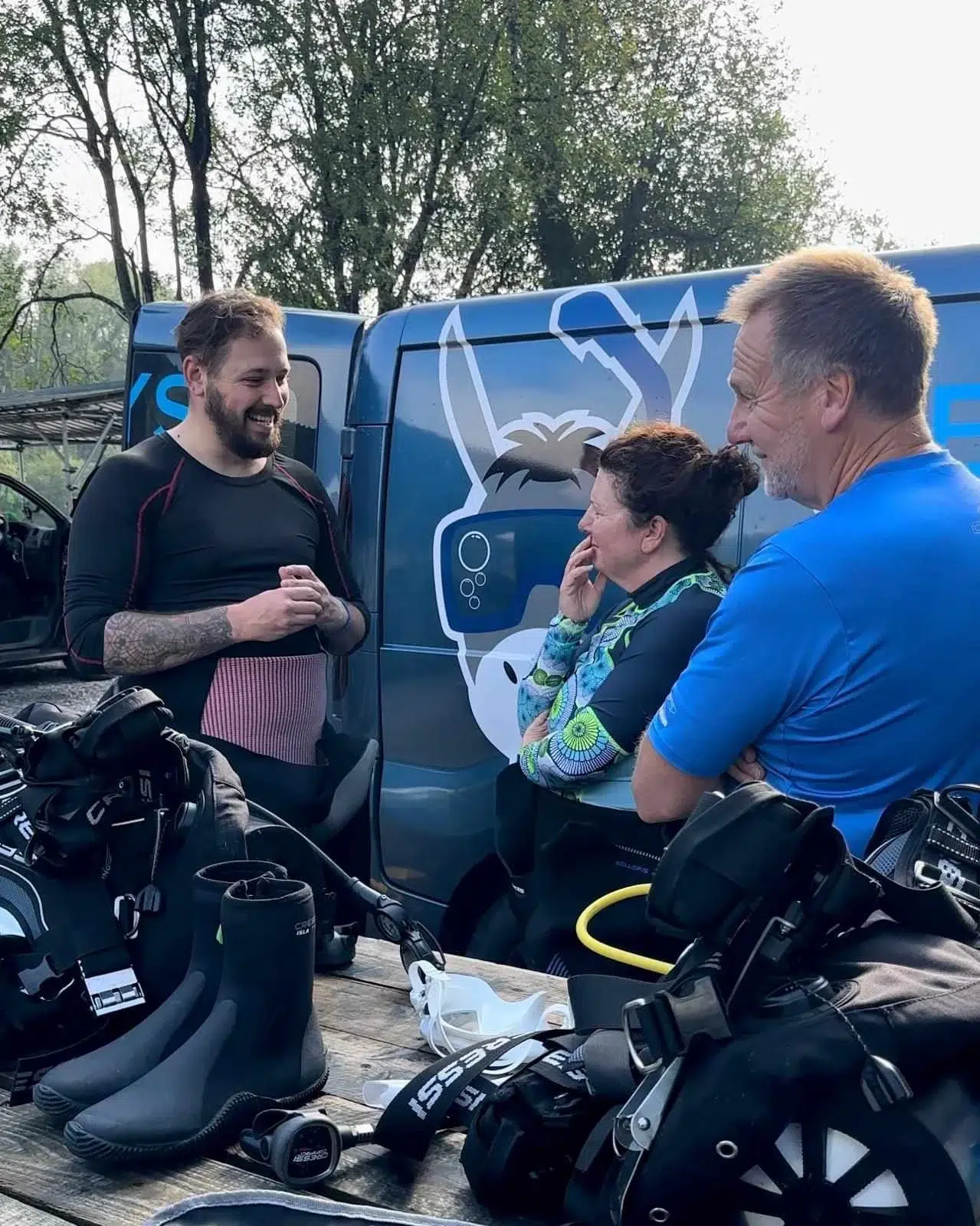
Operated by Abyss Scuba School, a partner of adventuro.

Surrey, East and West Sussex, United Kingdom
From £382

Surrey, East and West Sussex, United Kingdom
From £425
Surrey, East and West Sussex, United Kingdom
From £1200
Surrey, East and West Sussex, United Kingdom
From £1163.75
Surrey, East and West Sussex, United Kingdom
From £350