We partner with Rewilding Britain to help protect our natural spaces for future adventures.
All centres are vetted for safety and quality. Your adventure is in good hands with adventuro.
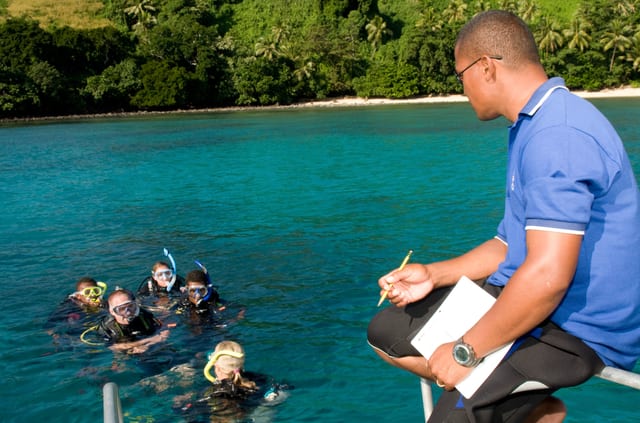
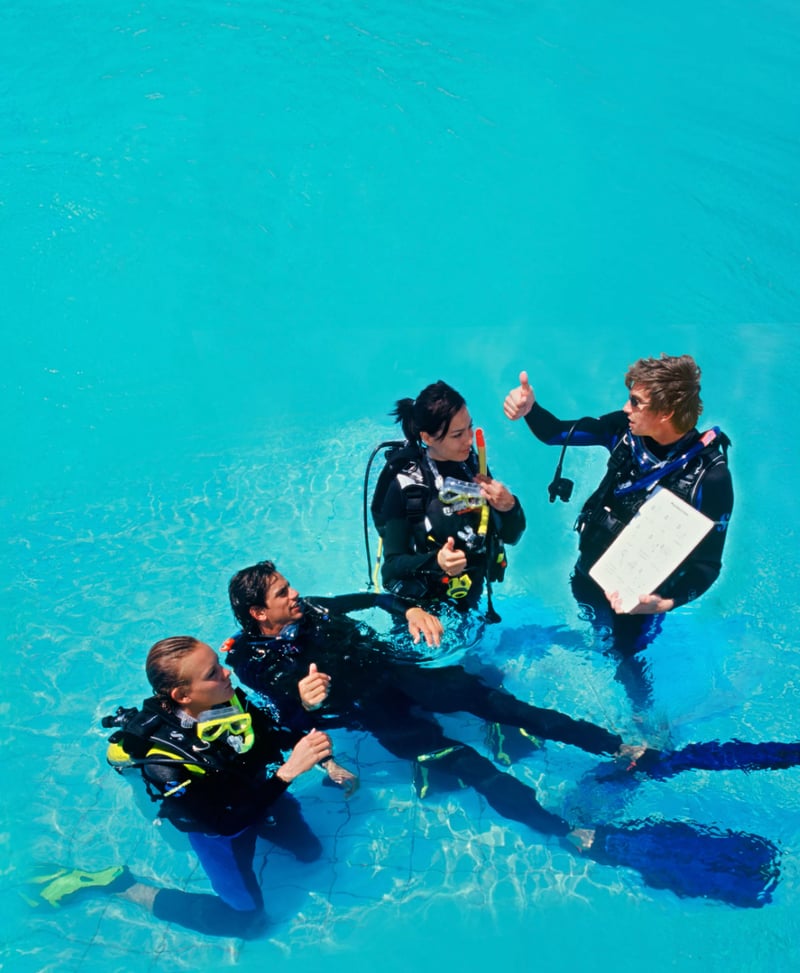
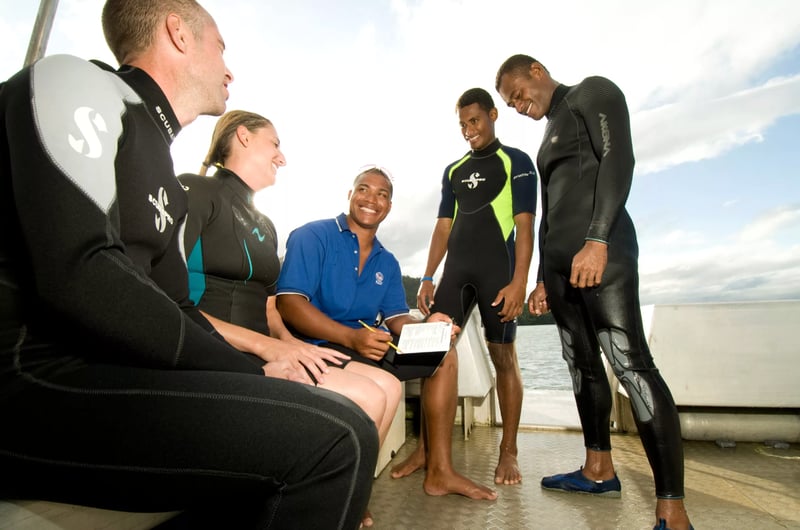
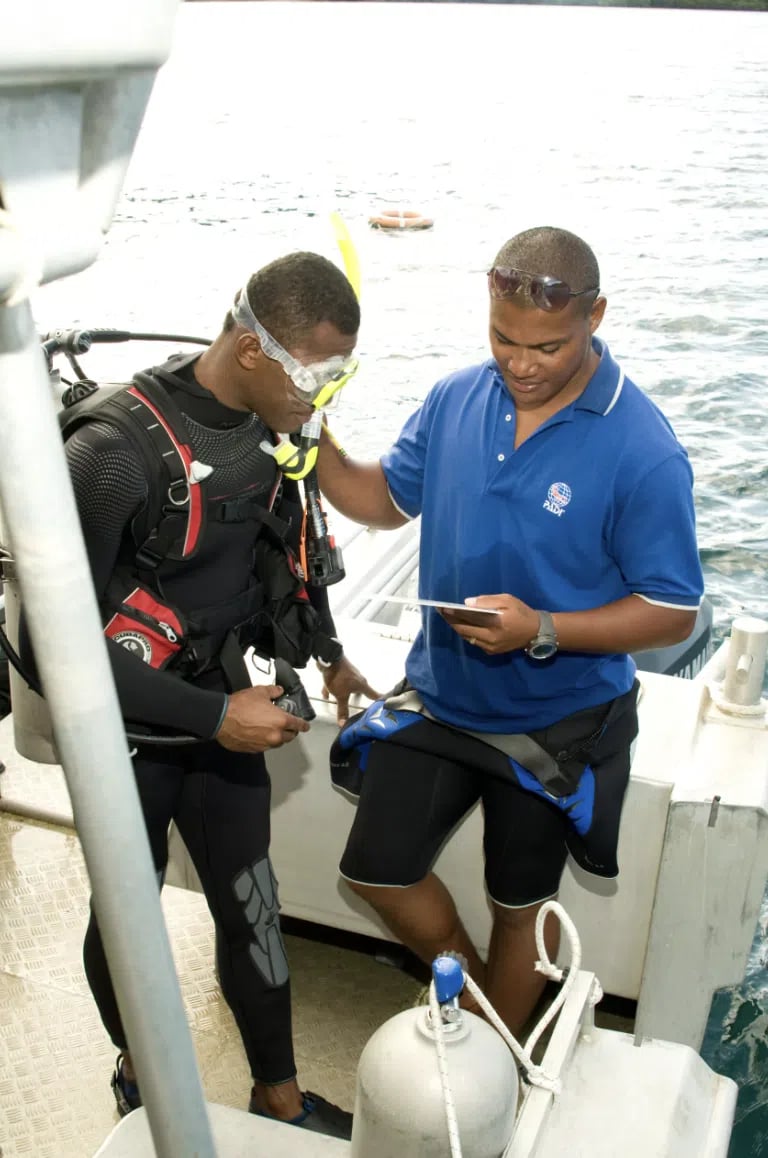
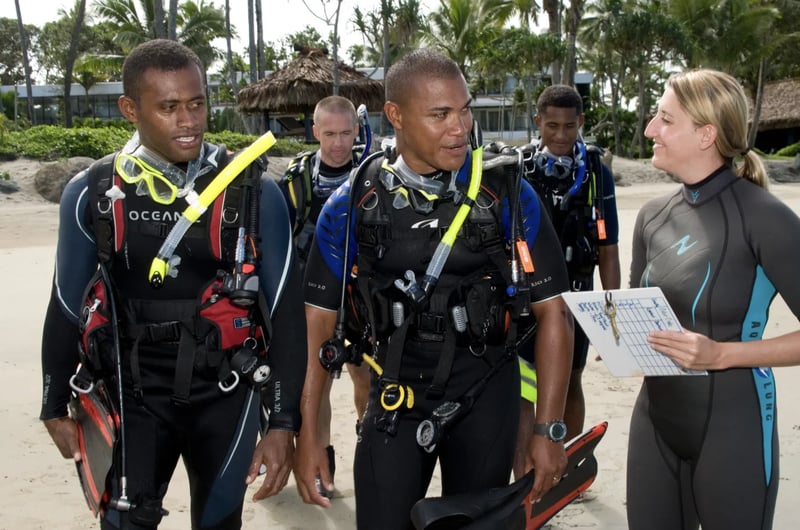
You’ll develop the foundations required to operate as a professional diver, gaining leadership, supervision, and in-water problem-management skills. This structured programme blends theory, confined-water development, open-water skills, and real-world internship experience to prepare you for work in the dive industry.
Course duration: 7 to 15 days
Schedule: 9:00 to 15:30 daily
Minimum dives: 20
Minimum age: 18
Total time commitment: Approximately 50 hours
Across the programme, you’ll refine your in-water abilities through repeated scenario training, underwater problem-solving, and direct supervision practice. You will review and demonstrate high-level buoyancy control, rescue performance, navigation proficiency, and professional briefing techniques. Each day focuses on developing reliability, confidence, and judgement that align with the standards expected of a working dive professional.
The internship component places you alongside active instructors during real training sessions. This gives you the opportunity to supervise certified divers, assist on entry-level courses, oversee confined-water practice, and learn how to manage logistics such as equipment allocation, diver flow, and site risk assessments. The combination of structured skill development and hands-on assisting prepares you to operate effectively within a dive centre environment.
E-learning materials allow you to work through the theoretical components at your own pace before or during the programme. Completing this strengthens your understanding of physics, physiology, dive planning, decompression theory, and standards. By the final days, you will progress through professional evaluations that confirm readiness to take on leadership duties in real-world diving operations.
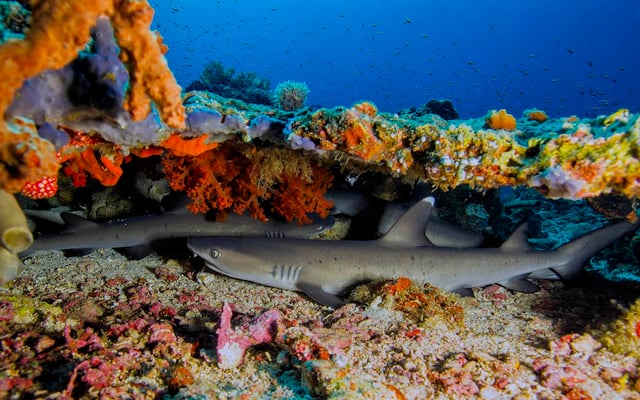
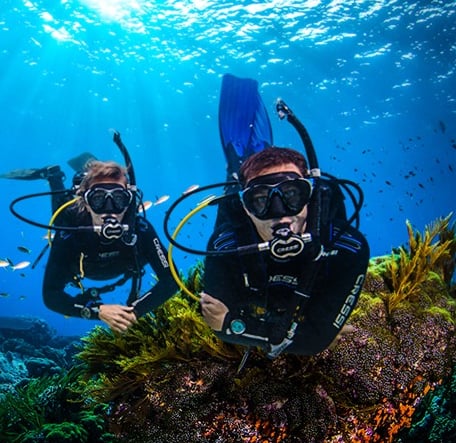
Training takes place at coastal sites known for reliable visibility, controlled entry points, and conditions suitable for professional-level development. These areas allow repetitive skills practice, rescue scenario work, and supervision exercises in a safe and structured environment. You will become familiar with local currents, reef structures, and common marine life encounters, helping you understand how to assess and brief others effectively.
Facilities include spacious kit areas, classroom space for theory reviews, and comfortable breakout zones between sessions. The environment is designed to support extended training days, gear preparation, and debriefs with instructors. Easy access to nearby dive sites ensures minimal transit time and maximum practical learning.
This programme is designed for divers who already possess solid foundations. You must hold a Rescue Diver certification, have at least 40 logged dives, and provide proof of CPR and First Aid training completed within the last 24 months. A current medical clearance confirming fitness to dive is also required.
Comfortable swimming ability and confidence underwater are essential due to the physical nature of the tasks. You should arrive prepared to complete e-learning materials, practise self-rescue techniques, and demonstrate key skills to a professional standard. Completing the online theory early allows you to focus your in-person days on practical development and internship work.
Professional development is delivered by experienced instructors who have trained hundreds of divers across multiple skill levels. Their approach is structured, supportive, and aligned with industry expectations, ensuring each participant learns to operate safely, reliably, and confidently. You’ll gain direct insight into how daily dive operations function, from logistics to student supervision.
The centre fosters a strong diving community built on teamwork and shared experience. You’ll train in an environment that values responsibility, professionalism, and ongoing growth. Facilities are clean and comfortable, staff maintain a family-like atmosphere, and participants are encouraged to develop leadership qualities that extend beyond the course itself. Graduates leave with skills relevant to guiding, supervising, and pursuing a long-term career in diving.
The programme runs between seven and fifteen days depending on your availability, experience level, and how quickly you progress through evaluations. Some candidates prefer to complete their e-learning in advance to shorten the in-person schedule, while others choose a slower pace to gain more internship time.
Your instructor will discuss an appropriate timetable during your first day, ensuring you cover all required modules, assessments, and practical sessions without feeling rushed. The total workload is roughly 50 hours, mixing theory, skills practice, and guided teaching tasks.
You will undertake a minimum of 20 dives, though many candidates complete more depending on internship activities and additional practice sessions. These dives include skill demonstrations, scenario-based exercises, navigation work, and assisting with student divers.
During the internship component, you may participate in additional training dives as part of real classes. This offers valuable experience in managing groups, maintaining situational awareness, and supporting an instructor throughout a session.
Completing the e-learning beforehand is strongly recommended, as it allows you to focus your in-person time on skill refinement and internship training. The theory covers dive physics, physiology, decompression basics, environment management, and professional roles.
If you haven’t finished the e-learning before arriving, you can continue working on it during breaks, though this may lengthen your overall course duration. Completing it early ensures you are better prepared for the final exam and day-to-day decision-making activities.
Once all sections are completed, you can apply for the professional-level certification that qualifies you to supervise divers, assist instructors, guide certified divers, and participate in skin diver programmes. This is your entry point into professional scuba responsibilities.
After certification, you will be eligible to work in various dive centre roles, improve your skills further through specialised training, or progress toward instructor-level qualifications. This makes it a natural step for those seeking long-term involvement in the industry.
You will work on advanced buoyancy, rescue techniques, problem-solving, navigation, and leadership tasks. These are practised repeatedly to ensure consistency and control under varied conditions. You will also learn to brief dives, evaluate conditions, and organise groups.
Scenario-based sessions train you to recognise and respond to emergencies calmly. This includes assisting distressed divers, supporting instructors during teaching exercises, and refining your own positioning and awareness underwater.
To enrol, you must hold a Rescue Diver certification, have at least 40 logged dives, and show proof of CPR and First Aid training completed within the last two years. A current medical certificate confirming fitness to dive is mandatory to begin in-water components.
These requirements ensure you already possess strong foundational skills before stepping into a leadership role. The course builds on your existing experience by placing you in more responsibility-driven situations.
Yes. This qualification is globally recognised and is often the minimum requirement for guiding, supervising divers, and assisting instructors in professional settings. It demonstrates that you understand industry standards, safety protocols, and diver management.
Many graduates use this qualification as a stepping stone toward becoming full instructors or taking on roles in resorts, liveaboards, and training facilities. It opens doors to varied employment opportunities across multiple diving regions.
The training involves extended periods in the water, repeated practice of rescue skills, surface swims, and equipment handling. Good fitness and the ability to maintain composure during problem-solving tasks are important.
If you have not dived recently or feel unsure about your fitness, completing a few refresher dives beforehand can help. The programme gradually increases demands to ensure you build confidence rather than feel overwhelmed.
All required scuba equipment is provided during the course, allowing you to focus on your training. However, you may bring personal items such as your own mask, fins, or dive computer if you prefer using familiar kit.
You should pack swimwear, a towel, comfortable clothing, and anything you need for breaks between sessions. A reusable water bottle and sun protection are also helpful, especially during surface intervals.
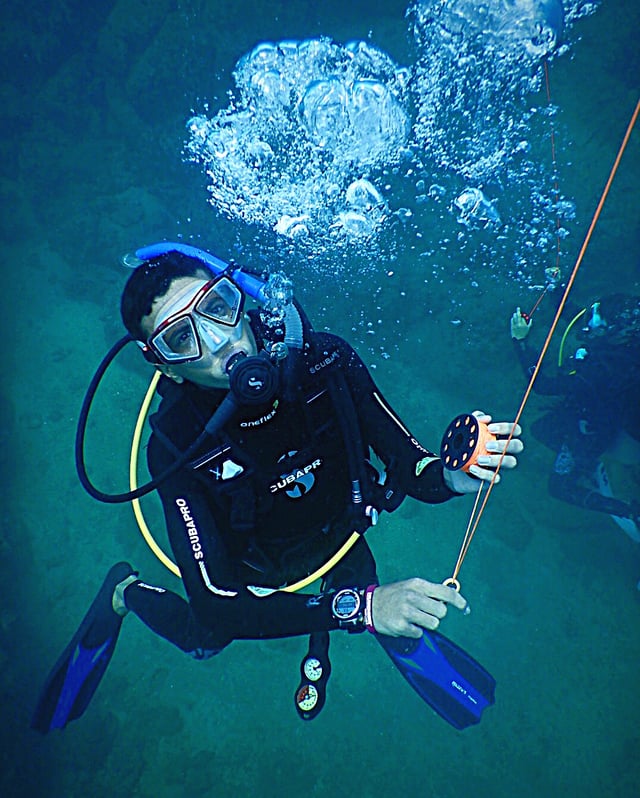
The internship places you alongside active instructors during real training sessions. You will assist with student supervision, manage entry and exit points, provide surface support, and help maintain group organisation. This offers insight into day-to-day responsibilities within a dive centre.
As you progress, you may take on additional tasks such as briefing certified divers or supporting training in confined-water environments. This real-world experience is key to developing the leadership and situational awareness needed for professional diving roles.
About the centre
The Palm Jumeirah, Dubai
Operated by Nemo Diving Center, a partner of adventuro.


Fujairah, United Arab Emirates
From Dhs256.63