We partner with Rewilding Britain to help protect our natural spaces for future adventures.
All centres are vetted for safety and quality. Your adventure is in good hands with adventuro.
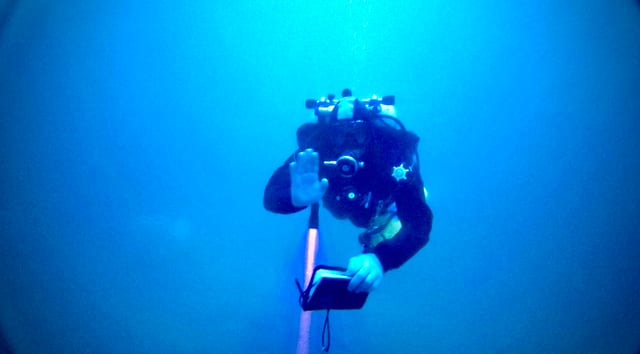
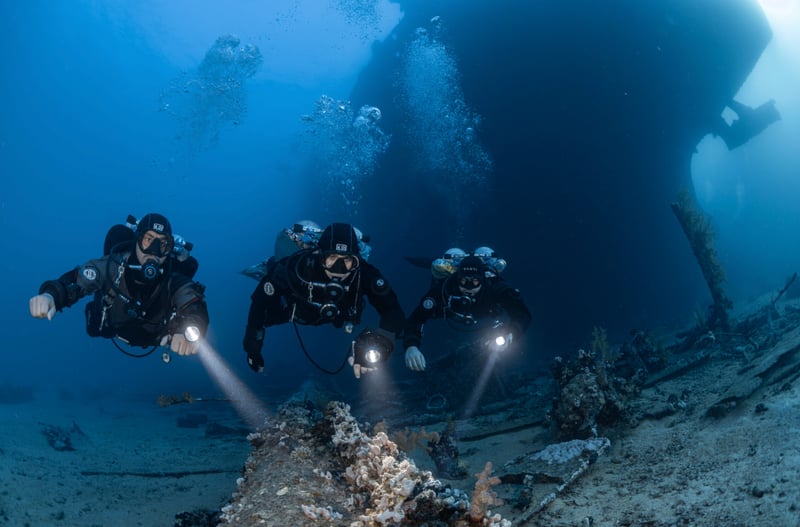
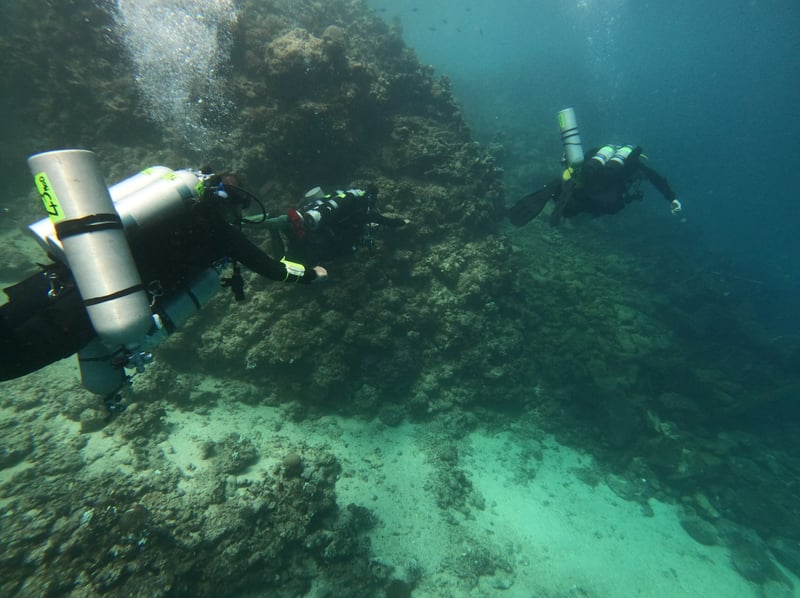
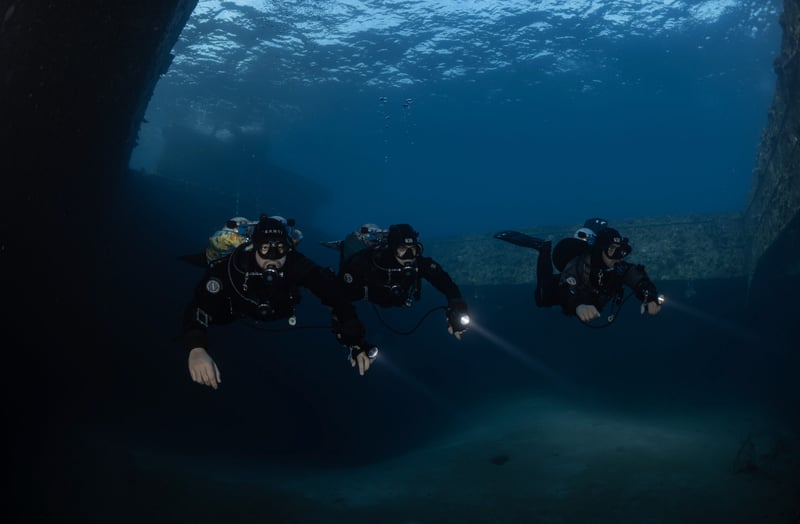
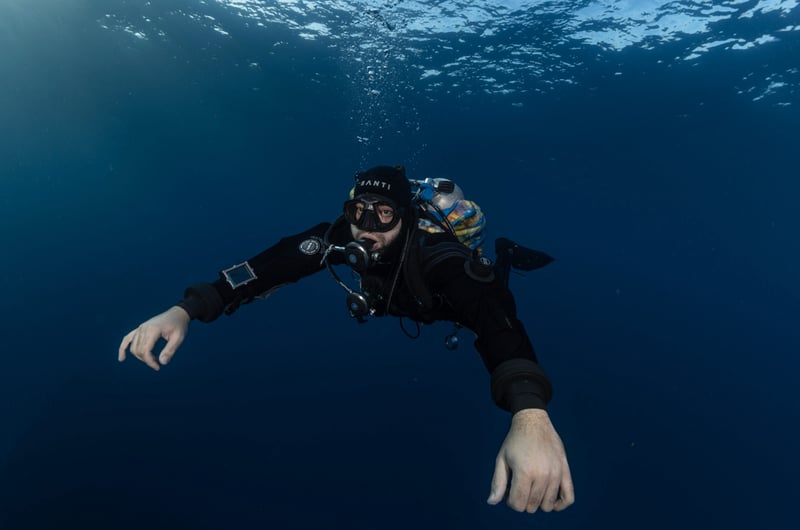
This programme marks your transition from recreational limits into the structured world of technical decompression diving. Across four sessions, you will learn the core procedures, equipment handling, and discipline required for planned decompression, extended bottom times, and deeper diving up to 40 metres.
The course begins with seven knowledge development modules delivered online, giving you a full grounding in decompression theory, gas physiology, oxygen exposure limits, equipment configuration, and the mindset required for technical diving. These lessons prepare you for the practical applications, where you will work with technical gear, practise valve drills, adjust regulator configurations, and refine trim and propulsion techniques.
In-water sessions progress from equipment handling in shallower depths to simulated decompression, ascent planning, and controlled gas-switch exercises. You will complete four to six dives, each with a clear focus on skill progression. These include maintaining stable positioning during task loading, executing planned emergency procedures, and using team protocols to manage gas, depth, and equipment issues. All dives are instructor-led, ensuring safe, structured progression.
The final stage of training combines knowledge application with full dive planning, using software to calculate decompression obligations, gas reserves, and contingency profiles. You’ll conduct dives up to 40 metres, performing controlled ascents and decompression stops according to your plan. By the end of the course, you will have the competence to complete limited decompression dives using air or nitrox, with an optional pathway to upgrade your skills using Trimix.
Confined practical sessions take place in controlled-water sites ideal for mastering equipment drills and buoyancy refinement. These locations allow uninterrupted practice of shutdown procedures, regulator transitions, and team positioning without environmental complications.
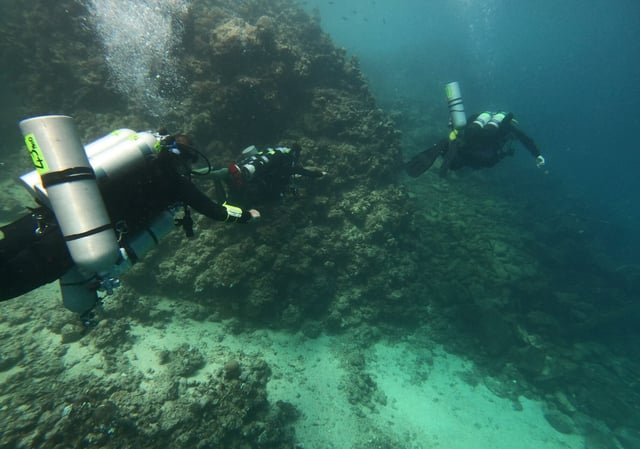
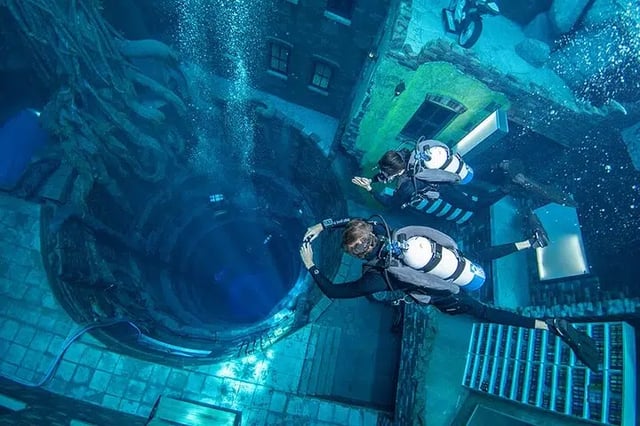
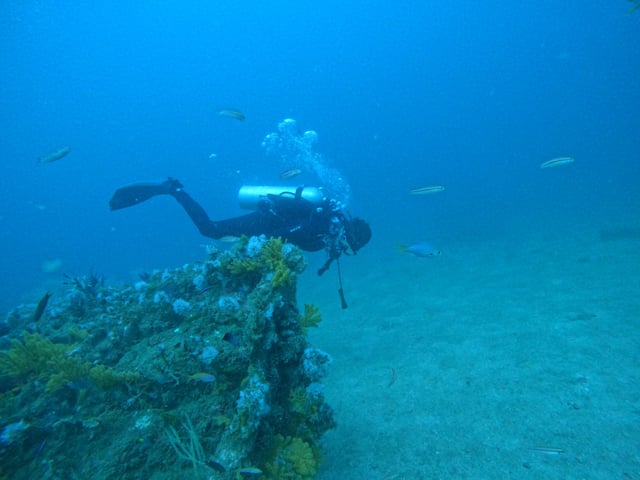
Open-water dives are conducted at suitable sites with clear depth profiles, stable conditions, and reliable visibility that support decompression training. These environments allow divers to carry out simulated or real decompression stops, practise mid-water stability, and work through team protocols under realistic technical diving conditions. Facilities nearby support equipment setup, debriefing, and preparation between sessions.
Divers must hold an Enriched Air certification and be certified to at least Advanced Open Water level, with Rescue Diver training recommended. You must also hold a Deep Diver certification or show proof of at least ten logged dives to 30 metres or beyond. A minimum of 30 logged dives overall is required to begin the course.
Participants should arrive prepared for structured skill development and should feel comfortable with buoyancy control, basic troubleshooting, and efficient underwater movement. Completing all e-learning components before the first session ensures you are ready to apply theoretical concepts during practical training.
You will train under experienced technical diving instructors who deliver clear, structured guidance throughout the transition from recreational to decompression diving. The course is designed to give divers strong foundations, ensuring you develop safe habits, disciplined planning skills, and confident in-water ability before progressing to higher levels.
The training environment is supportive and safety-focused, with well-maintained equipment, organised facilities, and a team committed to helping divers advance responsibly. You’ll gain real confidence in handling Tec gear, planning decompression, and managing emergencies—skills essential for deeper or more complex diving in the future.
Tec 40 is the first level of technical decompression diving training. It bridges the gap between recreational no-stop diving and planned decompression, giving you the skills to conduct limited decompression dives using air or nitrox.
The programme includes knowledge development, practical workshops, and several open-water sessions that reinforce planning discipline, equipment handling, and safe ascent procedures.
The course typically runs over three to four days, depending on scheduling and how efficiently you progress through drills and dive planning exercises. Each session lasts around three to four hours, covering equipment setup, skill practice, and open-water dives.
Completion times vary based on comfort, experience, and readiness to move through each step. Your instructor ensures every prerequisite skill is completed safely before advancing.
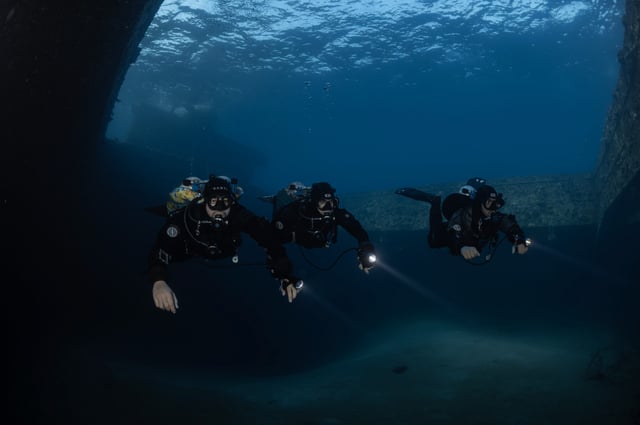
You will use technical equipment including twin cylinders, a wing-style BCD, long-hose regulators, and redundant gas systems. These configurations support decompression diving by providing greater stability, redundancy, and precision.
You will learn how to rig, check, and maintain this equipment, as well as how to manage gas switches and operate isolation valves. The aim is to make handling technical gear feel natural and controlled.
The maximum depth for Tec 40 training is 40 metres. This depth is shallow enough to manage safely while still allowing meaningful decompression planning and execution.
At this level, decompression obligations are limited and carefully planned. The focus is on developing controlled ascent skills, maintaining positioning during stops, and applying gas management principles.
You must hold Advanced Open Water and Enriched Air Diver certifications, with Rescue Diver recommended. You also need a Deep Diver certification or proof of at least ten dives to 30 metres or more.
A minimum of 30 logged dives is required, and divers must show confidence in buoyancy control, situational awareness, and basic problem-solving underwater.
Skills include gas planning, decompression modelling, controlled ascent and stop procedures, team communication, and handling emergencies such as regulator free-flows or out-of-gas situations.
You will refine trim and propulsion techniques and learn how to manage complex equipment while maintaining stable mid-water positioning. These abilities form the base for further Tec training.
Tec 40 qualifies you to perform limited decompression dives within the defined parameters of the course. It is the first official step into technical diving but not the final certification for deeper or extended-range dives.
Most divers continue on to Tec 45 or Trimix pathways to expand their depth range and decompression capabilities.
There are seven e-learning sections covering decompression theory, gas physics, oxygen exposure, dive planning, and equipment configuration. Completing this before the first session helps you get the most from the practical components.
Your instructor will review the knowledge segments during practical sessions, reinforcing concepts through real scenarios and hands-on exercises.
Yes, a Trimix upgrade is available once specific requirements are met. You must complete additional e-learning, pass the relevant exams, and perform Trimix analysis and planning during practical workshops.
Tec 40 dives three and four may be completed on Trimix once you meet these prerequisites, providing a valuable introduction to helium-based gas mixtures.
Bring swimwear, a towel, comfortable clothing, and personal items you may want during surface intervals. A reusable bottle and sun protection are helpful depending on the location.
All technical diving equipment is provided. If you have a personal mask, fins, or computer you prefer to use, you are welcome to bring them for familiarity.
About the centre
The Palm Jumeirah, Dubai
Operated by Nemo Diving Center, a partner of adventuro.
Fujairah, United Arab Emirates
From Dhs256.63