We partner with Rewilding Britain to help protect our natural spaces for future adventures.
All centres are vetted for safety and quality. Your adventure is in good hands with adventuro.
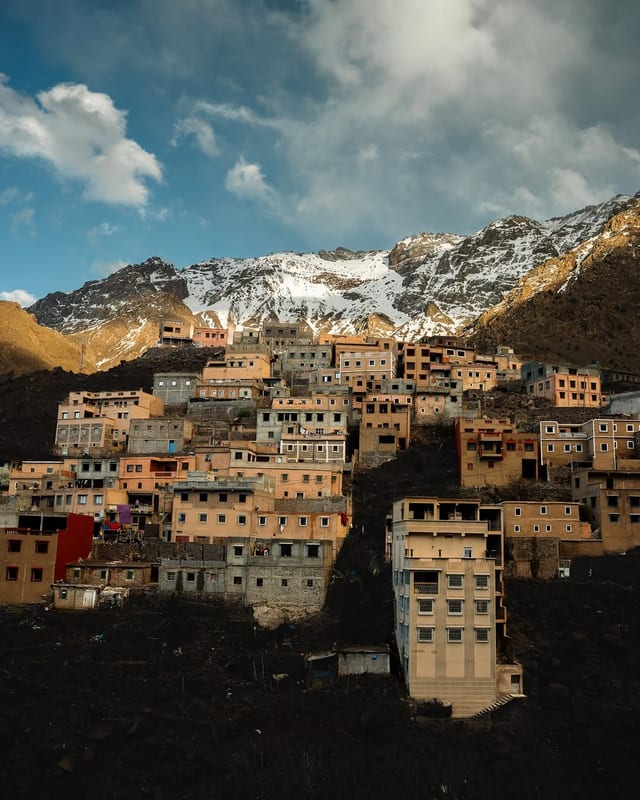
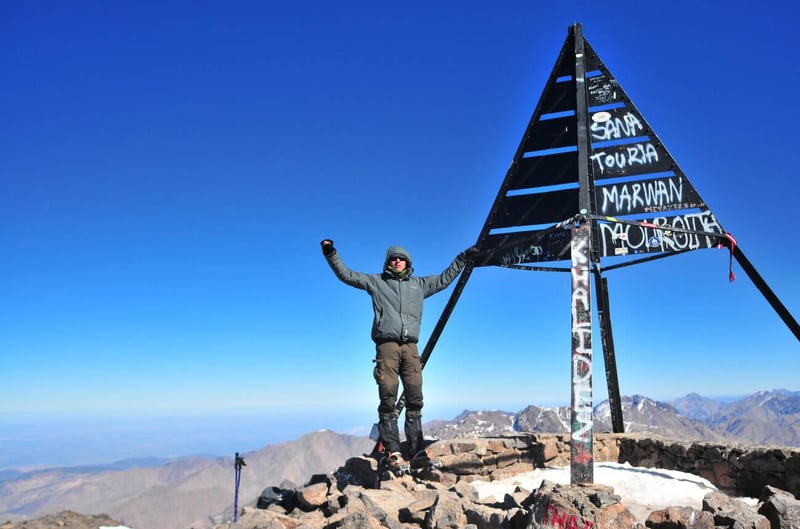
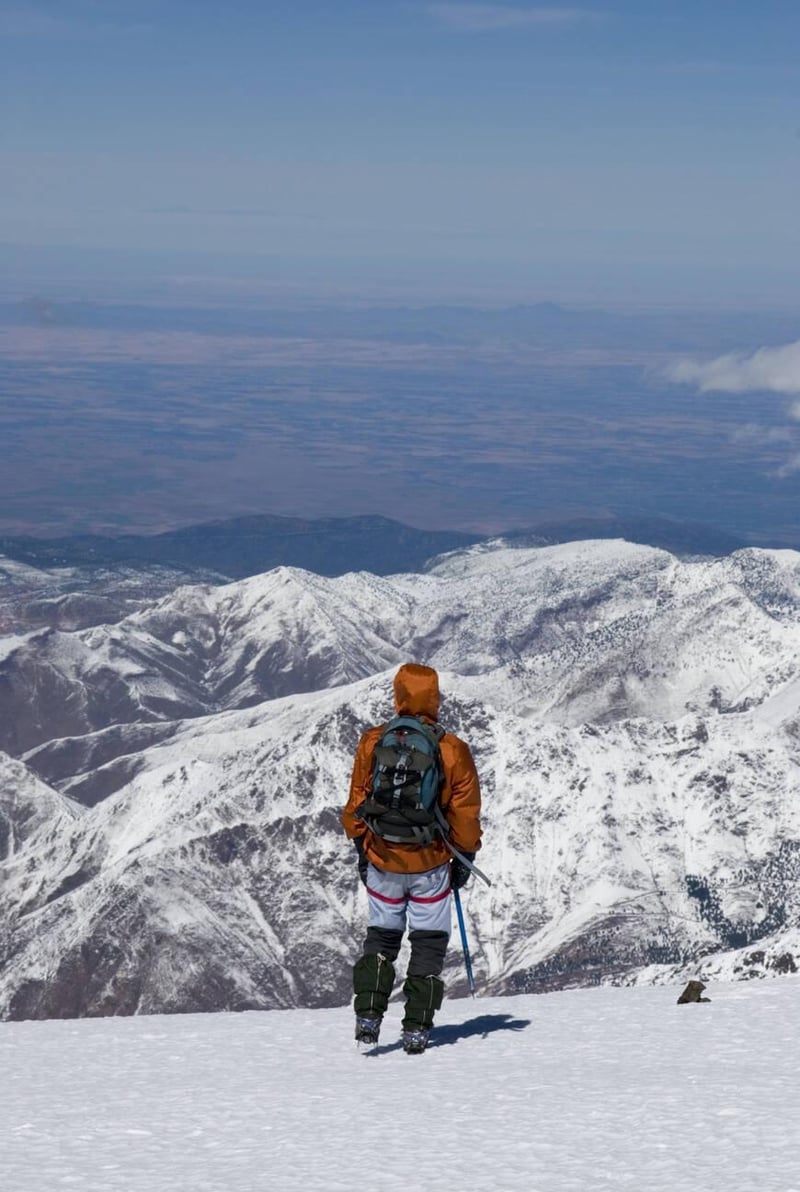
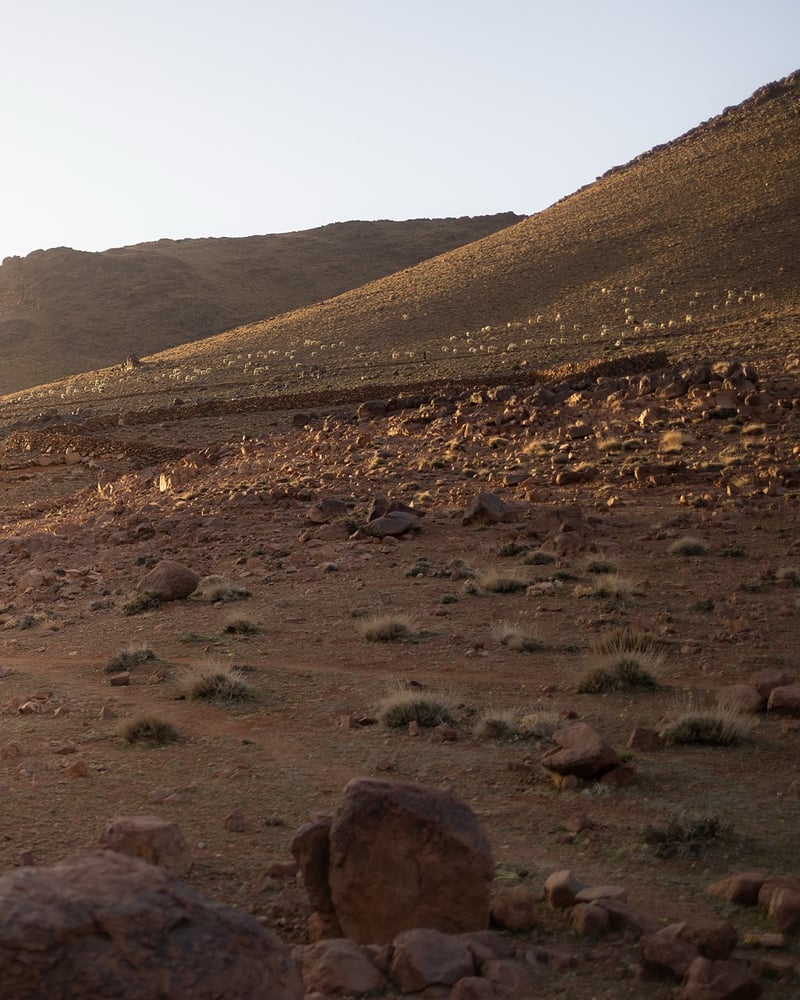
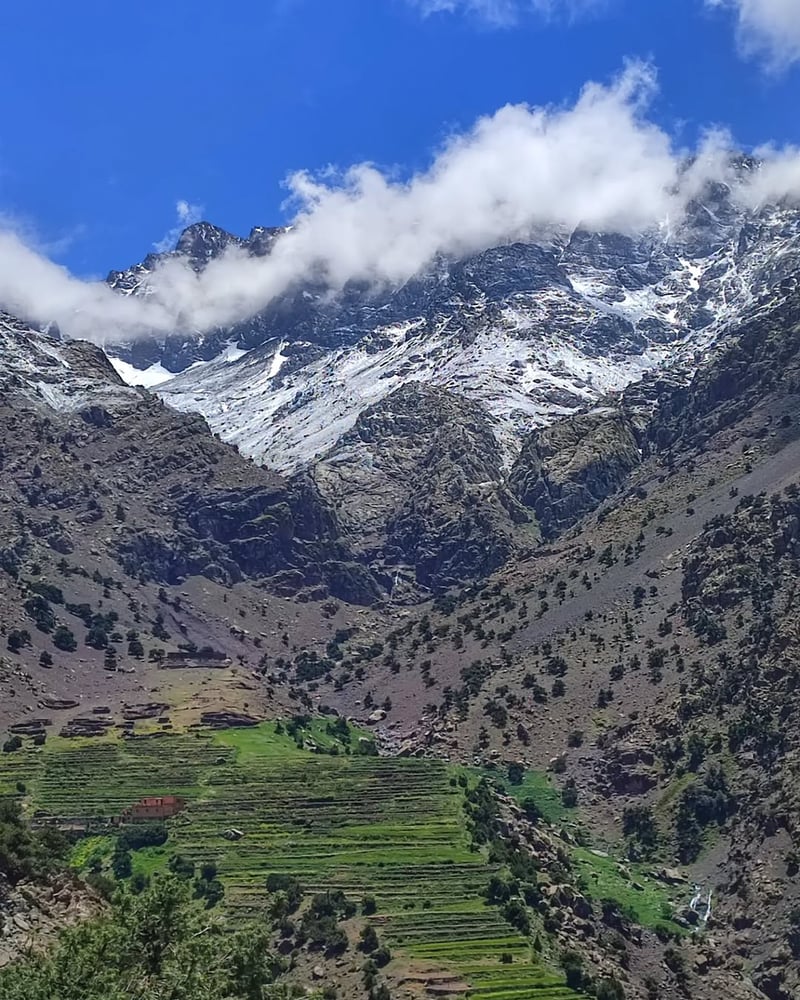
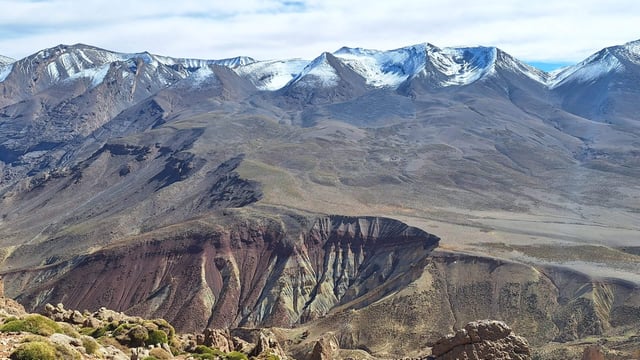
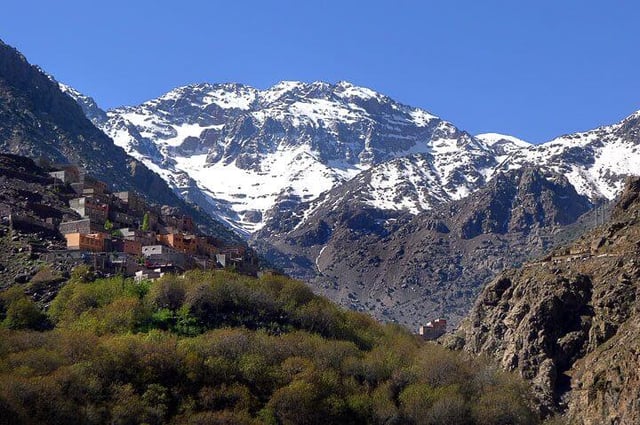
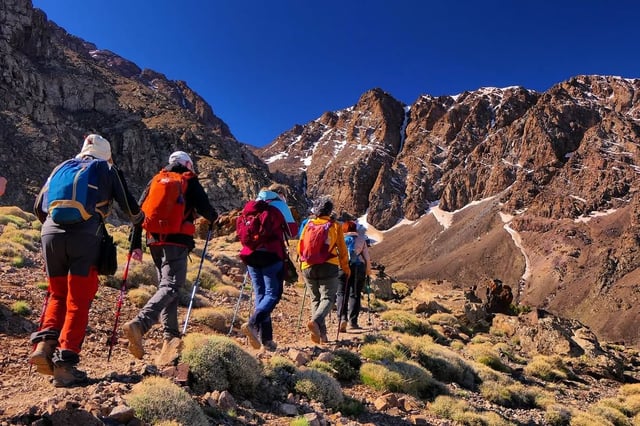
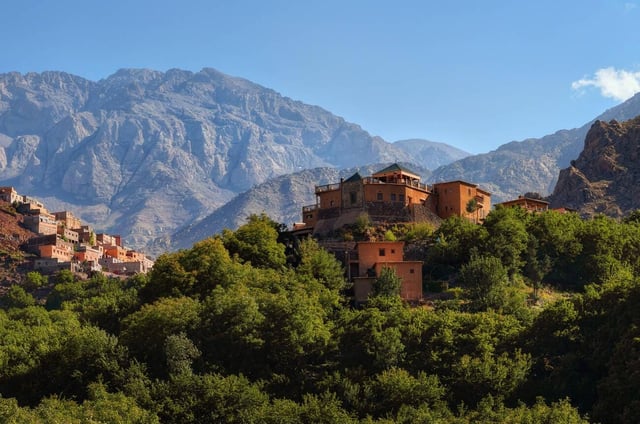
Your four-day journey begins with a morning transfer from Marrakech to Imlil, the gateway village to the High Atlas. From here you walk through authentic Berber communities in the Imlil and Azzaden valleys, climbing high passes with wide views over snow-capped peaks and green terraces before descending into peaceful mountain villages each evening.
The route builds steadily across four days of walking, with daily hiking times of three to five hours. You finish on the highest pass of the trek at Tizi Mzik before returning to Imlil and your driver back to Marrakech.
These routes are walked year round by guides who grew up in the Imlil valley and know every path, village and viewpoint along the way. Groups are kept small so the pace stays comfortable and you have time to share tea with local families and learn about Berber mountain life as you go.
Logistics are handled for you from the moment you are collected in Marrakech: transport, accommodation, meals and luggage support are all arranged, so you can focus on the trail and the landscape rather than planning each day yourself.
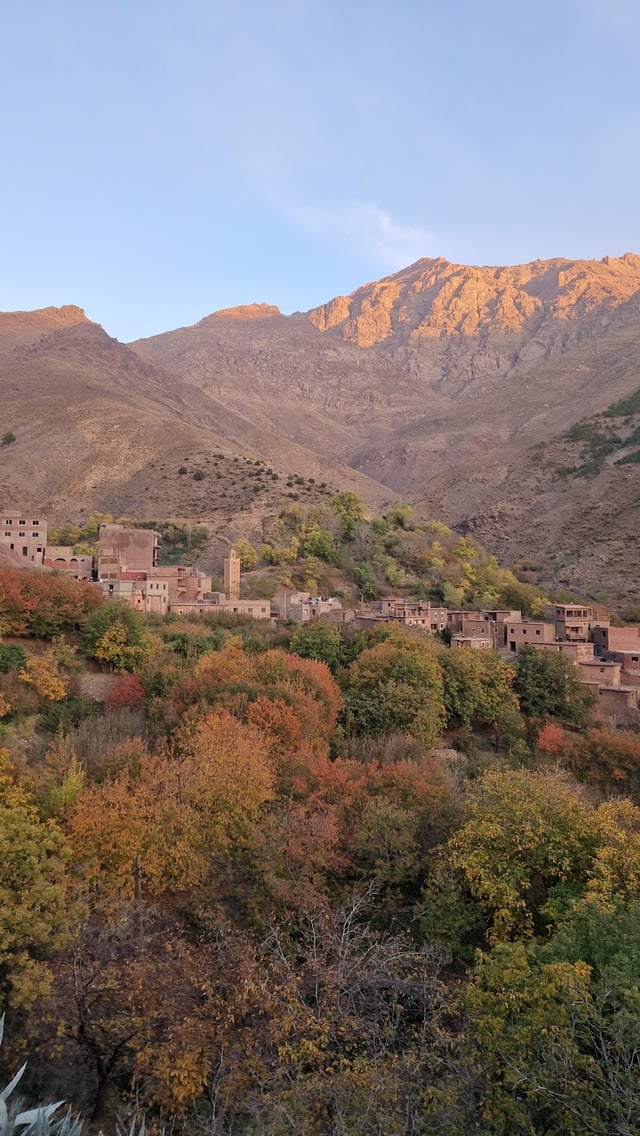
Nights one to three are spent in traditional Berber guesthouses in mountain villages along the route. Rooms are simple and clean, usually with shared bathroom facilities, and meals are prepared by the host family using local ingredients. Expect tagines, fresh bread, salads and mint tea in a warm, informal setting where you can rest after a day on the trail.
Guesthouses in Tamguist, Matat and Tizi Oussem offer an authentic taste of Atlas mountain hospitality rather than hotel-style comfort. Bedding is provided; you should bring your own towel and any personal comfort items. The locations place you right in the heart of the villages, often with terrace views over the valleys you walked through that day.
This trek suits people with a good level of general fitness who are comfortable walking for four to five hours a day on mountain paths with some steep sections. You do not need technical climbing skills, but regular hill walking or hiking in the months before you travel will make the daily ascents and descents much more enjoyable.
The highest point is Tizi Mzik at 2,480 metres, so you should be prepared for thinner air and cooler temperatures at the passes. Your guide sets a steady pace and builds in rest stops, but being honest about your fitness when you enquire helps the team plan a comfortable experience for your group.
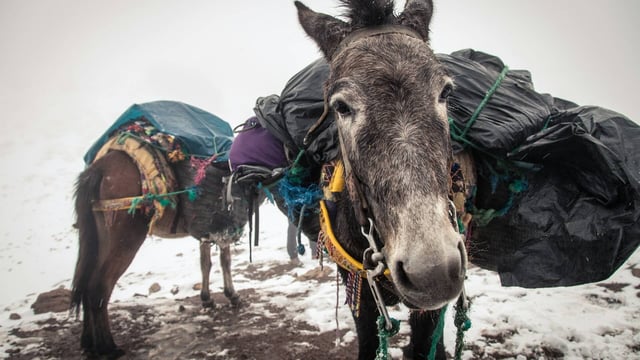
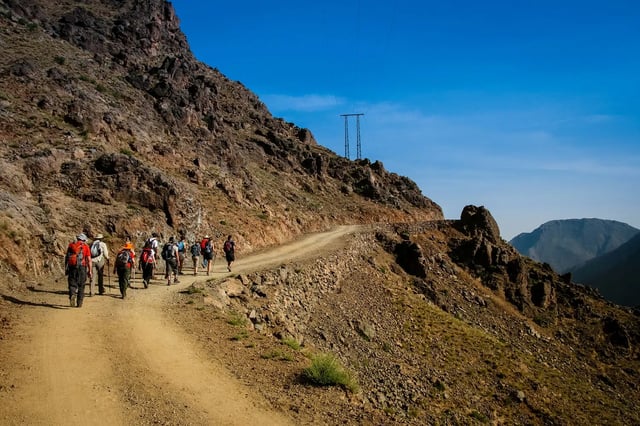
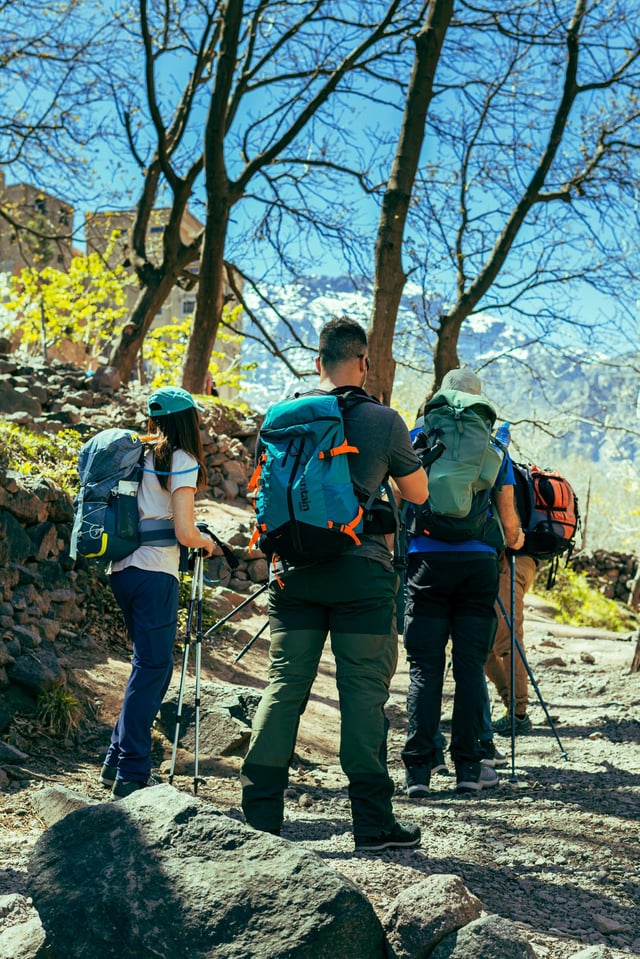
Expect around three to five hours of walking each day on well-used mule tracks and village paths. Terrain includes steady climbs to mountain passes, descents through forest and terraced farmland, and some rocky sections near the higher cols. Walking poles are not essential but can help on long descents.
Day four is the longest and reaches the highest altitude, so save some energy for the final push to Tizi Mzik. The trails are maintained by local use rather than being heavily waymarked, which is why a qualified mountain guide accompanies you throughout.
You spend three nights in traditional Berber guesthouses in the villages of Tamguist, Matat and Tizi Oussem. These are family-run homes adapted for trekkers, offering private or shared rooms with basic but comfortable facilities. Meals are included each evening and breakfast is served before you set off in the morning.
Guesthouse standards vary slightly from village to village but all provide a warm welcome, home cooking and a chance to experience daily life in the High Atlas. Hot showers may not always be available, so pack accordingly and treat the stays as part of the cultural experience rather than a hotel stay.
All main meals are included from arrival in Imlil on day one through to lunch on day four before your return to Marrakech. Breakfasts typically feature bread, jam, cheese, eggs and mint tea. Lunches are picnic-style with salads, fruit, bread and local specialities eaten on the trail with mountain views.
Evening meals at the guesthouses are usually tagines, couscous or similar Moroccan dishes prepared by the host family. Vegetarian options can usually be arranged if you let the team know in advance when you book. Bring your own snacks and energy bars if you like to eat between scheduled meals.
You carry only a daypack with water, spare layers, sunscreen and personal items for each day on the trail. Your main luggage can be left in secure storage in Marrakech or transported to meet you in Imlil at the end of the trek, depending on what you arrange with the team before departure.
Pack light for the trek itself: a change of clothes for evenings, toiletries and any medication in your daypack or a small overnight bag. Bulky suitcases are best left at your Marrakech accommodation for the four days you are in the mountains.
Sturdy, broken-in hiking boots are essential, along with breathable layers you can add or remove as the temperature changes through the day. Even in summer, evenings at village altitude can be cool, so bring a warm fleece or light down jacket. A waterproof jacket and trousers are important as mountain weather can change quickly.
Sun protection is vital at altitude: hat, sunglasses and high-factor sunscreen. A reusable water bottle, head torch, personal toiletries and any required medication should also be in your pack. Trekking poles are optional but helpful on long descents, especially on day four.
Solo travellers are welcome and often join small groups of like-minded hikers. Because this is a request booking, the team will confirm dates and group composition with you before your trip is finalised. If you prefer a private departure, mention this when you enquire and the team can advise on availability and any supplement.
Guesthouse rooms may be shared with other trekkers of the same gender when travelling solo, unless you have booked a private room in advance. The social atmosphere in the villages and at dinner tables is one of the highlights for many solo participants.
The High Atlas can see sudden changes in weather, including rain, wind and cooler temperatures at the passes. Your guide monitors conditions daily and may adjust the route or pace if safety requires it. Treks run year round, but the most stable weather is typically from April to June and September to November.
If extreme conditions make a pass unsafe, the guide will choose an alternative path or modify the day's walking rather than pushing on regardless. The team will be in touch before your trip if seasonal conditions suggest bringing extra warm or waterproof kit.
On the morning of day one, a driver collects you from your hotel or riad in Marrakech at an agreed time, usually around 08:00. Please share your accommodation name and address when you book so the driver can find you easily in the medina or newer districts of the city.
The transfer to Imlil takes around one to one and a half hours depending on traffic. On day four, the same service brings you back to Marrakech from Imlil after the trek. If your riad is difficult to reach by vehicle, the team may arrange a nearby meeting point and will confirm this with you in advance.
Guides are local to the Imlil and Azzaden valleys and have grown up walking these paths. They know the trails, the villages and the mountain conditions through every season, and they are trained to lead trekking groups safely at altitude. English and French are commonly spoken on the trail.
Your guide sets the pace, navigates the route and helps you understand Berber culture, farming and daily life in the villages you pass through. They also carry basic first aid supplies and know the nearest evacuation routes should anyone in the group need assistance.
About the centre
Marrakech
Based in Imlil in the High Atlas, this team specialises in guided mountain treks, day hikes and desert combinations that start with an easy pickup from Marrakech. Routes take in Berber villages, high passes and classic summits such as Toubkal, with local guides who know the trails and the pace that suits each group.
Days are built around real mountain walking and warm hospitality - shared meals, clear briefings and support on the trail - so travellers can focus on the landscape and culture rather than logistics. Whether it is a full-day summit hike or a multi-day trek with overnight stays in the mountains, the aim is a well-organised, authentic Moroccan adventure.
Operated by Atlas Mountains Visit, a partner of adventuro.
Central & Atlas Mountains, Morocco
From €100