We partner with Rewilding Britain to help protect our natural spaces for future adventures.
All centres are vetted for safety and quality. Your adventure is in good hands with adventuro.
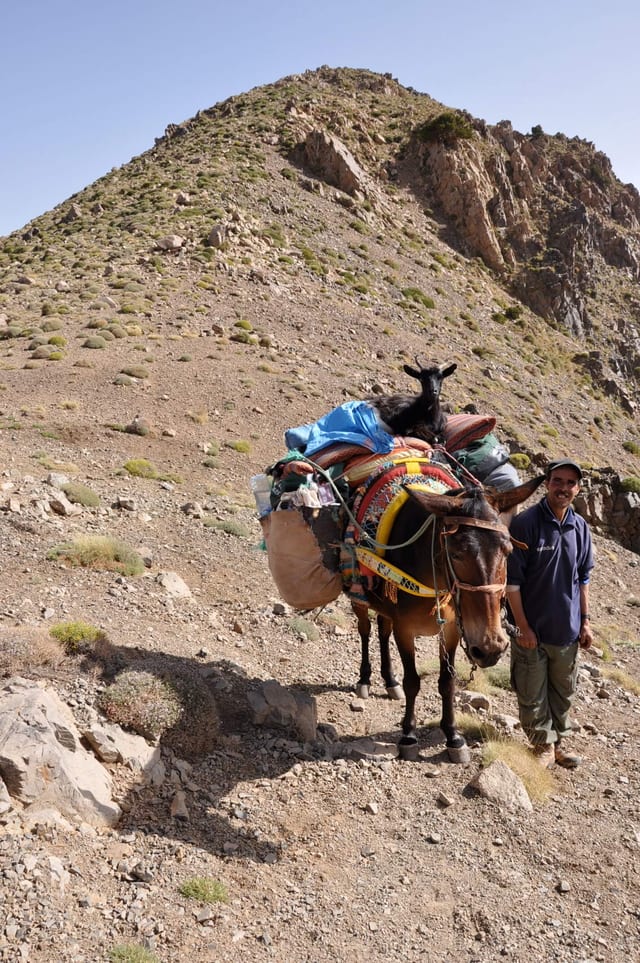
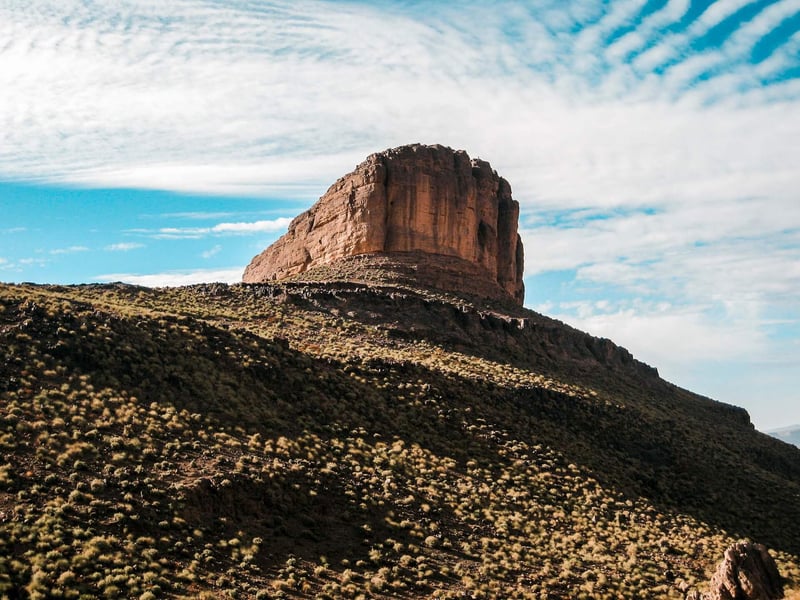
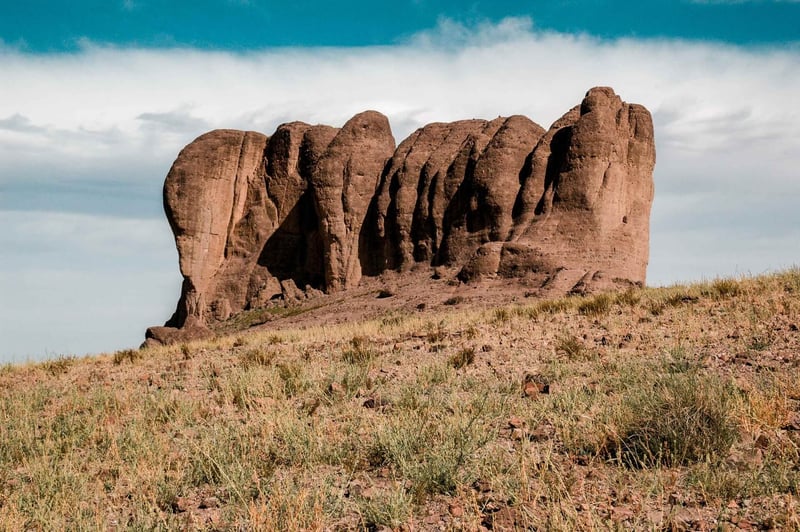
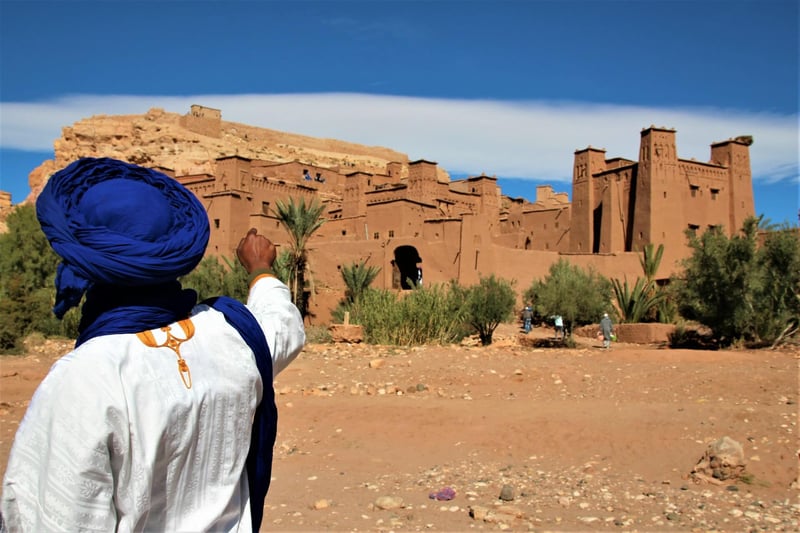
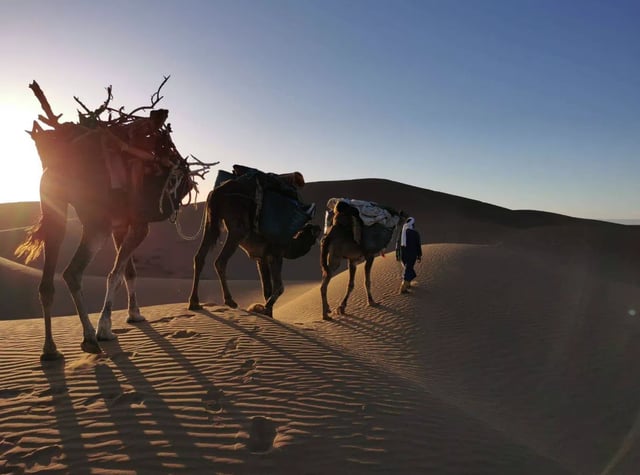
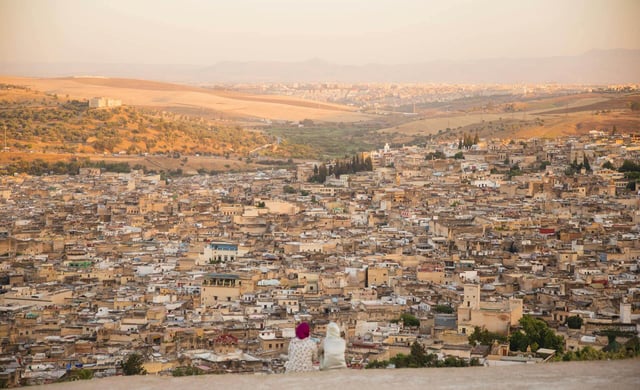
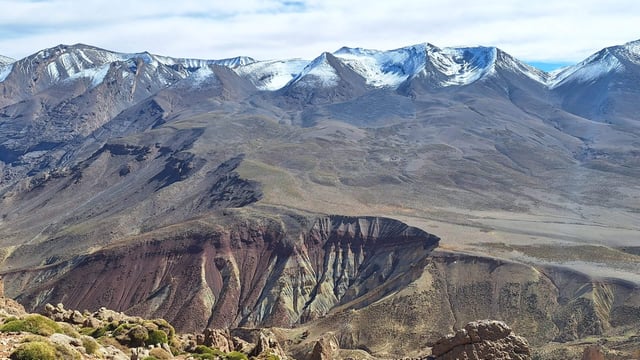
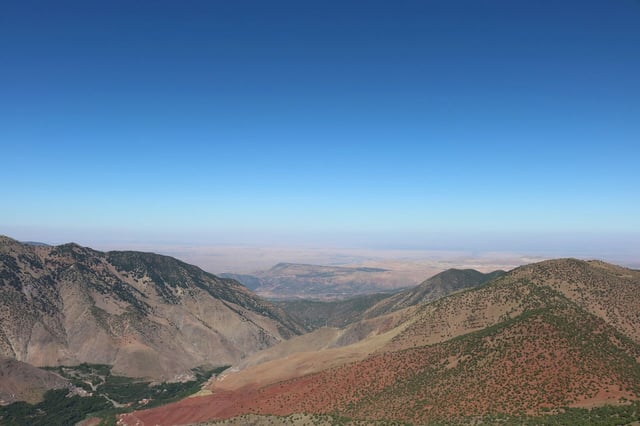
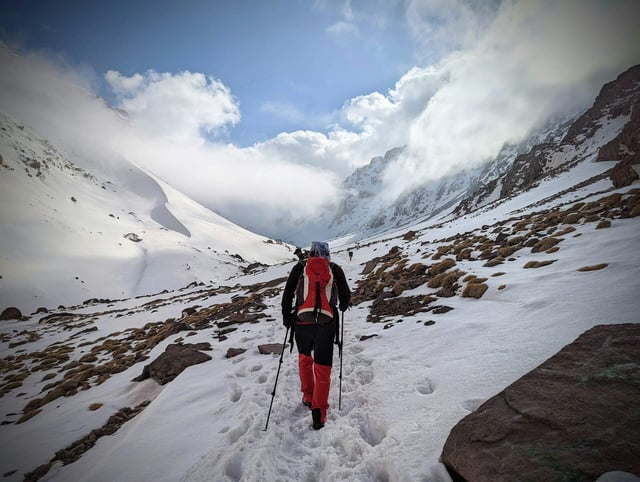
Travel from Marrakech across the High Atlas to Tagdilte, then spend four full trekking days crossing the rugged Jbel Saghro range. The route climbs open plateaus to Almou n'Ouargue, reaches the Kouaouch summit and continues through Iglli and the Ighazoune Valley towards Handour.
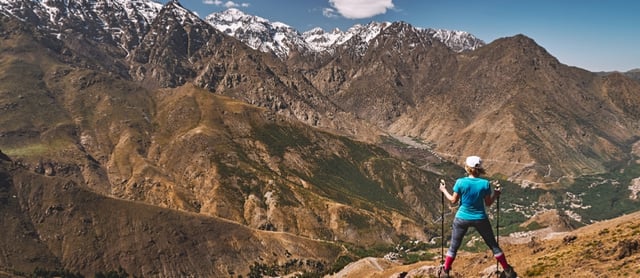
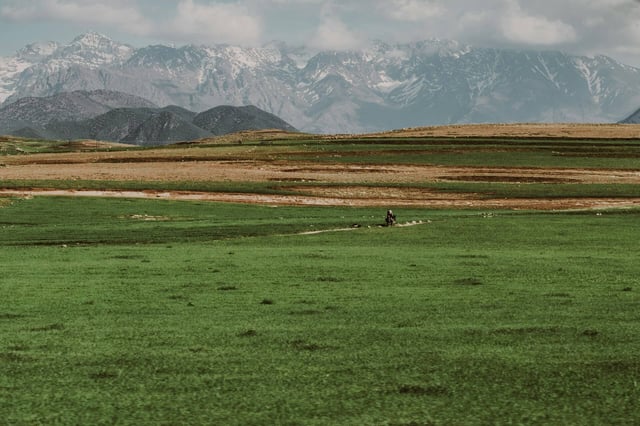
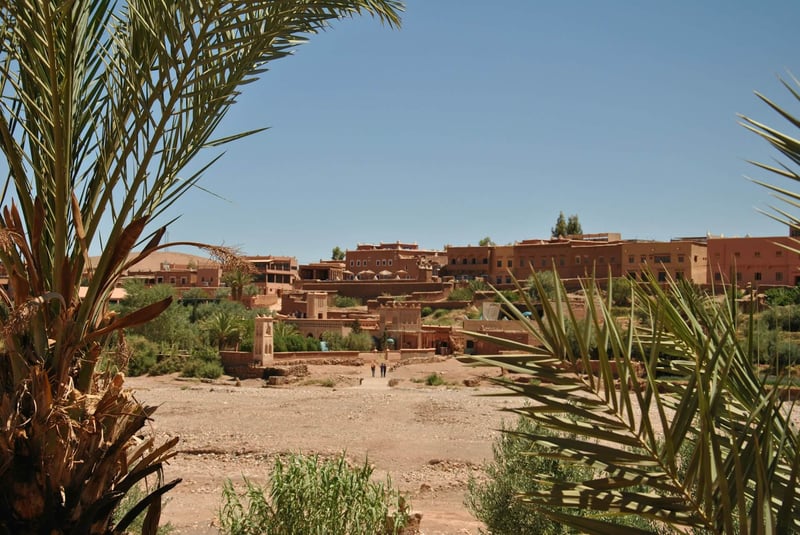
Volcanic rock towers, dry riverbeds, nomadic shelters and historic kasbahs create a striking setting for this challenging but non-technical journey. Camping nights place you deep in the landscape, while guesthouse stays and the final return through Ait Ben Haddou add comfort and cultural depth.
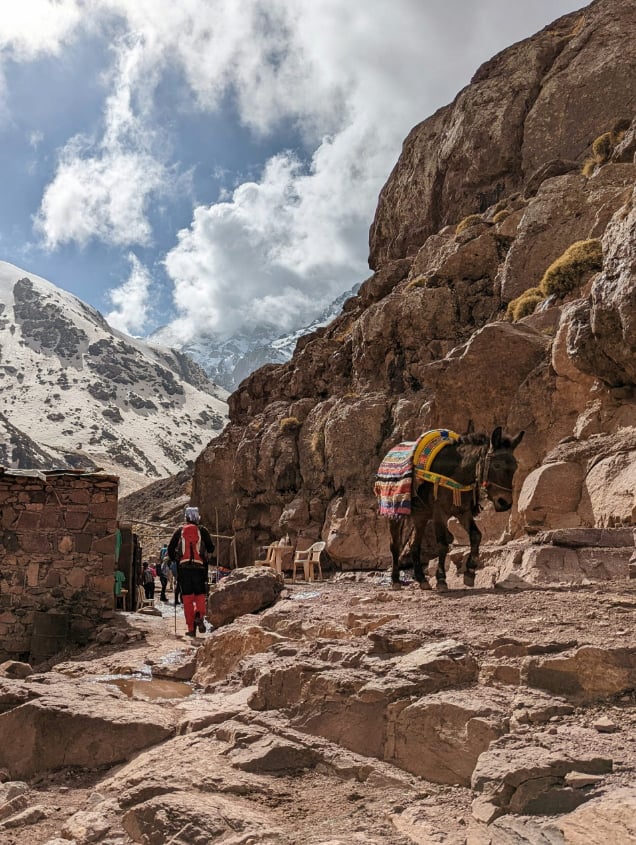
Local mountain guides understand the remote trails, changing conditions and cultural customs of the Jbel Saghro region. Mule support and organised camps help you conserve energy for sustained walking while still experiencing the wild character of the route.
The itinerary balances demanding days with meaningful stops in villages, valleys and nomadic areas that many visitors never reach. Thoughtful logistics connect Marrakech, the mountain trail and historic sites into one coherent journey through southern Morocco.
Hotel pickup can be arranged in Marrakech or Ouarzazate for the first night. The exact collection point and time will be confirmed before the journey begins.
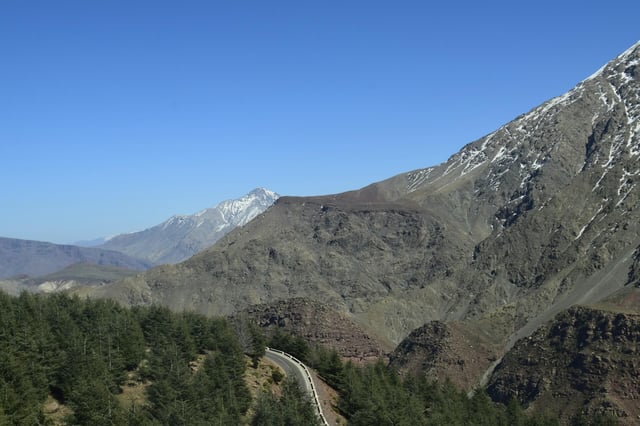
The main road transfer leaves Marrakech on day two and crosses the Tizi n'Tichka Pass to Tagdilte. After the trek, transport returns to Marrakech on day seven, followed by an airport transfer on day eight.
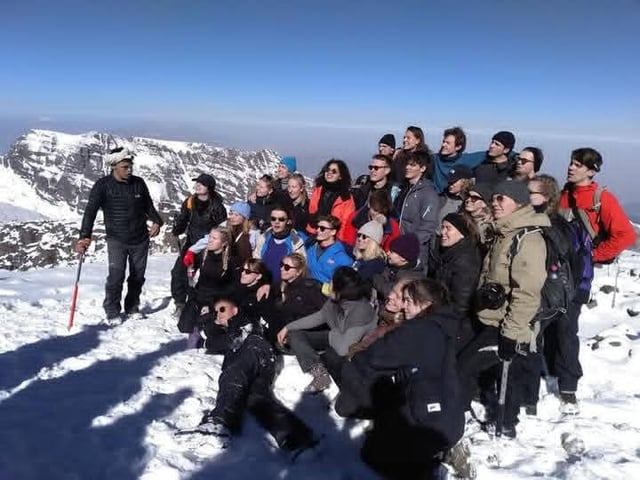
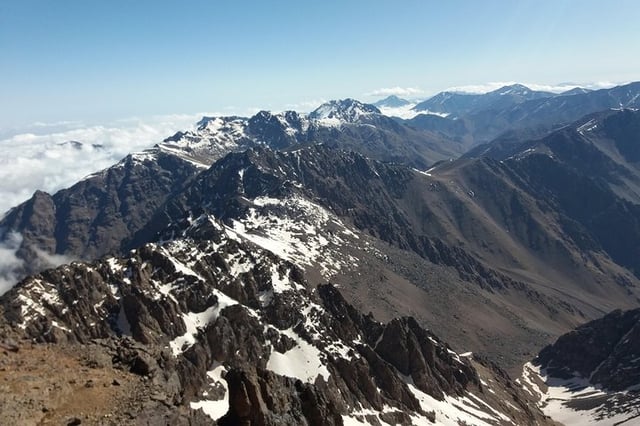
This is a hard, sustained trek with several days of approximately six hours on foot. The route includes long ascents, rugged descents, exposed plateaus and a summit at 2,590 metres.
No technical climbing is planned, but good fitness and previous hillwalking experience are recommended. Mule support carries the main luggage, leaving you with a daypack for water, layers and personal essentials.
The journey combines traditional riads or hotels, village guesthouses and several nights of camping in the mountains. Camps place you close to remote valleys and nomadic areas that cannot be reached by road.
Camping facilities are simple and designed for the isolated setting, while guesthouse nights offer additional comfort. Bring warm layers and a head torch because desert mountain temperatures can fall sharply after sunset.
Yes, the guide may adjust a trail, campsite or timing when weather, water availability or local conditions require it. Safety and practical access take priority in this remote mountain environment.
Any alternative will aim to retain the main trekking experience and cultural character of the journey. The team will be in touch if significant conditions require a wider change before departure.
Mules or porters move the main luggage between camps and guesthouses during the mountain section. You will only need to carry a daypack with water, clothing layers and personal essentials.
Use a secure, practical main bag and keep valuables or fragile equipment with you. Weight and access may be limited in remote terrain, so pack carefully and avoid unnecessary items.
Meals are provided as indicated in the itinerary, including food prepared for remote camps and village stays. Menus focus on practical, nourishing dishes suited to consecutive days of trekking.
Share allergies or dietary needs before departure so available options can be assessed. Carry any specialist snacks you require because shops and ingredient choices are limited in the mountains.
Daytime conditions can be sunny and warm, while nights in the desert mountains may become cold. Wind and exposure on plateaus or the Kouaouch summit can make temperatures feel lower.
Bring a flexible layering system with warm, waterproof and windproof clothing. Sun protection remains essential because shade is limited across much of the route.
No technical climbing is planned, and specialist ropes or mountaineering equipment are not normally needed. The challenge comes from long walking days, rugged ground, ascents and descents.
Sturdy broken-in trekking boots and a reliable daypack are essential for comfort and stability. Walking poles may be useful if you prefer extra support on loose or uneven paths.
The drive from Marrakech to Tagdilte is approximately seven hours and crosses the High Atlas. The return from Handour to Marrakech is also a full road day with a stop at Ait Ben Haddou.
Road times can vary because of traffic, weather and mountain conditions. Scenic viewpoints and cultural stops help connect the trekking route with the wider landscapes of southern Morocco.
The minimum age is ten, but the hard grading means age alone does not determine suitability. Young participants need strong walking fitness, confidence on rugged ground and experience of long active days.
Parents or guardians should consider cold camping nights, remote terrain and several consecutive six hour walks. Discuss a young trekker's experience with the team before departure if suitability is uncertain.
Follow the guide's lead when meeting Ait Atta families or passing shelters and grazing areas. Ask permission before taking photographs and respect private spaces, animals and local routines.
Simple greetings and patient, courteous behaviour help create positive encounters. The guide can explain customs and translate where appropriate so visits remain respectful for hosts and travellers.
About the centre
Marrakech
Operated by Active Treks Morocco, a partner of adventuro.