We partner with Rewilding Britain to help protect our natural spaces for future adventures.
All centres are vetted for safety and quality. Your adventure is in good hands with adventuro.
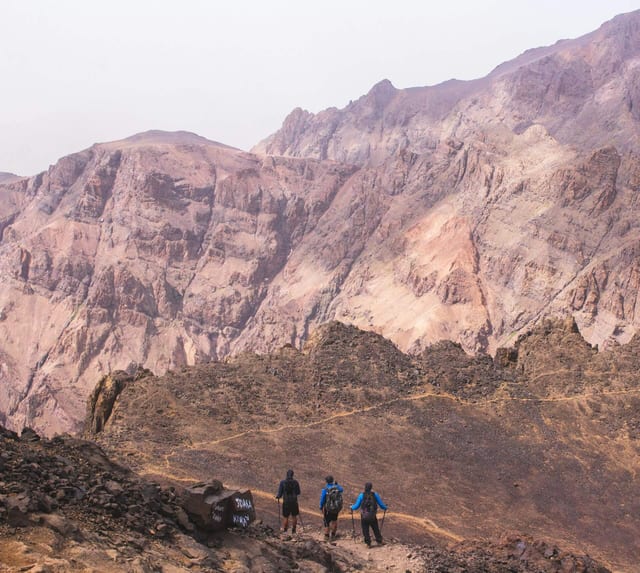
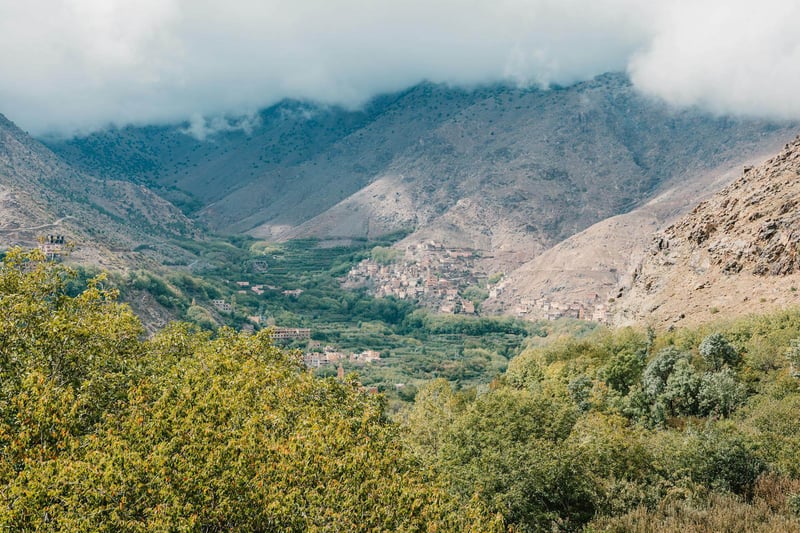
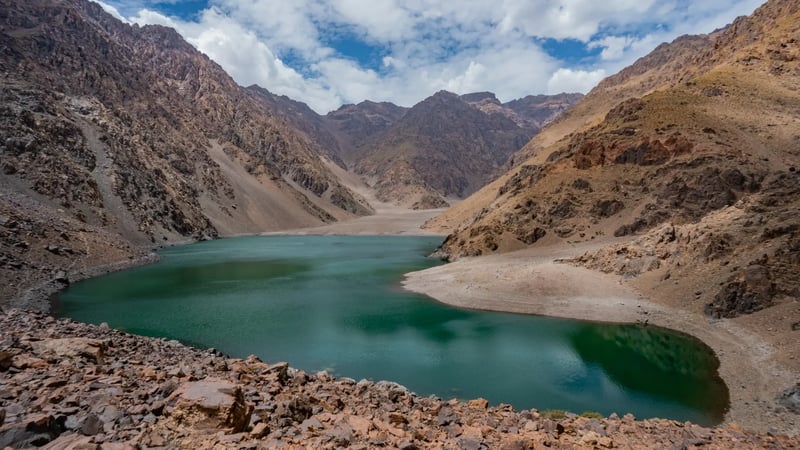
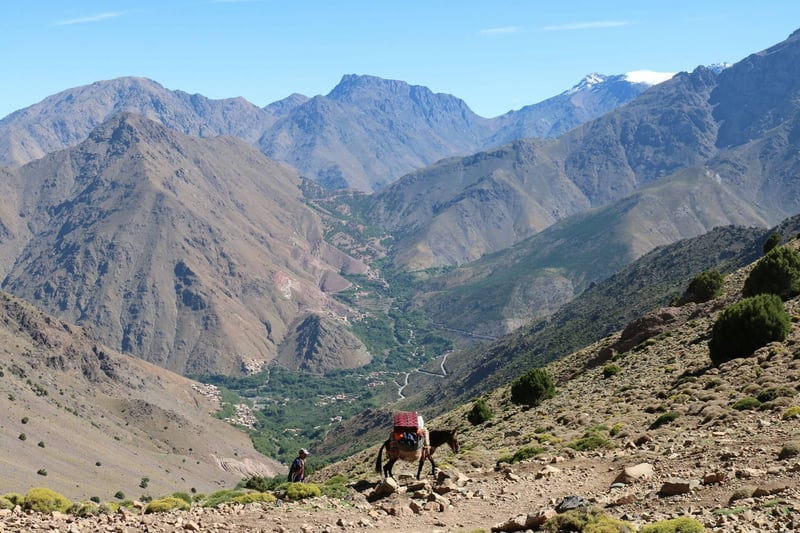
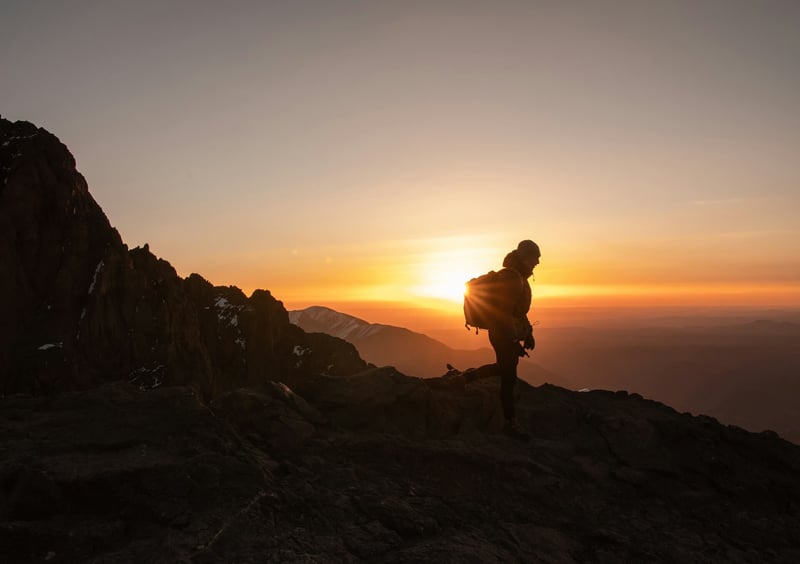
This eight-day High Atlas challenge links remote valleys, high passes and village trails before culminating on North Africa's highest summit. After arrival in Marrakech, the mountain journey begins from Imlil and climbs to Tachdirt, then crosses the 3,555 metre Tizi Likkemt pass to Azib Likkemt. From there, the route continues towards Amsouzart and the deep blue waters of Lake Ifni, giving each stage its own landscape and character.
The approach to Toubkal crosses Tizi n'Ouanoums at 3,664 metres and reaches the Nelter Hut for the final mountain night. An early start on day seven leads to the summit of Mount Toubkal at 4,167 metres, followed by a long descent and return to Marrakech. Seven nights in a mix of guesthouses, gites and camps, together with guide, meals and mule support, make this a complete expedition through the range rather than a single-peak climb.
Experienced mountain guidance connects the varied stages into a well-managed journey, from village paths to exposed passes and summit terrain. Daily decisions reflect weather, altitude and group pace, while local knowledge brings context to the landscapes and communities along the traverse. This practical support matters most on the longer and higher days.
The itinerary builds gradually through the range before the summit attempt, allowing you to experience far more than the main Toubkal trail. Accommodation, meals, luggage support and transfers are coordinated across all eight days, removing unnecessary logistical pressure. You can focus on sustained walking, recovery and the satisfaction of progressing through a demanding mountain route.
Arrive at Marrakech airport, meet your driver and transfer into the city or to the agreed accommodation. Use the afternoon or evening to settle in, check personal equipment and prepare the soft-sided bag that will travel with the mule team.
Your guide or local team confirms the next day's timing and answers practical questions about the route. Rest well before leaving the city for the High Atlas in the morning.
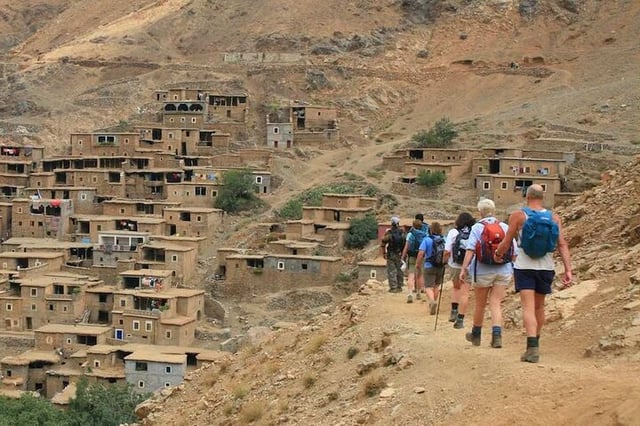
Transfer from Marrakech towards Imlil, meet the mountain team and begin the trek into the surrounding valleys. The route climbs away from the busier trailhead through terraced slopes and villages, giving the group time to find a steady multi-day pace.
Continue towards Tachdirt, one of the highest villages in the area, beneath the ridges that shape the next day's crossing. Settle into a gite or guesthouse, eat with the group and prepare for the climb to Tizi Likkemt.
Climb steadily from Tachdirt towards Tizi Likkemt, a high pass at 3,555 metres. The landscape becomes more open and rugged with each gain in height, and the guide sets a sustainable pace for the long ascent.
Cross the pass and descend towards Azib Likkemt, where seasonal grazing country and a remote camp setting replace the village terraces. Eat, rehydrate and rest after one of the first major high-level tests of the expedition.
Leave Azib Likkemt and follow paths that connect summer grazing areas with the villages of the southern High Atlas. The day combines rolling mountain terrain with longer descents as the route turns towards the cultivated valley around Amsouzart.
Reach Amsouzart and settle into a village gite, where simple facilities and a shared meal offer a welcome change from the higher camp. The evening gives you time to recover before walking towards Lake Ifni.
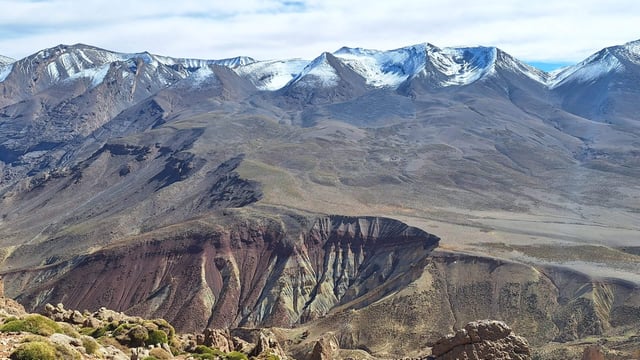
Walk from Amsouzart towards Lake Ifni, following a valley that gradually narrows beneath high, rocky slopes. The lake appears in a dramatic mountain bowl, its blue water contrasting with the dry ridges around it.
Spend time near the lakeside before settling into the planned camp or simple mountain accommodation. This remote night positions the group for the demanding ascent over Tizi n'Ouanoums on day six.
Begin the long climb from the Lake Ifni side towards Tizi n'Ouanoums at 3,664 metres. The ascent is sustained and increasingly alpine, with the guide managing pauses, hydration and pace as the group gains height.
Cross the pass and descend into the upper Toubkal valley towards the Nelter Hut. Eat an early dinner, organise summit layers and rest as much as possible before the pre-dawn start.
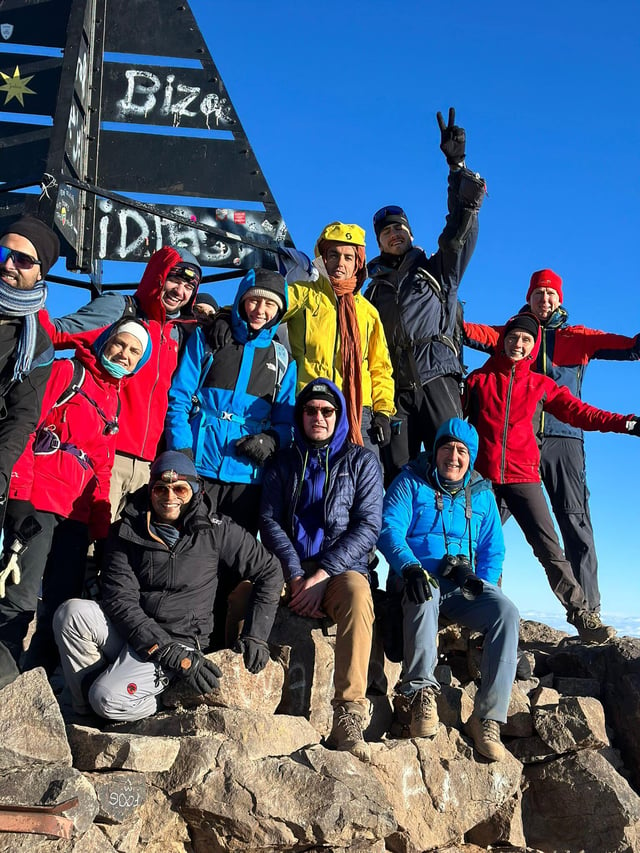
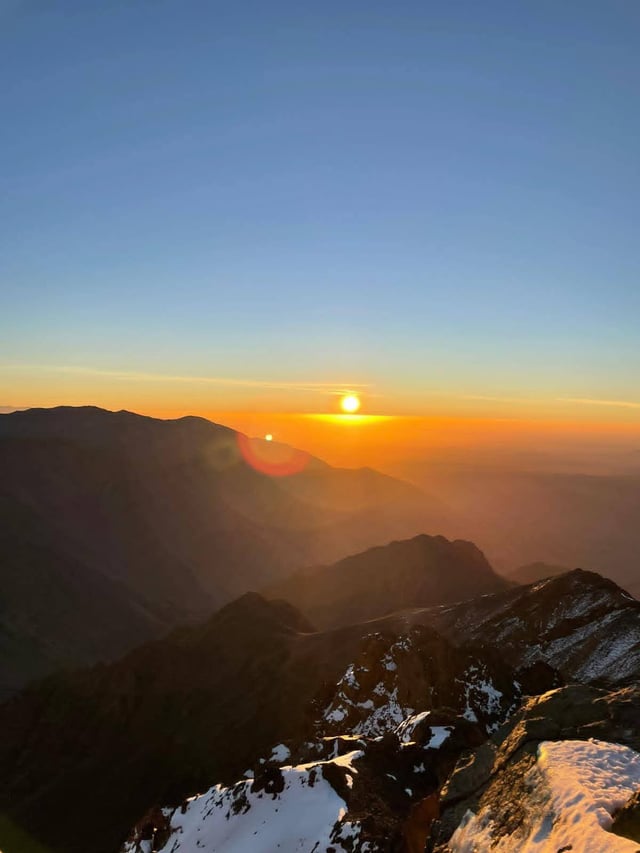
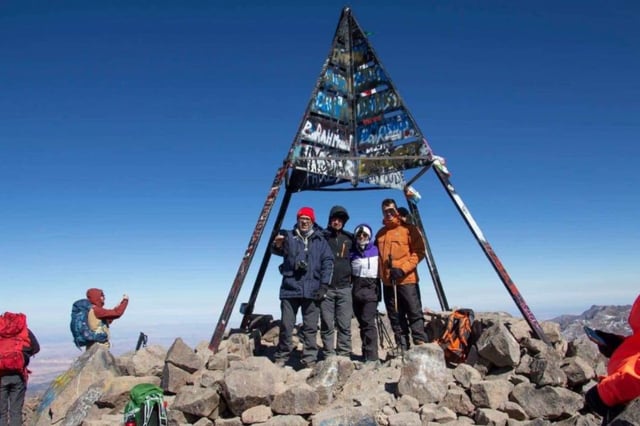
Set out before dawn for the climb to Mount Toubkal, following steep rocky ground towards the summit ridge. At 4,167 metres, clear conditions bring sweeping views across the High Atlas and a powerful sense of completion after the traverse.
Descend carefully to the hut and continue down towards Imlil, where the vehicle waits for the return to Marrakech. Settle into the final night's accommodation and rest after the expedition's longest and most rewarding day.
Enjoy the final morning in Marrakech according to your flight time, with a chance to repack and reflect on the route through the mountains. The team confirms your pickup point and allows suitable time for the drive to the airport.
Transfer to Marrakech airport for departure and conclude the eight-day journey. Carry forward the experience of remote valleys, high passes, Lake Ifni and the summit of Toubkal.
Day one begins with collection from Marrakech airport or an agreed hotel or riad in the city. If your riad is in a pedestrian part of the medina, the driver may arrange a nearby accessible meeting point because vehicles cannot reach every doorway.
The mountain section starts with a transfer towards Imlil on day two. After the Toubkal summit and descent on day seven, you return to Marrakech for the final night, and an airport transfer is provided on day eight at the agreed departure time.
Seven nights use a varied mix of Marrakech accommodation, locally run guesthouses, village gites and mountain camps or refuges. The exact blend follows the route through Tachdirt, Azib Likkemt, Amsouzart, Lake Ifni and the Toubkal area, keeping each overnight close to the next day's trail.
Mountain stays are simple, with shared rooms or sleeping spaces, communal meals and basic washing facilities. Hot water, charging and heating may be limited, particularly at camps and high huts, so bring a warm sleeping bag, head torch and power bank. The accommodation is functional and atmospheric, designed to support recovery between demanding stages.
This is a demanding eight-day mountain journey with repeated climbs, long descents and two passes above 3,500 metres. The summit day reaches 4,167 metres and requires an early start followed by many hours on steep, rocky ground.
You should arrive with strong cardiovascular fitness and recent experience of consecutive hill-walking days. Training on sustained climbs and descents while carrying a daypack will help prepare your legs and improve recovery between stages.
Technical climbing skills are not normally required in dry summer conditions, as the route follows trekking paths and rocky mountain trails. Good balance, confidence on uneven ground and prior mountain walking experience are important.
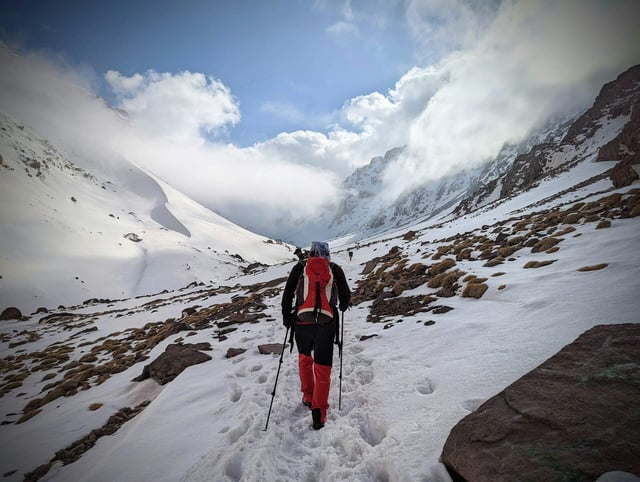
Conditions can become more serious with snow, ice or poor weather, and the guide will assess the route each day. Seasonal equipment or itinerary changes may be needed when upper slopes are not in normal dry condition.
You are met at Marrakech airport on day one and transferred to the planned city accommodation or agreed starting point. A hotel or accessible riad meeting point can also be used when arrival arrangements require it.
After returning to Marrakech on day seven, you spend the final night in the city. A transfer takes you to the airport on day eight at the agreed time for your departing flight.
The seven nights use a mixture of guesthouses, village gites, mountain camps or refuges and Marrakech accommodation. In the mountains, rooms and facilities are generally shared and designed for practical rest between trekking stages.
Hot water, electricity and heating can be limited in remote valleys and high camps. Bring a suitable sleeping bag, head torch and power bank, and expect a simpler standard than a city hotel.
Meals are prepared during the eight-day itinerary, with breakfasts, trail lunches and evening meals supporting the walking programme. Mountain meals are generally filling Moroccan dishes made with ingredients that can be carried or sourced along the route.
Share allergies and dietary requirements before departure so the cooking team can plan. Carry personal energy snacks if you prefer specific products, as choice is limited in remote villages and camps.
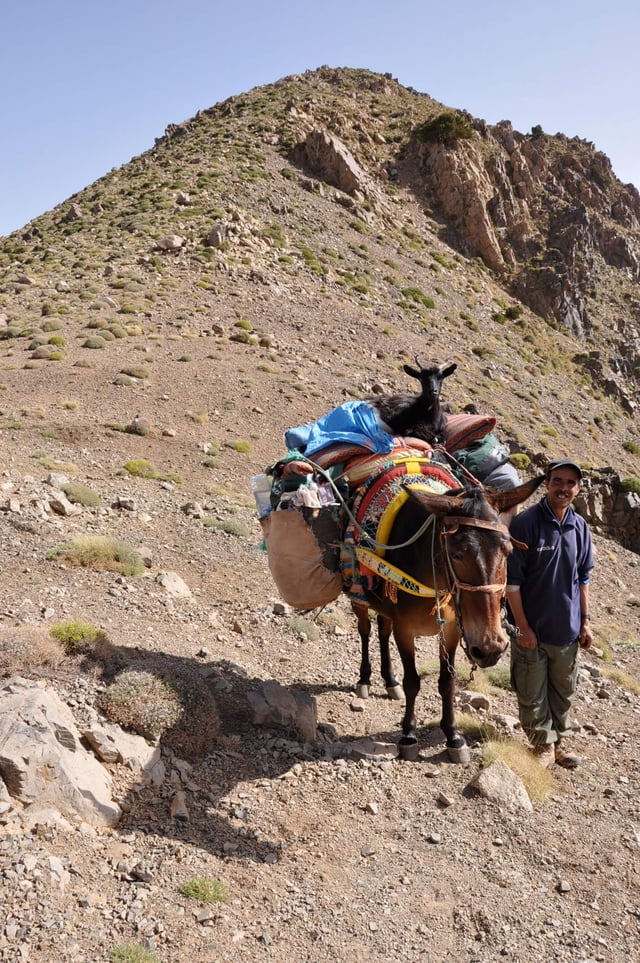
Mules carry shared equipment and main soft-sided luggage on stages where the terrain allows. You walk with a daypack containing the items needed between the morning departure and the next overnight stop.
Keep water, waterproofs, insulation, sun protection, medication and valuables with you. Access to mule-carried luggage is usually limited until camp or the guesthouse is reached.
The route crosses passes at 3,555 metres and 3,664 metres before reaching the 4,167 metre summit of Mount Toubkal. Some walkers may notice headache, reduced appetite, tiredness or shortness of breath as elevation increases.
Walk at the guide's pace, drink regularly and report symptoms promptly rather than trying to push through them. The itinerary builds through several mountain days, but individual responses to altitude still vary.
Weather and trail conditions on Toubkal can change quickly, particularly on exposed upper slopes. The guide assesses forecasts, group condition and the mountain itself before deciding whether a summit attempt can proceed.
Safety takes priority over reaching the top, so timings or the route may change and the summit may be turned around if necessary. The team will explain the safest available plan and organise the onward journey accordingly.
Travel insurance is not included and should explicitly cover multi-day trekking above 4,000 metres. Protection for emergency medical care, evacuation and mountain rescue is strongly recommended.
Check the policy's altitude ceiling and exclusions carefully, as some standard plans stop below Toubkal's height. Keep the insurer's emergency number and your policy details accessible during the trek.
Village gites and mountain stops usually offer shared sleeping spaces, communal dining and basic washing facilities. Camps and high refuges may have limited hot water, charging points or mobile signal.
A head torch, power bank, travel towel and personal toiletries make remote nights more comfortable. Expect early evenings, simple routines and facilities shaped by the location rather than hotel standards.
About the centre
Marrakech
Operated by Active Treks Morocco, a partner of adventuro.

Central & Atlas Mountains, Morocco
From £407

Central & Atlas Mountains, Morocco
From €450
Central & Atlas Mountains, Morocco
From £450